Do you know the exact loan amount that turns your mortgage from “conforming” into “jumbo” in Contra Costa and the East Bay? When you shop in places like San Ramon or the Oakland–Hayward–Berkeley corridor, that line matters. It can change your interest rate options, down payment, and even how your lender underwrites your file. In this guide, you’ll learn how jumbo limits work, what the 2024 examples look like, and how to plan your purchase with confidence. Let’s dive in.
Conforming vs. jumbo, in plain English
- Conforming loan: A mortgage that meets Fannie Mae and Freddie Mac rules, including the Federal Housing Finance Agency (FHFA) maximum for your county and property type (1–4 units). These loans are eligible for purchase by the GSEs, which often means broader lender competition and more standardized underwriting.
- Jumbo loan: Any mortgage that exceeds the FHFA county limit for your number of units. Jumbos are not purchased by Fannie or Freddie. They are funded by portfolio lenders or investors, and guidelines vary by lender.
Why it matters: Crossing the conforming ceiling can affect pricing, required down payment, documentation, mortgage insurance options, and refinancing paths. A small difference in loan amount can change the entire program category.
How loan limits are set each year
The FHFA sets a national baseline limit annually, then publishes county-level limits (with higher “high-cost” ceilings in expensive markets). There are different limits for 1–4 unit properties. Limits typically update in the fall for the following calendar year.
What you should do: always confirm the current FHFA county limit for your target property’s location and unit count, and verify with your lender before you write an offer. Do not rely on last year’s number.
2024 example numbers for context
Many Bay Area counties are treated as high-cost, so their conforming ceilings are higher than the national baseline. For illustration, consider a 1‑unit high‑cost ceiling of $1,149,825 in 2024 (confirm your county’s current figure before you rely on it).
Use these quick formulas:
- Loan amount = Purchase price × (1 − down payment %)
- Max purchase price for a conforming loan = (Conforming loan limit) ÷ (1 − down payment %)
With a ceiling of $1,149,825 in 2024:
- 10% down: max conforming purchase price ≈ $1,149,825 ÷ 0.90 ≈ $1,277,583
- 20% down: max conforming purchase price ≈ $1,149,825 ÷ 0.80 ≈ $1,437,281
- 25% down: max conforming purchase price ≈ $1,149,825 ÷ 0.75 ≈ $1,533,100
If your required loan amount goes even a few thousand dollars above the county ceiling, the loan becomes jumbo.
East Bay purchase scenarios
- Targeting $1.4 million with 20% down: estimated loan ≈ $1.12 million. If your county’s 1‑unit ceiling is at or above $1.12 million, this can fit conforming. If it is lower, it becomes jumbo.
- Targeting $1.6 million with 20% down: estimated loan ≈ $1.28 million. This is likely jumbo in many counties unless the local ceiling exceeds $1.28 million.
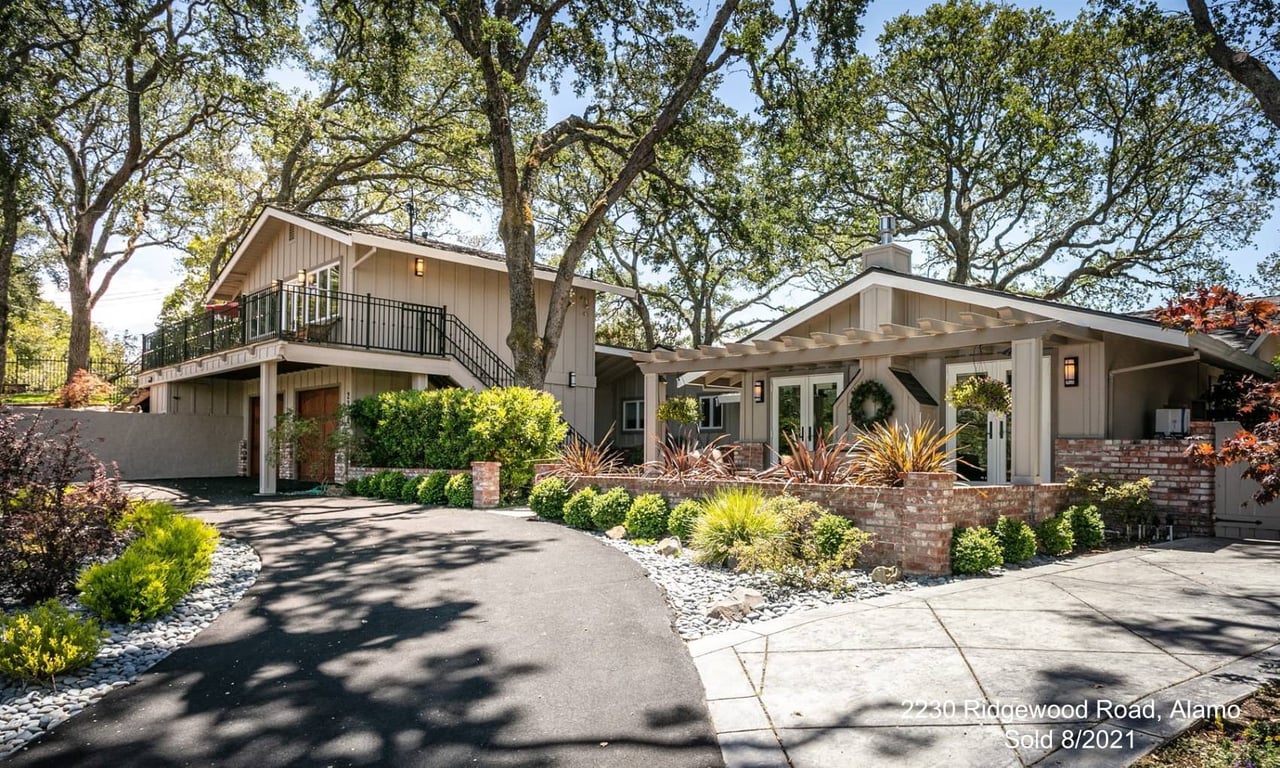
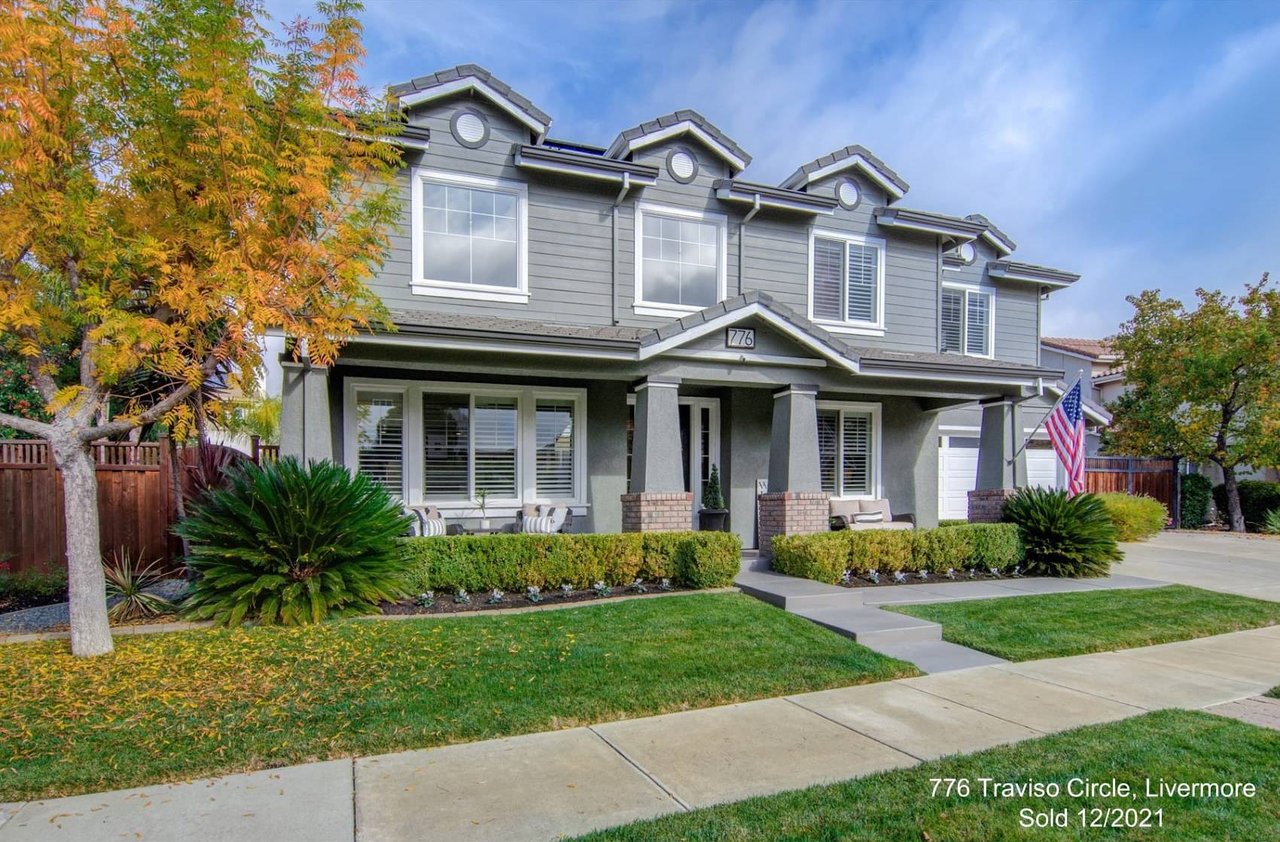
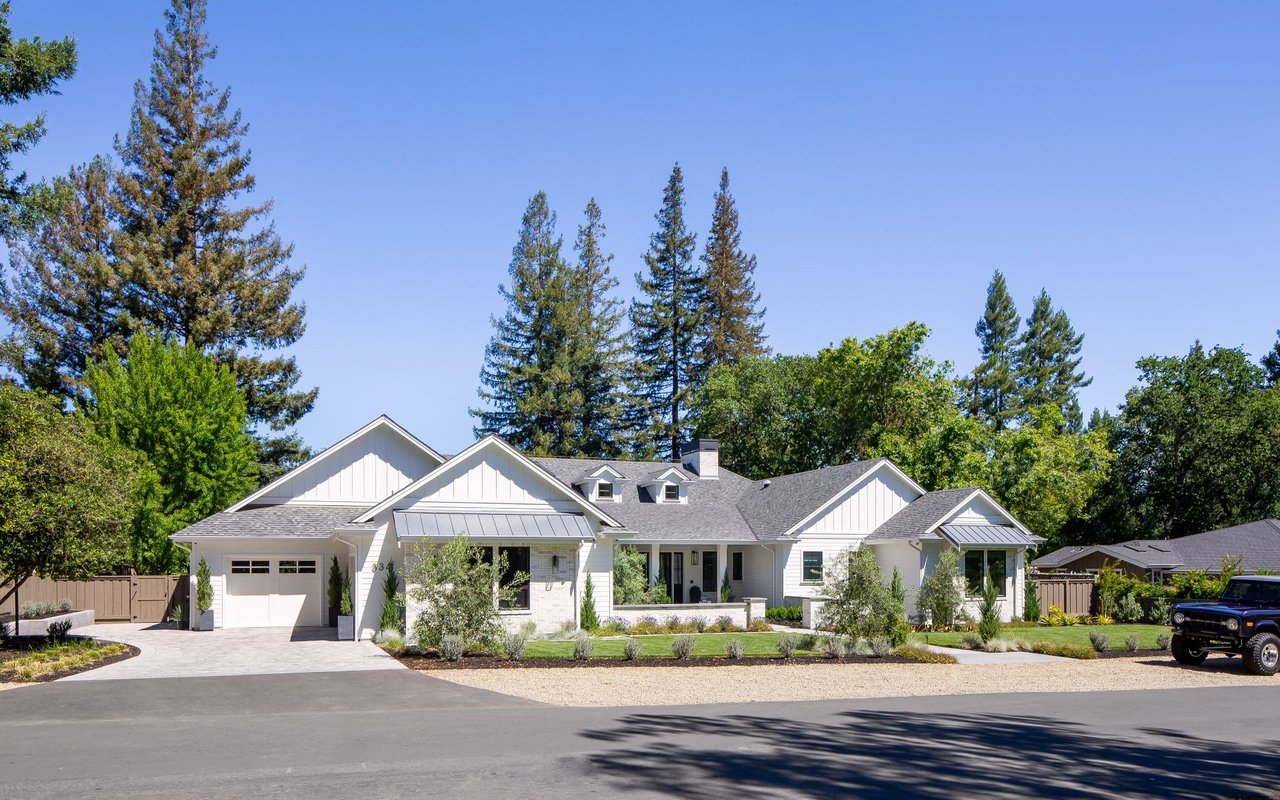
In San Ramon, Danville, and nearby communities, price points often push against these ceilings. Plan the structure of your offer with limits in mind.
What to expect if you stay conforming
When your loan amount is at or below the county limit for your unit count, you typically see:
- Broader lender competition and standardized guidelines.
- Conventional mortgage insurance options for lower down payments (varies by program).
- More predictable appraisal and documentation standards.
This can streamline approvals and sometimes improve pricing compared with jumbo options.
What to expect with jumbo financing
Lender programs differ, but jumbo loans commonly include:
- Credit score expectations in the higher range (often 720–760+ for best pricing).
- Larger down payments or lower loan-to-value ratios, especially for investment properties or higher balance tiers.
- Tighter debt‑to‑income limits (often 43% or lower depending on reserves and profile).
- Significant cash reserves after closing (commonly 6–12 months of total mortgage payments, varies by lender and loan size).
- More detailed asset and income documentation.
- No conventional PMI. Lenders typically price risk into the rate or require larger down payments.
- Rates that can be close to conforming in some markets for very strong borrowers, but that vary widely by lender appetite and profile.
Because jumbo guidelines are investor-specific, shopping multiple lenders can materially change your options.
How to check your loan category
- Define your target budget and down payment.
- Calculate the estimated loan amount (price × [1 − down %]).
- Look up the current FHFA county limit for your property’s county and unit count.
- Compare your estimated loan to the published limit. At or below the limit is conforming. Anything above it is jumbo.
- Confirm with at least one lender before you write an offer.
Tip: If your estimate is close to the ceiling, plan a cushion. Even small appraisal or price changes can nudge you into jumbo territory.
Strategies to stay conforming
- Increase the down payment to reduce the loan below the ceiling.
- Consider a second mortgage structure (for example, an 80/10/10 piggyback). Availability and terms vary and can add complexity.
- Explore a conforming first plus a HELOC or second if timing and seller preferences allow.
These approaches can preserve conforming pricing while keeping the overall budget in range.
Smart moves if jumbo is the right fit
- Shop multiple jumbo lenders, including community banks, credit unions, and portfolio lenders. Programs and pricing differ.
- Prepare early. Organized bank statements, tax returns, and proof of reserves often broaden your choices.
- Consider adjustable-rate or interest-only structures if offered. Understand the risks, and match the product to your time horizon.
Other financing paths to weigh
- VA loans and FHA loans have their own county frameworks and rules. In high-price areas, VA can be attractive for eligible borrowers with full entitlement. FHA county limits are often lower than conforming in high-cost markets, so confirm before you rely on them.
- Portfolio lending can offer flexibility for certain profiles. Terms are lender-specific.
- If timing allows, consider delaying to build a larger down payment or targeting a lower price point within your preferred area.
Next steps for San Ramon and East Bay buyers
- Clarify your target price range and down payment.
- Ask your lender to run scenarios at different price points and down payments.
- Verify the current FHFA county limit for your property type and keep a copy in your file.
- Coordinate with your agent to align offer strategy, appraisal timing, and financing structure so you stay inside your desired loan category.
When you want a confident, low‑stress path to a higher‑end East Bay purchase, local expertise makes a difference. For neighborhood‑level guidance, curated inventory, and a strategic offer plan, connect with Brad Gothberg.
FAQs
What is the difference between conforming and jumbo loans in Contra Costa?
- Conforming loans meet Fannie Mae and Freddie Mac rules and stay at or below the FHFA county limit for your unit count. Jumbo loans exceed that limit and follow lender-specific guidelines that often require stronger credit, larger down payments, and more reserves.
How do 2024 loan limits affect my East Bay purchase power?
- A higher county ceiling increases the maximum price you can buy with conforming financing. For example, with a 2024 high‑cost ceiling of $1,149,825, a 20% down buyer can target roughly $1.44 million and stay conforming, while a higher loan need becomes jumbo.
Do limits change for 2–4 unit properties in Contra Costa and Alameda?
- Yes. FHFA publishes separate limits for 1–4 unit properties. Always confirm the current year’s figure for your county and unit count before you write an offer.
Are jumbo mortgage rates always higher than conforming rates?
- Not always. In some markets, well‑qualified jumbo borrowers see rates close to conforming. Pricing depends on your profile and lender appetite, so it pays to compare offers.
Can I avoid jumbo by using a second mortgage or HELOC?
- Sometimes. Piggyback structures can keep the first mortgage within conforming limits, but availability and terms vary, and you add a second payment. Review costs and complexity with your lender before deciding.
What should I do if my loan amount is right at the limit?
- Build in cushion. Consider slightly increasing your down payment or lowering the offer price so small changes in appraisal or fees do not push you into jumbo unexpectedly. Confirm details with your lender prior to submitting offers.