Looking for a quiet East Bay address with room to breathe? If you want privacy, space, and a relaxed pace without losing access to top amenities, Alamo deserves a close look. In this guide, you’ll get a clear picture of daily life, the types of homes you’ll find, commute realities, and smart steps whether you plan to buy or sell. Let’s dive in.
Why Alamo stands out
Setting and character
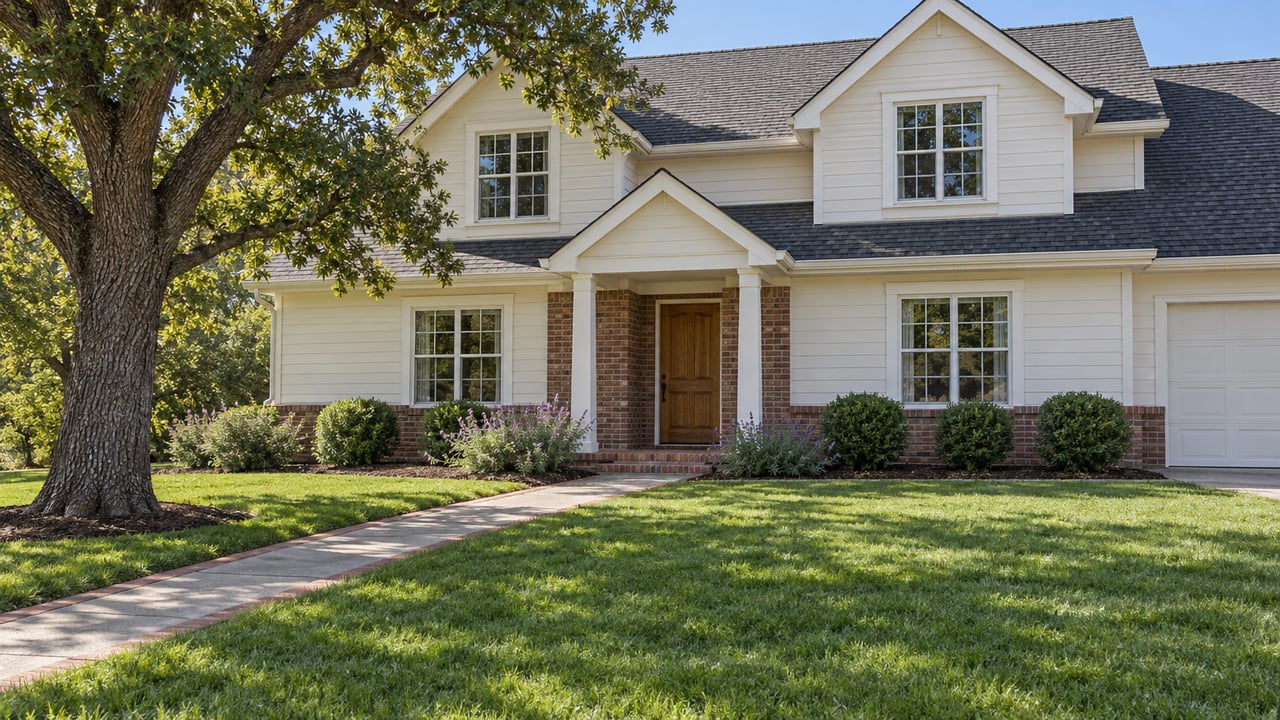
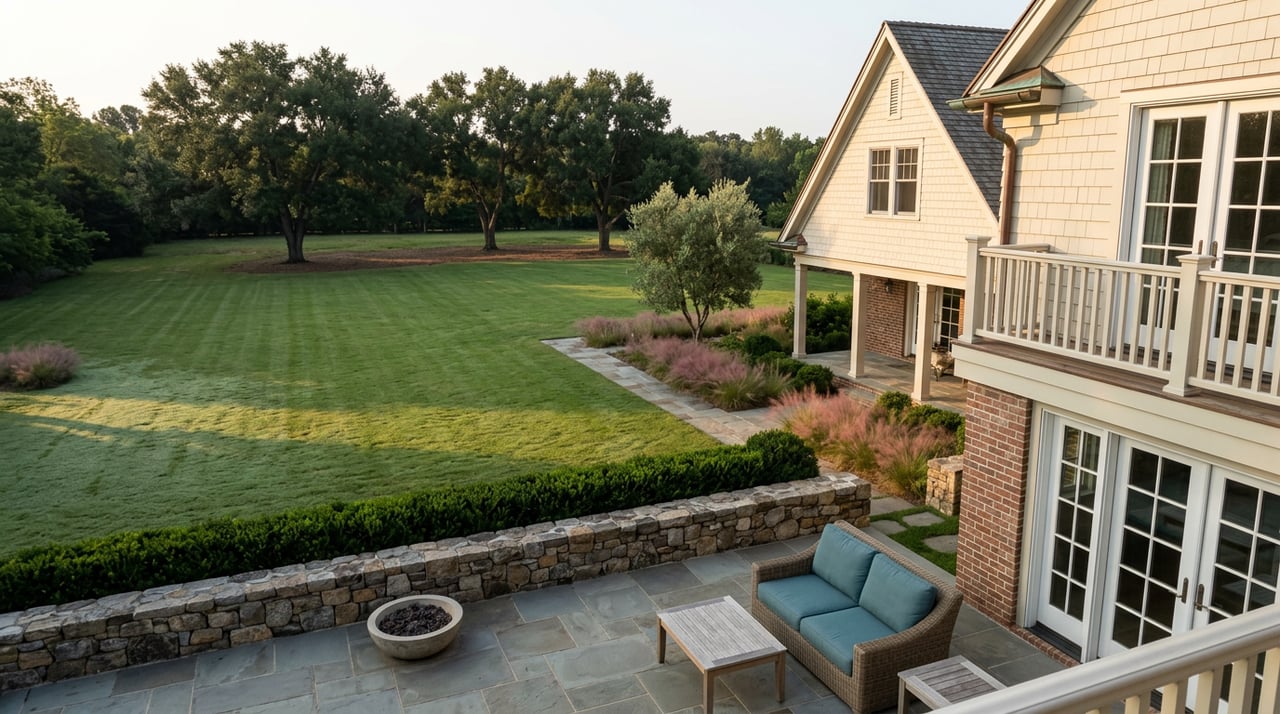
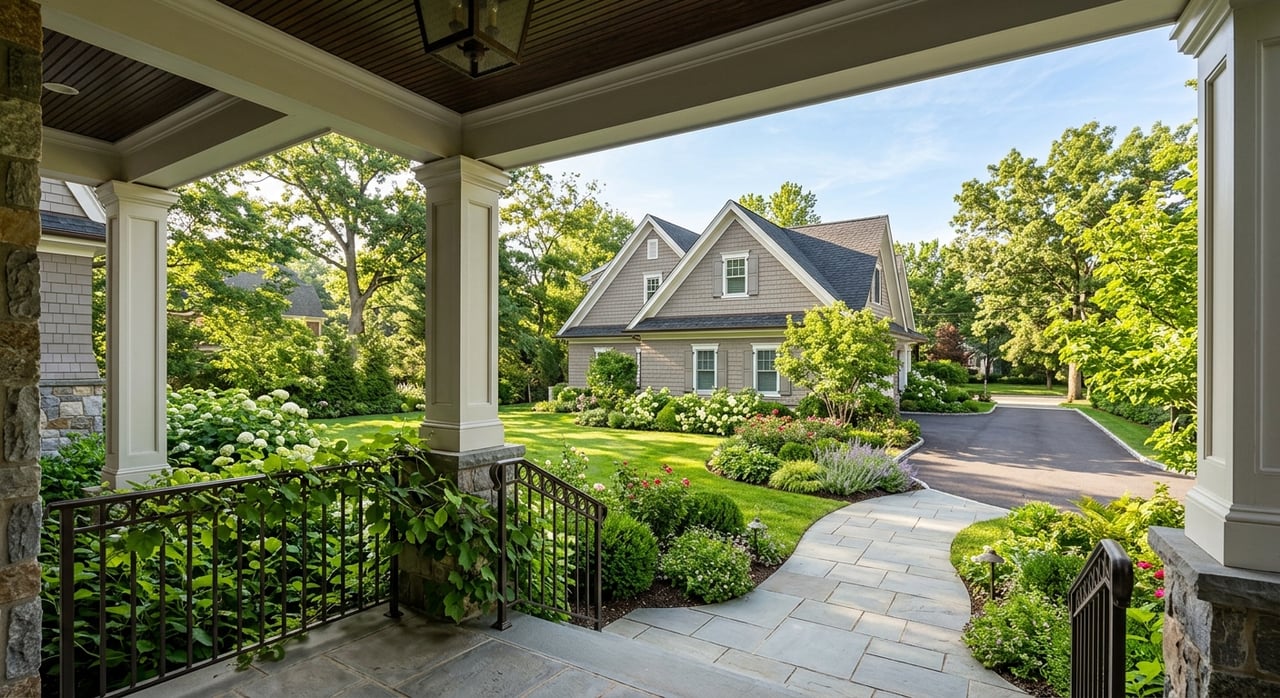
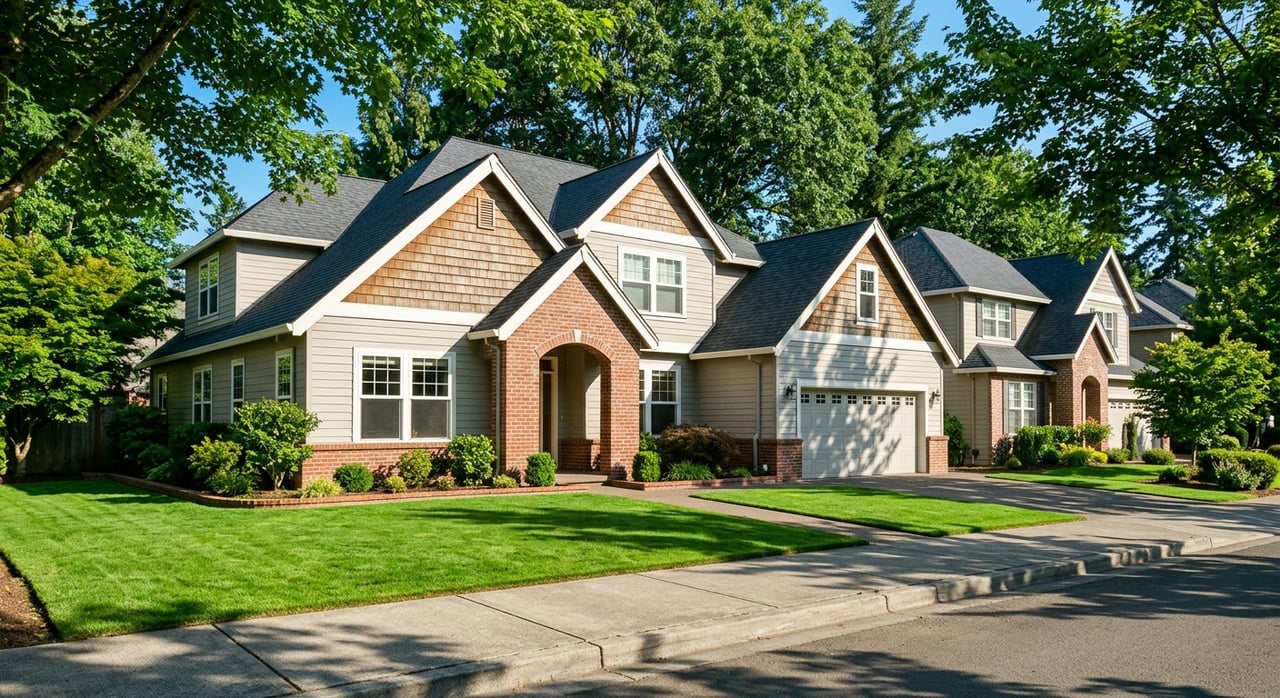
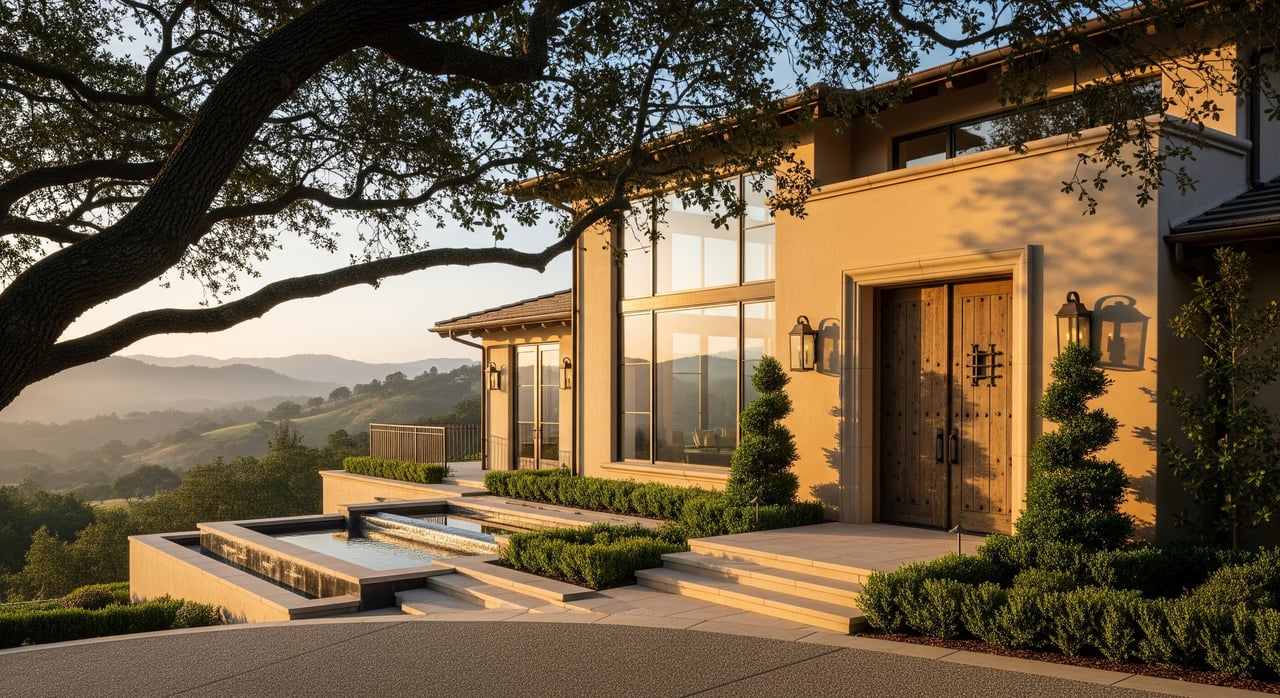
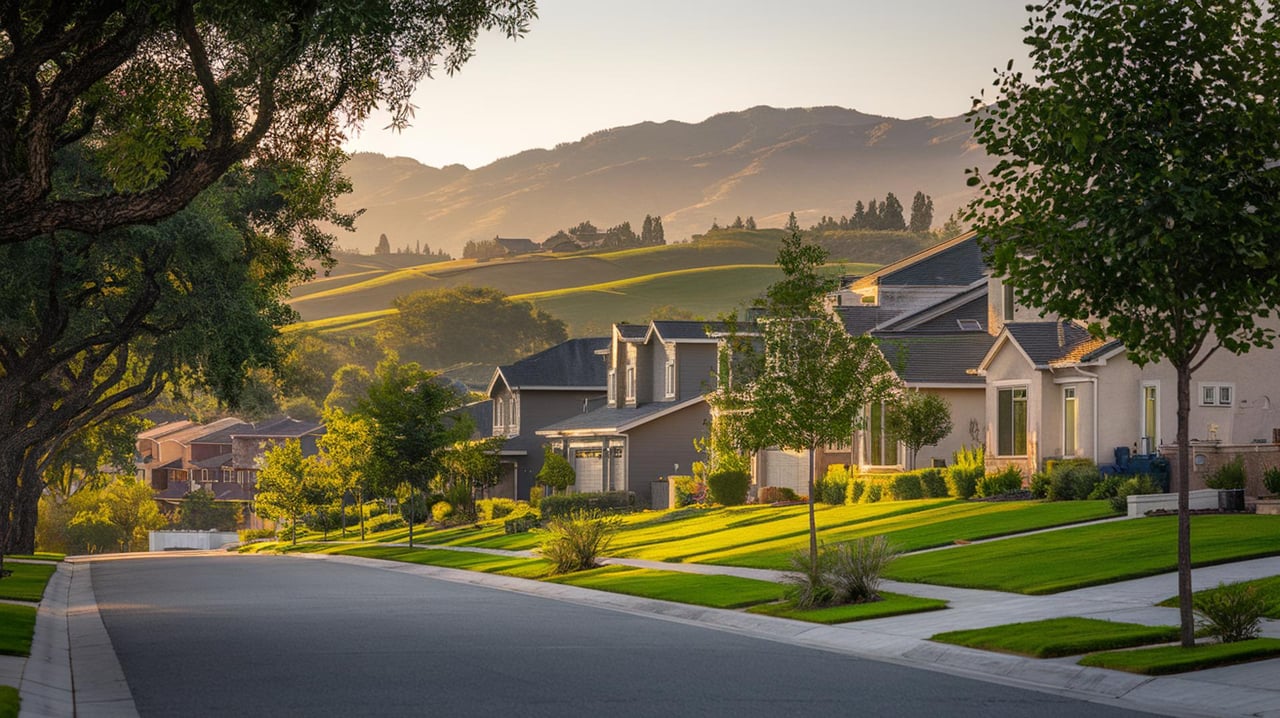
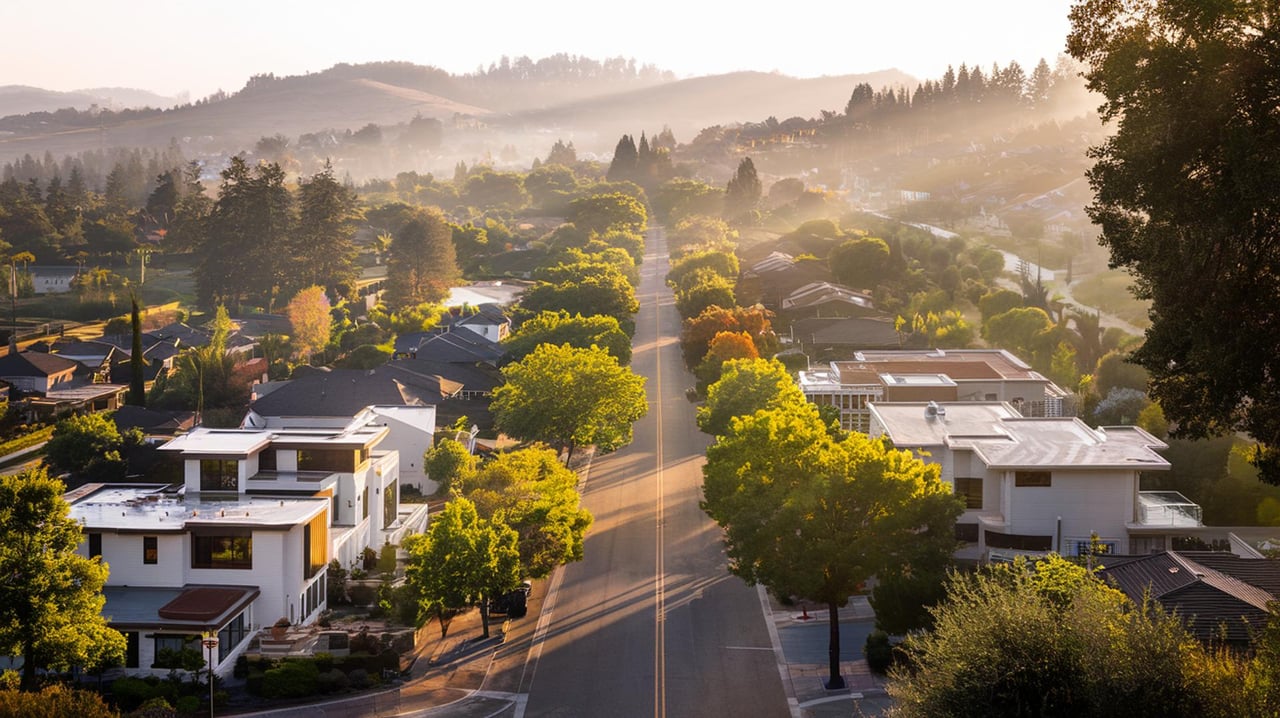
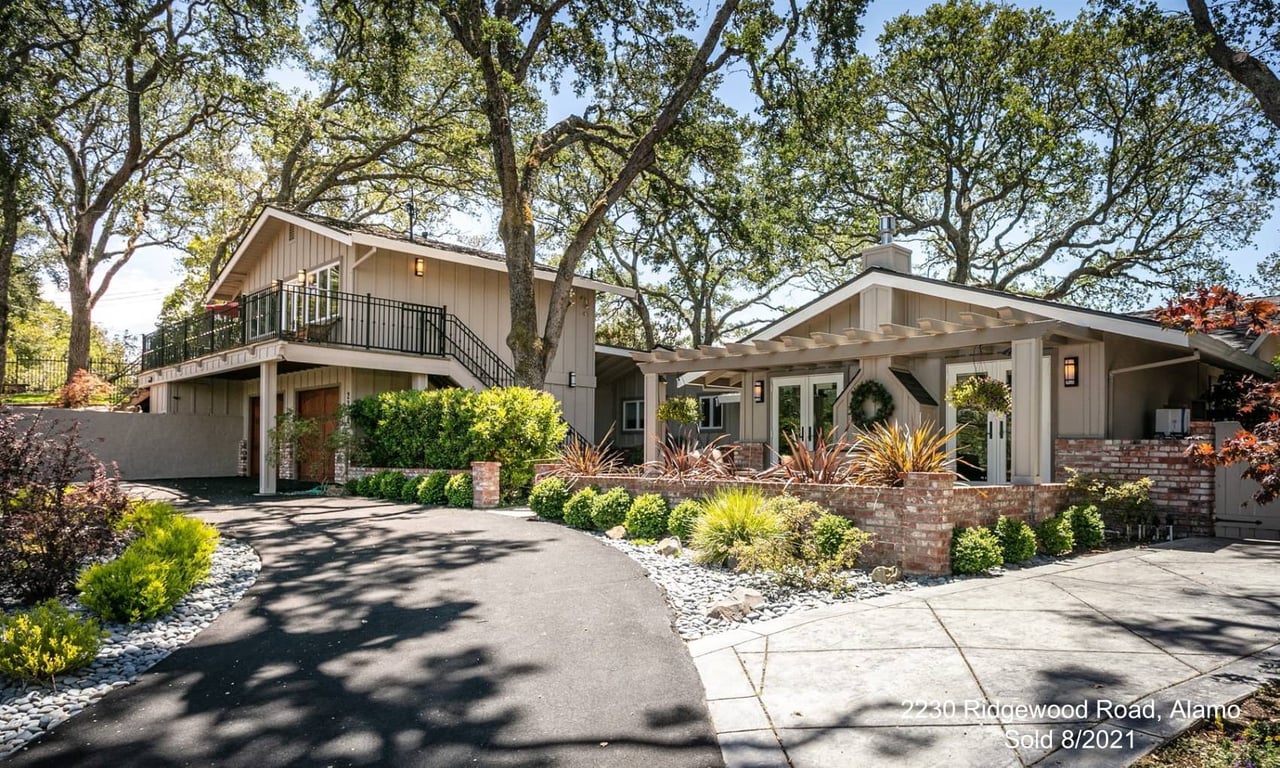
Alamo sits in central Contra Costa County as an unincorporated community, framed by rolling hills and open space. It feels semi‑rural in places, with estate‑scale lots and tree‑lined streets. You’ll notice a calm suburban rhythm, low‑density neighborhoods, and easy access to hiking and views. Local services come through Contra Costa County, and the community is primarily residential with small commercial centers.
Who chooses Alamo
You’ll meet move‑up buyers and established professionals who value space and privacy. Many residents work locally or in hybrid roles, while some commute to Oakland, San Francisco, or Silicon Valley. Downsizers also seek single‑level luxury living and a quieter setting. The common thread is a focus on comfort, outdoor living, and a refined but low‑key lifestyle.
Homes and neighborhoods
What you’ll find
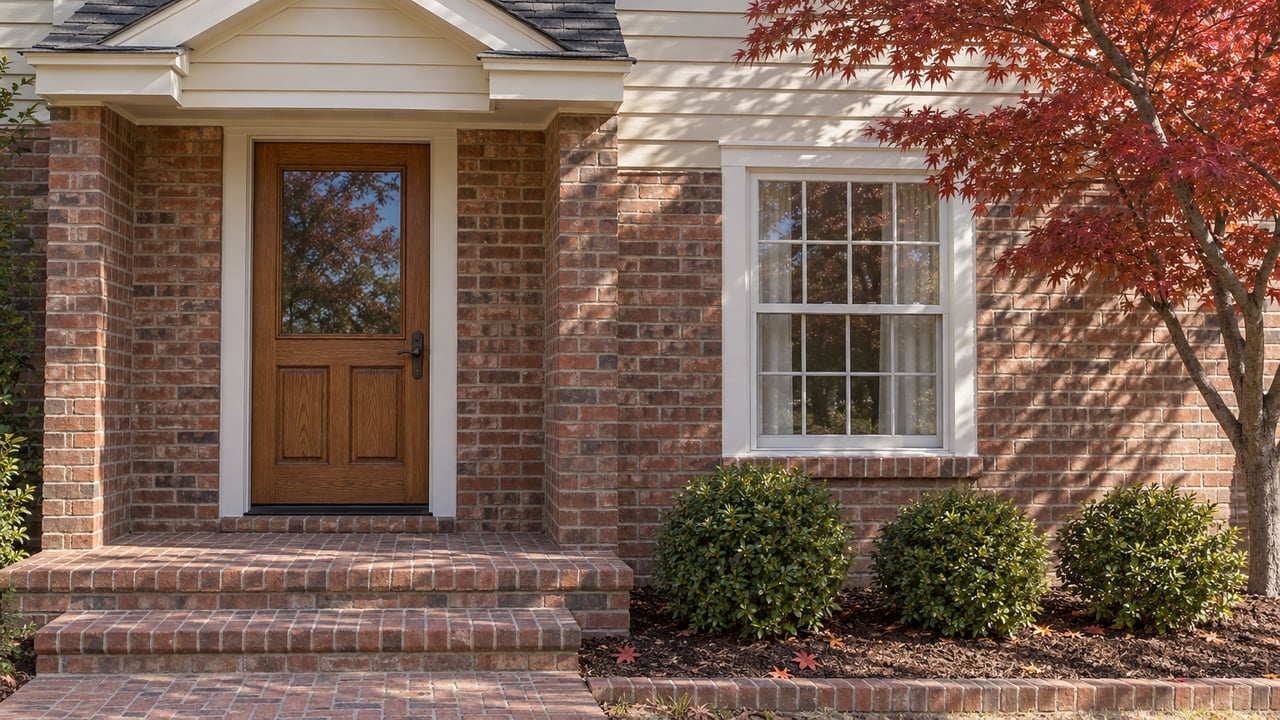
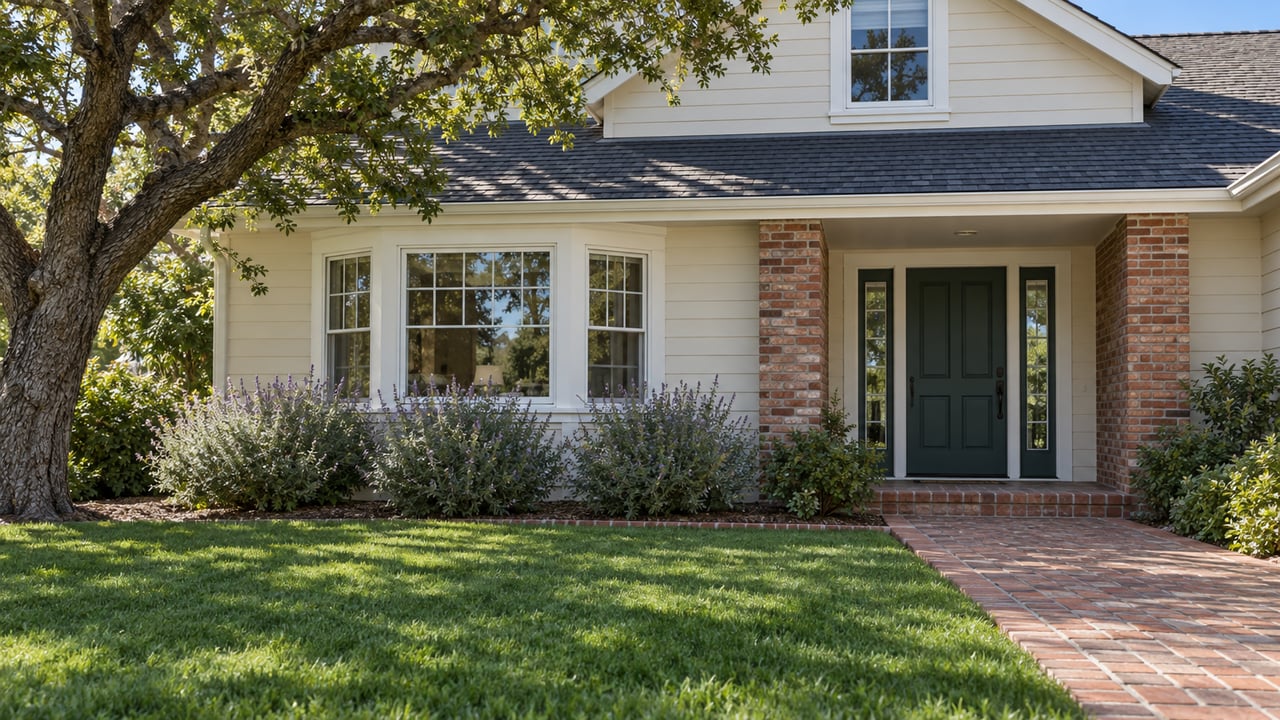
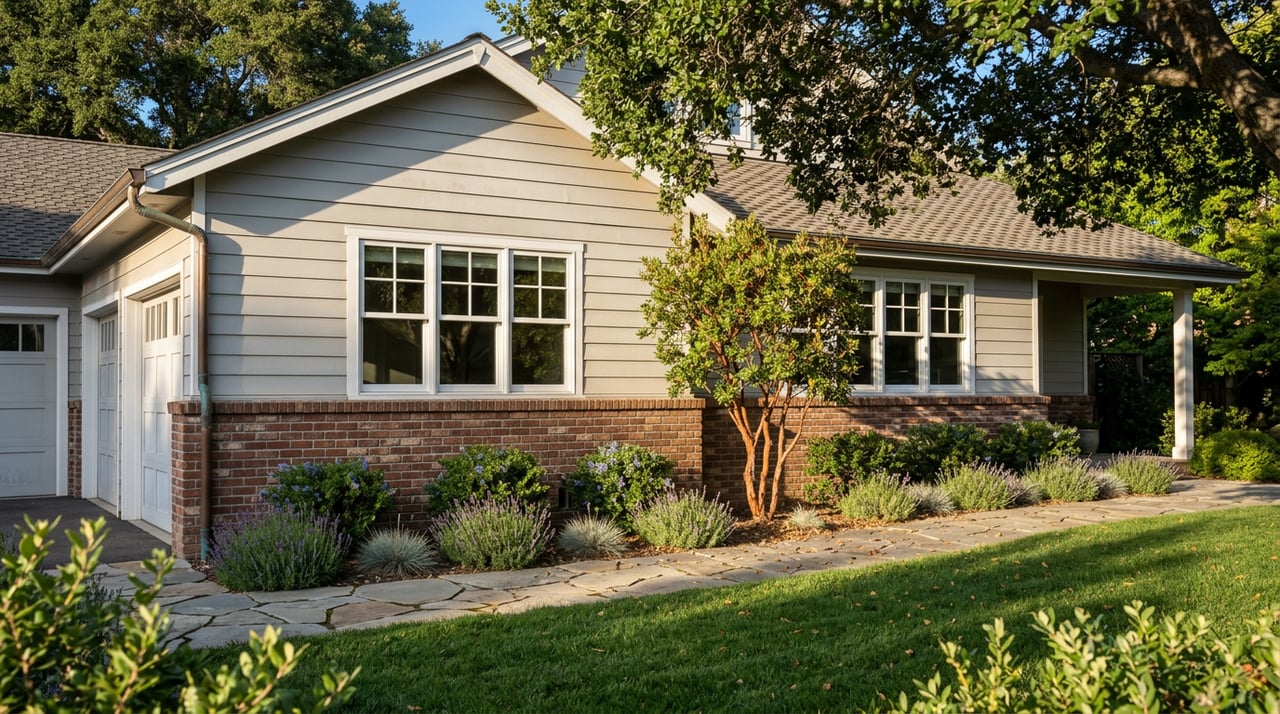
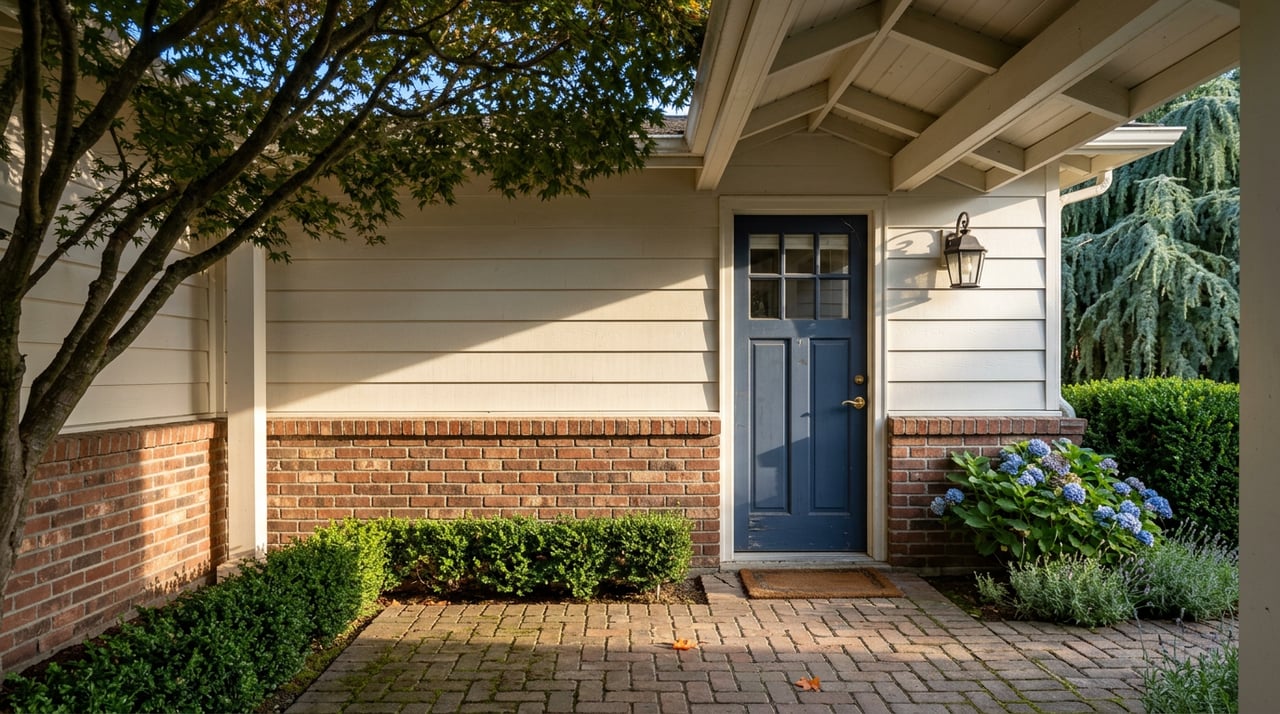
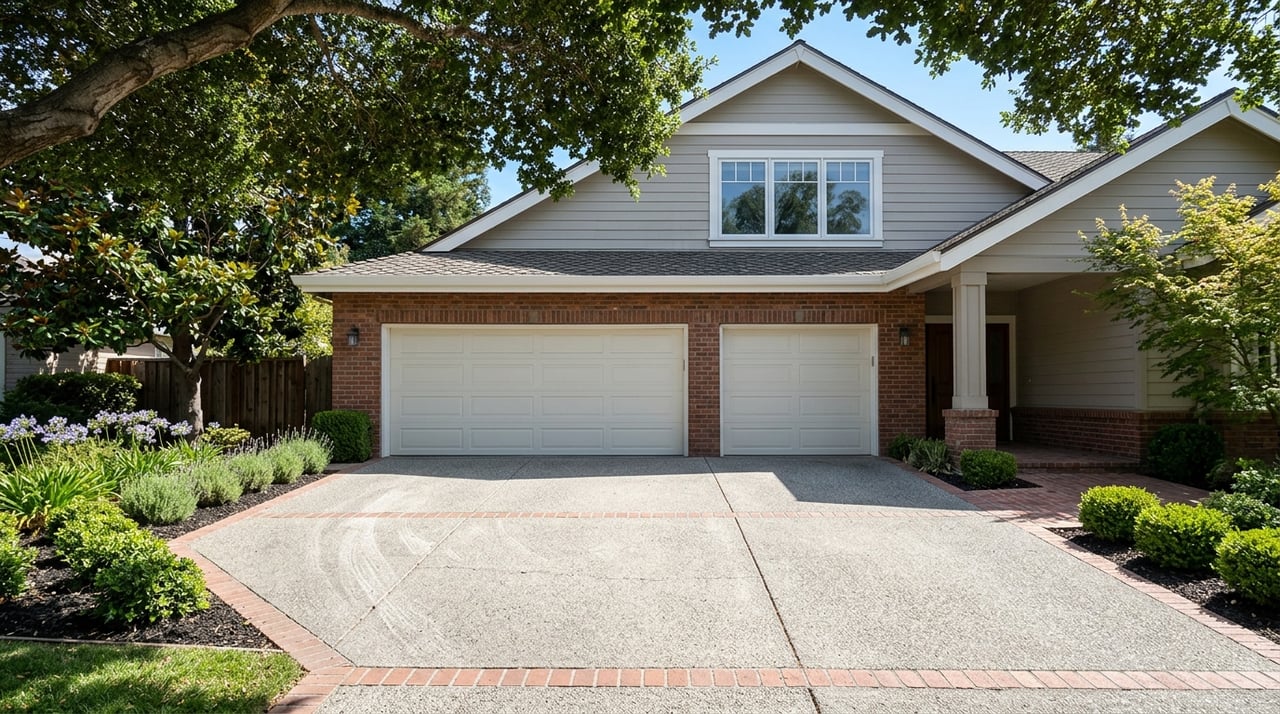
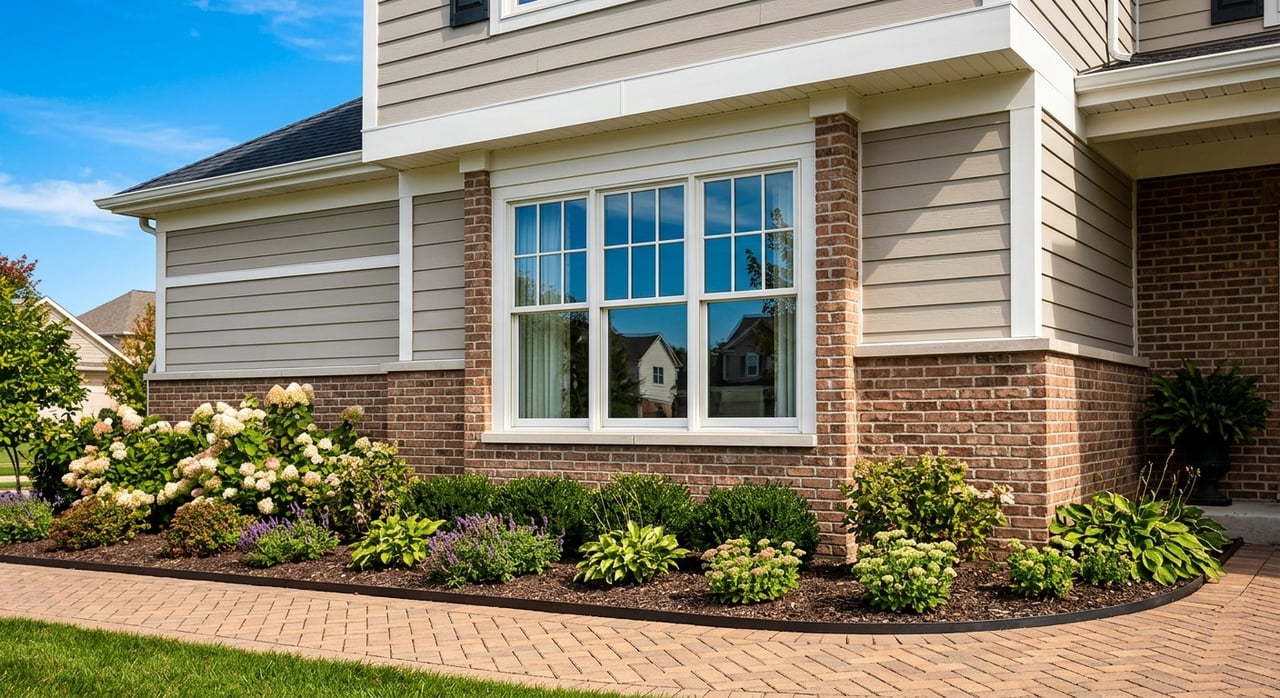
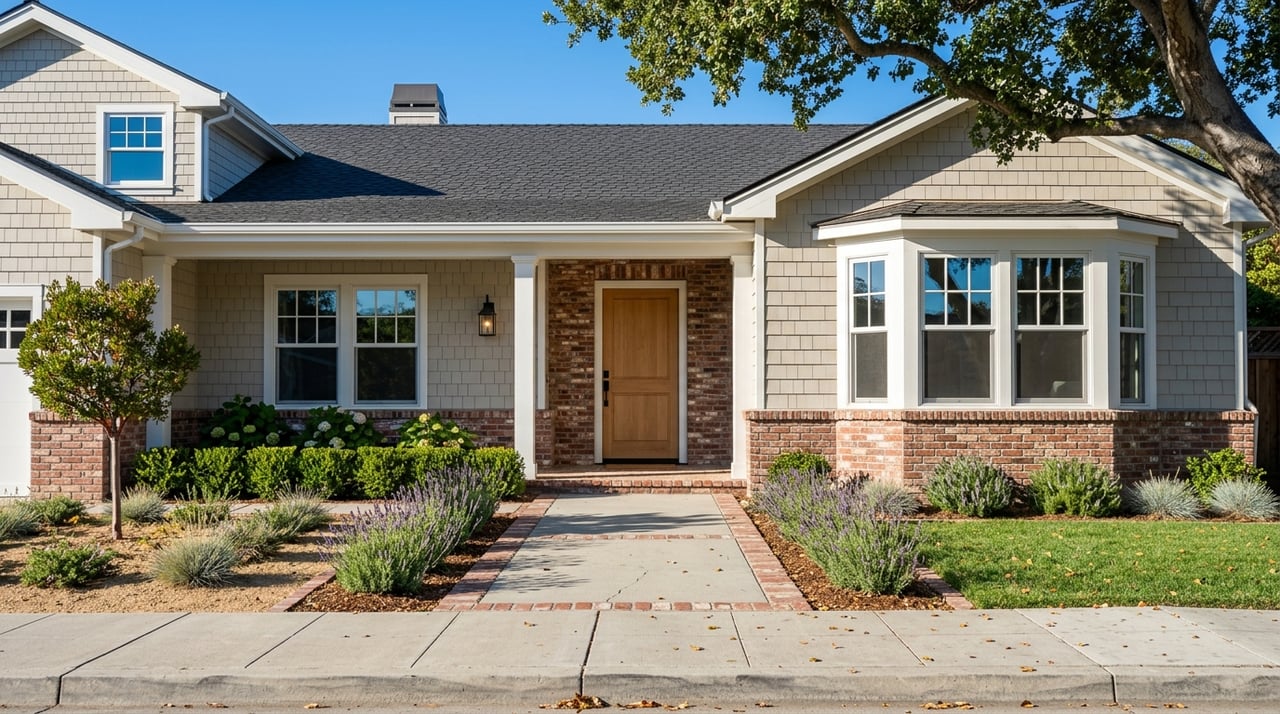
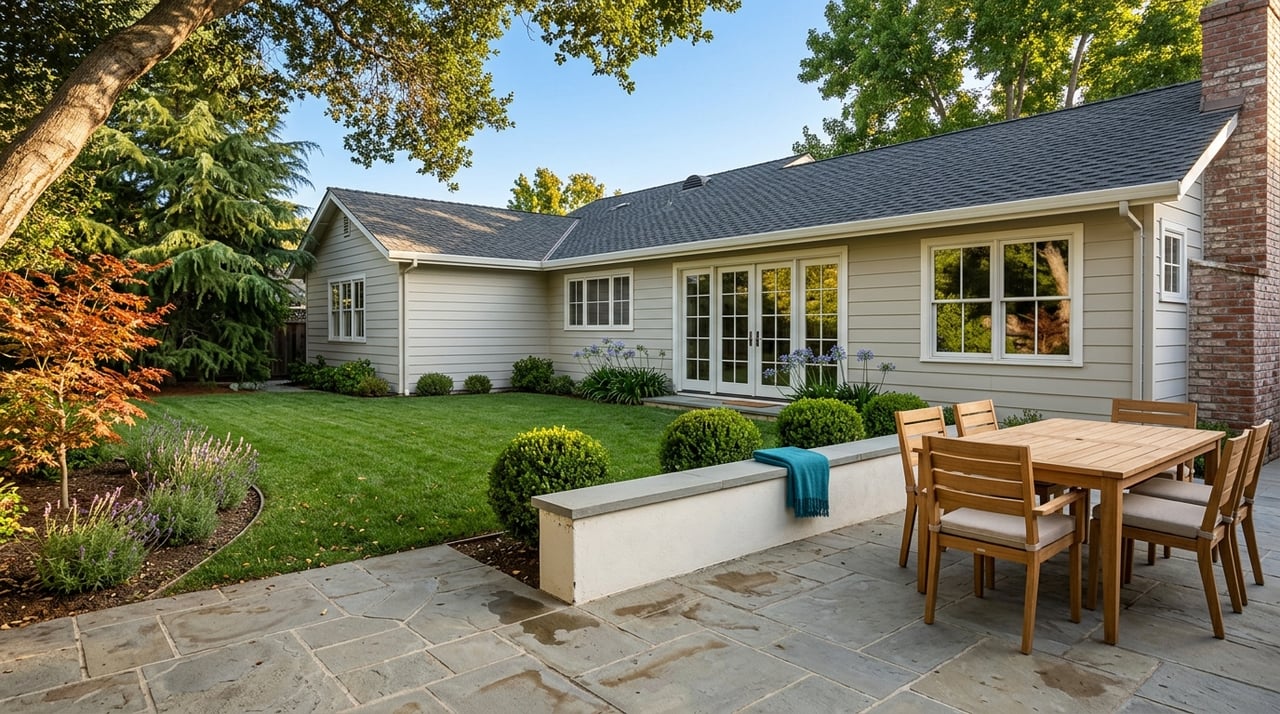
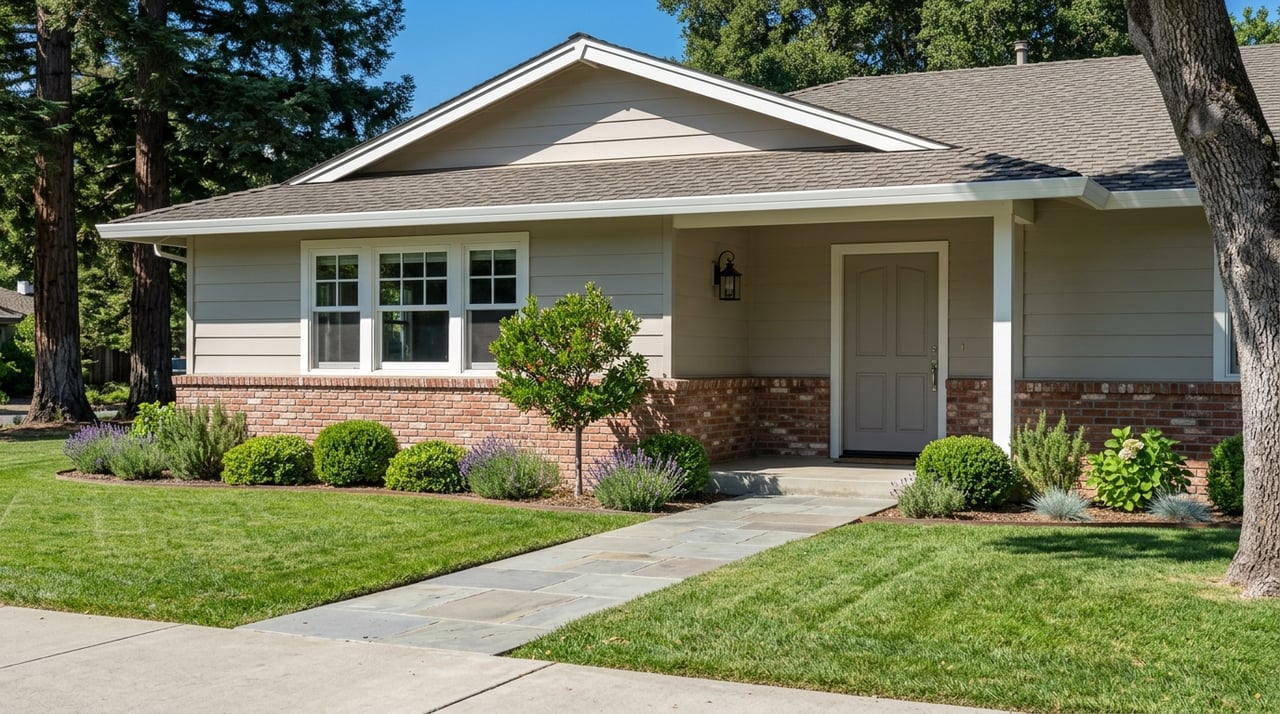
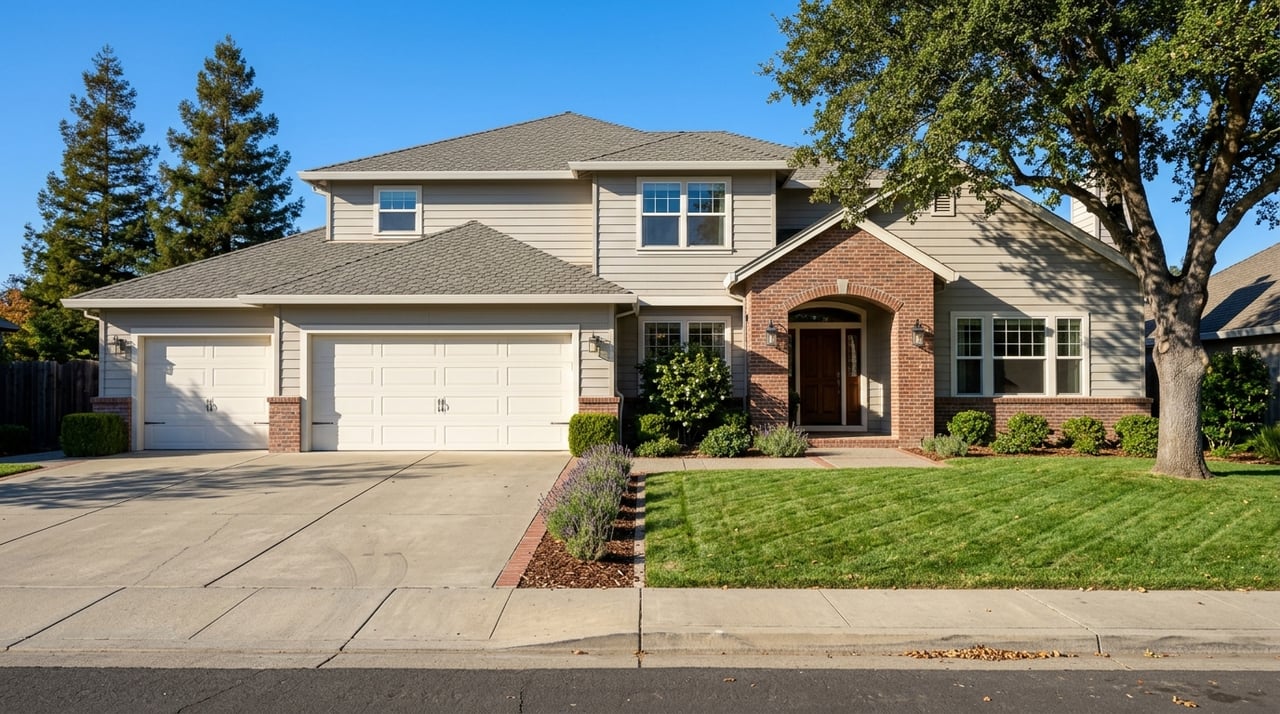
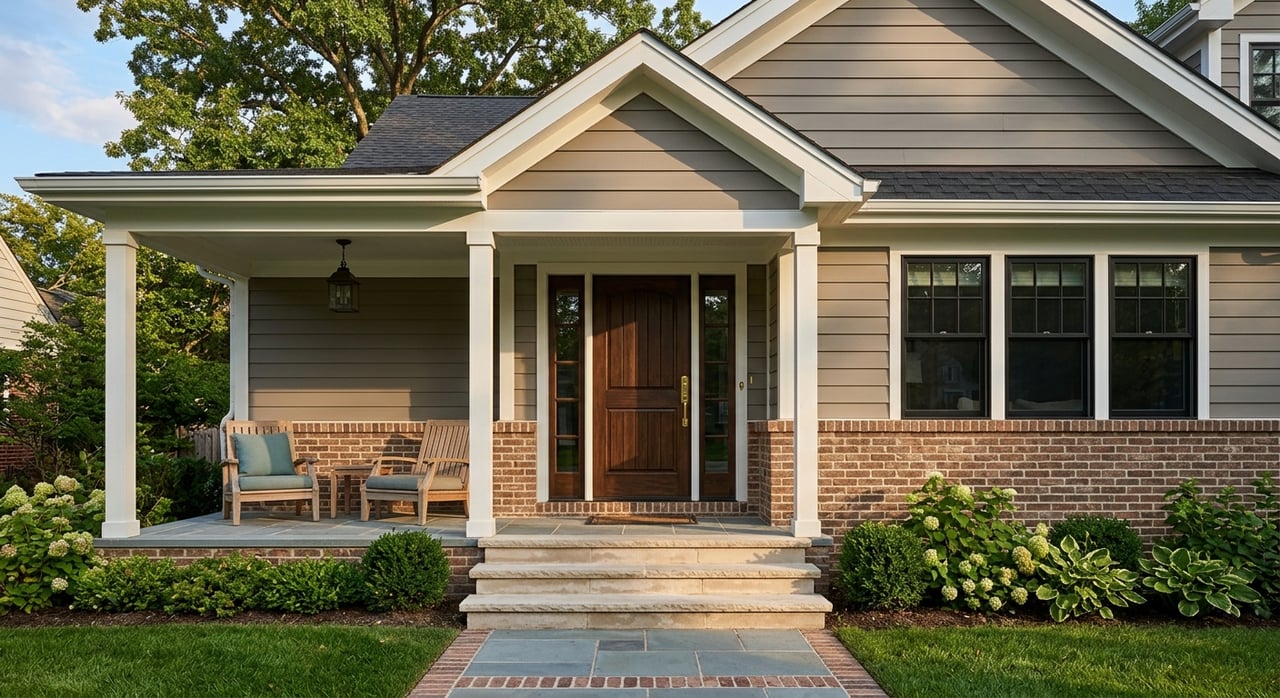
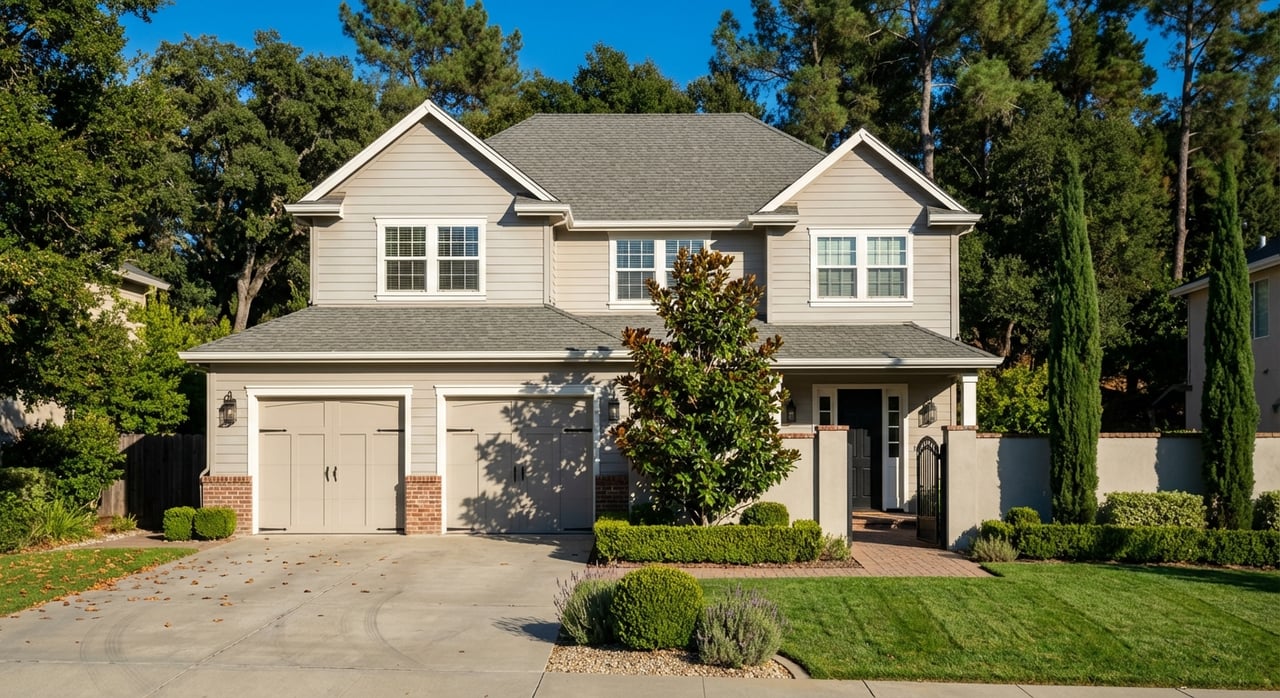
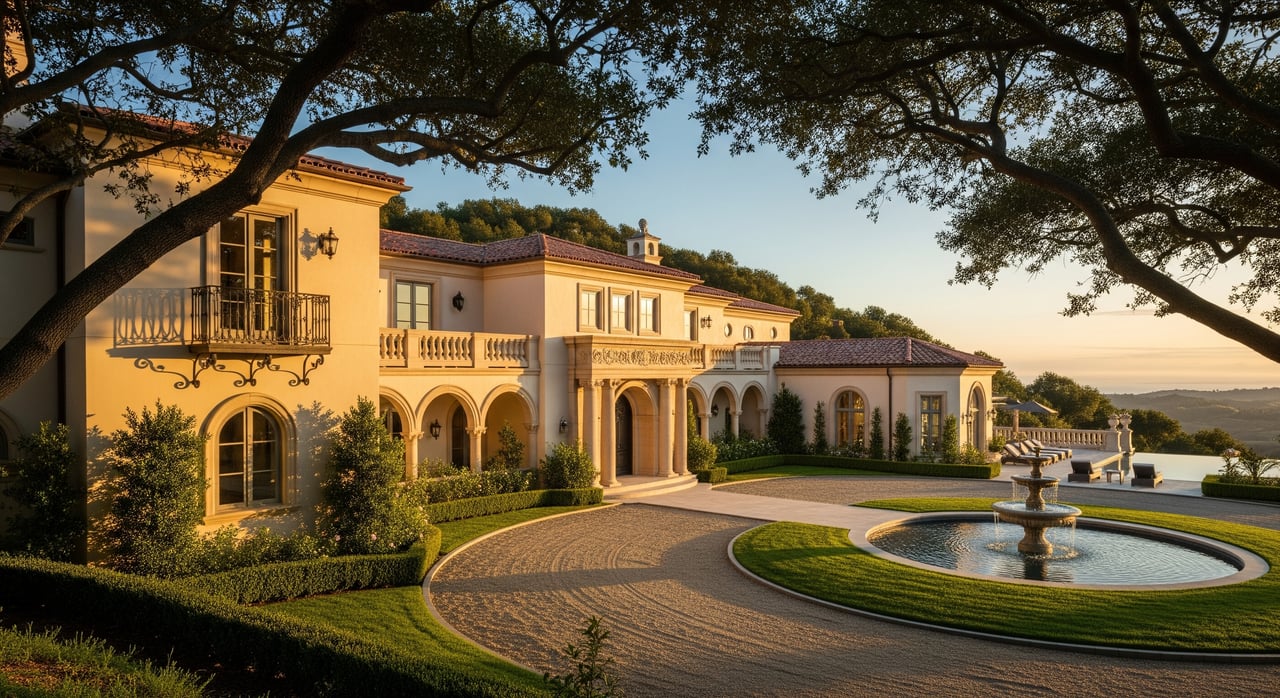
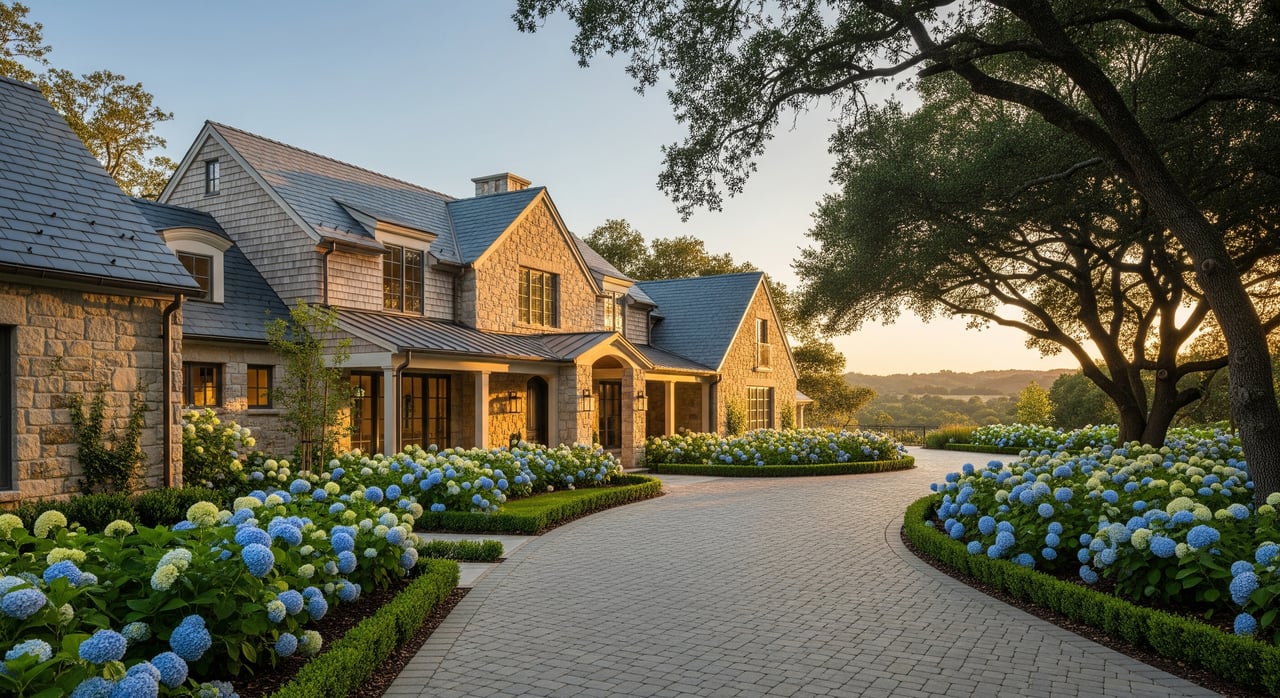
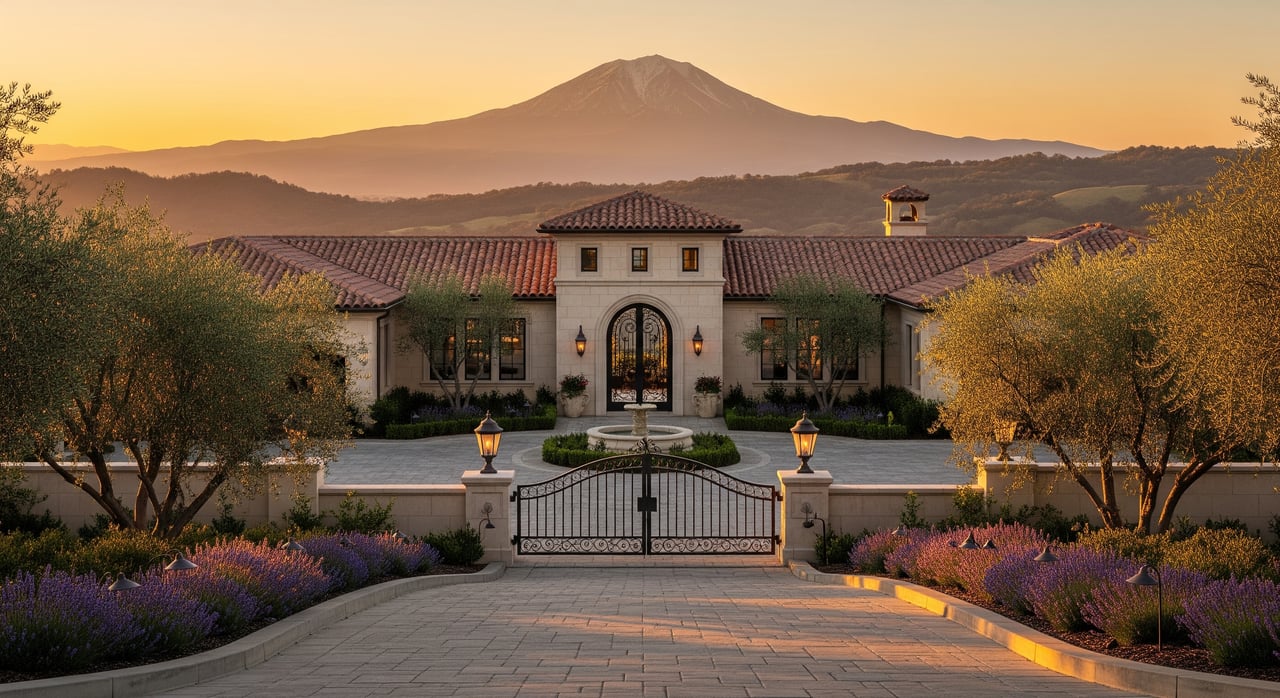
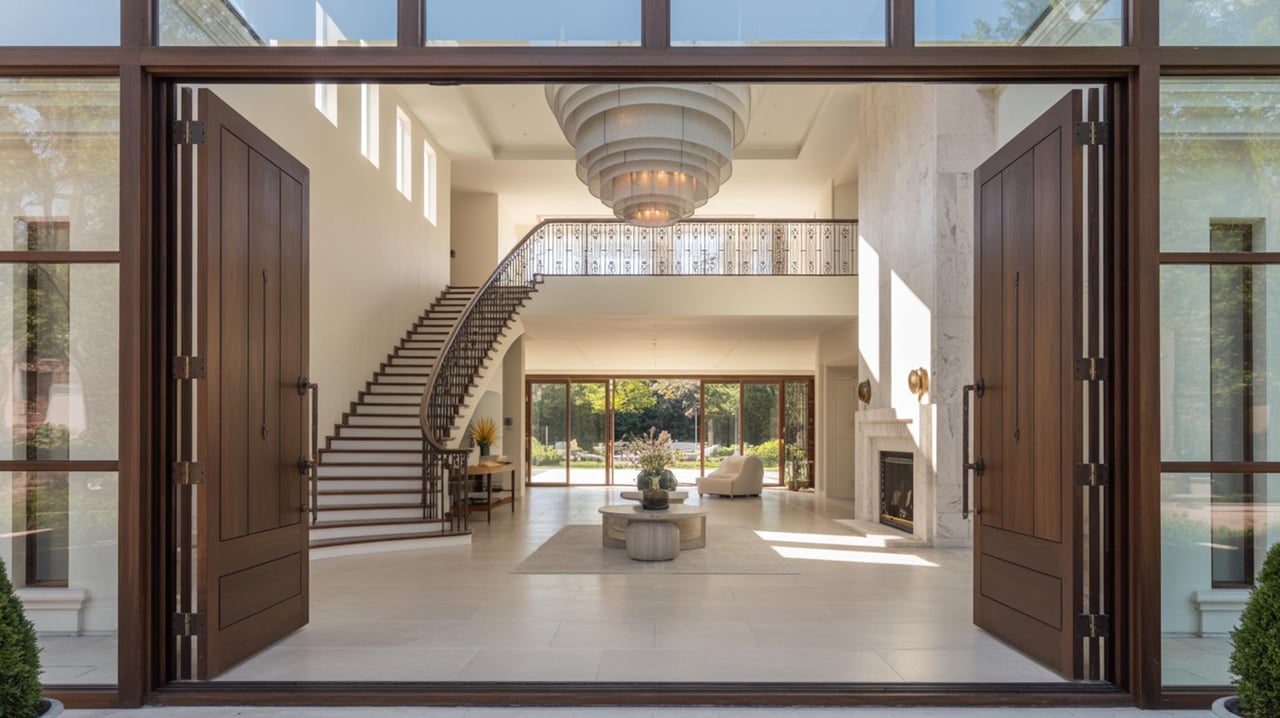
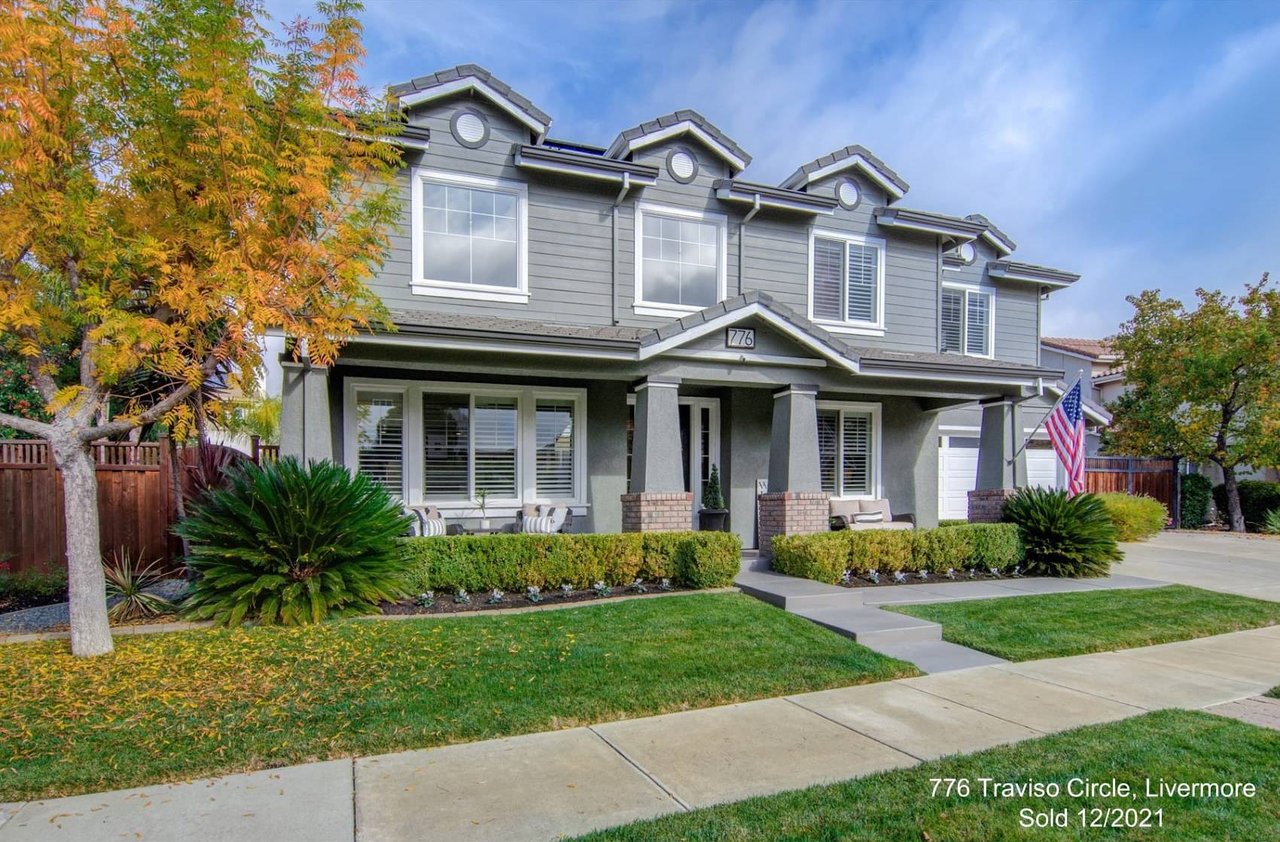
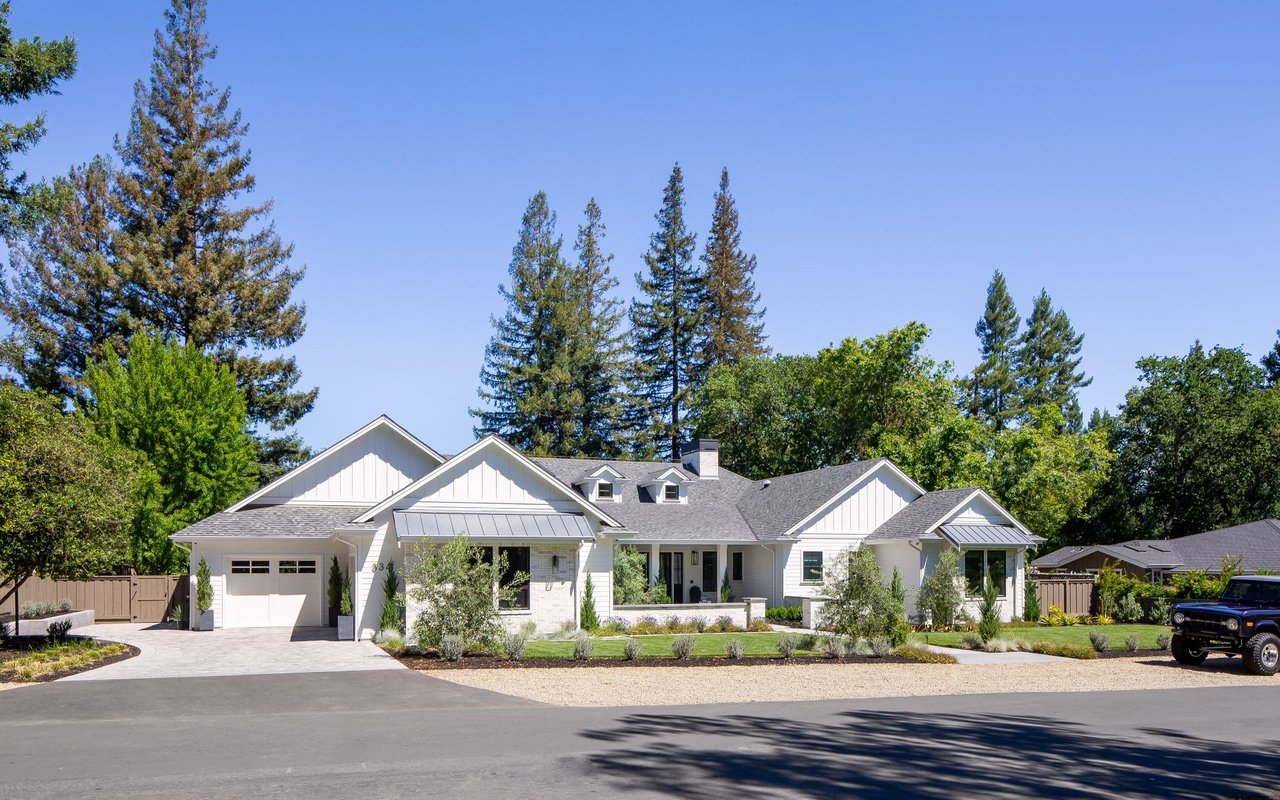
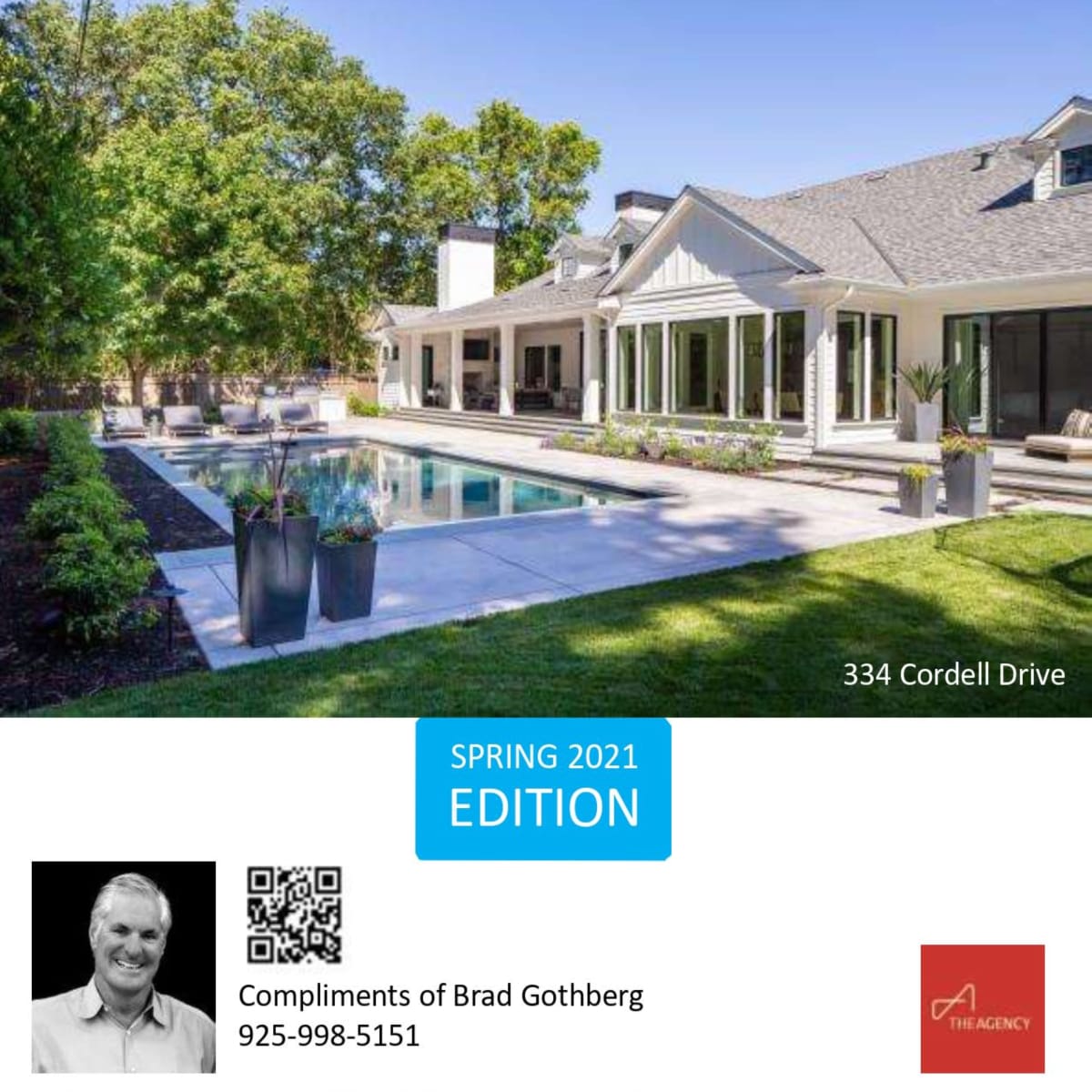
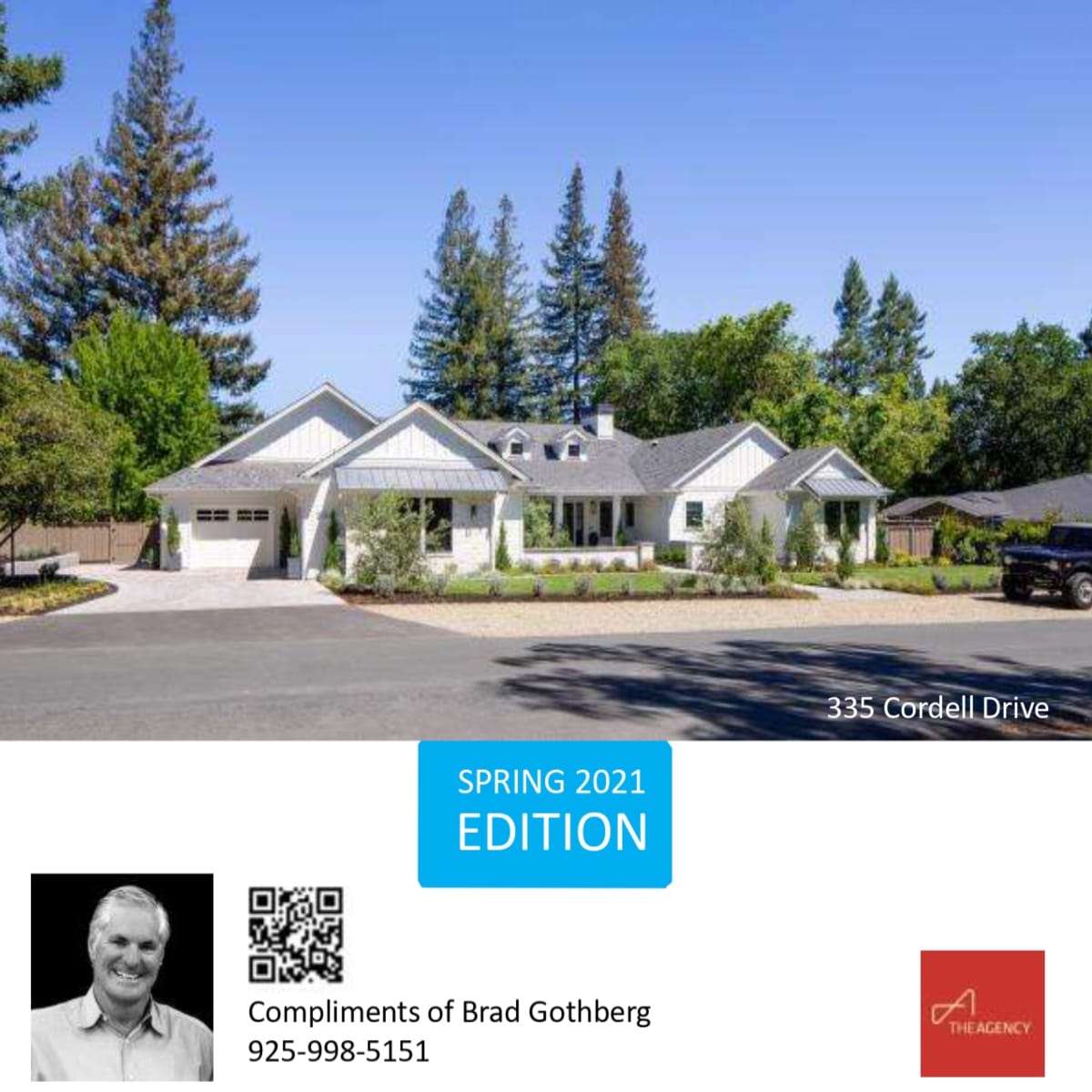
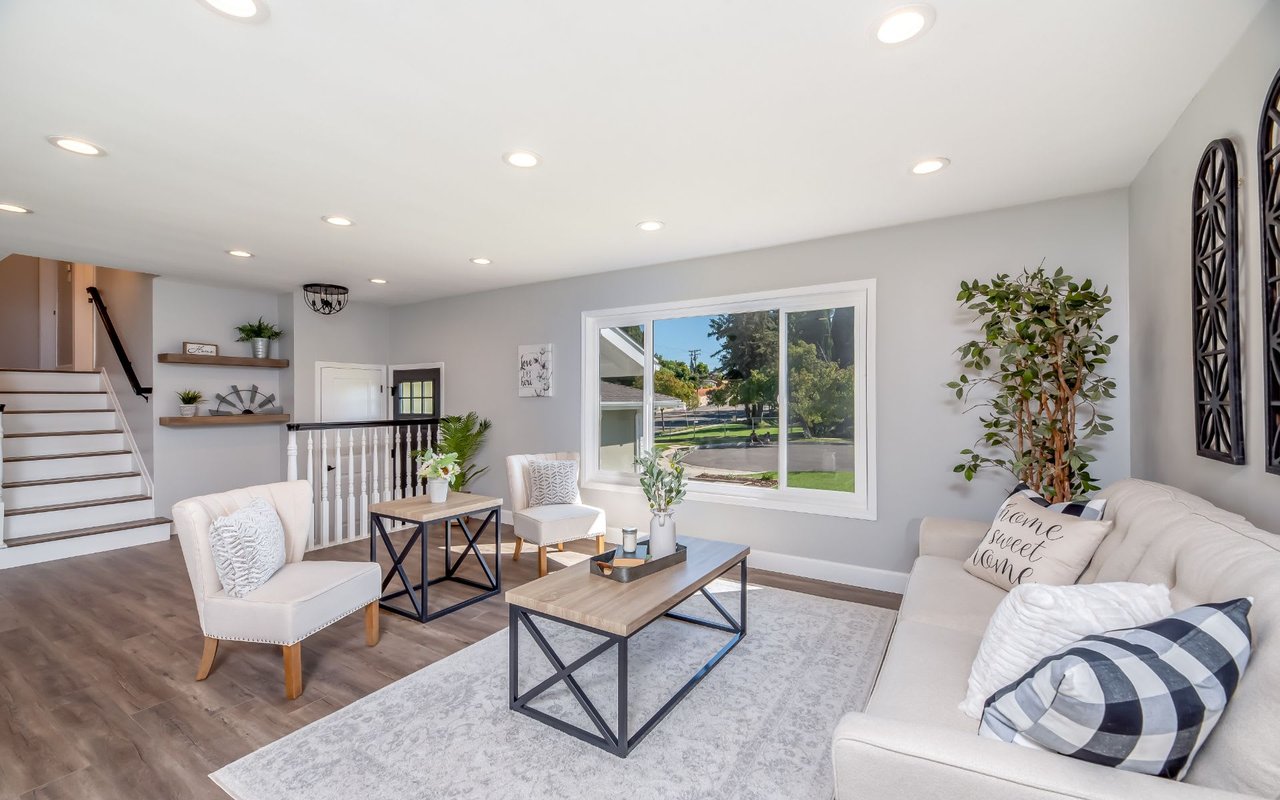
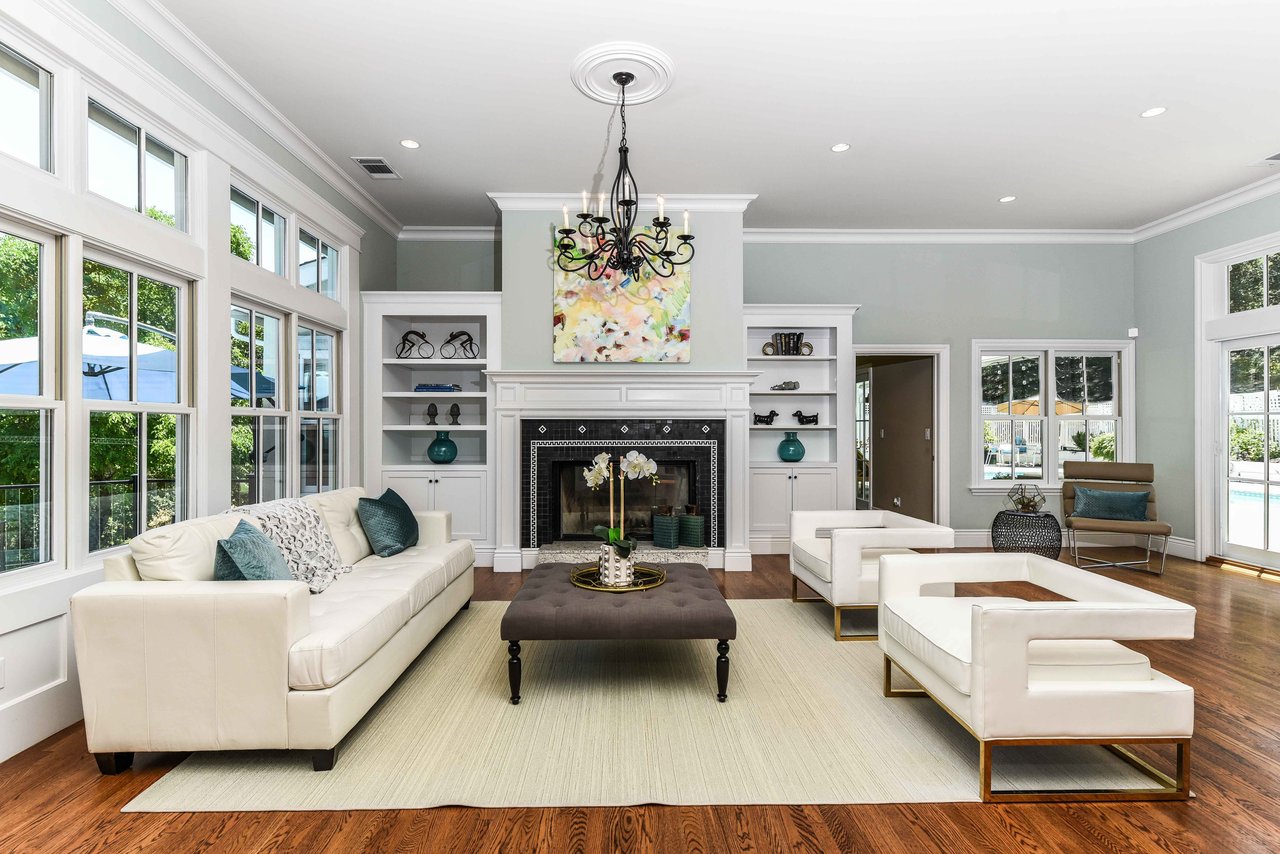
Most homes are single‑family properties, including custom builds and renovated classics. Expect larger lots, often ranging from half an acre to several acres. You’ll see gated enclaves, occasional equestrian properties, and pockets with a park‑edge feel. Multifamily options are limited, which helps maintain the area’s low‑density character.
Features buyers love
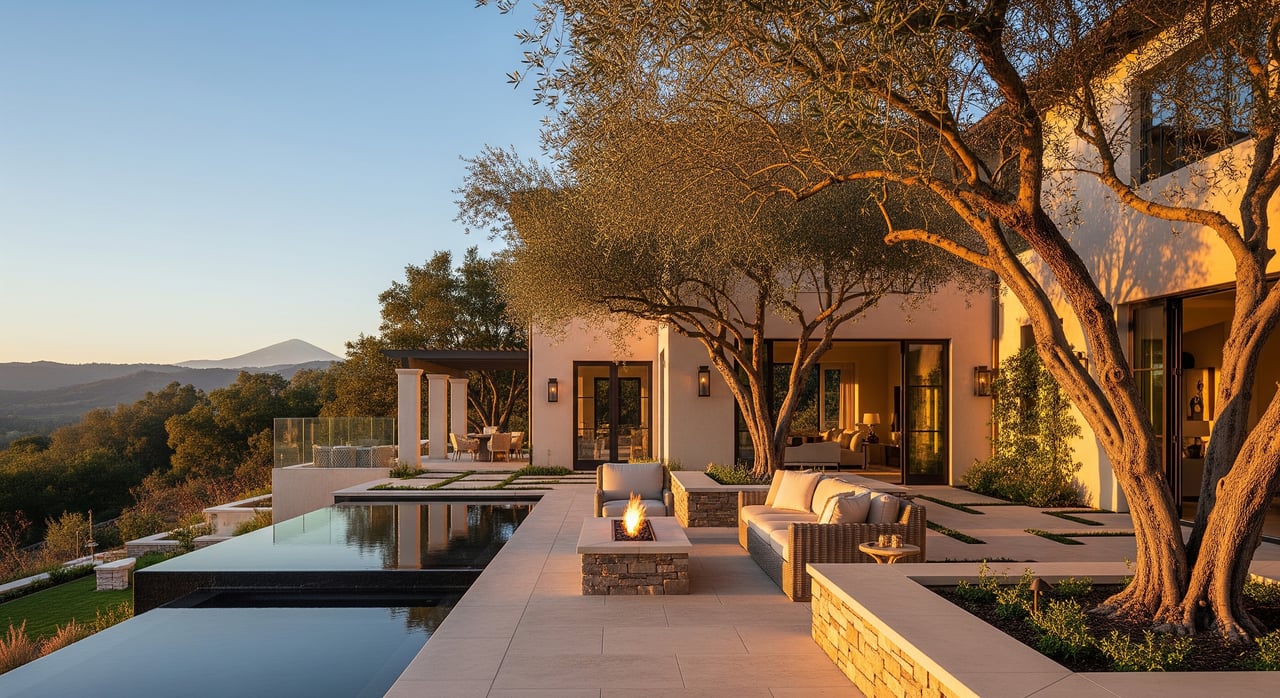
Buyers in Alamo often prioritize outdoor amenities and privacy. Common wish‑list items include:
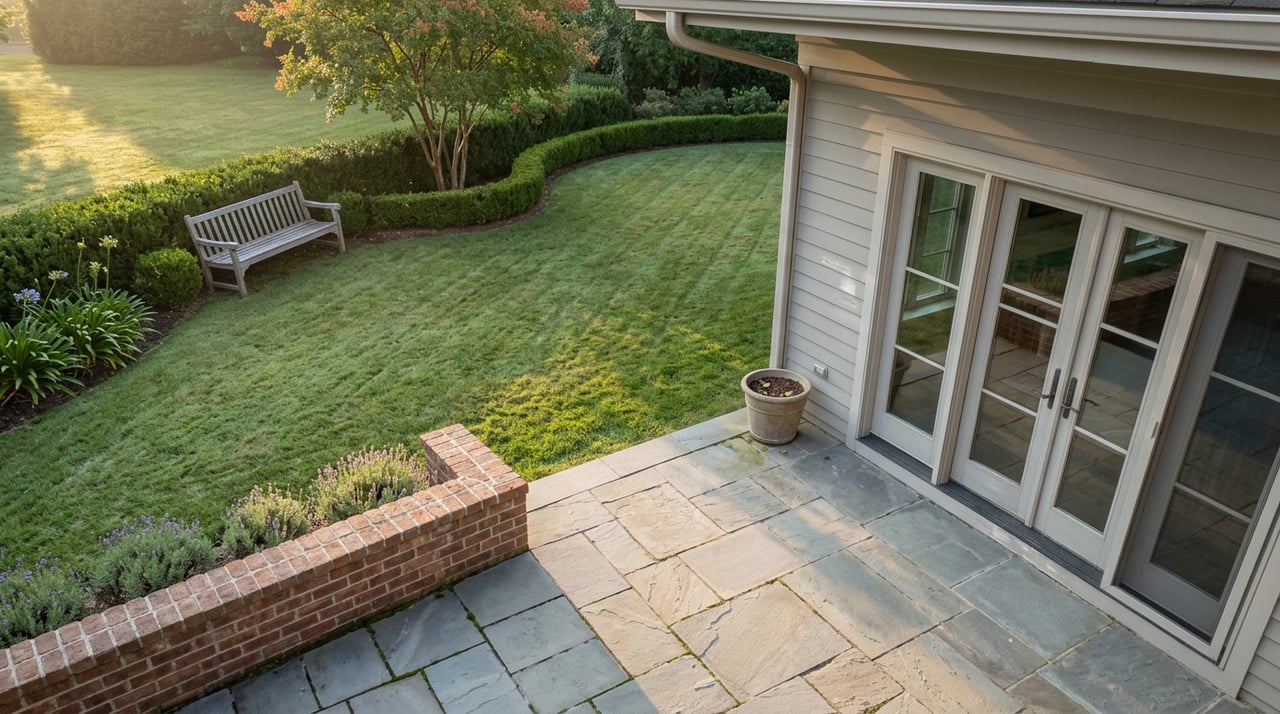
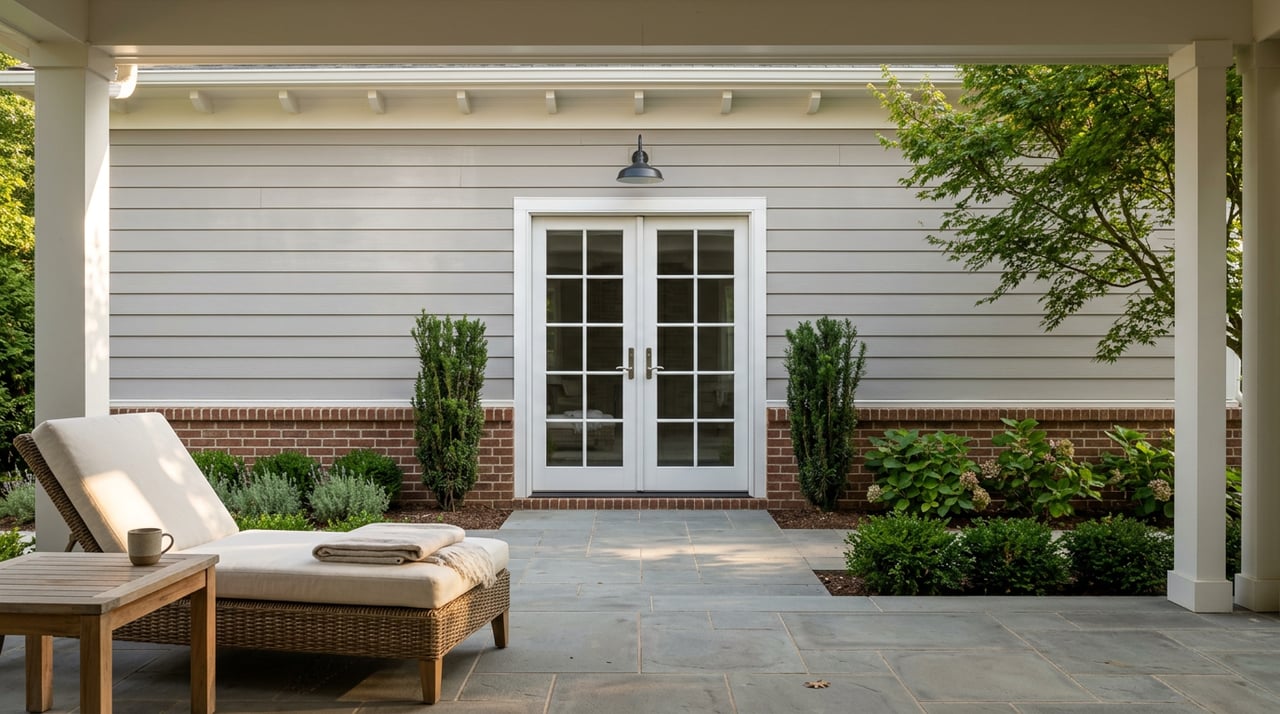
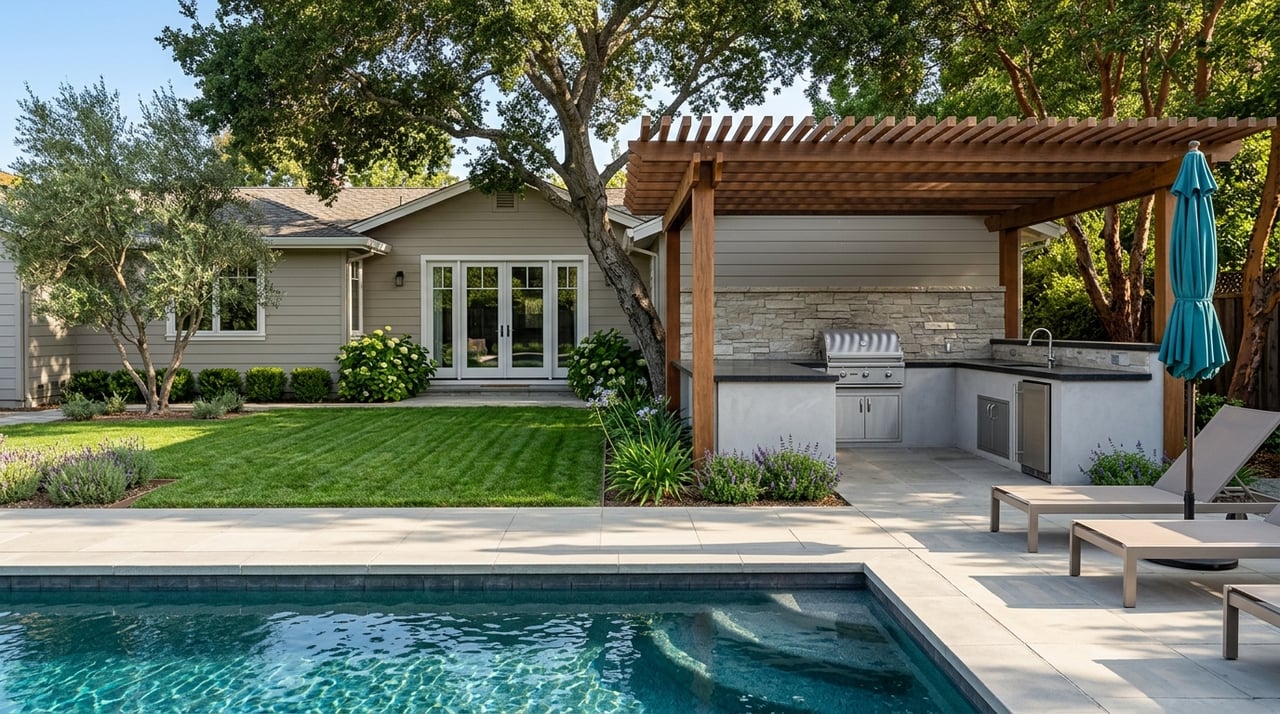
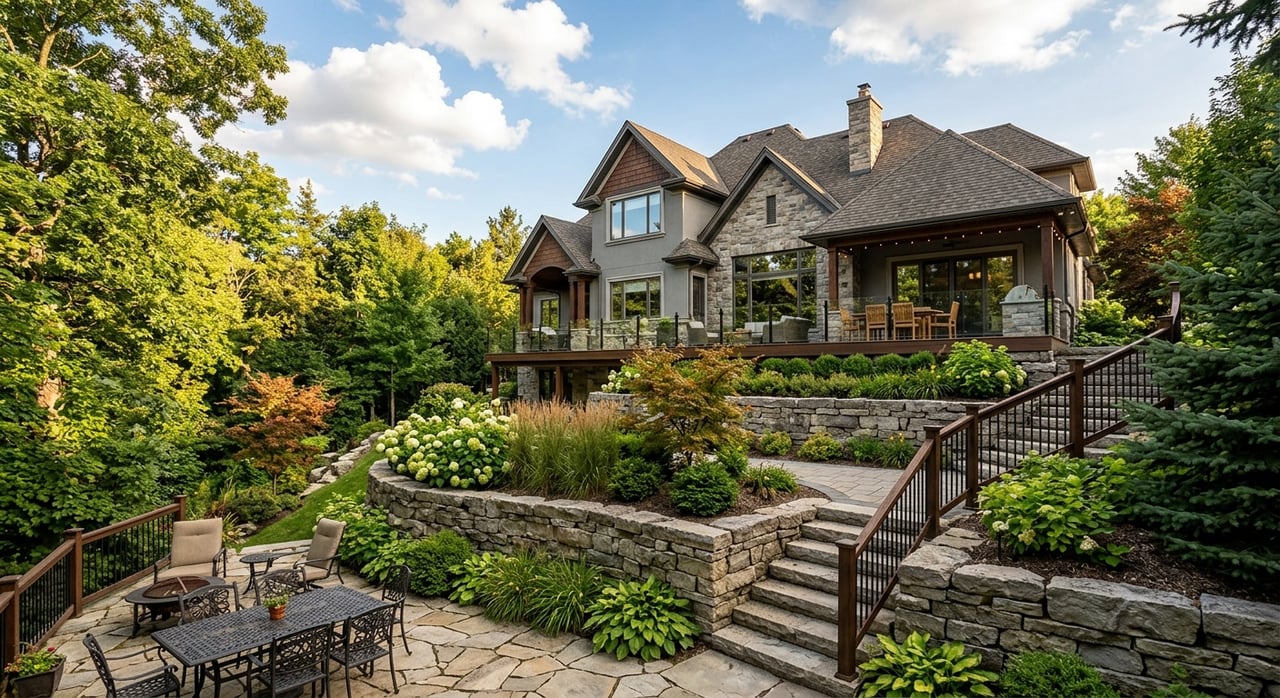
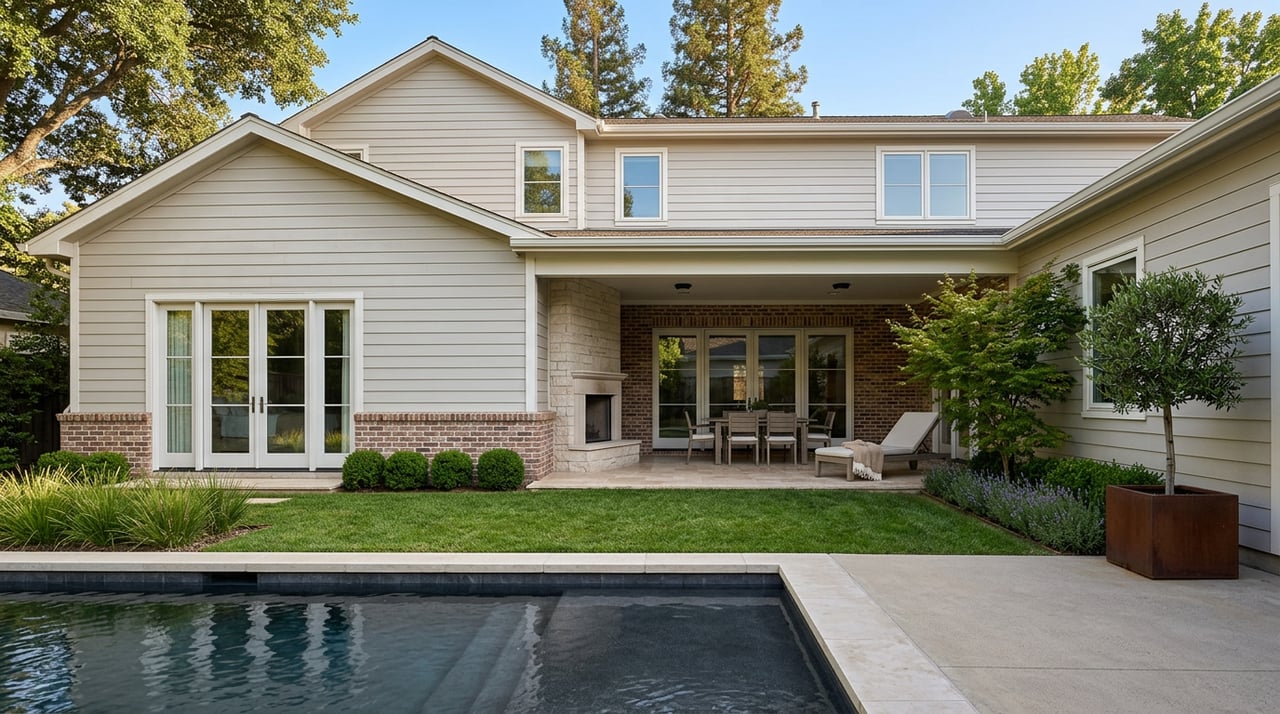
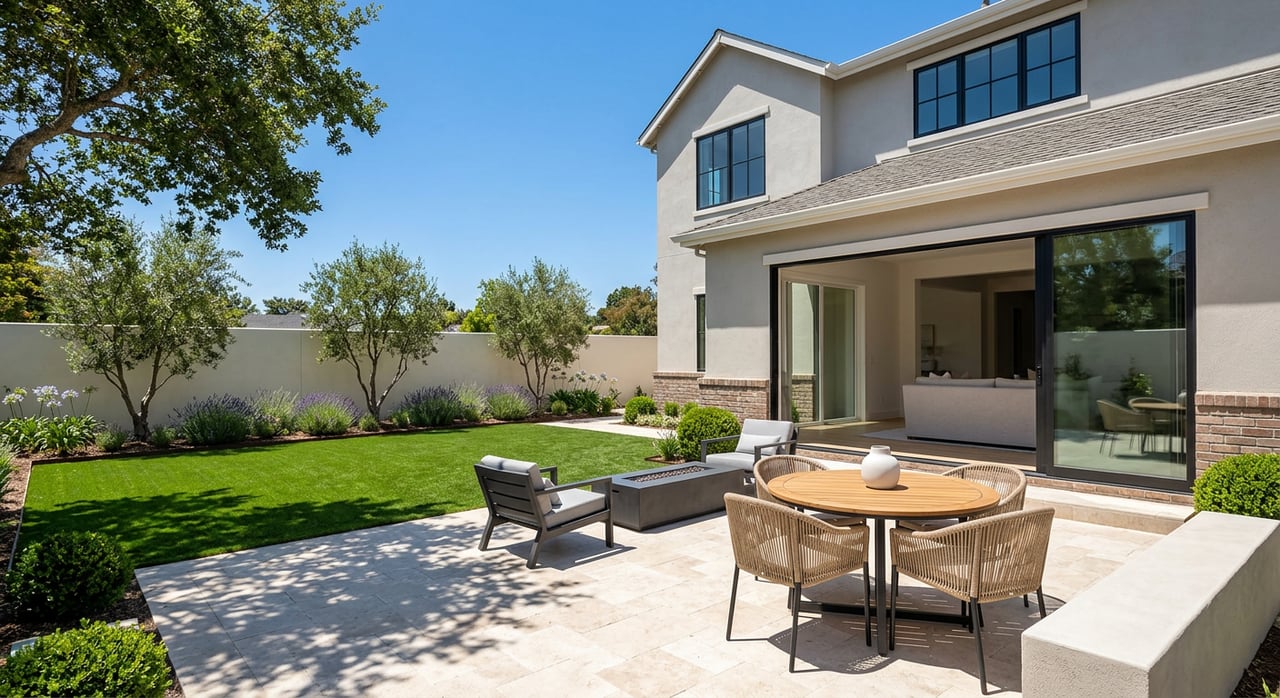
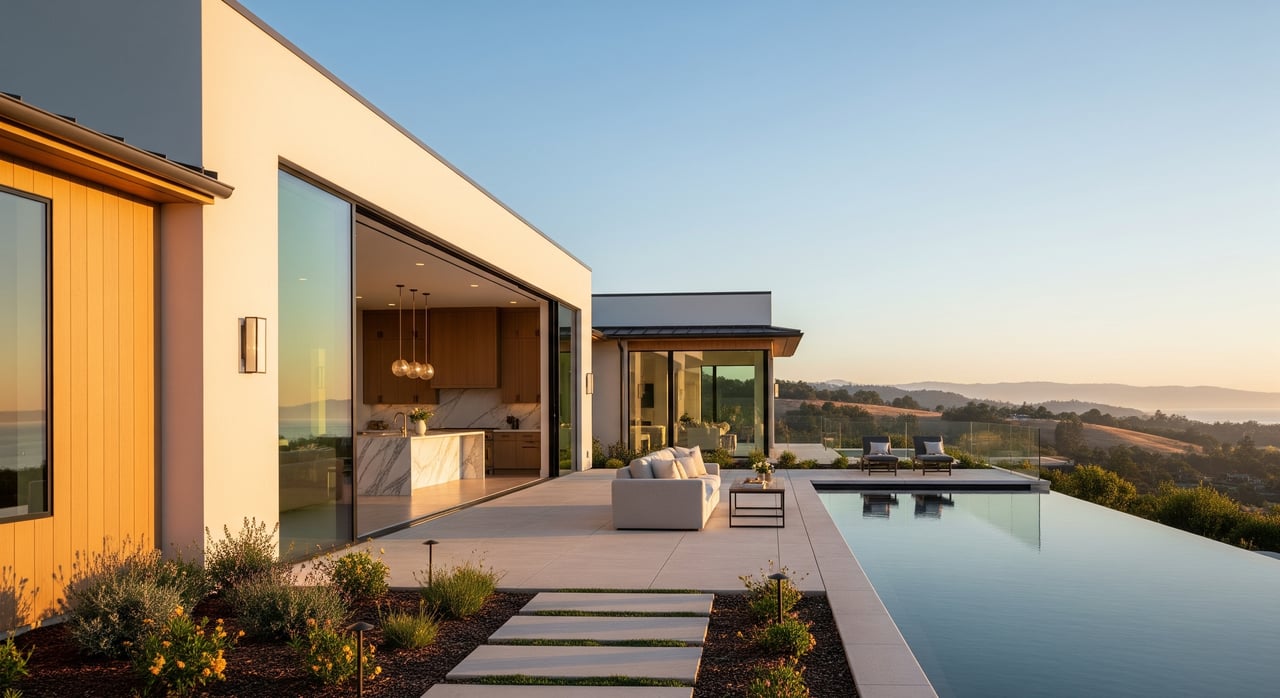
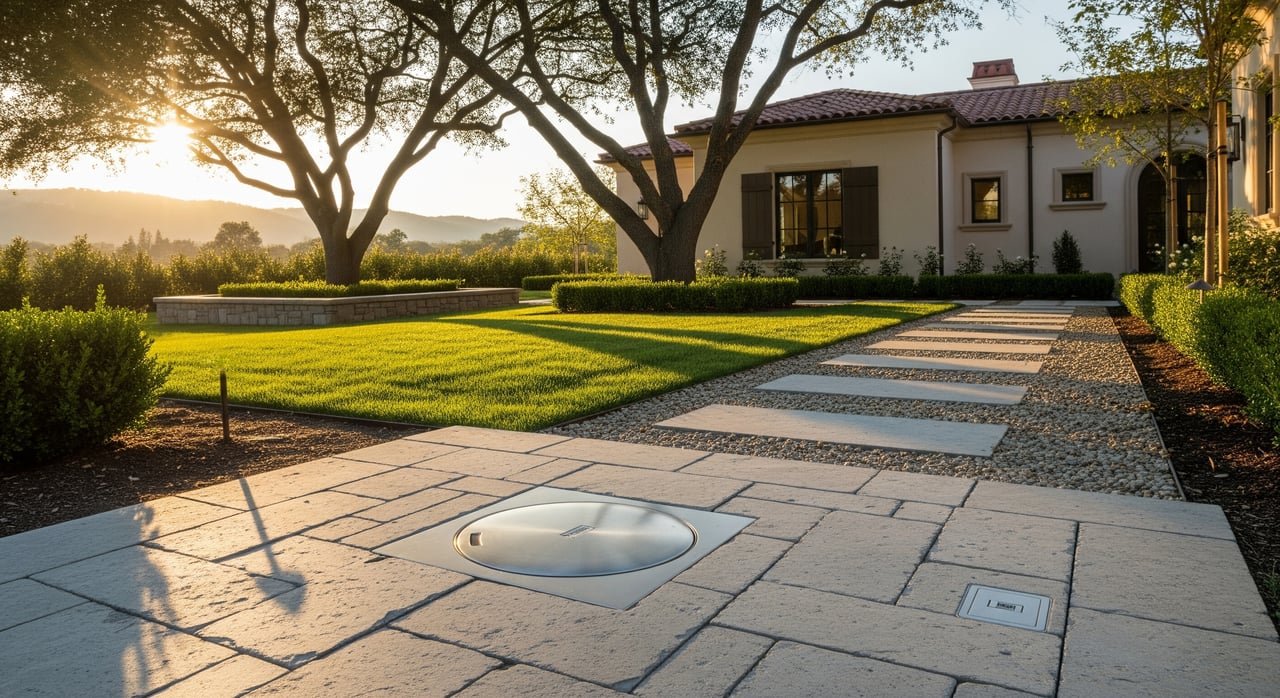
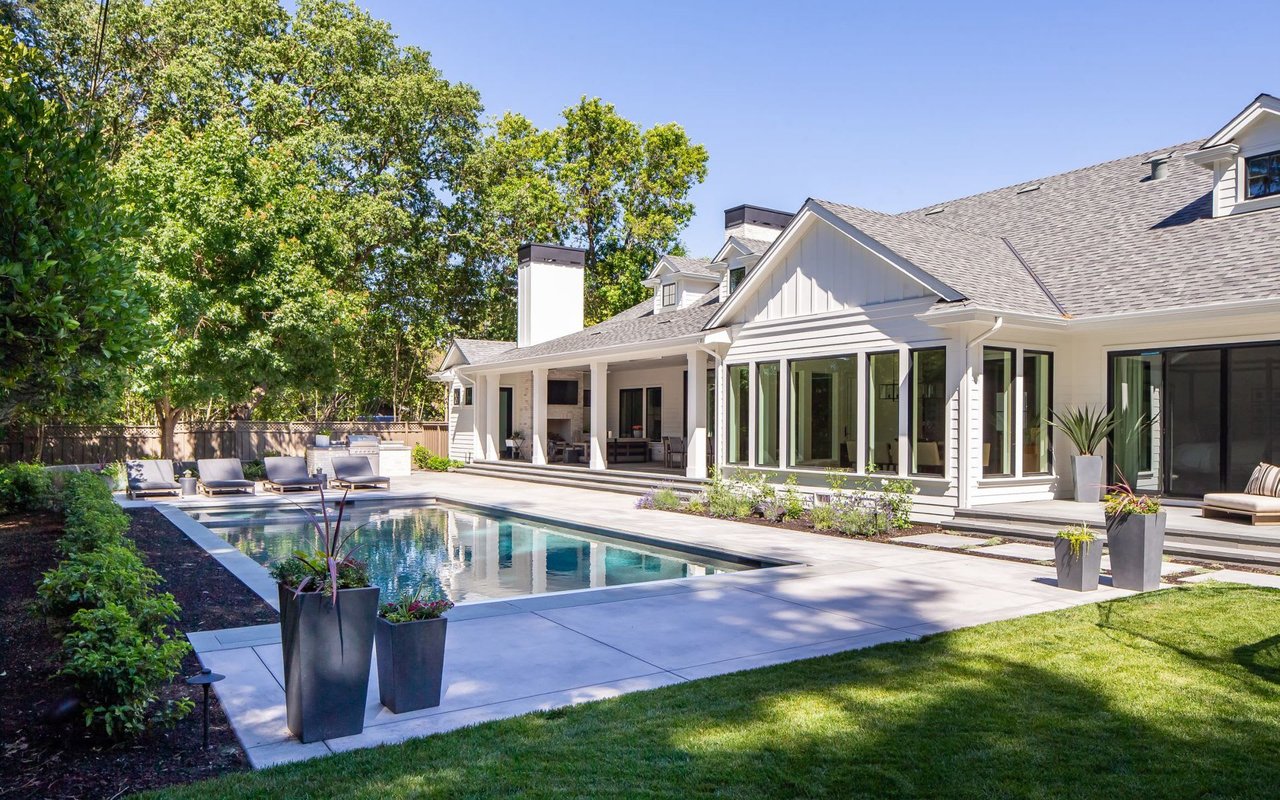
- Large yards with pools, patios, and outdoor kitchens
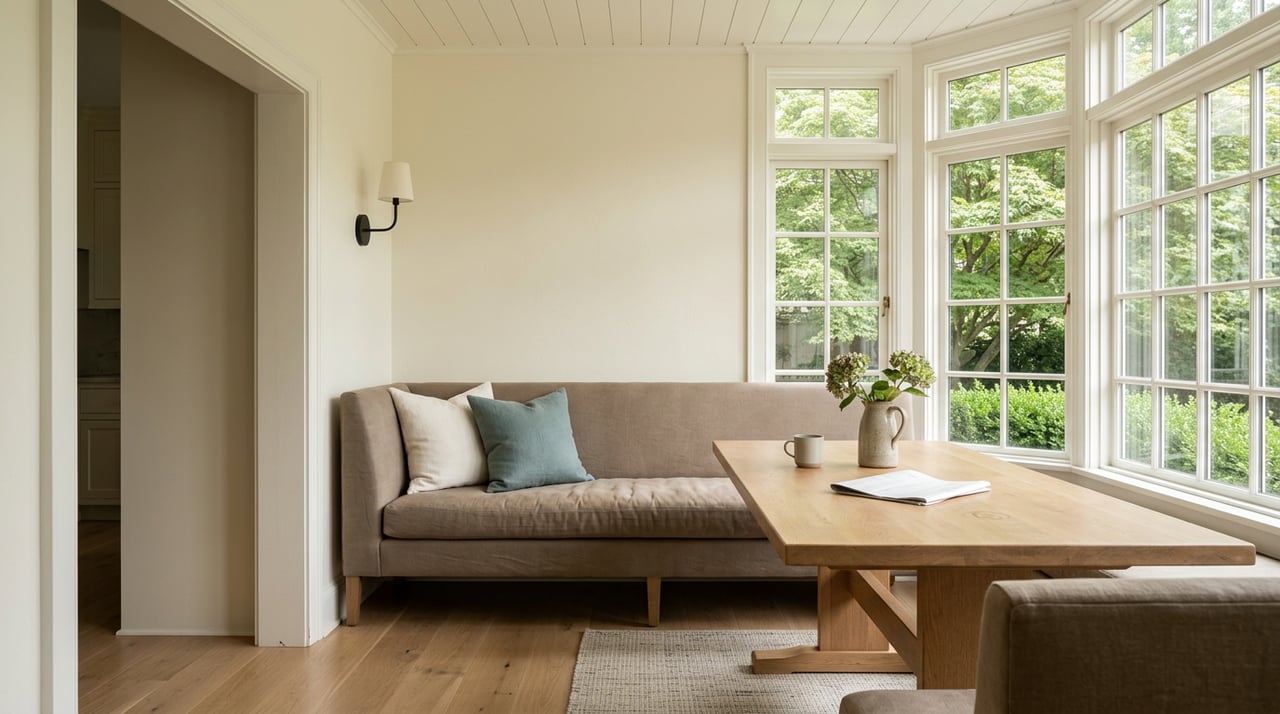
- Multiple garages, guest houses, and flexible office spaces
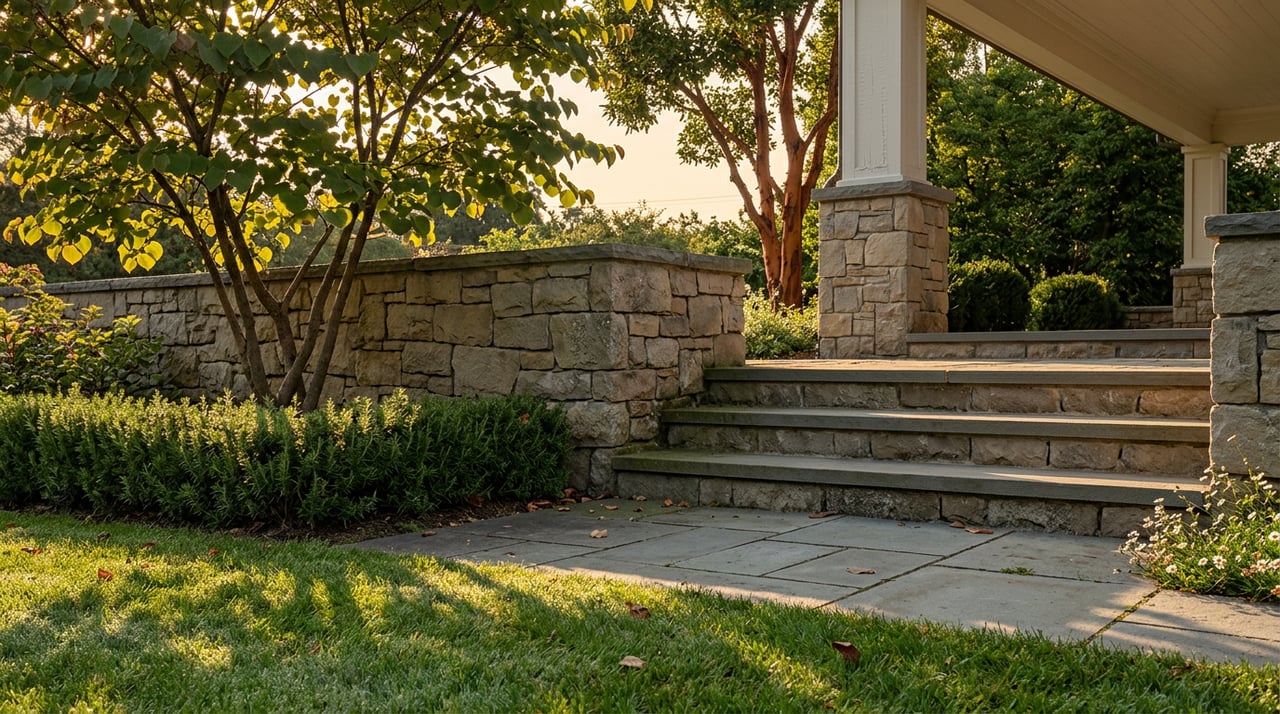
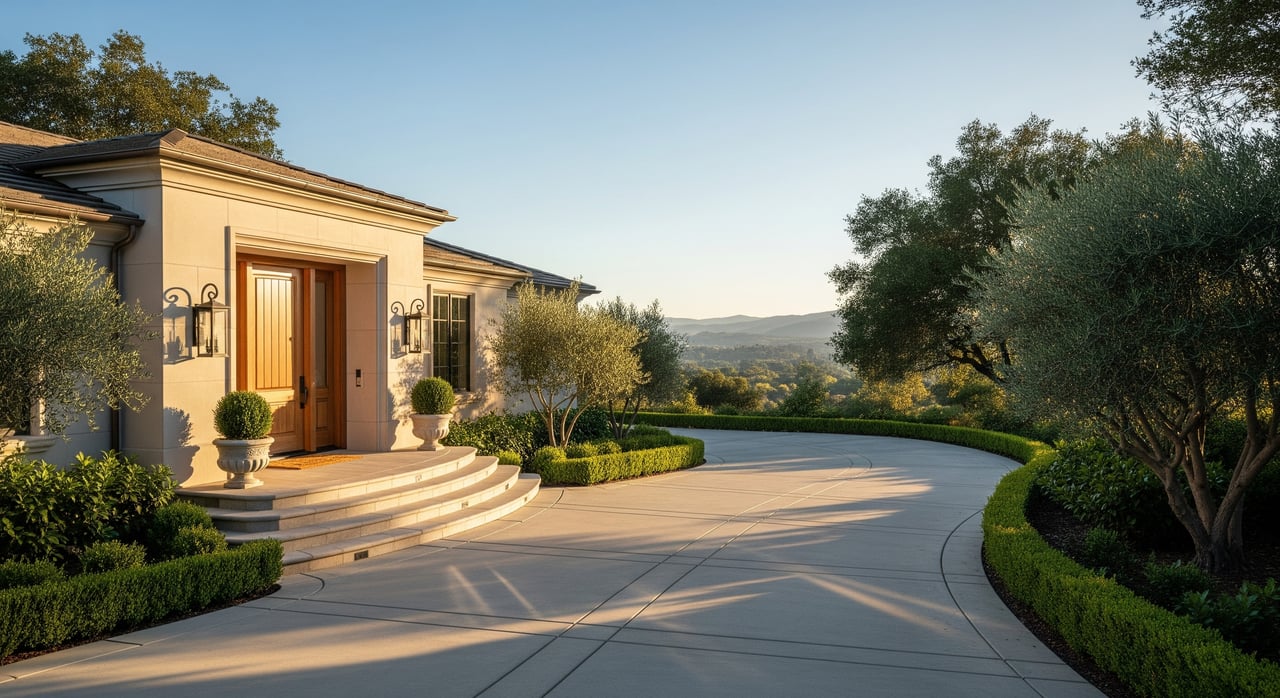
- Mature landscaping that screens for privacy
- Views of hills and open space
- Hobby features such as fruit trees, small vineyards, or equestrian facilities
Price dynamics and timing
Alamo sits at the high end of East Bay suburban pricing. Inventory for estate homes can be thin, so you may see longer search timelines for the right fit. Market swings since 2020 affected timing and pricing, and interest‑rate cycles influenced activity, but demand for space and amenities has stayed strong. Well‑appointed homes often attract move‑up buyers from nearby suburbs.
Ongoing costs to plan for
With larger homes and lots, plan for higher ongoing costs. Property taxes reset with a sale and annual bills can be substantial given typical price points. Budget for landscape and pool upkeep, heating and cooling, and possible HOA fees in gated communities. Some properties may have private wells or septic systems, and older homes may warrant seismic and systems upgrades.
Everyday life and amenities
Schools and services
Alamo is served by the San Ramon Valley Unified School District and is known for strong public schools. For private options, you’ll find additional choices in nearby Danville and Walnut Creek. Larger medical services and hospitals are close by in Walnut Creek and Concord, including John Muir Health facilities. Routine care and urgent care are available in Danville and Walnut Creek.
Shopping and dining
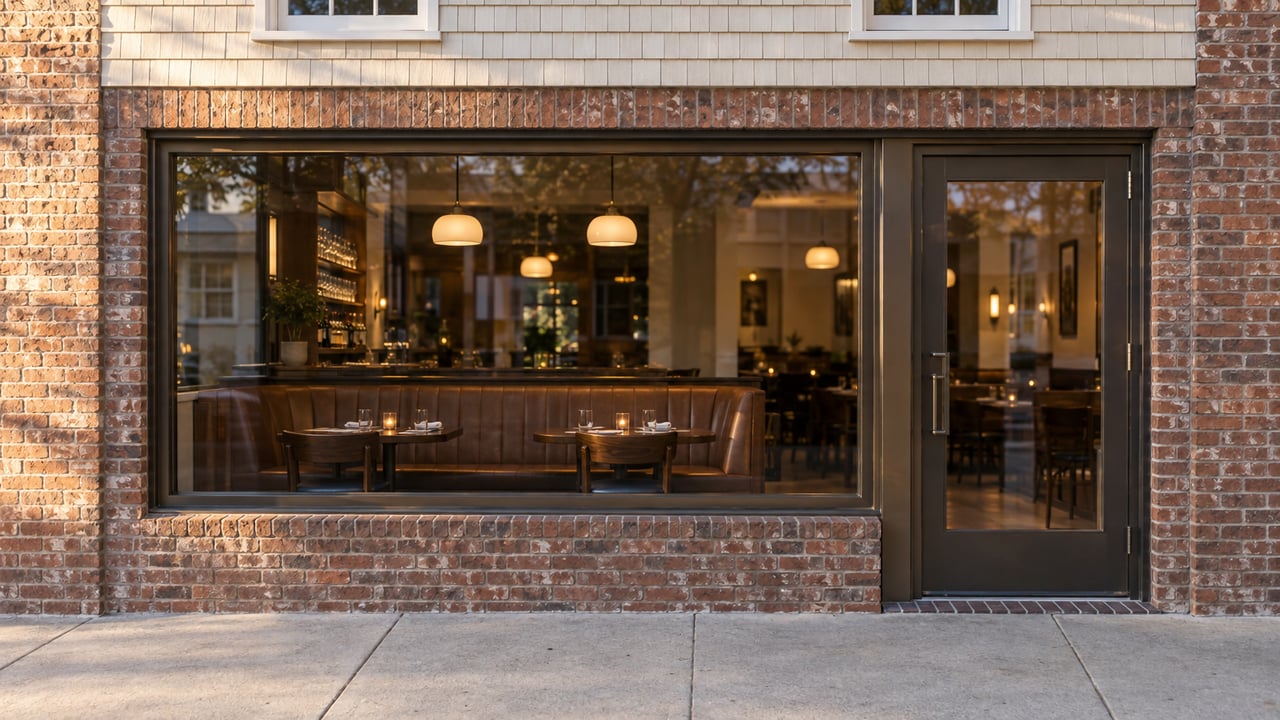
Daily needs are covered by small shopping centers and local services within Alamo. For broader retail and dining, Danville’s town center and Walnut Creek’s shopping districts, including Broadway Plaza, are a short drive. Blackhawk Plaza adds restaurants, services, and boutique retail.
Recreation and open space
Access to nature is one of Alamo’s standout perks. Mount Diablo State Park, Las Trampas, and nearby regional parks offer hiking, biking, and sweeping views. Private golf and country clubs in surrounding communities add more recreation. Weekends often mean back‑yard gatherings, trail time, and low‑key local events.
Walkability and transit
Alamo is largely car‑dependent. Some streets and village areas are pleasant for walking, but most errands and school runs happen by car. You trade urban walkability for privacy, yard space, and proximity to open space.
Commute realities and tips
Typical drive times
Interstate 680 is your main north–south route. The Walnut Creek downtown and BART area are typically a 10–25 minute drive in non‑peak conditions. Drives to Oakland commonly range from about 30–50 minutes depending on traffic and start time. San Francisco and SFO or Silicon Valley commutes often vary from roughly 35–70 minutes or more, so plan with real‑time checks.
Transit options
There’s no BART station in Alamo. The nearest stations are Walnut Creek, Pleasant Hill, and Concord, and many residents drive and park to use BART. County Connection buses serve the area with limited routes. Transit is workable for some routines, but driving tends to be simpler for daily life.
Practical due diligence checklist
Before you make a move, line up the details that matter in Alamo:
- Verify recent comparable sales and current inventory at your price tier
- Confirm typical days on market for estate homes vs. mid‑range properties
- Check school assignments and current performance data with the district
- Review utility service: municipal water vs. well, sewer vs. septic
- Evaluate wildfire risk, slope, drainage, and insurance options
- Confirm zoning, permit history, and any unpermitted improvements with the County
If you’re buying in Alamo
Start with your lifestyle priorities. Do you want single‑level living, a pool, space for a home office, or room for guests? If you’re considering a hillside property, review reports on slope, drainage, and defensible space. For estate‑scale lots, factor in landscape and pool maintenance and any well or septic service. Because luxury inventory can be thin, be ready to move when the right fit appears, and consider both on‑ and off‑market options.
If you’re selling in Alamo
Presentation and marketing
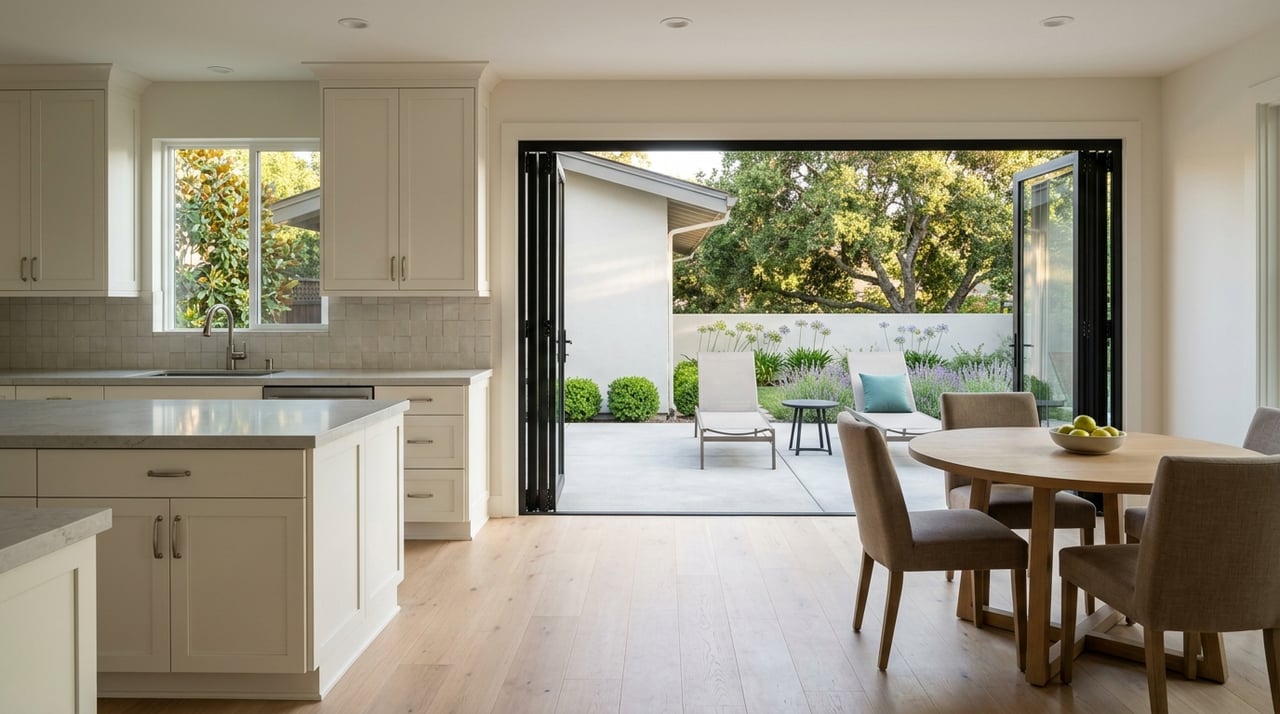
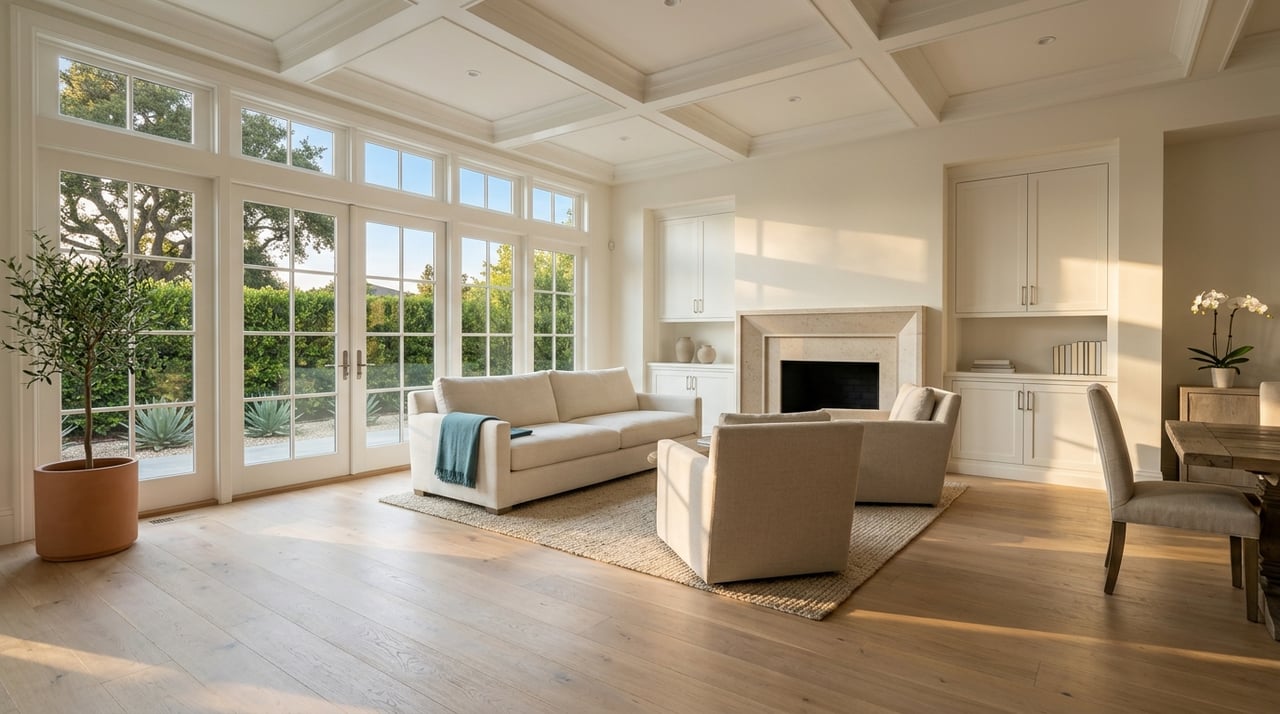
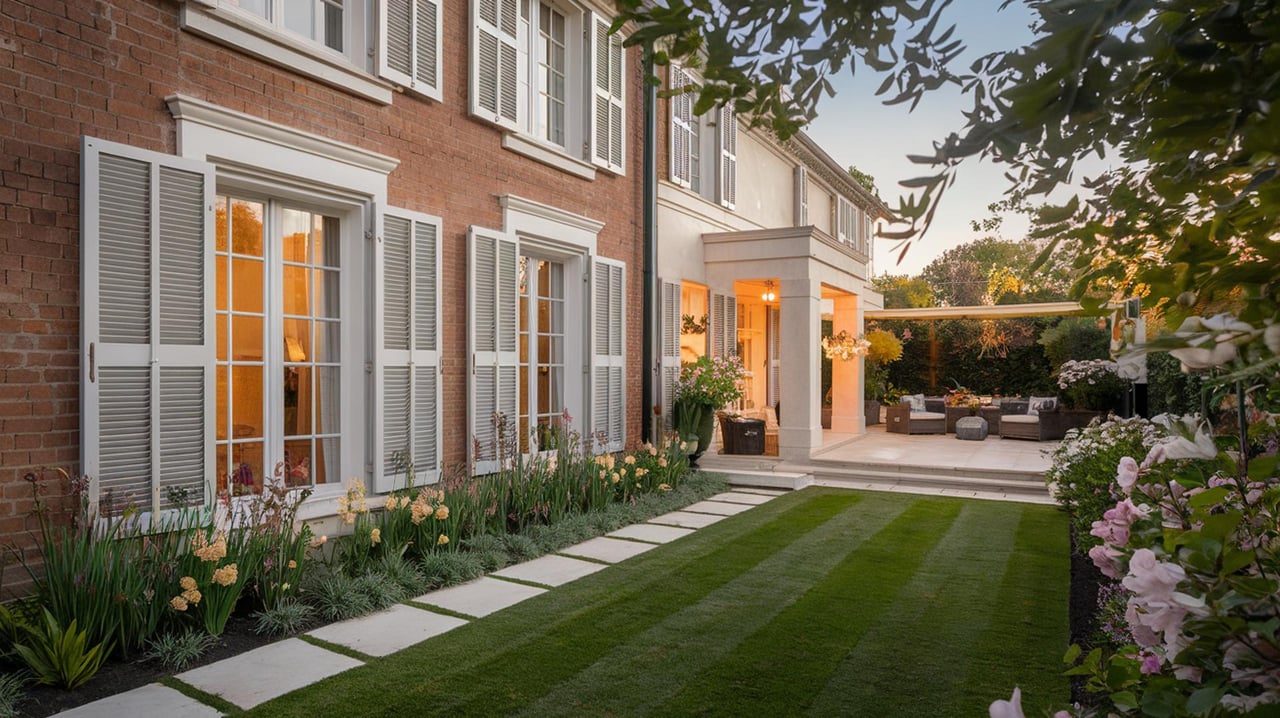
Buyers respond to a clear vision of indoor‑outdoor living. Professional staging, landscape refreshes, and twilight and drone photography help showcase lot size, privacy, and amenities. A coordinated marketing plan that includes custom property websites, targeted digital outreach, broker tours, and luxury print placements can expand your buyer pool and support premium pricing.
What buyers will scrutinize
Expect thorough review of pool and spa systems, roof and structural reports, and any well or septic records where applicable. Disclose upgrades and permits clearly, especially for custom work or older homes. Highlight single‑level layouts, flexible office or guest spaces, and outdoor entertaining areas that align with current preferences.
Work with a trusted local advisor
Alamo is a niche market where expertise matters. You benefit from a calm, consultative process that pairs neighborhood‑level guidance with a disciplined marketing approach. If you’re weighing a move, let’s talk through timing, pricing, and how to position your next step with confidence. Connect with Brad Gothberg to request a confidential market valuation or start a curated home search.
FAQs
How expensive is Alamo compared with nearby suburbs?
- Alamo generally sits at the upper end of East Bay suburban pricing and is comparable to the higher tiers of Danville and some Lafayette/Orinda neighborhoods.
What are typical commute times from Alamo to San Francisco or Silicon Valley?
- Drive times commonly range from about 35–70 minutes or more depending on route and traffic; many residents drive to a nearby BART station for transit options.
Is Alamo considered family‑friendly?
- Many buyers choose Alamo for low‑density neighborhoods, access to outdoor recreation, and well‑regarded public schools served by SRVUSD.
What are the main tradeoffs of living in Alamo?
- You trade some commute convenience and walkability for larger lots, privacy, and quick access to open space and trails.
How is resale potential for Alamo estates?
- Estate properties in low‑supply markets tend to retain value, though the highest tiers can be less liquid; condition, lot size, and layout drive outcomes.
What should I verify before making an offer in Alamo?
- Confirm recent comps, current inventory, school assignments, utility setup, insurance options, wildfire risk, and permit history with the County and relevant providers.