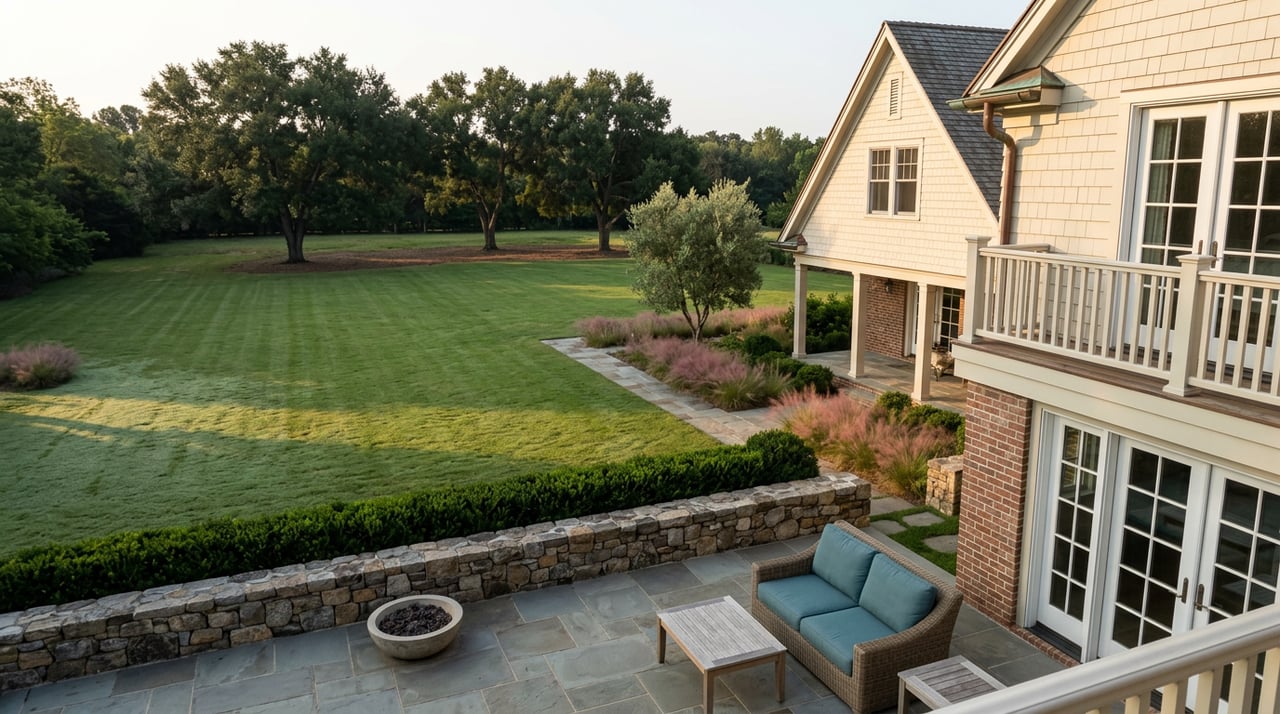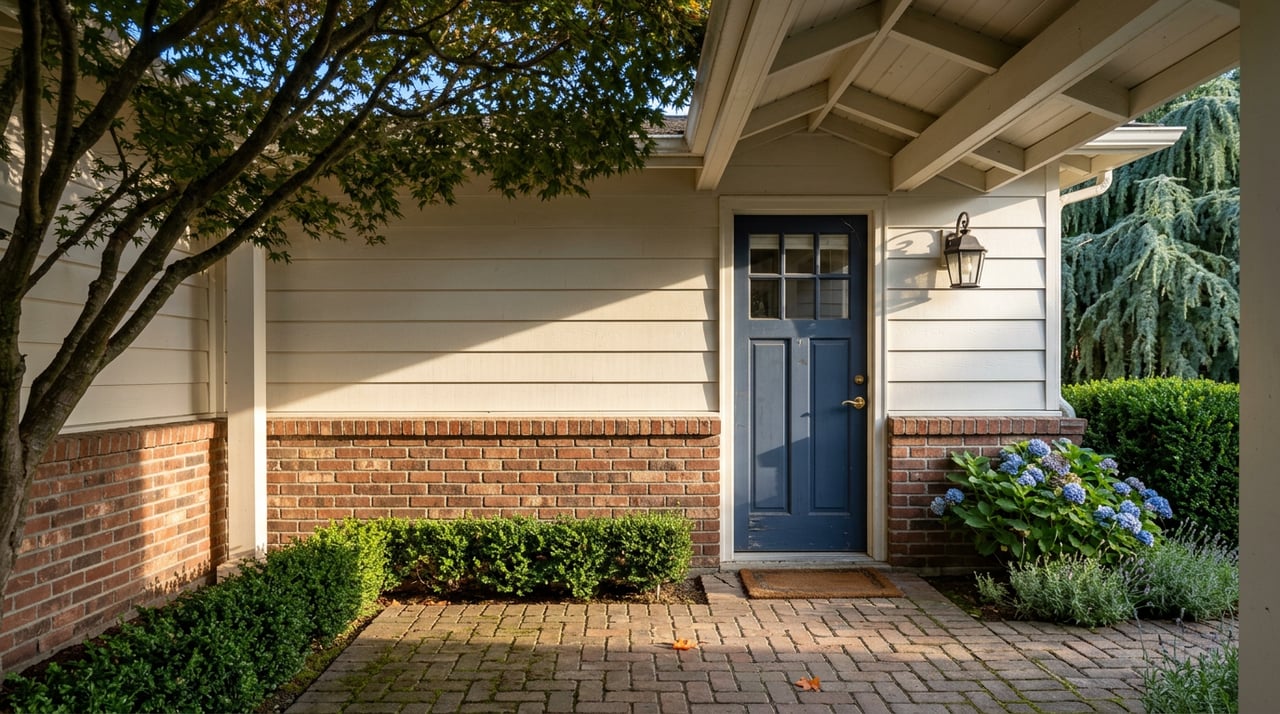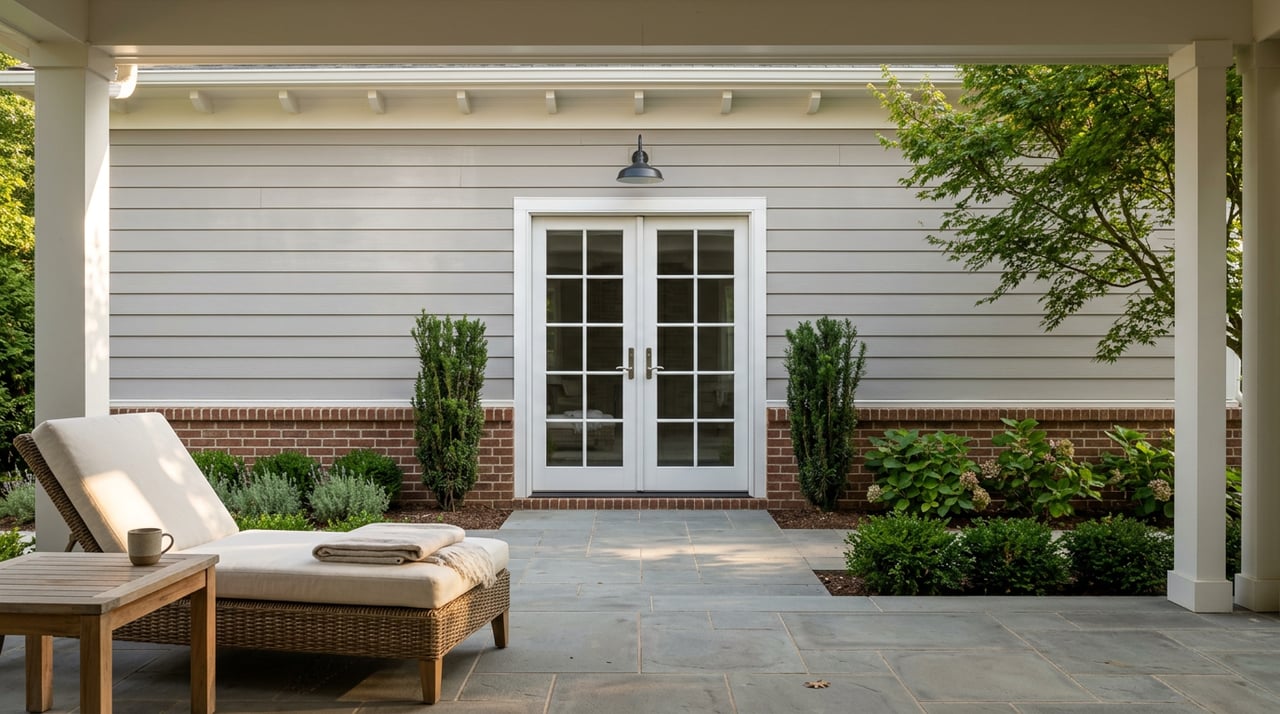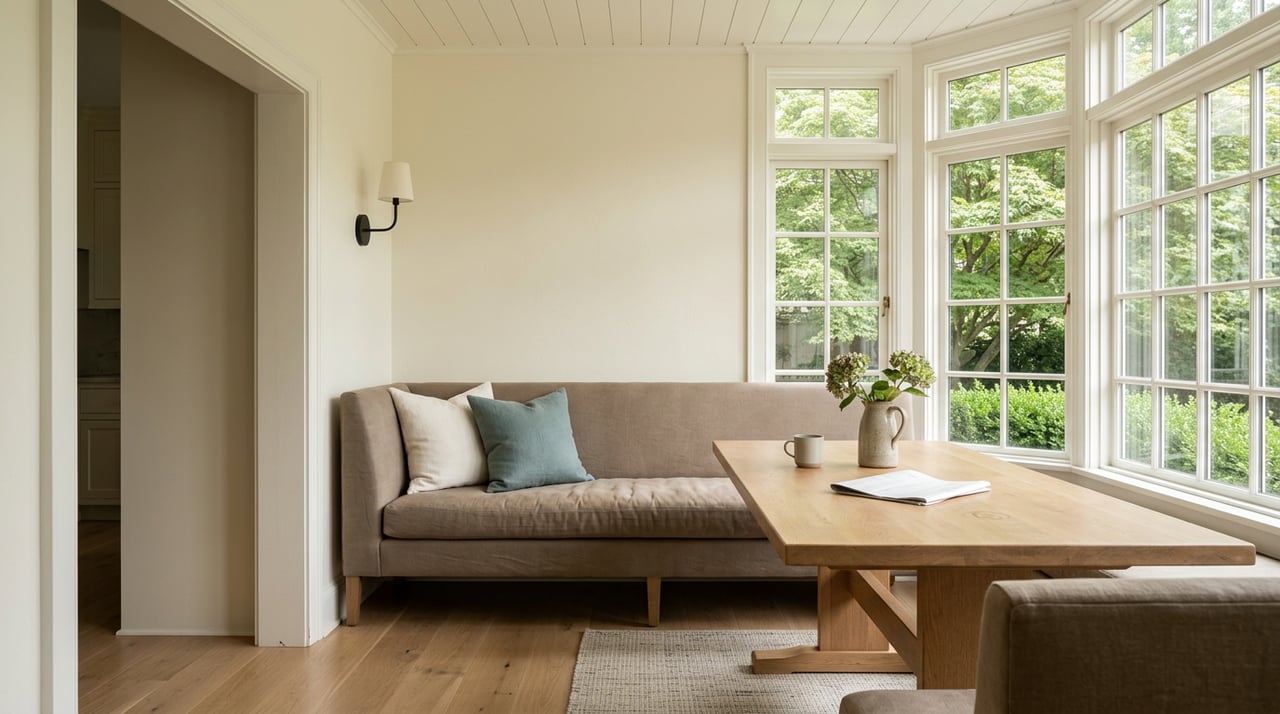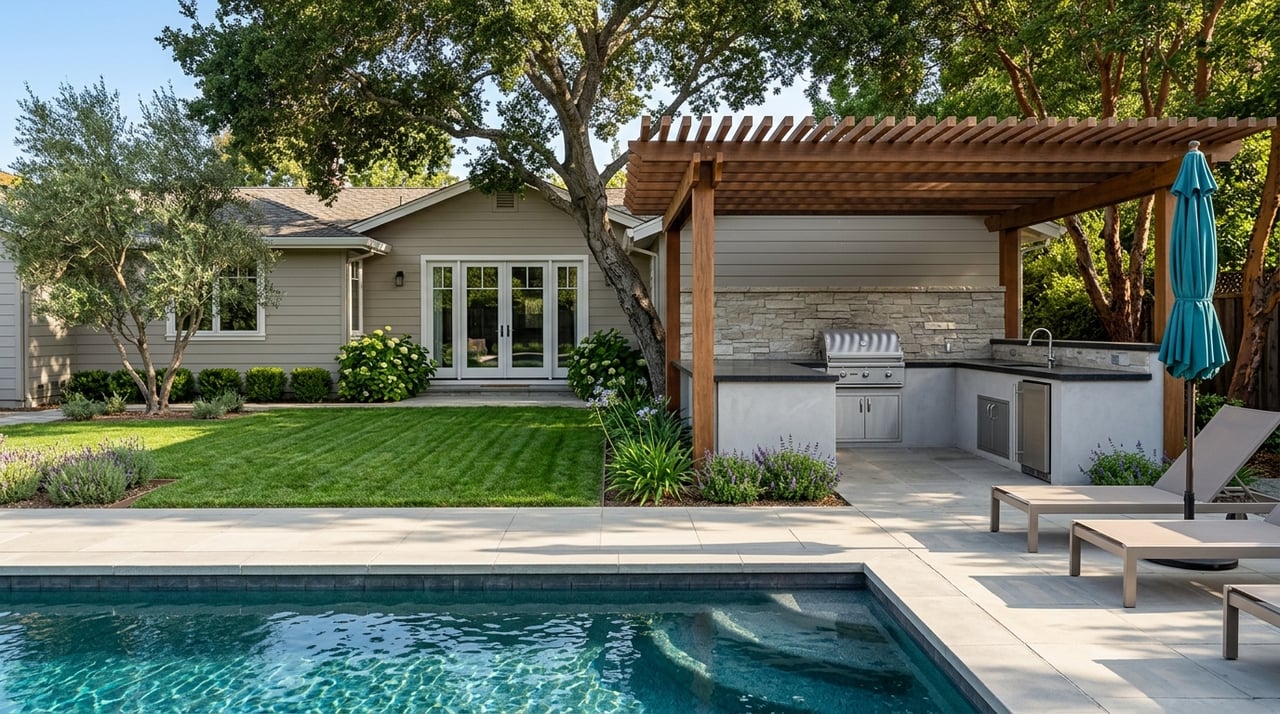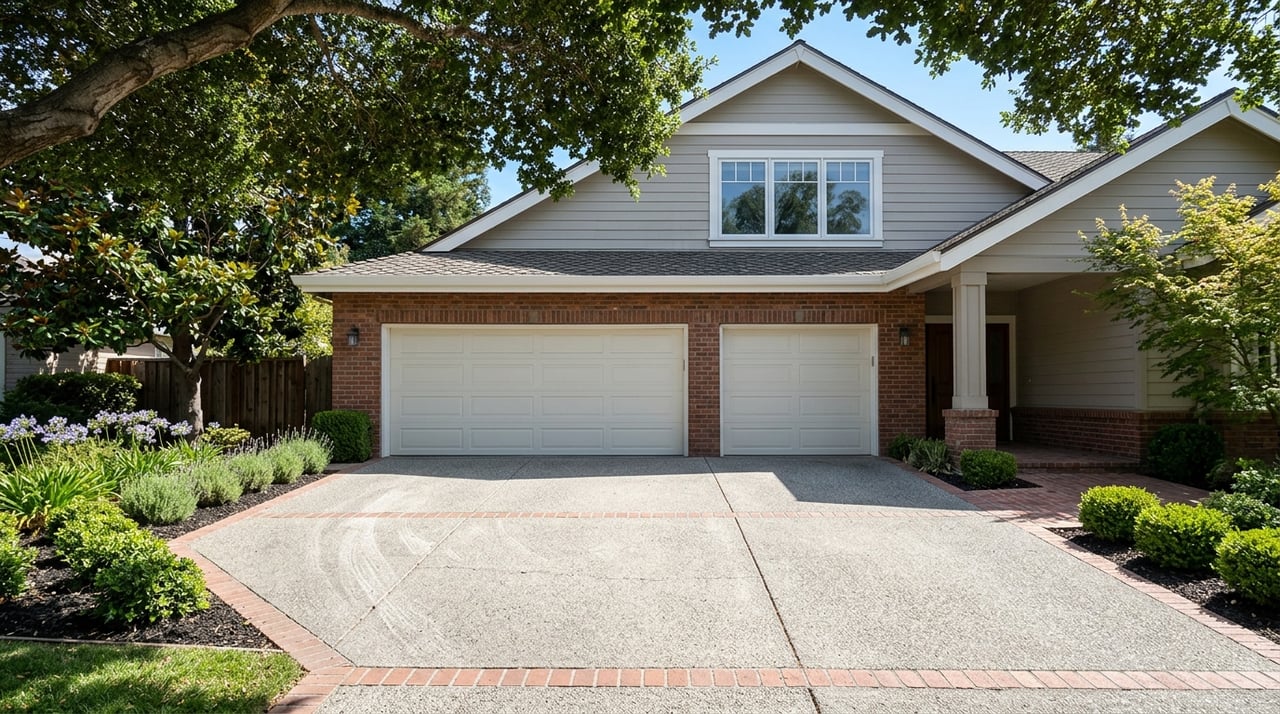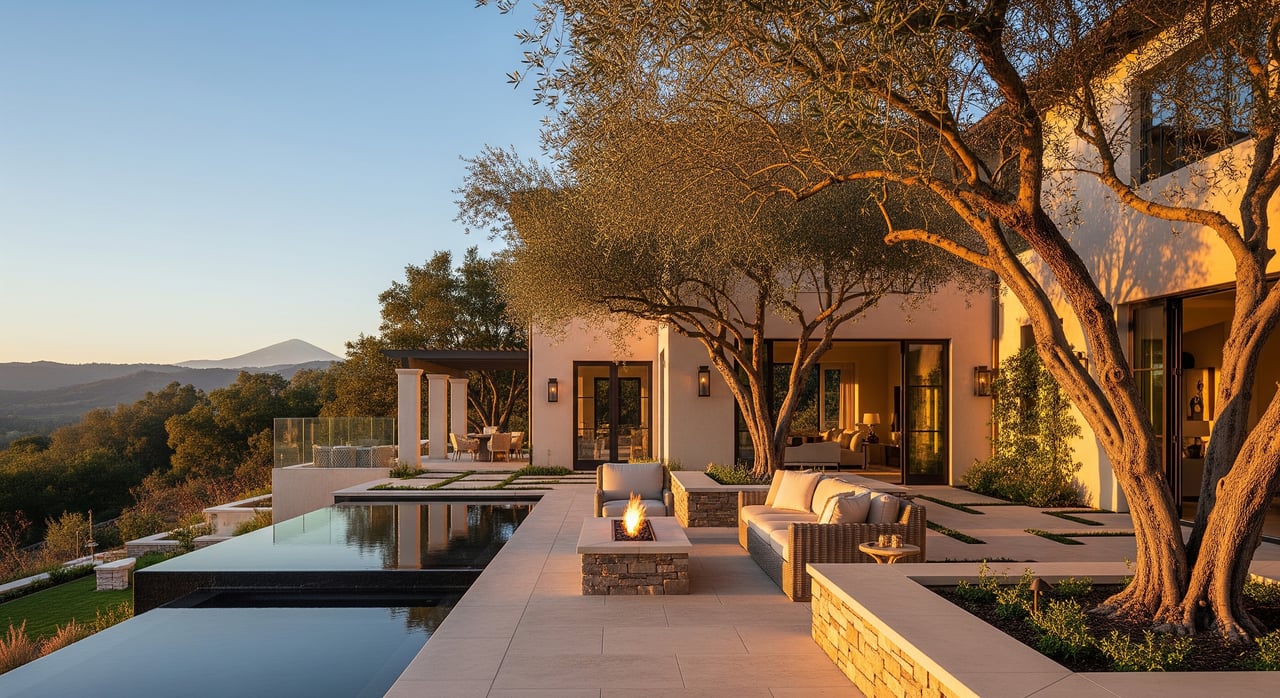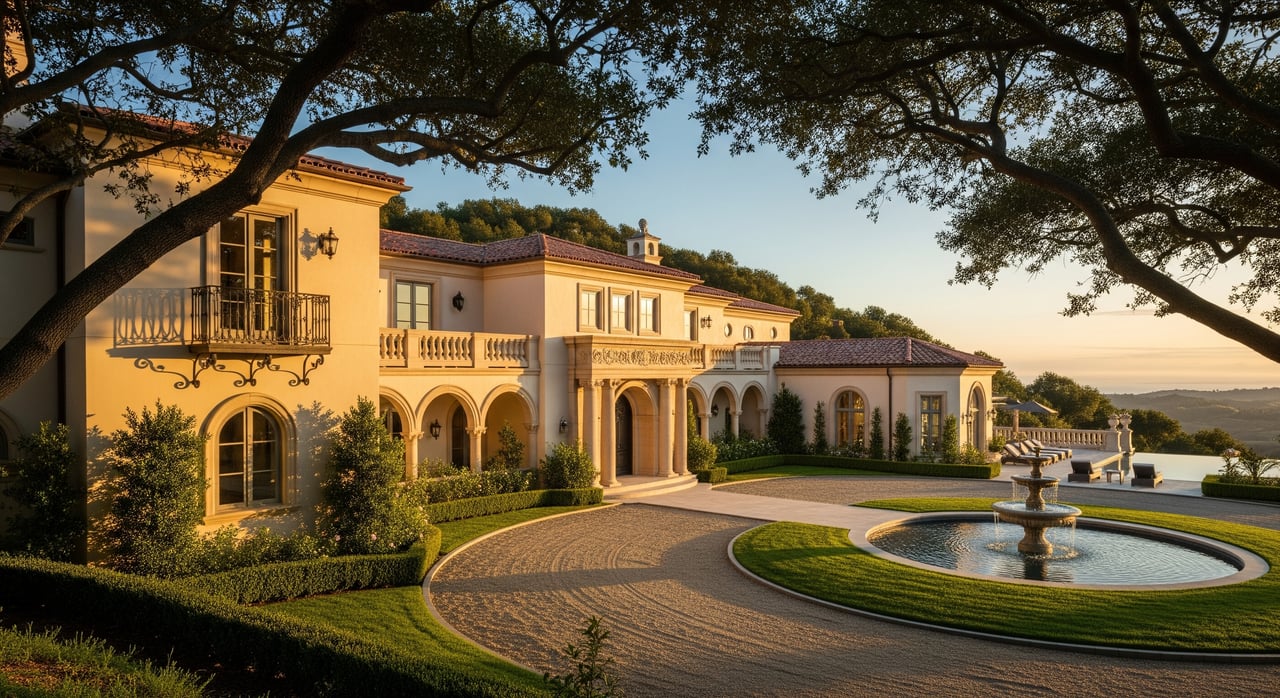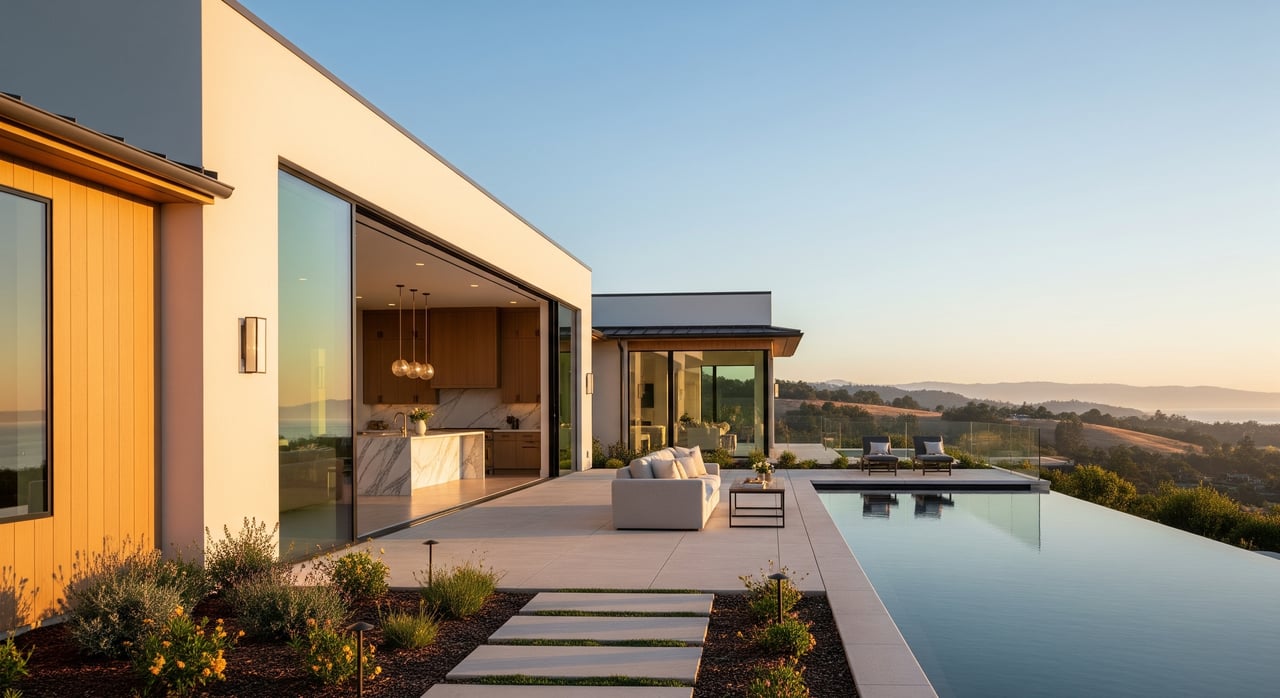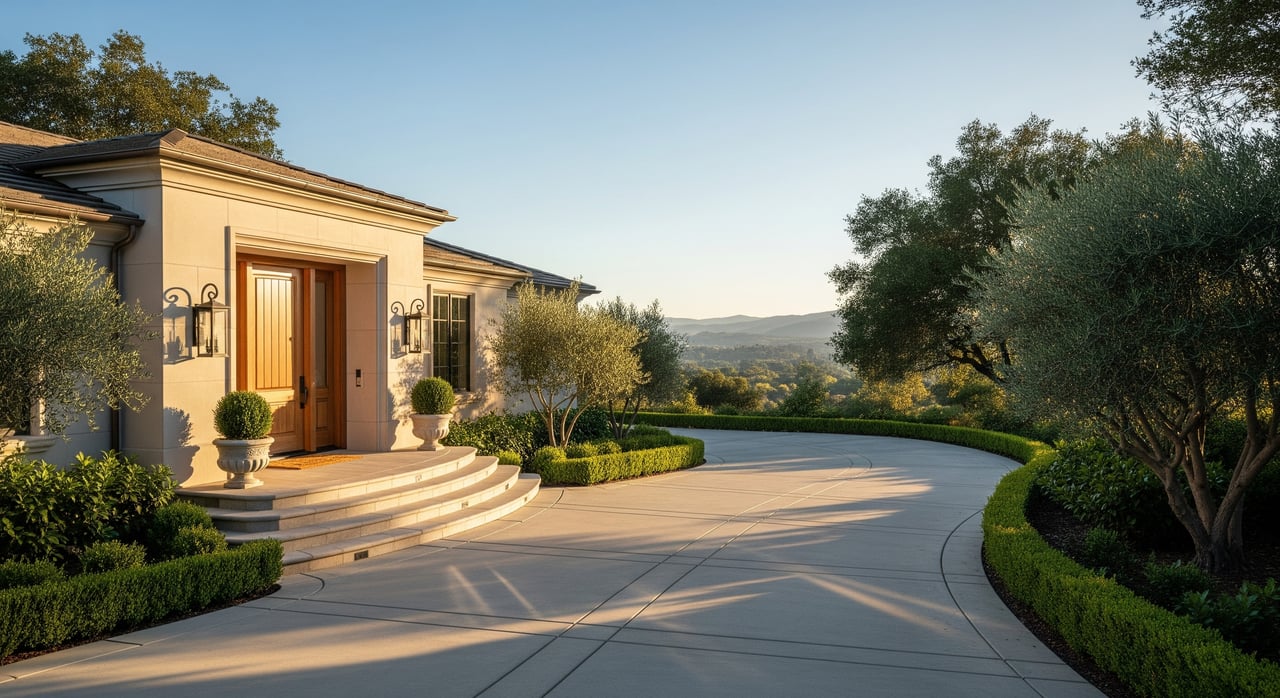
Dreaming of a deck with valley views or a shaded patio you can use almost year-round? In Lafayette, your outdoor space is as much a part of home life as your living room. With our warm, dry summers and hillside lots, smart design choices can boost daily enjoyment and future resale. This guide shows you what works here, how to plan for wildfire readiness and permits, and which upgrades buyers love. Let’s dive in.
Why Lafayette outdoor living matters
Lafayette’s Mediterranean climate gives you a long season for dining, lounging, and play outdoors. Summers are warm and dry, winters are cool and wet, and most rain falls from October through April, which makes shade and drainage essential features for comfort and maintenance (local climate overview). USDA hardiness zones trend to 9b, with some pockets near 10a, so many California natives and Mediterranean plants thrive here. Always confirm a specific address on the USDA Plant Hardiness Map.
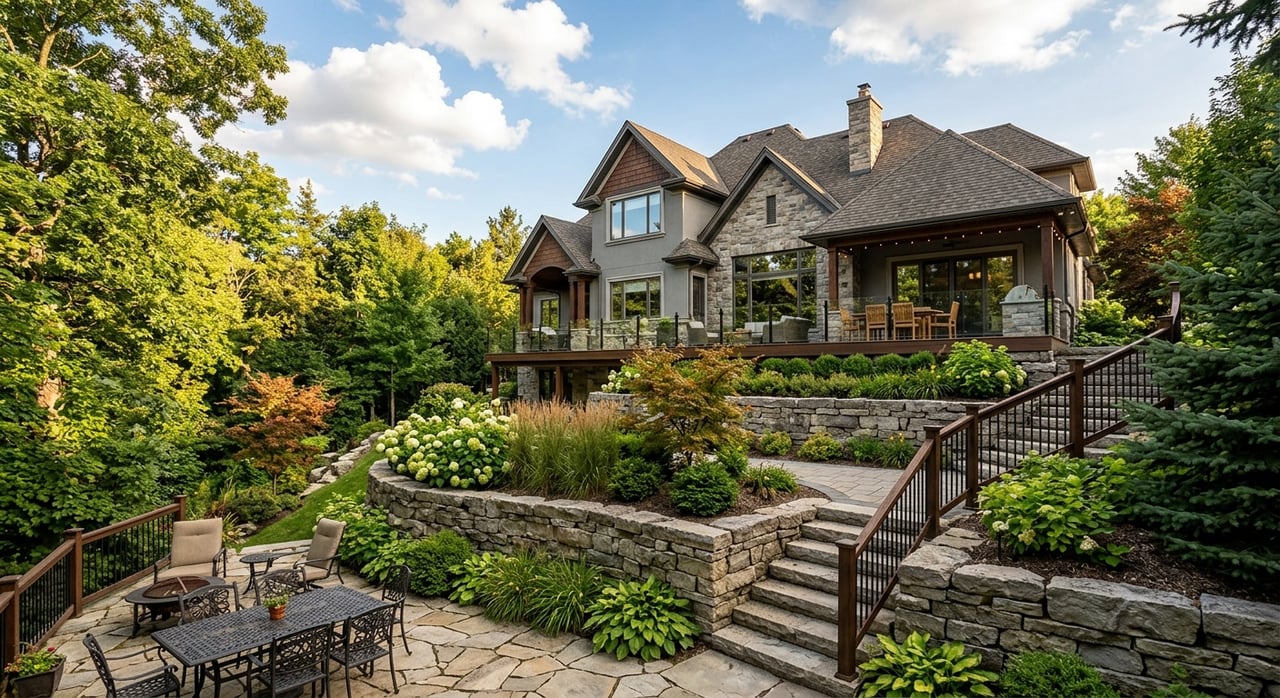
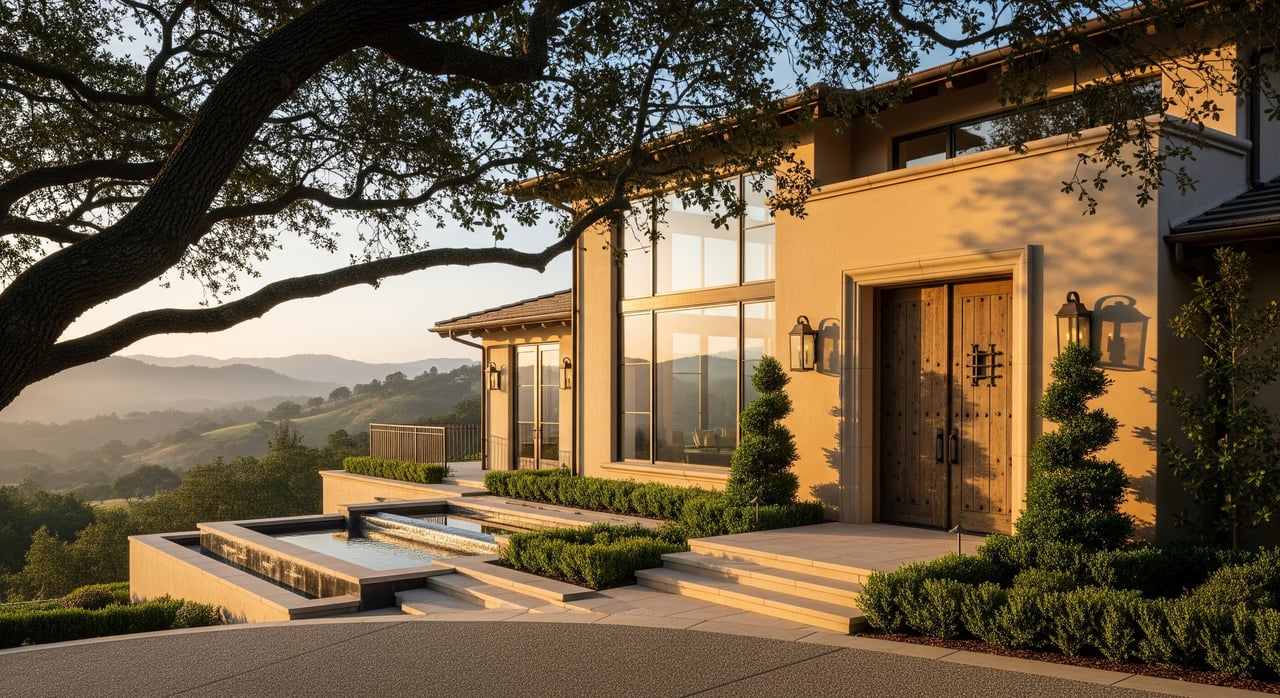
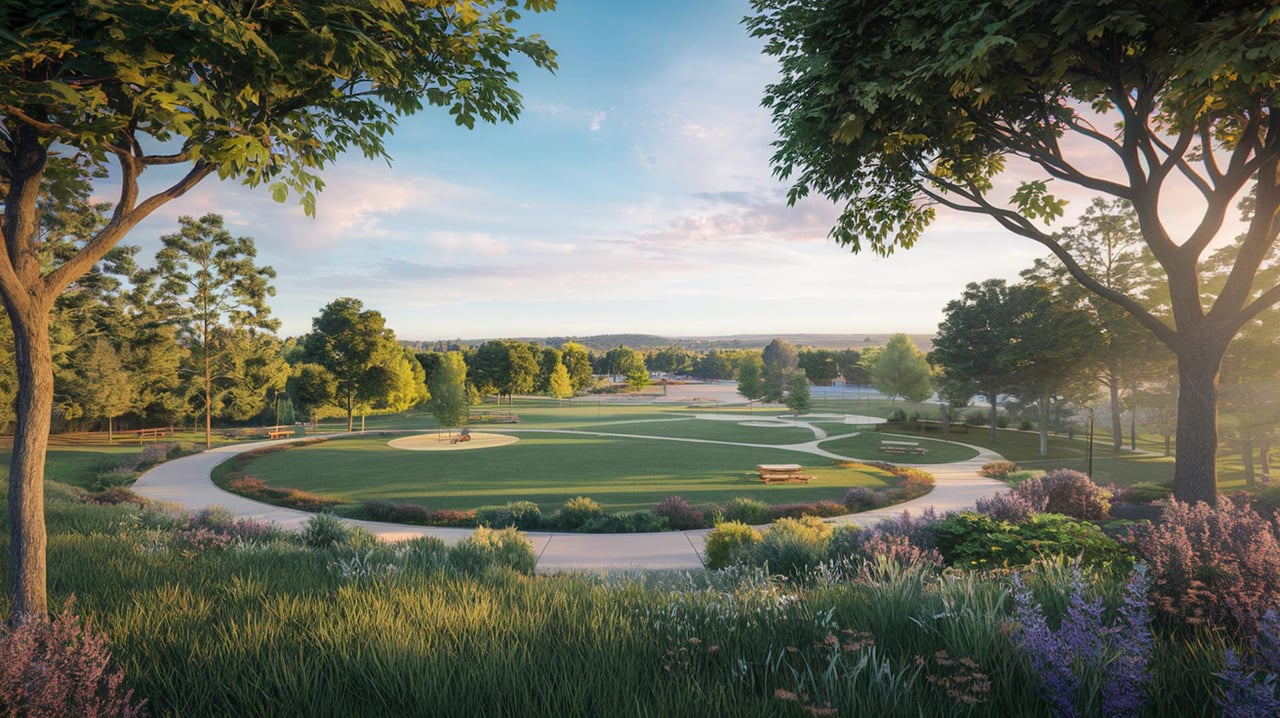
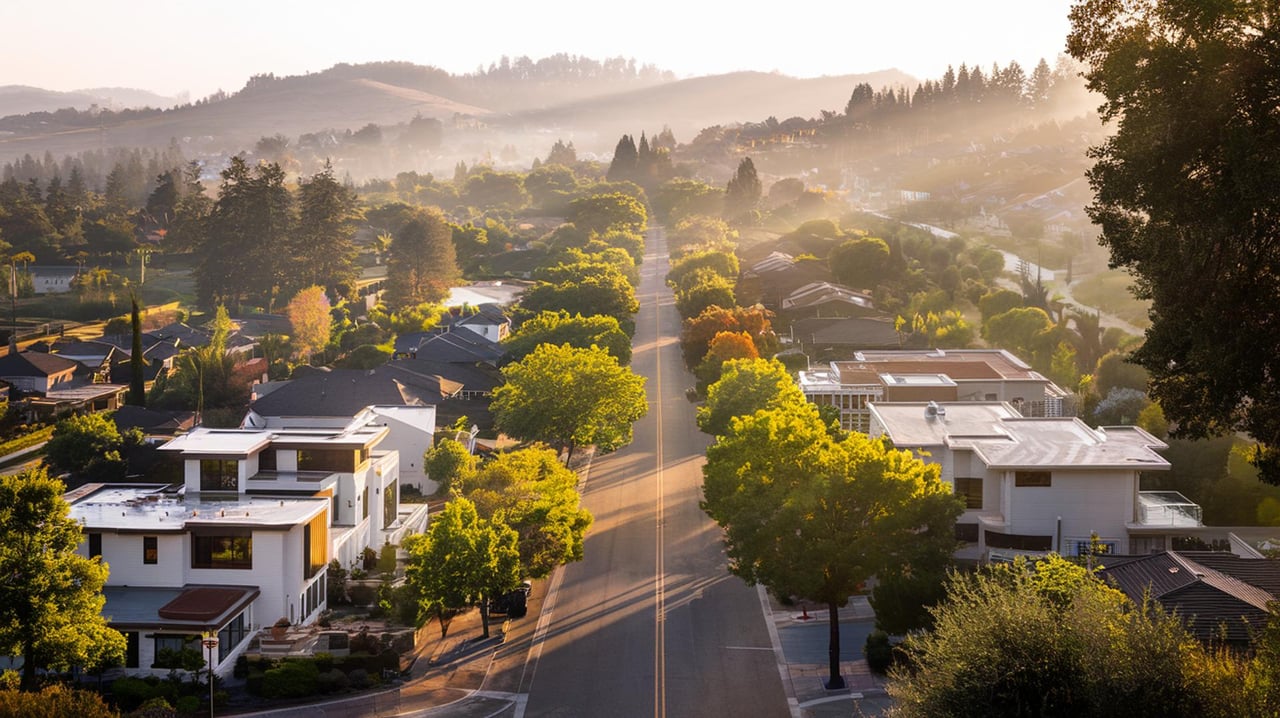
Hillsides, ridgelines, and valley benches are common, and many homes chase views toward the Lafayette Reservoir and the valley. On sloped sites, the right design preserves sightlines and slope stability while creating level, usable space that photographs beautifully.
Choose the right space type
Decks for hillside lots
Raised or attached decks create level areas on sloped ground and are ideal for capturing views. On elevated decks, plan for under-deck drainage and clean skirting, and address ember exposure at the house connection and understructure (wildfire-safe deck basics). When sited with care, decks preserve slopes and look seamless with the terrain.
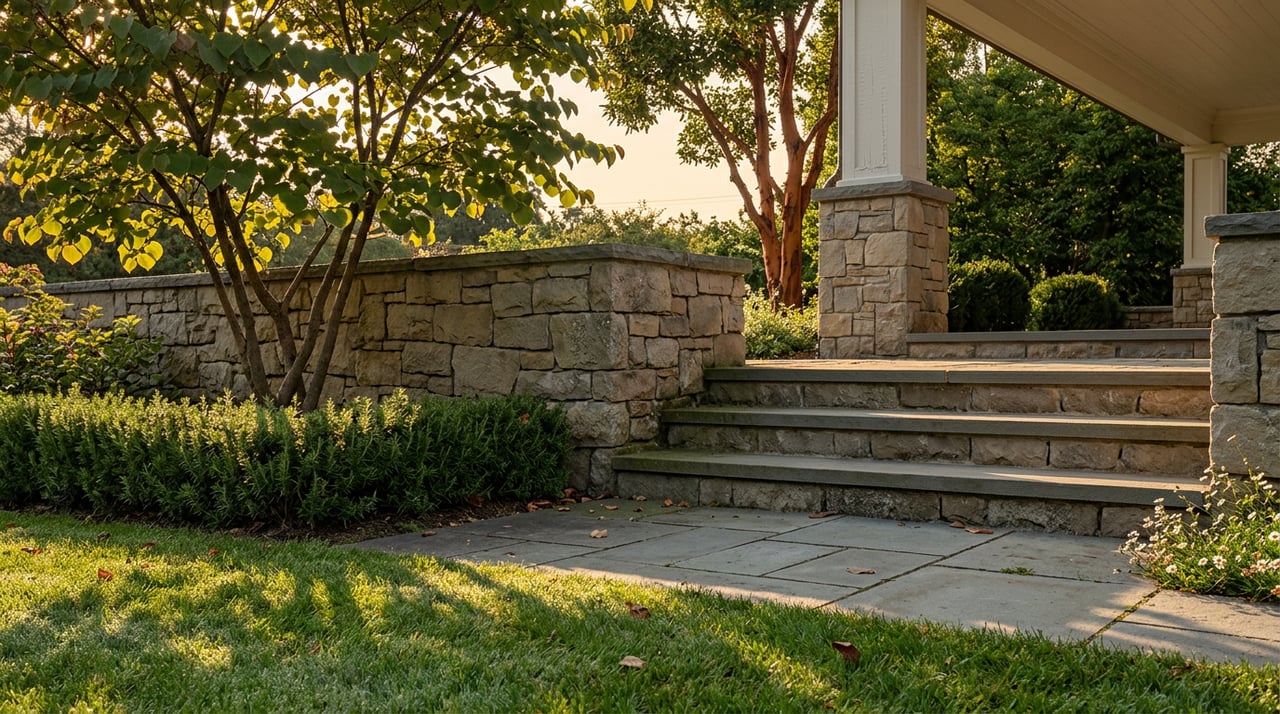
Patios and terraces for flow
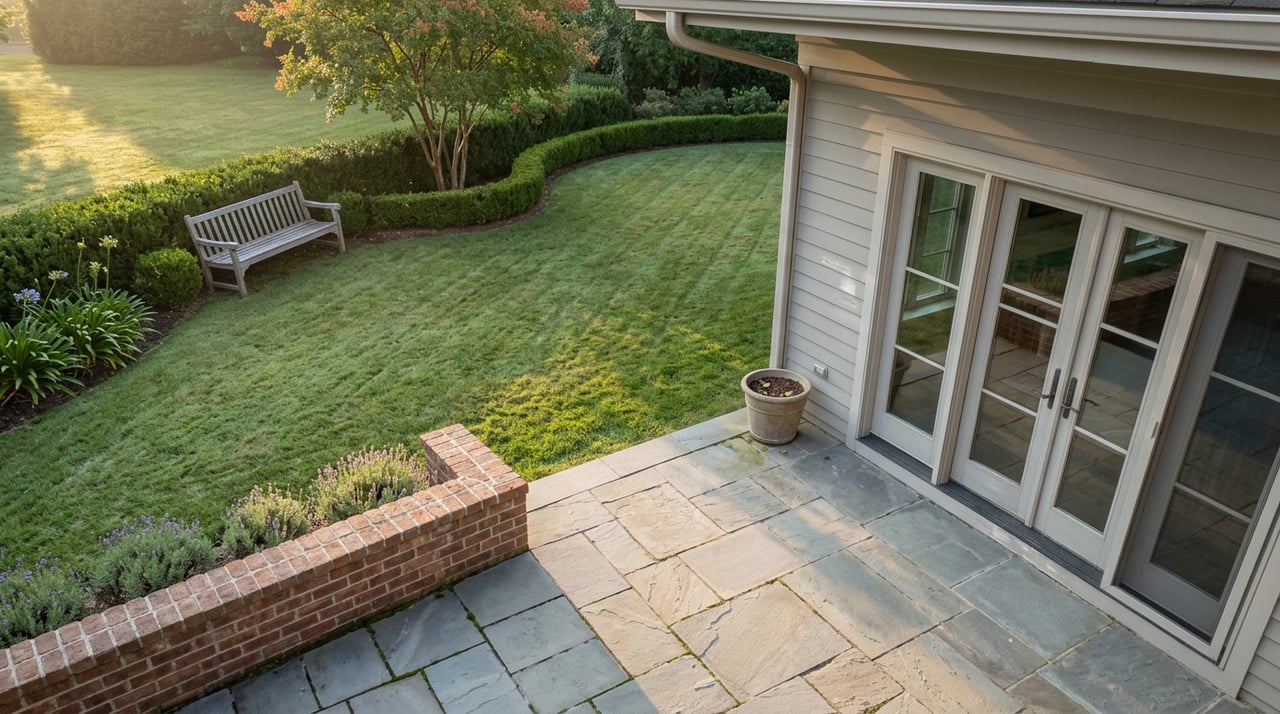
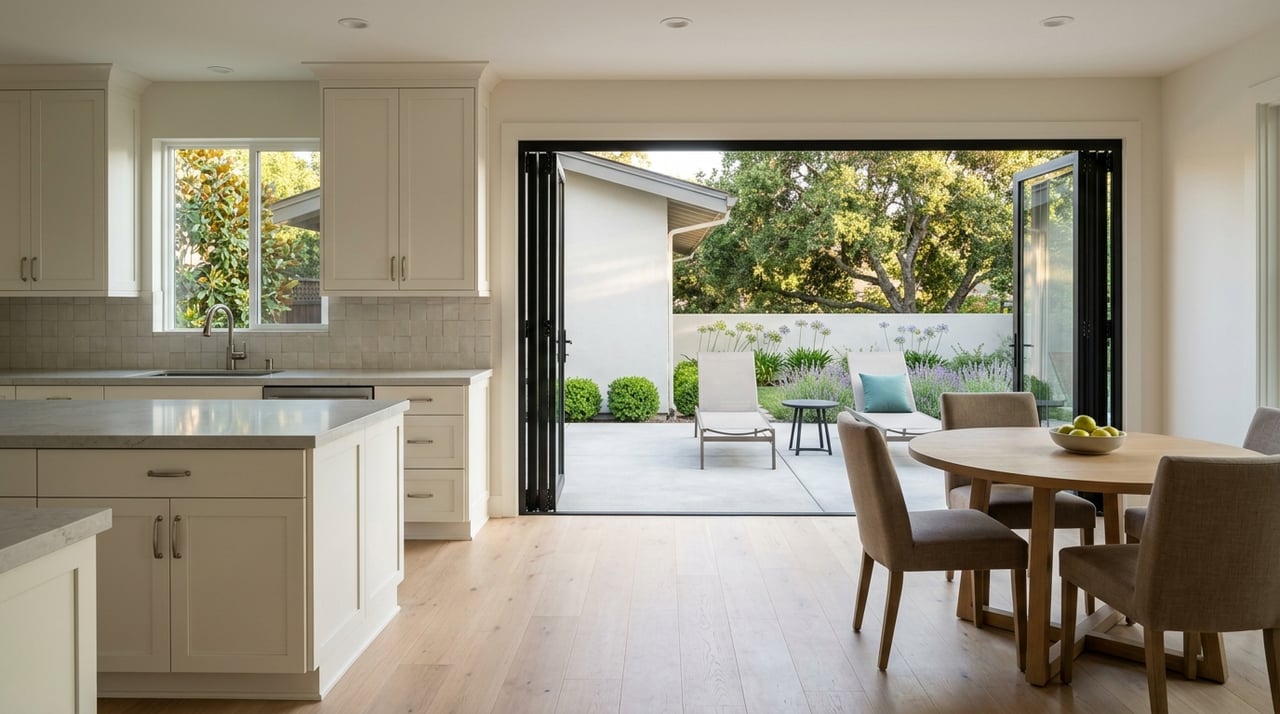
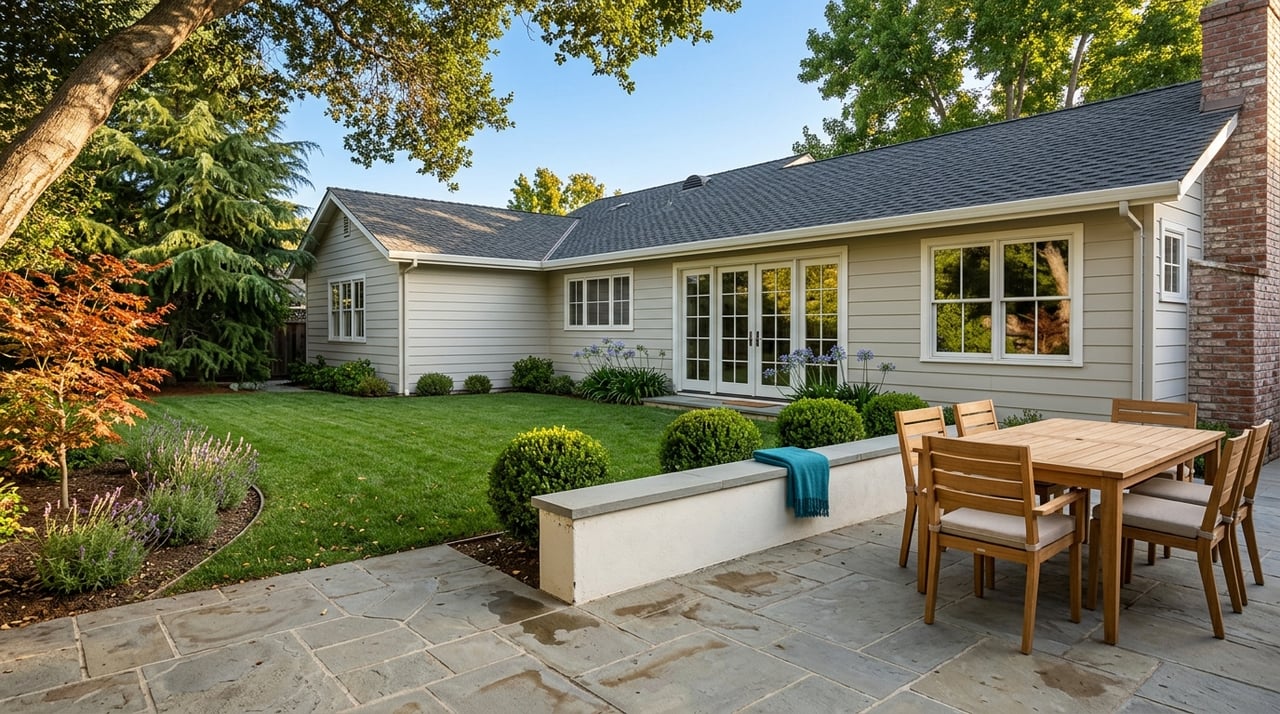
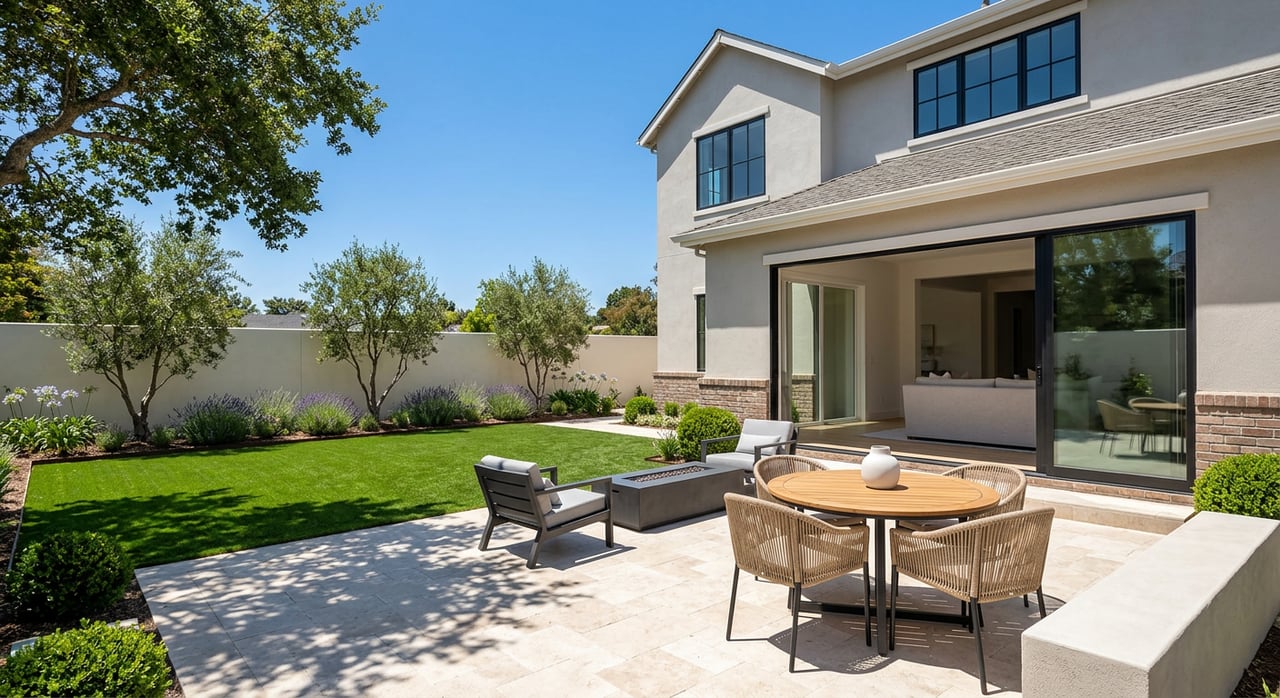
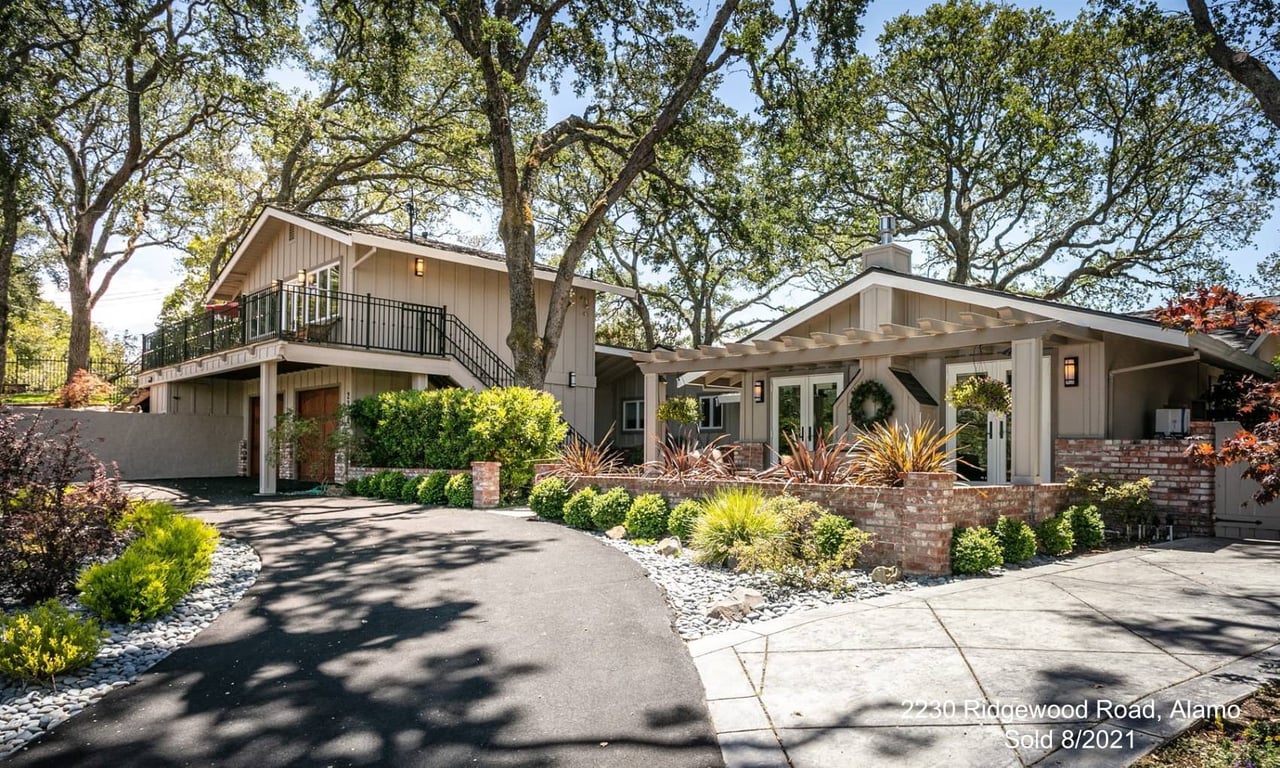
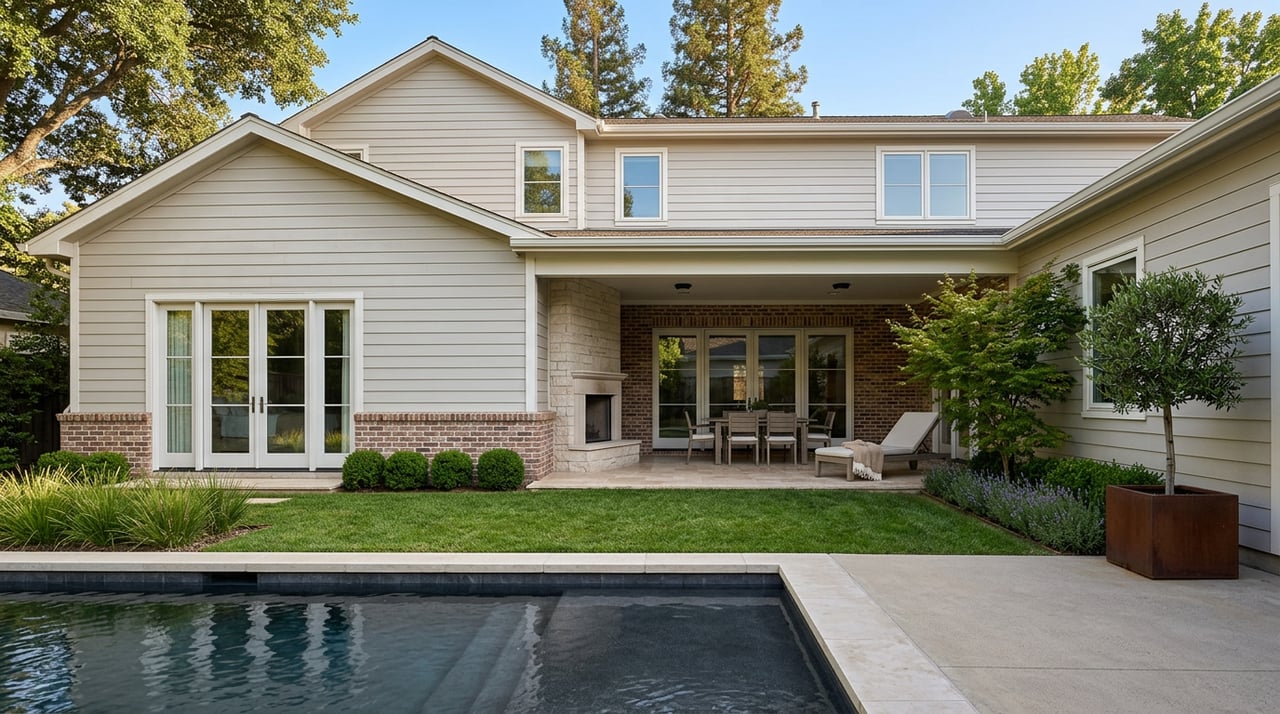
Ground-level patios are often more cost-effective than decks for the same footprint, and they are easier to harden against embers. They work well on flat to moderate yards, especially where you want a smooth indoor to outdoor transition. Industry cost-vs-value benchmarks show patios and decks tend to have solid buyer appeal, though exact recovery varies by project and market conditions (Cost vs. Value context).
Covered loggias and pergolas
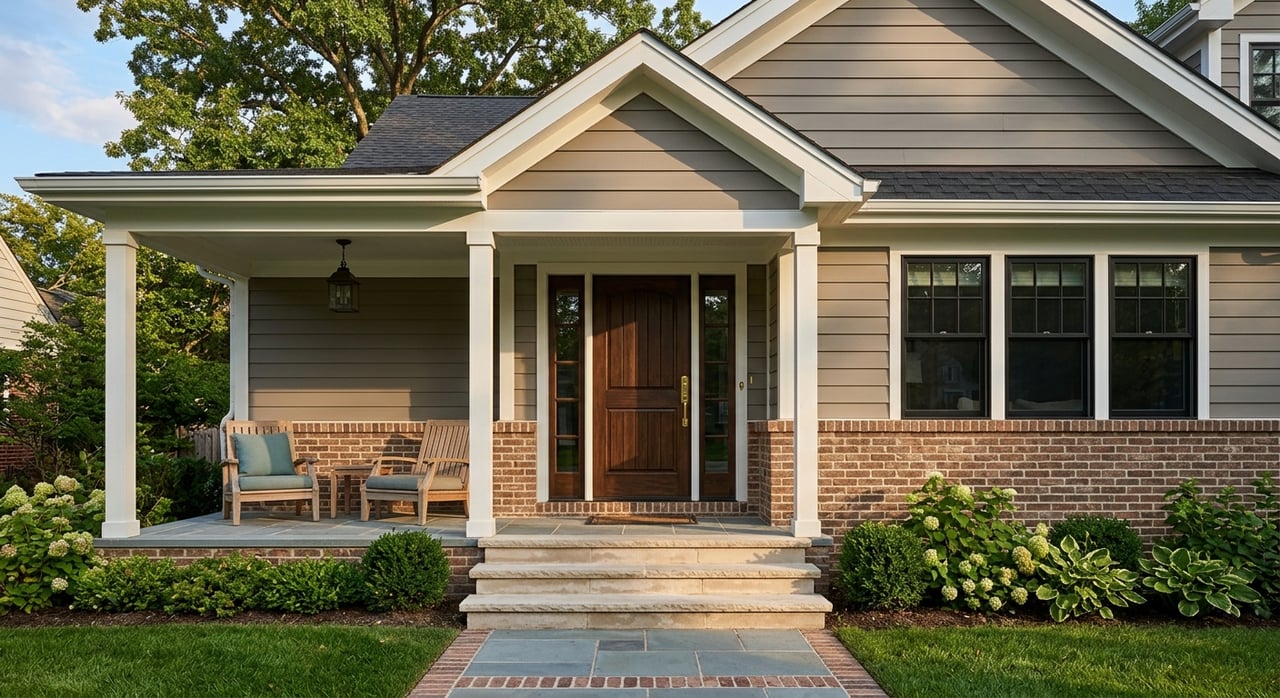
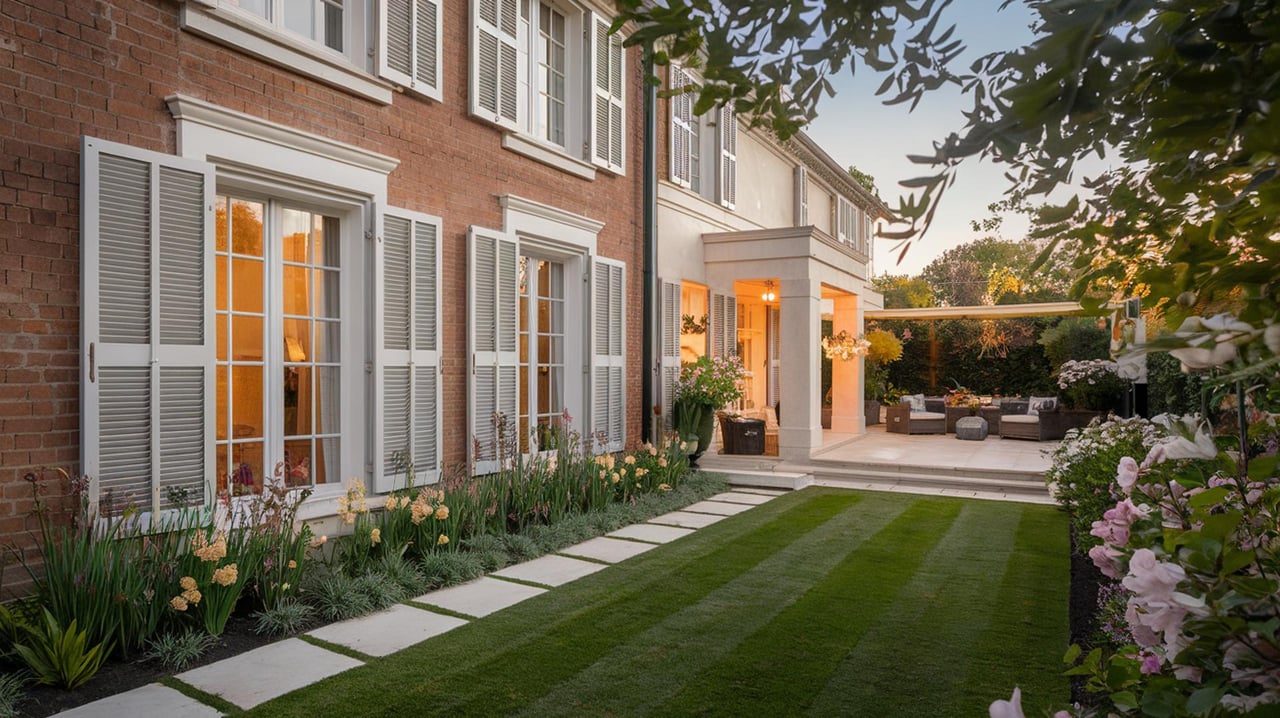
Shade structures extend the usable season, add shelter during light rain, and photograph as an extra “room.” In Lamorinda, covered spaces and screened porches are highly marketable because year-round outdoor use is common. NAR’s Remodeling Impact Report highlights strong homeowner satisfaction with outdoor features and frequent REALTOR recommendations before listing (report insights).
Gardens that thrive here
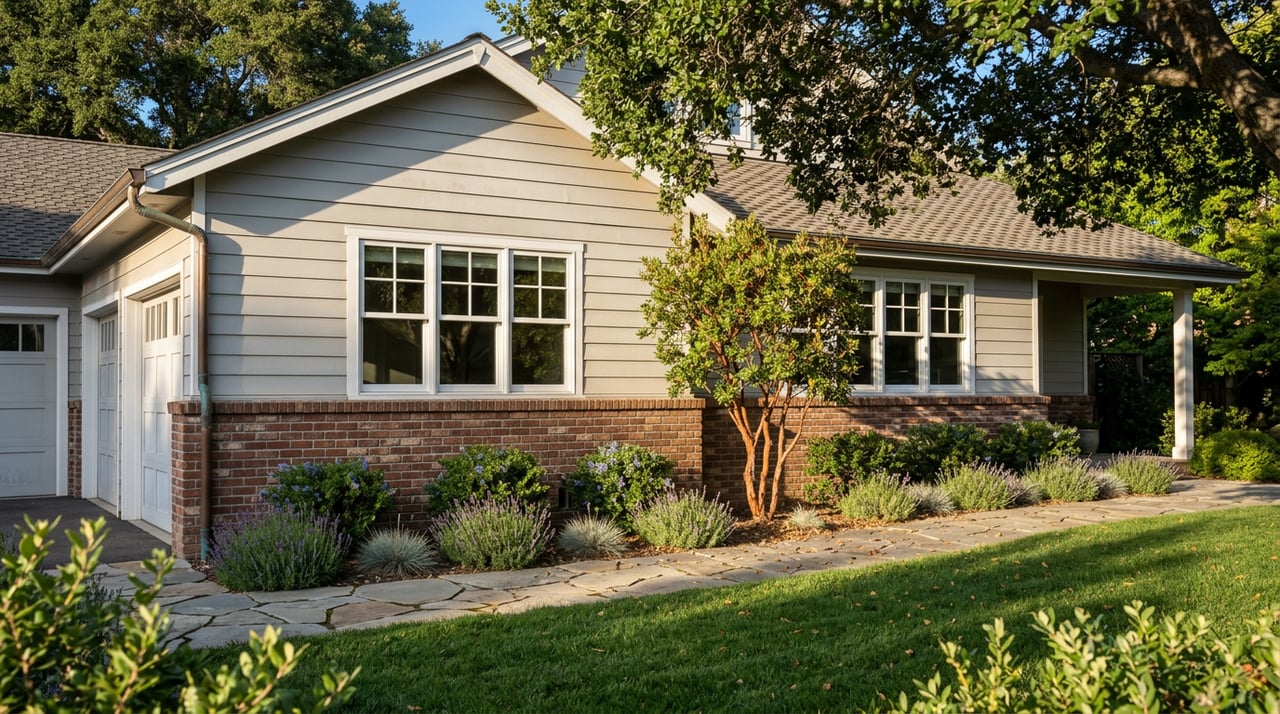
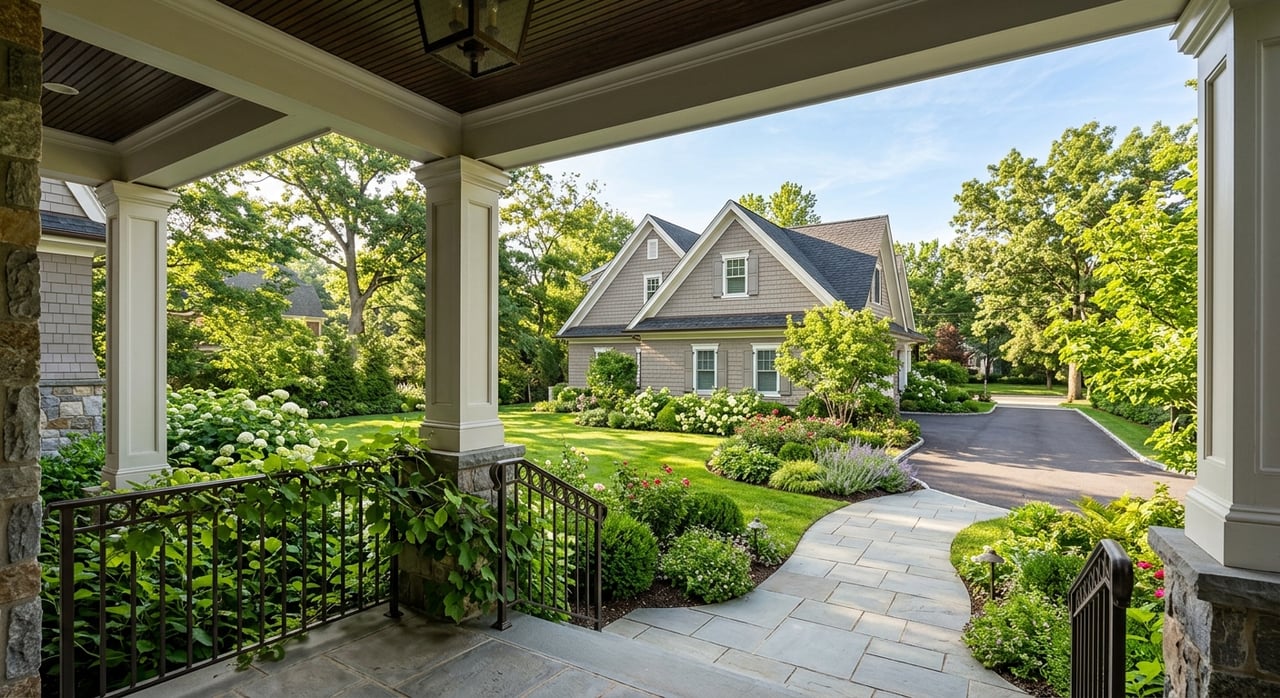
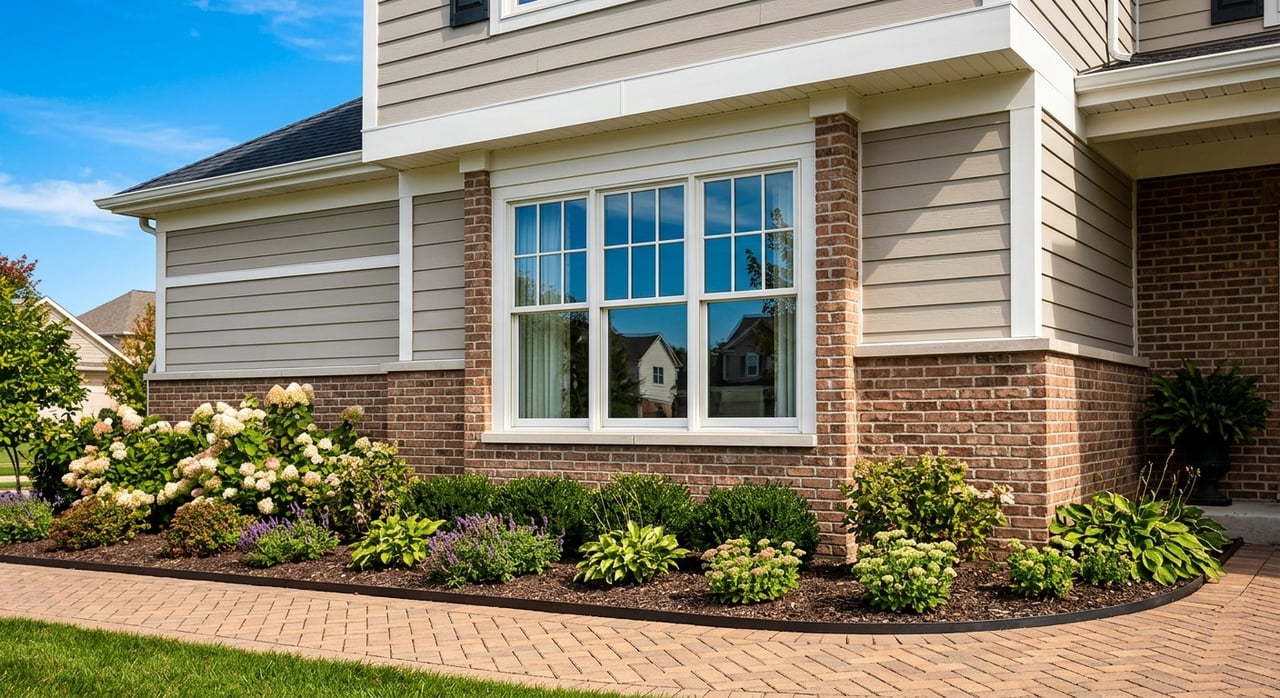
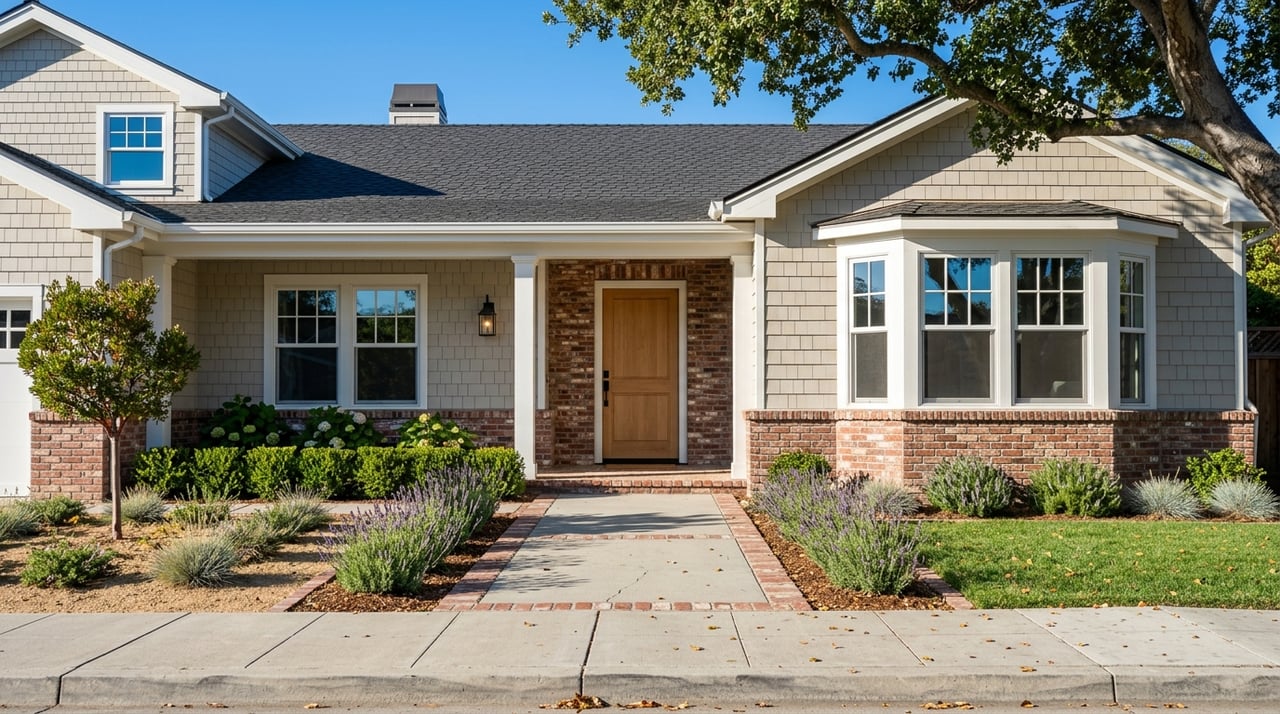
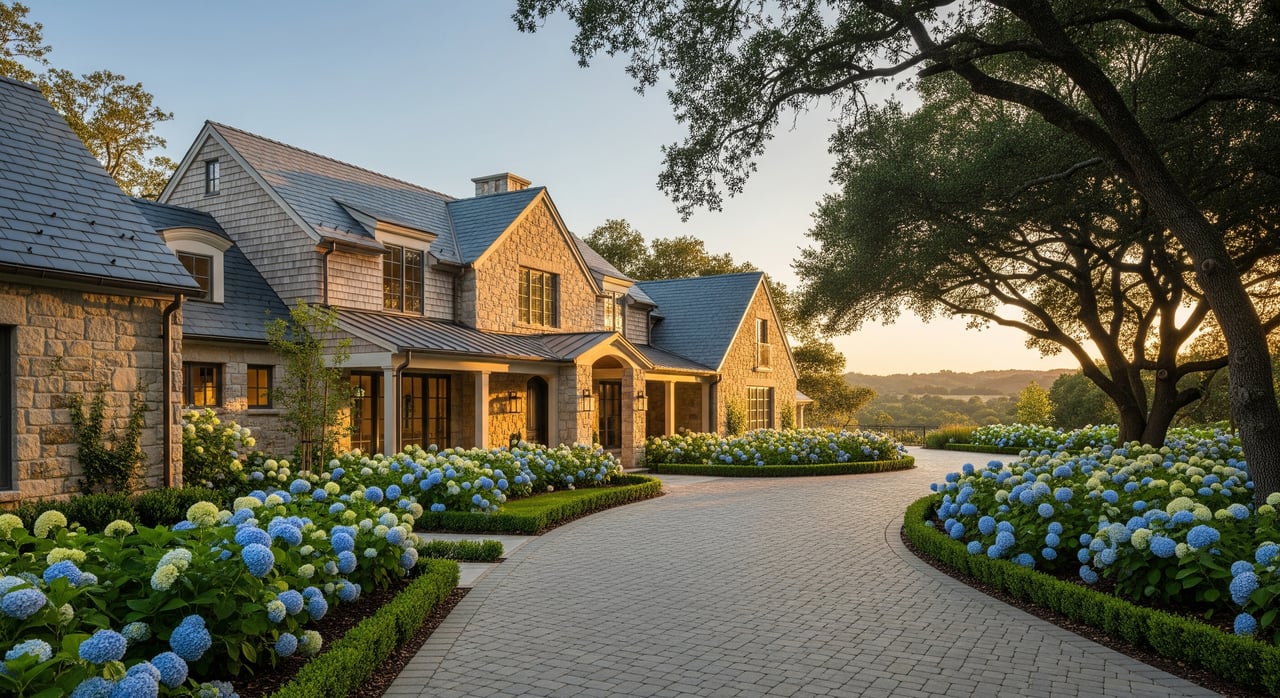
Drought-tolerant and native plants match our dry summers and support local habitat. In fire-prone areas, choose firewise species and spacing, and keep combustible plants away from structures. Use the USDA Plant Hardiness Map to verify your site and guide plant selection.
Pools and water features
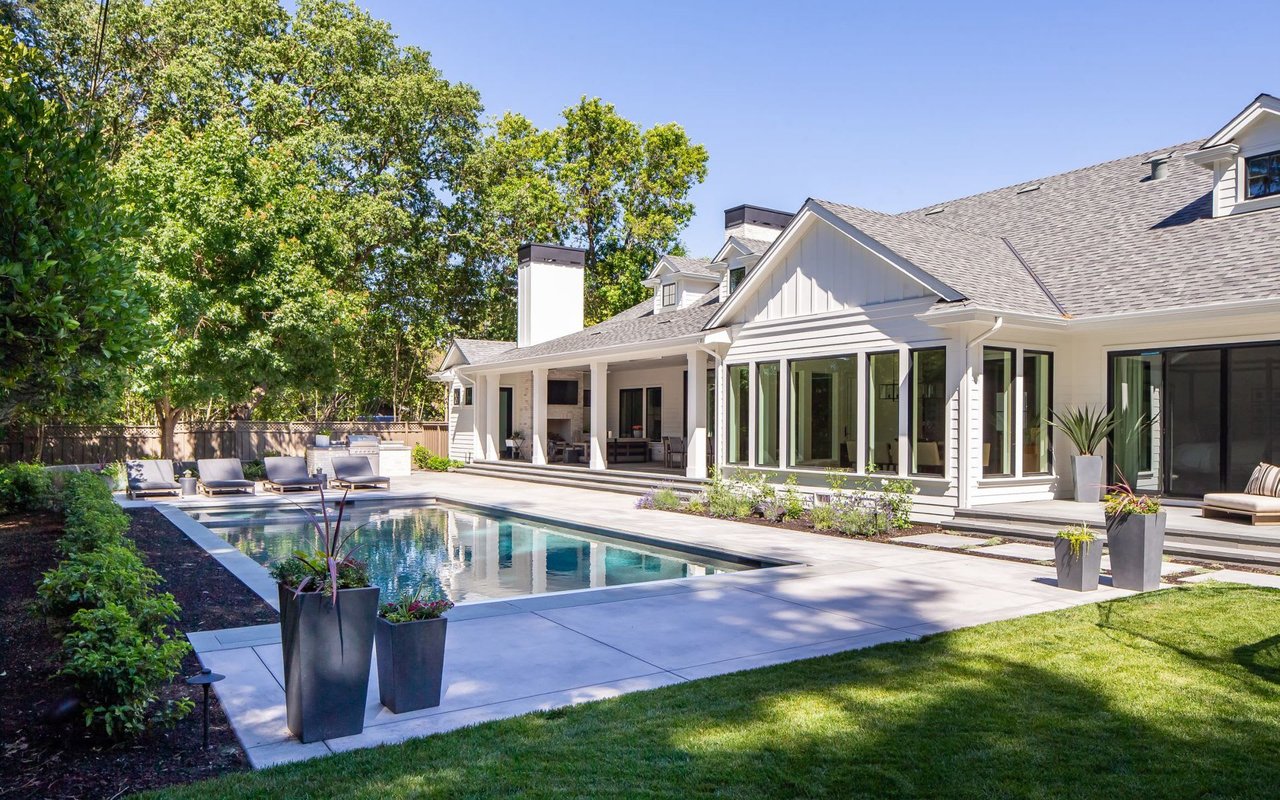
Pools are lifestyle winners for many owners but bring higher maintenance and water considerations. Industry reports show high satisfaction yet mixed resale cost recovery, so frame a pool as a personal-value upgrade rather than a guaranteed return (Remodeling Impact Report). If you add one, plan early for safety fencing, drainage, and long-term operating costs.
Materials and wildfire readiness
Portions of Lafayette sit in Very High Fire Hazard Severity Zones, so design with an ember-first mindset. Embers are a leading cause of ignition, especially at decking, eaves, vents, and landscaping close to the house (ember exposure guidance).
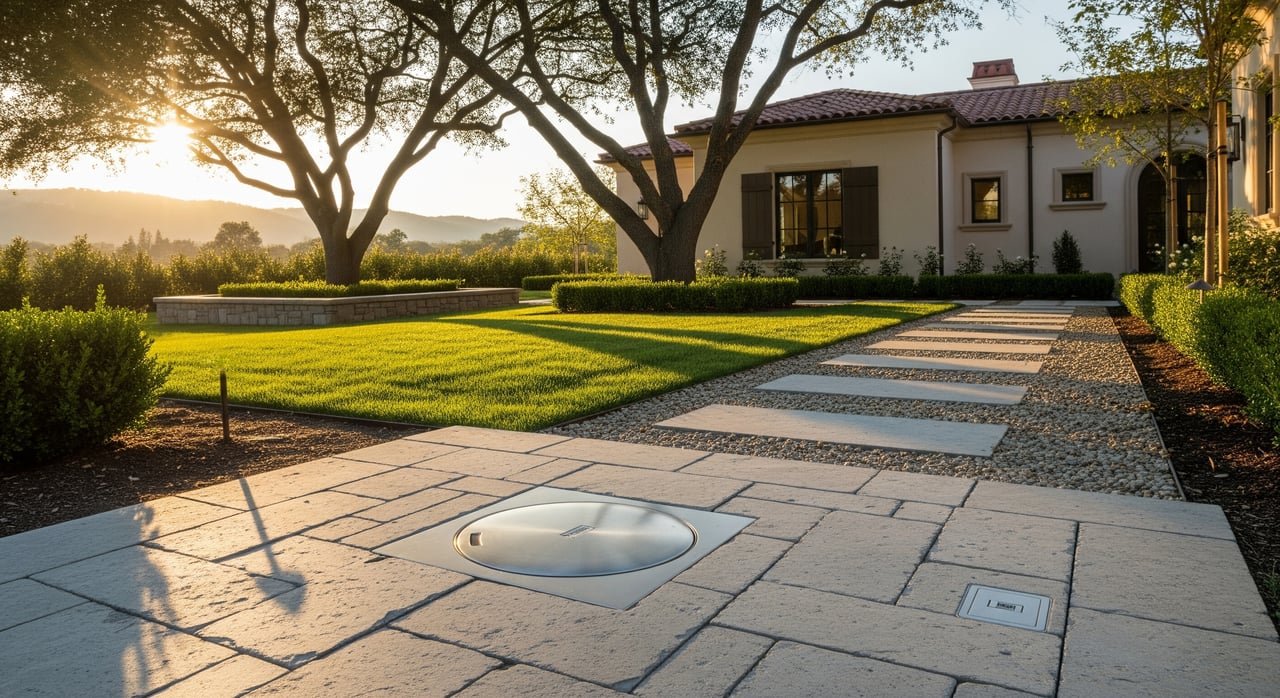
- Create a noncombustible 0 to 5 foot perimeter using concrete, compacted gravel, or permeable pavers. This doubles as a tidy, low-maintenance border.
- For decking near the house, consider ignition-resistant or noncombustible materials and install ember-blocking flashing at ledger connections. Keep under-deck areas free of debris.
- Use Cal Fire and the Office of the State Fire Marshal listings when you specify WUI-tested decking, vents, and other assemblies (WUI product listings).
These choices improve safety and can reassure buyers who now ask pointed questions about wildfire readiness.
Microclimate and orientation tips
Because Lafayette is warmer than neighborhoods west of the hills, prioritize shade and airflow. Site patios to capture afternoon and evening views, then manage midday sun with pergolas, umbrellas, awnings, or deciduous vines that add shade in summer and light in winter (local climate patterns). On hillside lots, orient seating and dining toward the best vista and place service zones, like BBQ and storage, out of sight so the view remains the star.
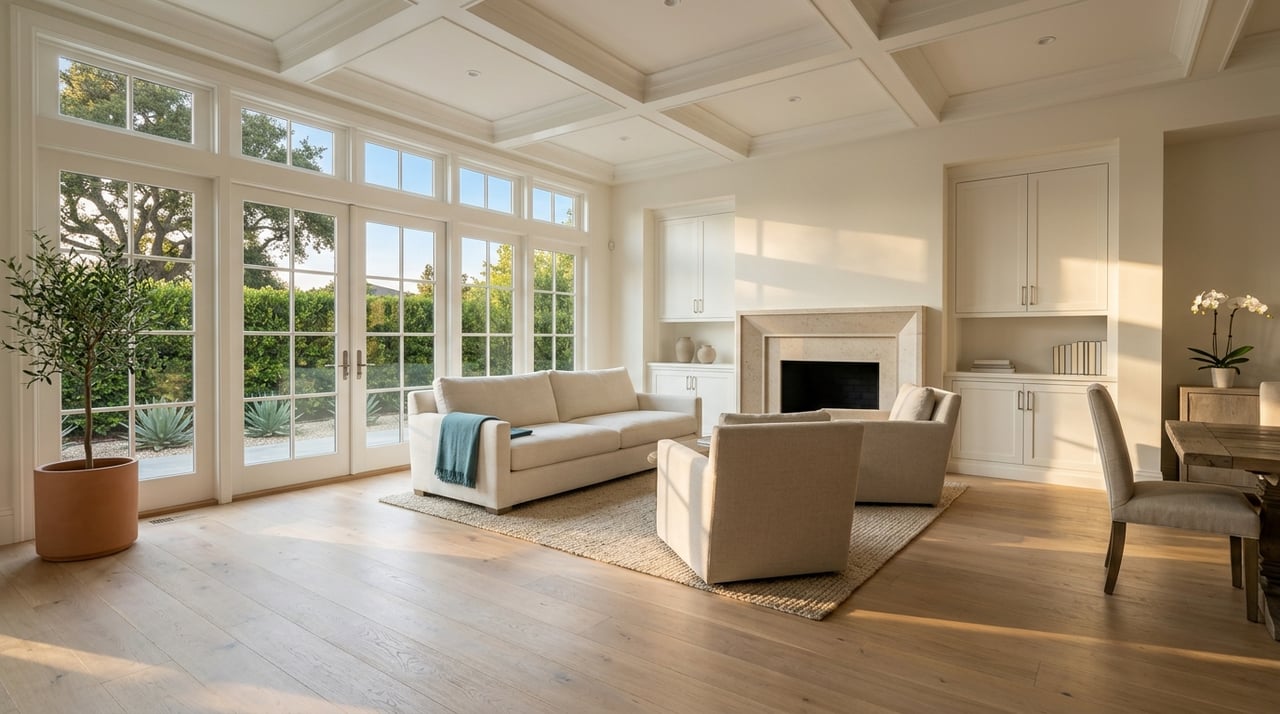
For comfort, add a simple fan under a covered structure, low-glare lighting, and a mix of sun and shade seating. These small moves make spaces feel inviting for both daily use and showings.
Permits and hillside rules in Lafayette
Plan ahead for a multi-agency process. Many projects move through Lafayette Planning and Building for zoning and plan checks, then route to ConFire for fire clearance as needed, and to Contra Costa County for building plan check and inspections. Expect several steps for anything beyond minor refreshes (Planning & Building process).
If your property sits in the Hillside Overlay District, you may need a Hillside Development Permit. Larger decks, terraces, grading, and retaining walls on slopes can trigger geotechnical studies and phased review. Confirm status early using the city’s guidance so you can align design, budget, and timeline (Hillside Development Permit overview).
For fire-prone locations, local rules and state guidance may add defensible space, ember-resistant construction, and approved product requirements. Cal Fire’s resources are the starting point for WUI-related questions and materials reviews (Cal Fire community preparedness). You can also review the city’s wildfire planning hub for neighborhood preparedness context (Lafayette wildfire planning).
Resale, ROI, and staging for sellers
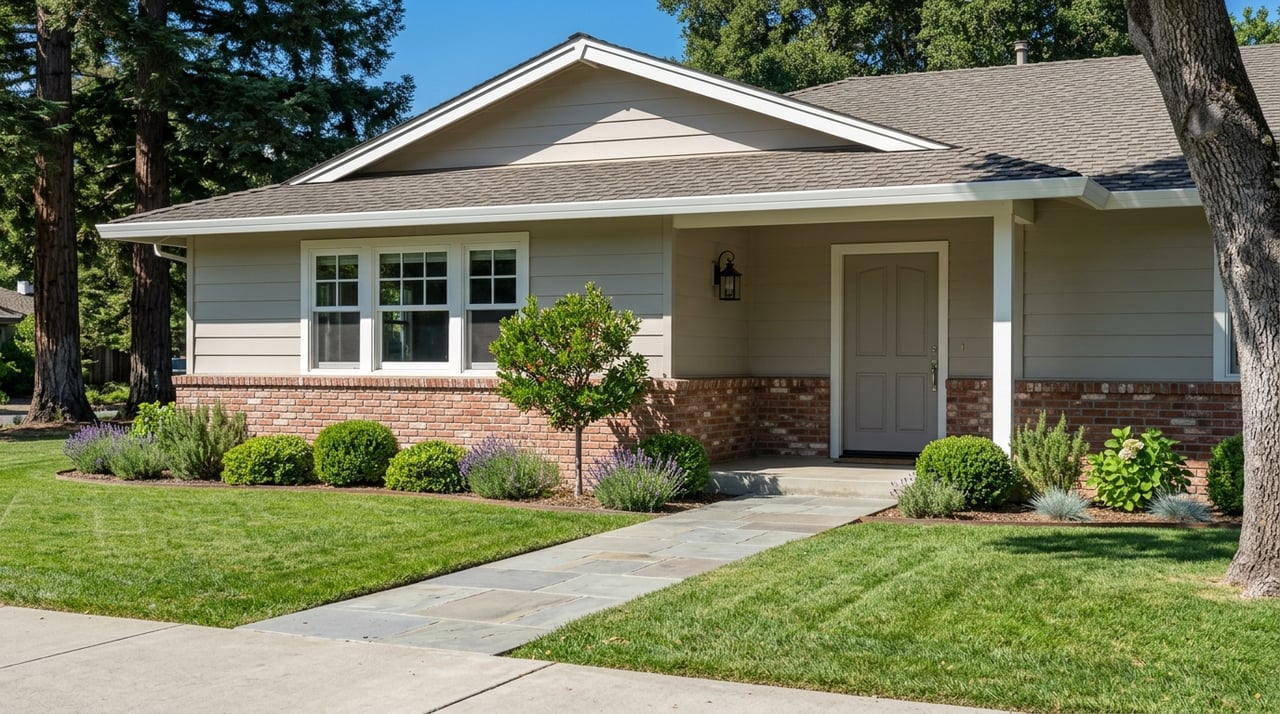
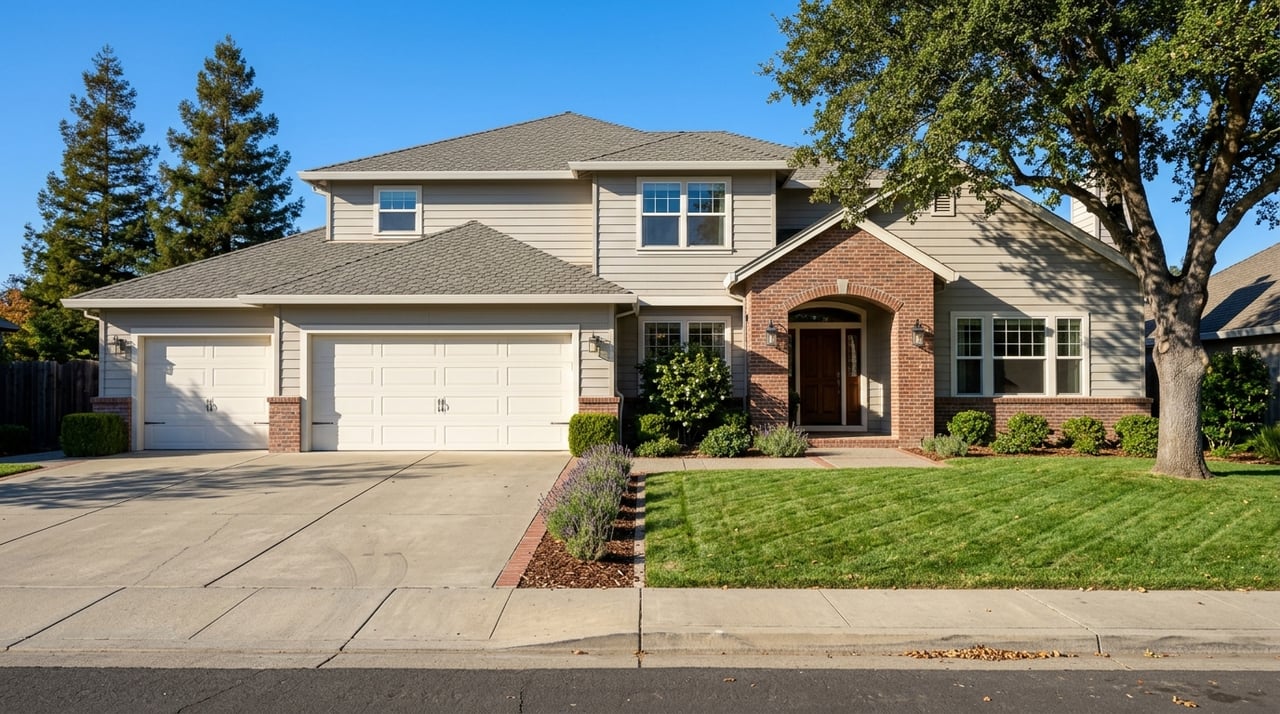
If you plan to sell in the next 12 to 24 months, focus on features buyers notice first. REALTORS consistently recommend curb appeal, landscape maintenance, and functional patios or decks before listing. Homeowner satisfaction is high for many outdoor projects, while cost recovery varies by scope and market conditions (NAR Remodeling Impact highlights; Cost vs. Value context).
Quick-win staging moves that work in Lafayette:
- Clean and edit: Tidy beds and pathways, refresh mulch, and prune to open views.
- Safety and sparkle: Repair or replace damaged deck boards, tighten railings, and add warm string and step lighting.
- Show scale: Place two bistro sets or a clear dining and lounge setup so buyers imagine daily life outdoors.
- Fire-smart cues: Maintain a visible 0 to 5 foot noncombustible zone and a well-kept 0 to 30 foot area. Document recent fuel reduction or inspections.
Mid-range and lifestyle investments:
- Rehab or add a patio/deck that improves indoor to outdoor flow with durable, low-maintenance surfaces.
- Add shade with a pergola or cover to extend the season and comfort.
- Lifestyle features like outdoor kitchens and pools are best positioned as personal-value upgrades with strong enjoyment but mixed cost recovery.
For hillside and view homes, stage seating to face the view, keep railings and surfaces spotless, and photograph in late afternoon or early evening to highlight both light and vista.
Project planning checklist
- Small updates: Landscape refresh, irrigation tune-up, string and path lighting, and furniture. Usually minimal permitting, but always check pool safety and fence rules with the city (Planning & Building quick links).
- Medium projects: Attached decks, pergolas, significant grading, retaining walls, and pools. Expect planning review, ConFire input, and county building permits. Hillside sites often need geotechnical and design review.
- Fire readiness: Specify ember-resistant details at the house to deck connection, maintain defensible space, and use WUI-listed products where applicable (WUI product listings; ember exposure guidance).
Next steps and local resources
- City of Lafayette Planning & Building: start here for zoning, plan checks, and process questions (process overview).
- Hillside Development Permit: understand triggers and submittals for sloped properties (Hillside guidance).
- Wildfire preparedness, WUI materials, and defensible space: Cal Fire and the State Fire Marshal (community preparedness hub).
- Local wildfire planning context: the city’s wildfire information center (Lafayette wildfire planning).
- Plant selection and climate fit: USDA Plant Hardiness Map.
Ready to tailor a project plan or prep your home for market? Reach out to Brad Gothberg for discreet guidance on design choices, vendors, and timing that position your Lafayette property for a premium result.
FAQs
Do Lafayette decks or patios need permits?
- Many decks, patios with structures, retaining walls, and pools require planning review and county building permits. Hillside properties often need a Hillside Development Permit. Start with the city’s Planning & Building team for your specific scope and address (process overview).
Which decking materials are safer in wildfire zones?
- Near the house, use ignition-resistant or noncombustible options, add proper ledger flashing, and keep under-deck areas free of debris. Confirm materials against Cal Fire and State Fire Marshal WUI product listings for tested assemblies (WUI listings).
What outdoor upgrades help resale in Lafayette?
- REALTORS often recommend curb appeal, landscape maintenance, and functional patios or decks before listing. Homeowner satisfaction is high, while cost recovery varies by project and market conditions (Remodeling Impact insights; Cost vs. Value context).
How should I plan for Lafayette’s climate when designing?
- Prioritize shade and airflow for warm summers, ensure drainage for wet winters, and select plants that match Zone 9b conditions. Confirm your address on the USDA Plant Hardiness Map and plan seating to capture afternoon and evening views.
Where can I learn about local wildfire readiness requirements?
- Review Cal Fire’s guidance for defensible space and WUI materials and check the city’s wildfire planning hub for local context and programs (Cal Fire preparedness; Lafayette wildfire planning).