If you already know Concord well, moving to Pleasant Hill can seem less like a big relocation and more like a question of fit. Is the lifestyle shift worth the higher price tag? For many move-up buyers, that is the real issue. You are not changing counties or lethinking your daily routine from scratch. You are weighing whether Pleasant Hill’s smaller scale, compact downtown, and amenity-rich civic core better match the way you want to live next. Let’s dive in.
Why this move comes up so often
Concord and Pleasant Hill sit close together in central Contra Costa, but they offer different experiences on the ground. Concord is much larger, with 124,030 residents across 30.6 square miles, while Pleasant Hill has 34,235 residents across 7.1 square miles, according to Census Reporter.
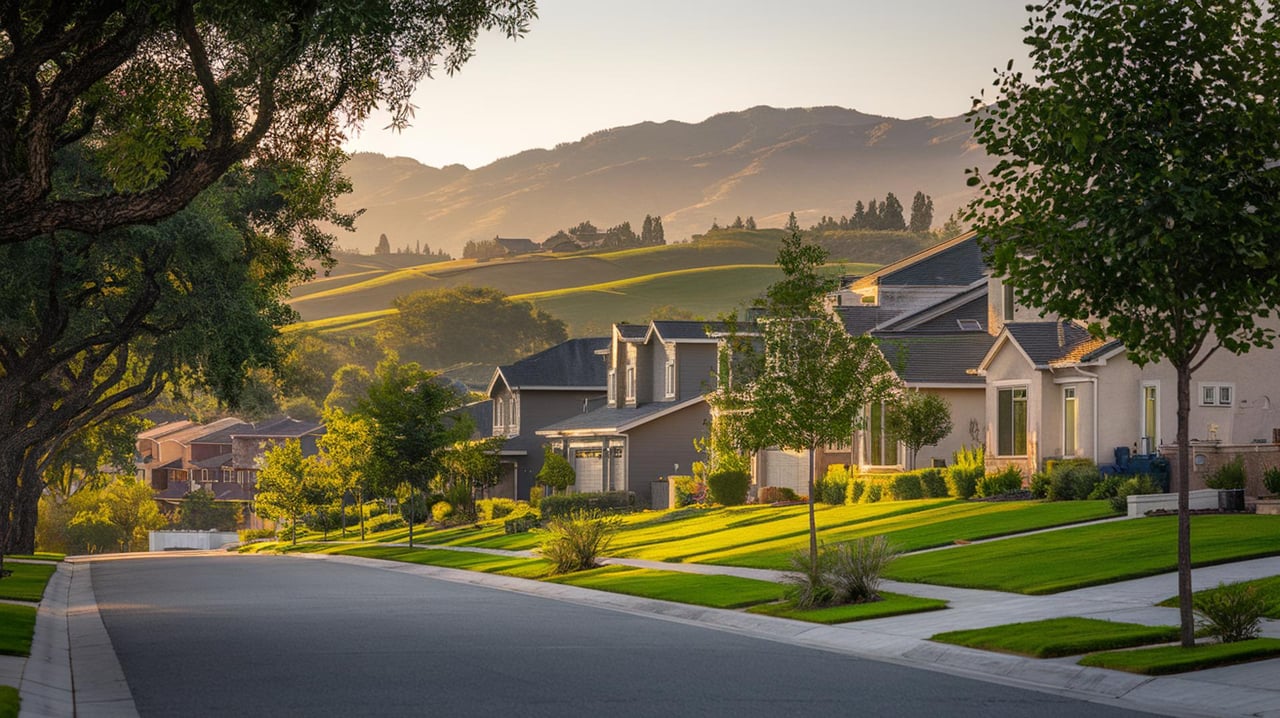
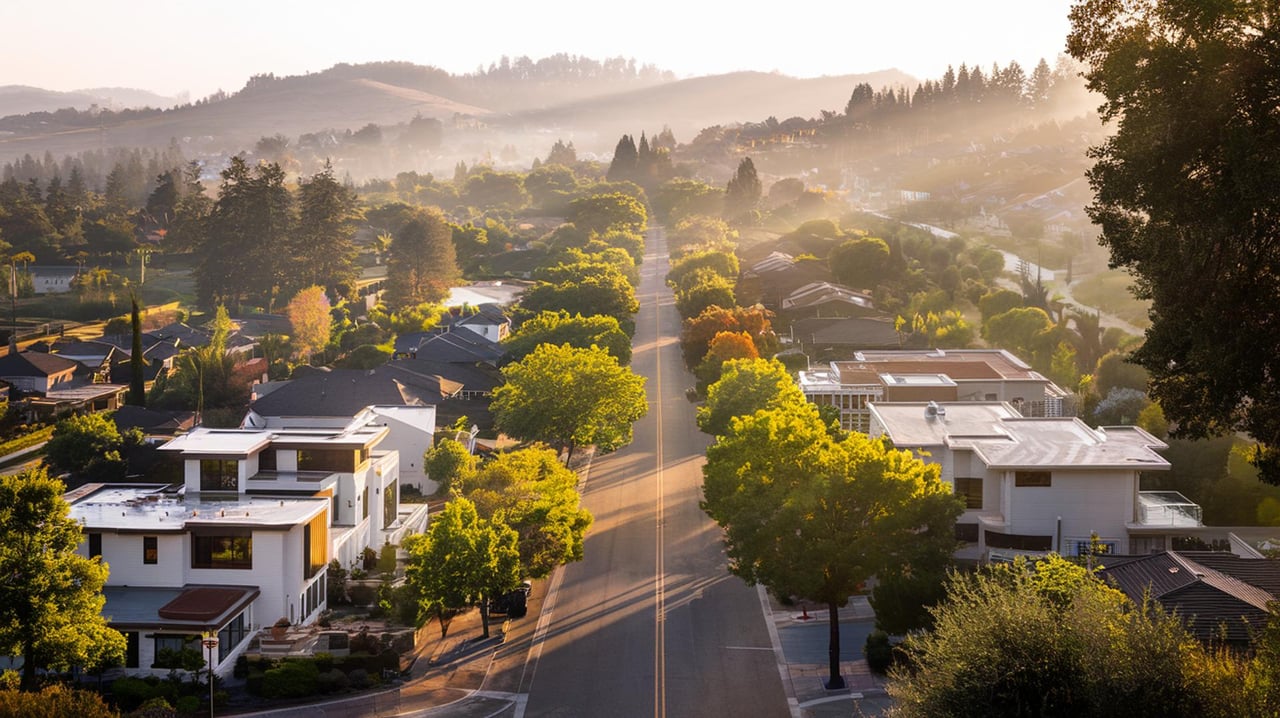
That size difference tends to shape how each city feels day to day. Concord offers more scale, more neighborhood variation, and a more spread-out pattern of amenities. Pleasant Hill reads as a smaller, more concentrated city with a compact downtown and civic center, based on city housing and budget documents from Pleasant Hill and Concord.
For many households, that makes the move-up decision less about distance and more about priorities. If you want a tighter civic core, easier access to downtown events, and a more compact feel, Pleasant Hill can be compelling. If you value broader scale and more neighborhood variety, Concord may still be the better fit.
The price gap is real
Before anything else, you need to look at the math. Recent Redfin city market pages show a median sale price of $1.2 million in Pleasant Hill, compared with $755,000 in Concord. You can review that current pricing context on Redfin’s Pleasant Hill market page.
That spread matters. If you sell in Concord and buy in Pleasant Hill, you are likely looking at a significant budget jump before you even add closing costs, moving expenses, and any updates to the new home.
A simple way to frame it is this:
| Question | Why it matters |
|---|---|
| How much equity do you have in your Concord home? | This determines how much of the Pleasant Hill jump you can cover. |
| What payment feels comfortable now? | Higher prices can affect your monthly budget even with strong equity. |
| How long will you stay? | A larger investment often makes more sense when the lifestyle fit is long term. |
This is where a move-up plan becomes more useful than a casual home search. You want to know not just what Pleasant Hill costs, but whether the move supports your next five to ten years.
Housing choices in Pleasant Hill
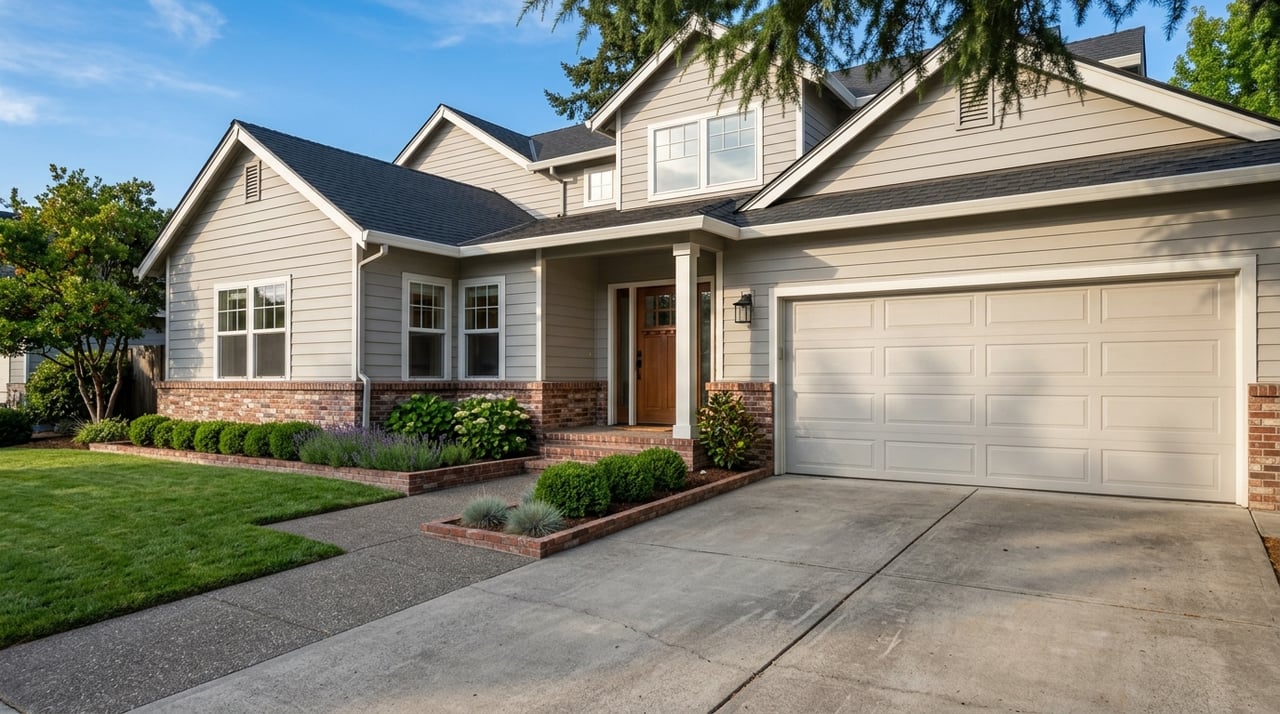
Pleasant Hill offers a mix of housing types, which can help if your goals are changing. The city’s certified housing element reports that its 2020 housing stock was 59.9% single-family detached, 10.9% single-family attached, 7.0% multifamily two-to-four units, 21.6% multifamily five-plus units, and 0.6% mobile homes, according to the Certified Housing Element.
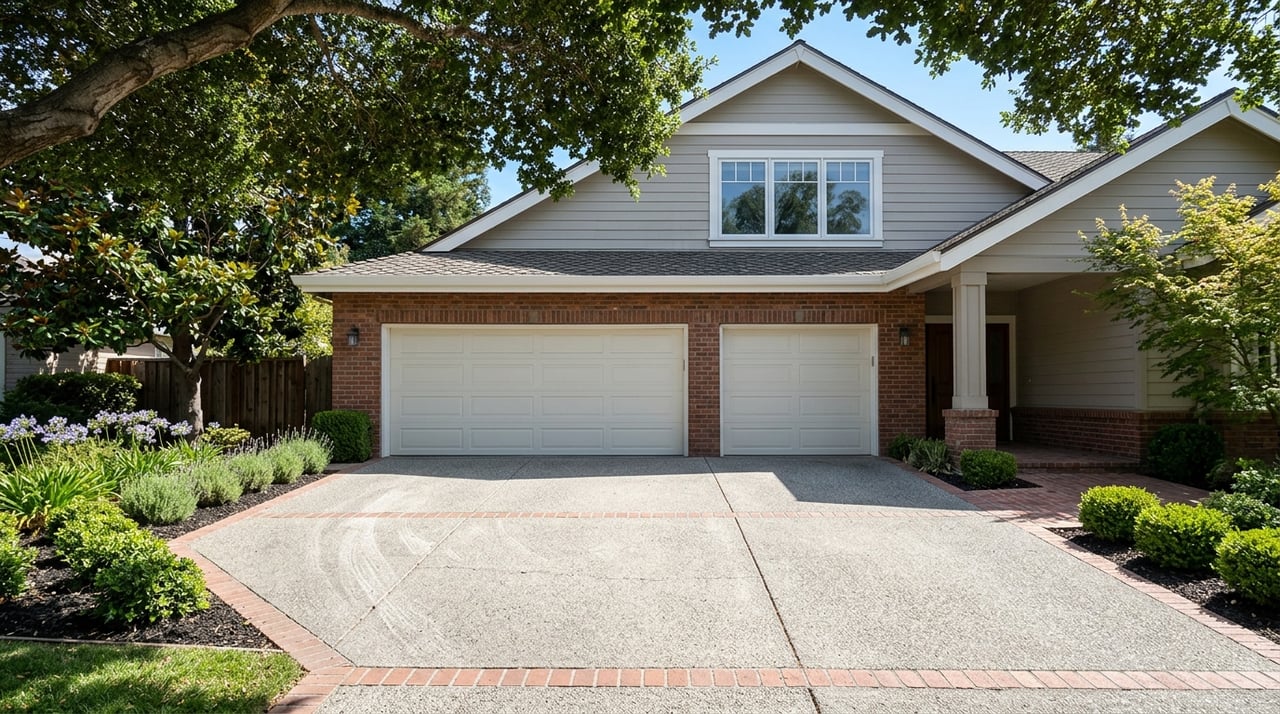
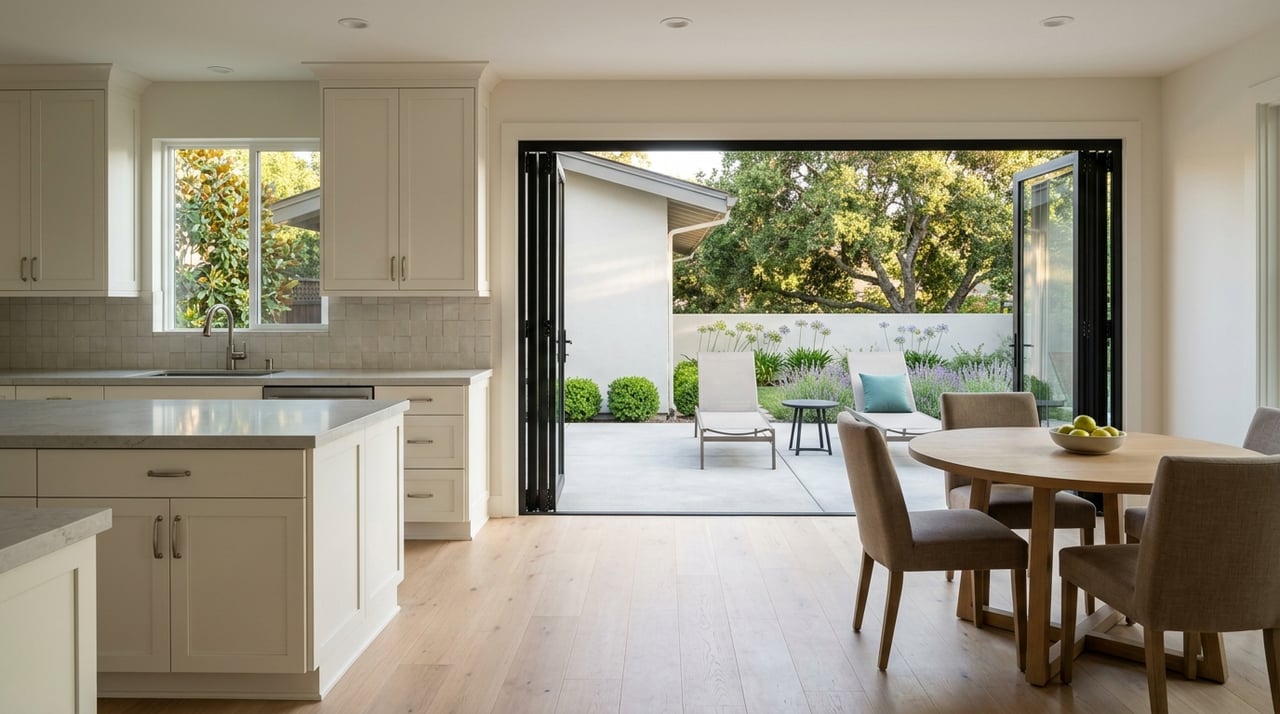
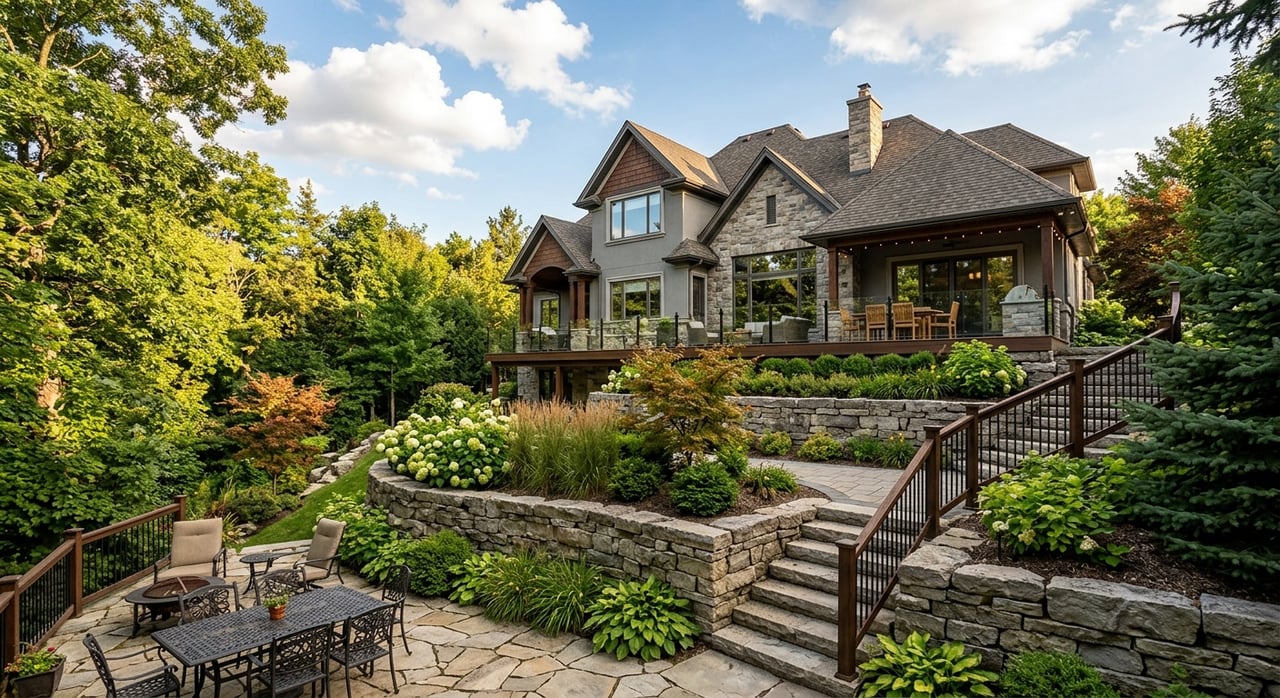
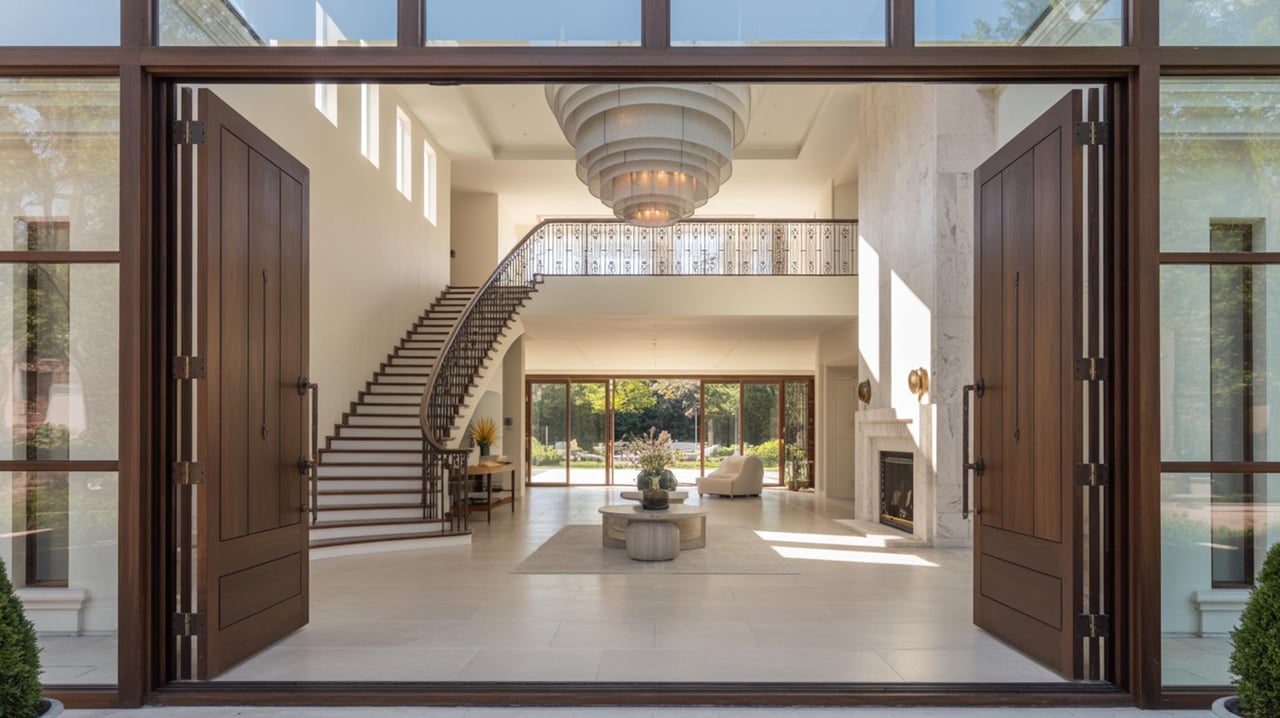
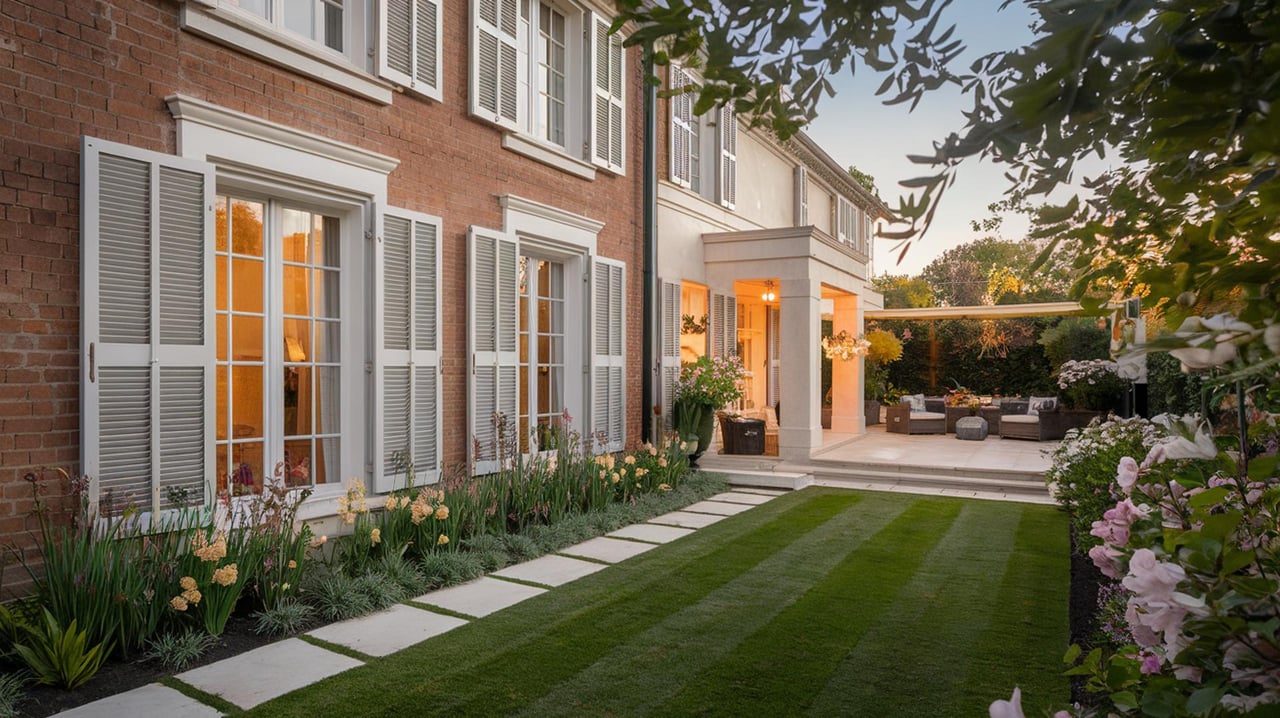
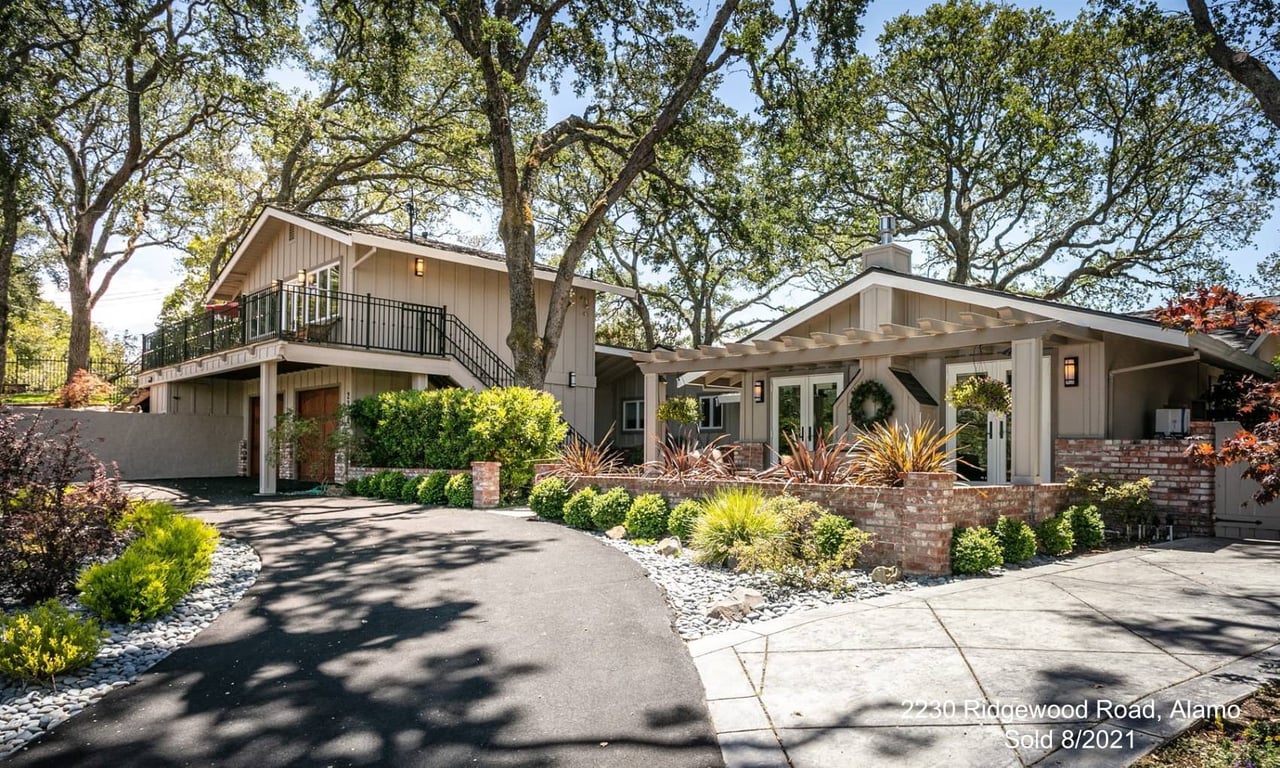
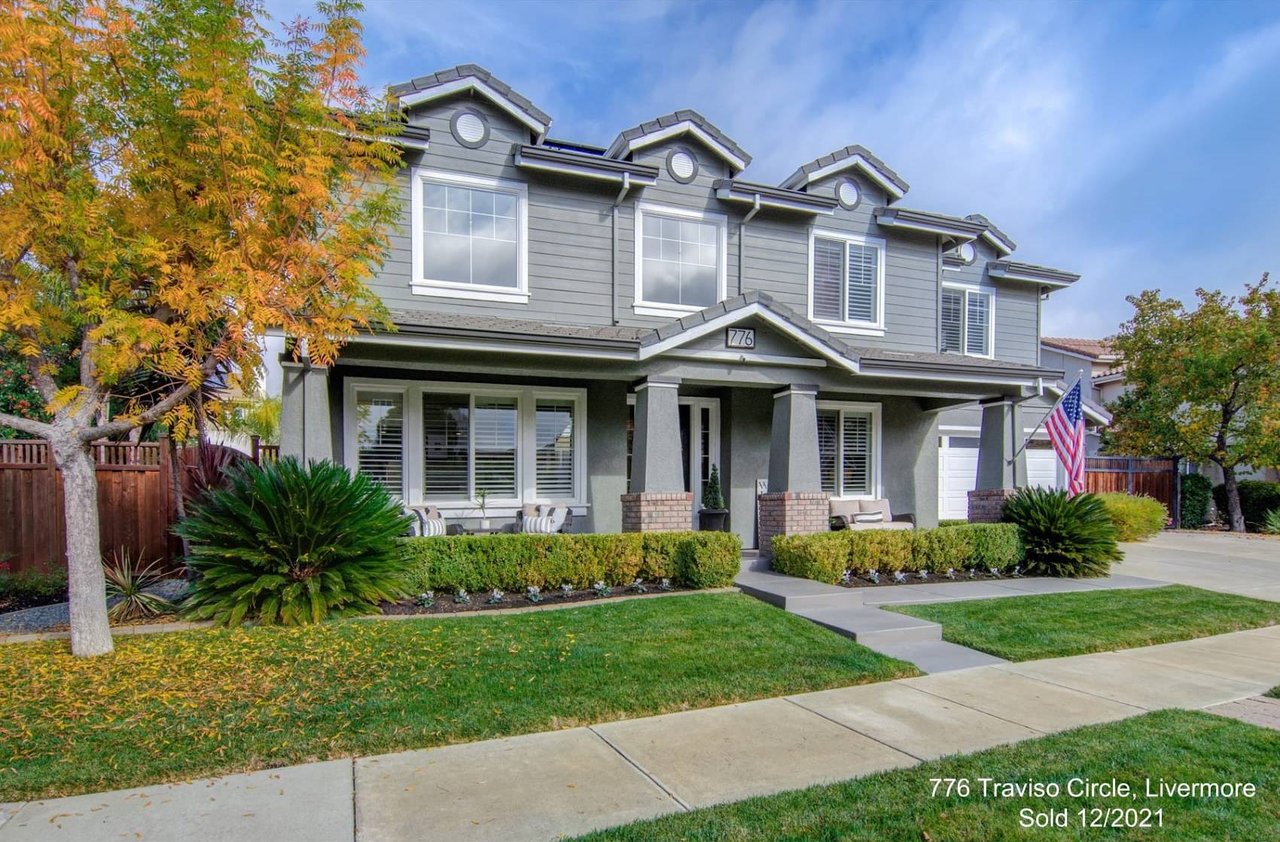
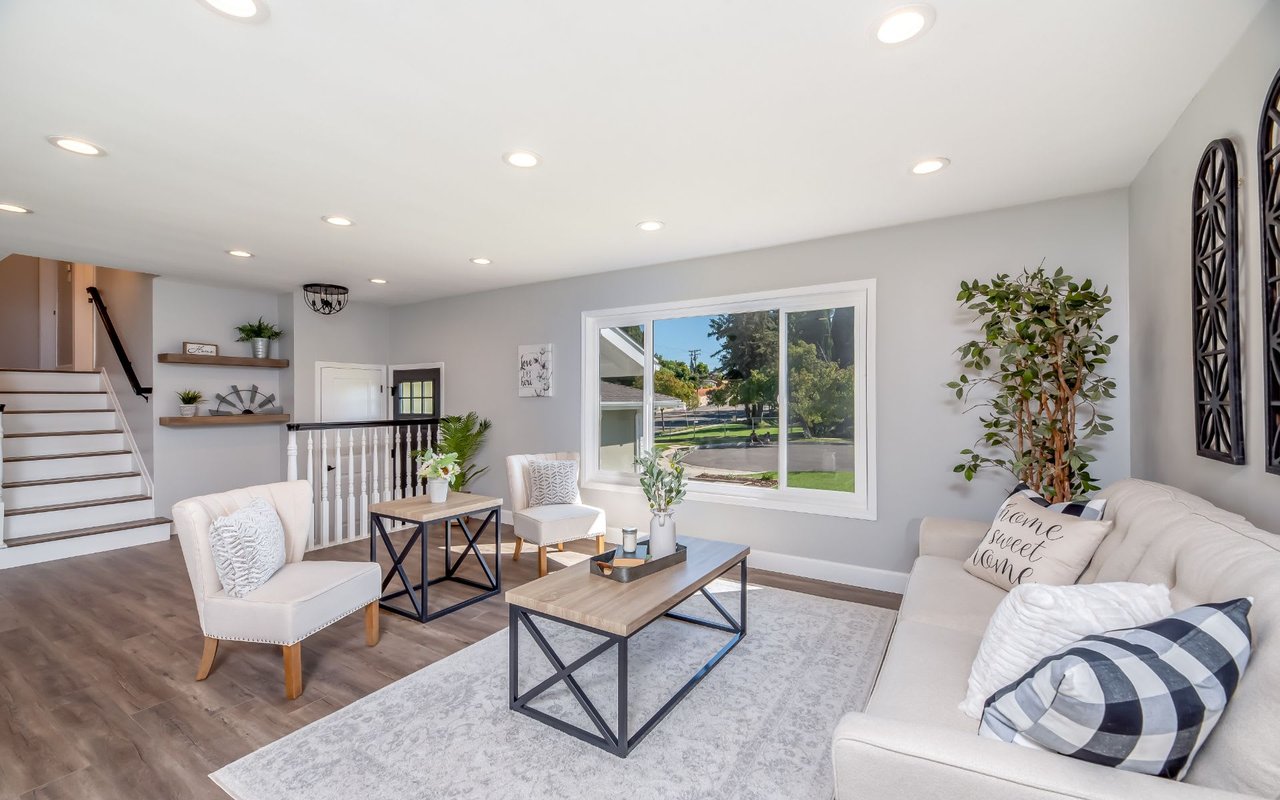
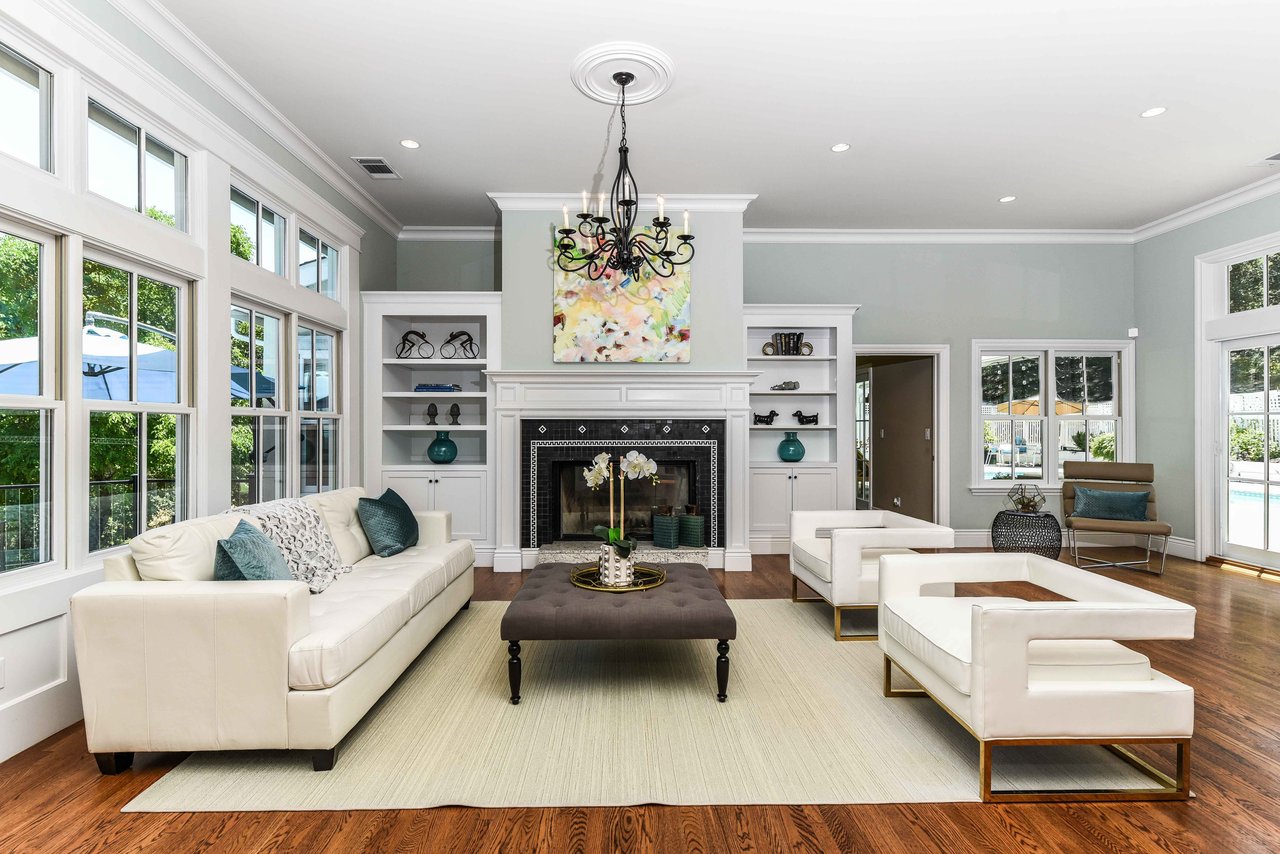
That matters because moving up does not always mean buying the biggest detached house available. For some buyers, the better move is a townhome or condo with lower maintenance and closer access to downtown amenities. For others, the goal is still a detached home, but in a city with a different feel.
Concord also remains heavily owner-occupied and single-family oriented. The city notes that 64% of units are owner-occupied and 67% of homes are single-family, based on the city’s FAQ page.
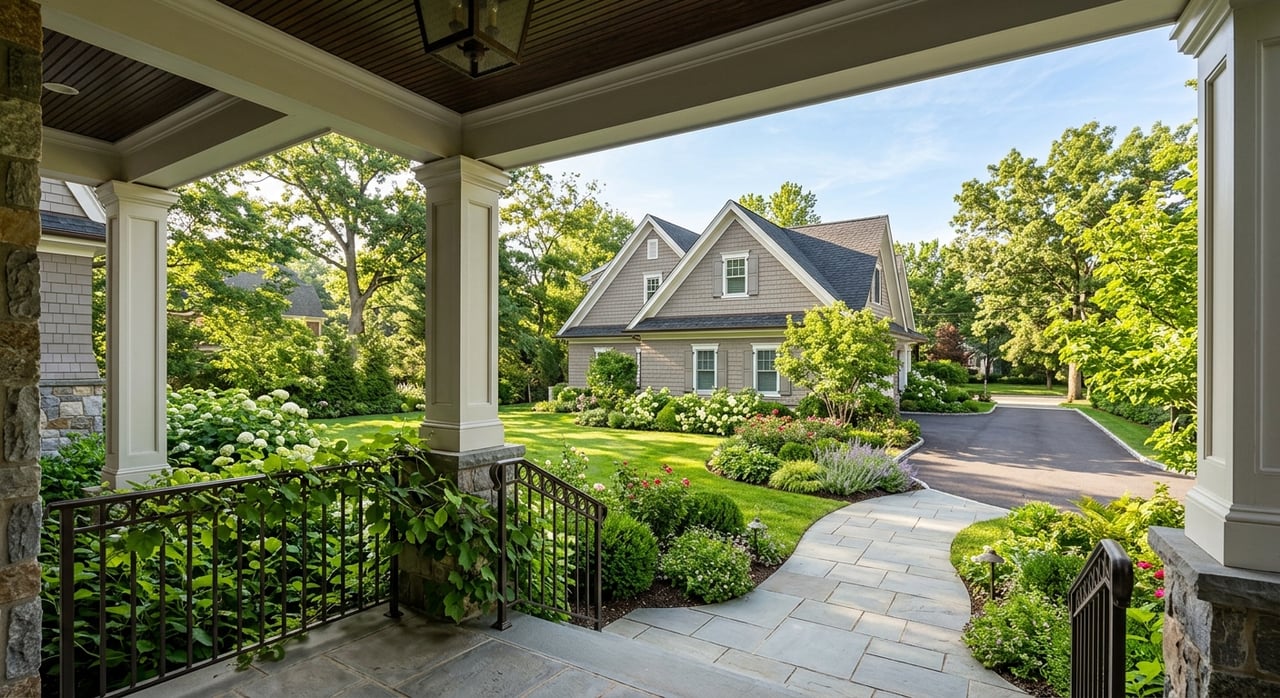
In other words, both cities are suburban and ownership-focused. The difference is not that one is suburban and the other is urban. The difference is that Pleasant Hill often feels more compact and centered, while Concord offers more room, scale, and variety.
Pleasant Hill’s lifestyle advantage
For many buyers, this is the section that decides everything.
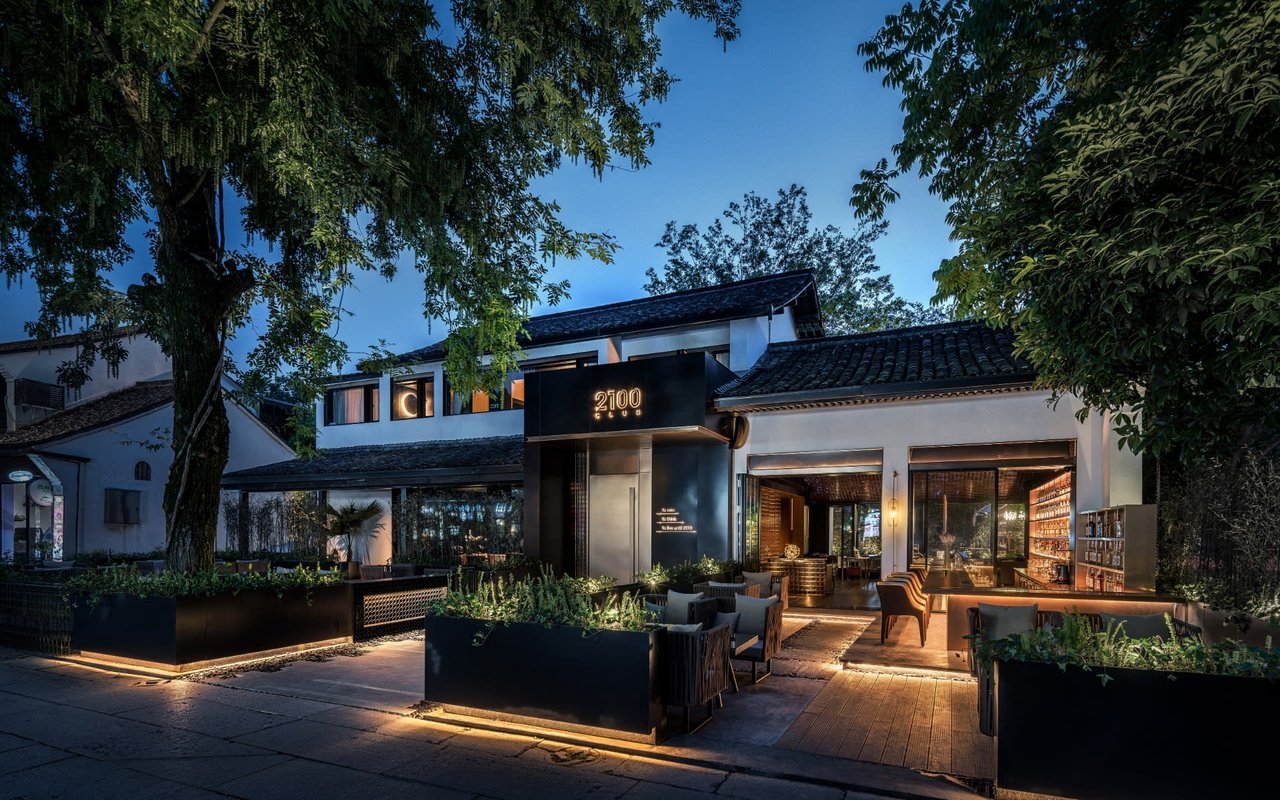
Pleasant Hill’s downtown and civic core are a major part of its identity. The city describes downtown as a compact district that opened in 2000 with retail, restaurants, entertainment, and a central plaza, and city event programming is built around that core. You can see the city’s current lineup on the Pleasant Hill festivals and events page.
Recurring events include Off the Grid food truck nights, a farmers market, a night market, Earth Day programming, and summer concerts. The City Hall grounds are also used for special events, which reinforces that community-centered feel.
Pleasant Hill also highlights the Pleasant Hill Library, which opened in 2022 with 24,000 square feet of space, study rooms, a maker area, children’s space, and cafe-style seating. Add in Diablo Valley College and local recreational open space, and the city’s appeal becomes clearer for buyers who want a smaller, more programmed community setting.
By contrast, Concord offers a broader base of amenities at a larger scale. The city highlights 18 city parks, restaurants, regional shopping centers, community spaces, and an active downtown centered on Todos Santos Plaza, which hosts Music and Market, the farmers market, and other events throughout the year.
Neither setup is inherently better. The question is whether you want your next move to feel more concentrated and civic-centered, or broader and more dispersed.
Commuting and getting around
If your move is partly about daily convenience, transportation deserves a close look.
Both cities are served by the Antioch-SFIA/Millbrae BART line. The Pleasant Hill/Contra Costa Centre Station is notable because BART, buses, Highway 680, and the Iron Horse Trail converge there, making it a flexible option for park-and-ride, bus connections, and bike access.
Pleasant Hill also emphasizes its access to Interstate 680 and Highway 24, with connections toward Oakland, the Bay Bridge, and San Francisco on the city’s economic development page. If you still drive most days, that freeway positioning may be one of the strongest practical reasons to move.
Concord has strong transit assets too. Its planning documents describe a downtown pedestrian network linking Downtown BART, Todos Santos Plaza, the Park and Shop center, and nearby multifamily areas, which supports more car-light errands in the downtown core, according to Concord’s long-range planning page.
Broad averages from Census Reporter estimate mean travel time to work at 30.2 minutes in Pleasant Hill and 32.6 minutes in Concord. That is useful context, but not a substitute for testing your actual commute from the homes you are considering.
When Pleasant Hill makes sense
A move from Concord to Pleasant Hill may be worth it if several of these points sound like you:
- You want a smaller city feel with a more compact civic center.
- You expect to use downtown events, restaurants, and public spaces regularly.
- You prefer being near Pleasant Hill BART, I-680, Highway 24, or the Iron Horse Trail connections.
- You are comfortable with the higher purchase price and see yourself staying long enough for the move to feel worthwhile.
- You want to explore different housing options, from detached homes to lower-maintenance townhomes or condos.
For the right household, Pleasant Hill can feel like a quality-of-life upgrade rather than just a more expensive zip code.
When staying in Concord may be smarter
It is equally important to recognize when the move does not pencil out or does not solve the right problem.
Staying in Concord may make more sense if you value broader neighborhood choice, a larger city footprint, and a lower entry price. It may also be the better decision if the added cost of Pleasant Hill would stretch your budget too far or limit flexibility in other parts of your life.
Concord’s larger scale is not a drawback for everyone. For some buyers, it is exactly the appeal. More area, more variety, and a downtown core connected to transit and events can be a strong combination.
Questions to answer before you move
Before you make the jump, try to answer these clearly:
- What would your Concord sale likely net you?
- How much additional cash would a Pleasant Hill purchase require?
- Which home type actually fits your next chapter best?
- Would you use Pleasant Hill’s compact downtown and event calendar often enough to justify the premium?
- Are you solving for commute convenience, lifestyle, or both?
- How long do you expect to stay in the next home?
These are not just financial questions. They are lifestyle questions too. The best move-up decisions happen when both pieces work together.
A practical way to decide
If you are seriously considering the move, compare the two cities through a real-life lens instead of a listing-portal lens. Visit the parts of Pleasant Hill you would actually use. Drive the routes you would actually take. Spend time near downtown, BART, and the neighborhoods that fit your budget and housing goals.
Then compare that experience against what you already have in Concord. If Pleasant Hill gives you a noticeably better day-to-day rhythm and the numbers still feel comfortable, the move may be well timed. If not, keeping your lower basis in Concord may be the smarter long-term play.
If you want a calm, data-driven read on whether moving up from Concord to Pleasant Hill makes sense for your budget and goals, Brad Gothberg can help you evaluate both sides of the move with clear local insight.
FAQs
Is moving from Concord to Pleasant Hill mainly about commute improvement?
- Not always. Based on the available city and Census data, the bigger difference is often lifestyle and city scale, while commute advantages depend on the specific home, route, and whether you rely more on BART or freeway access.
Is Pleasant Hill more expensive than Concord for homebuyers?
- Yes. The research report cites recent Redfin data showing a median sale price of about $1.2 million in Pleasant Hill versus $755,000 in Concord.
Does Pleasant Hill offer different housing options than Concord?
- Yes. Pleasant Hill includes single-family homes, attached homes, and multifamily options, which can appeal to buyers deciding between more space and lower-maintenance living.
Is Concord still a strong option if you do not move to Pleasant Hill?
- Yes. Concord offers a larger footprint, more neighborhood variety, transit connections, downtown events, parks, and a lower entry price for many buyers.
How should you decide if Pleasant Hill is worth the higher cost?
- Start by comparing your likely Concord sale proceeds, your total purchase budget, your preferred housing type, your commute patterns, and whether Pleasant Hill’s compact, event-centered feel matches how you want to live long term.