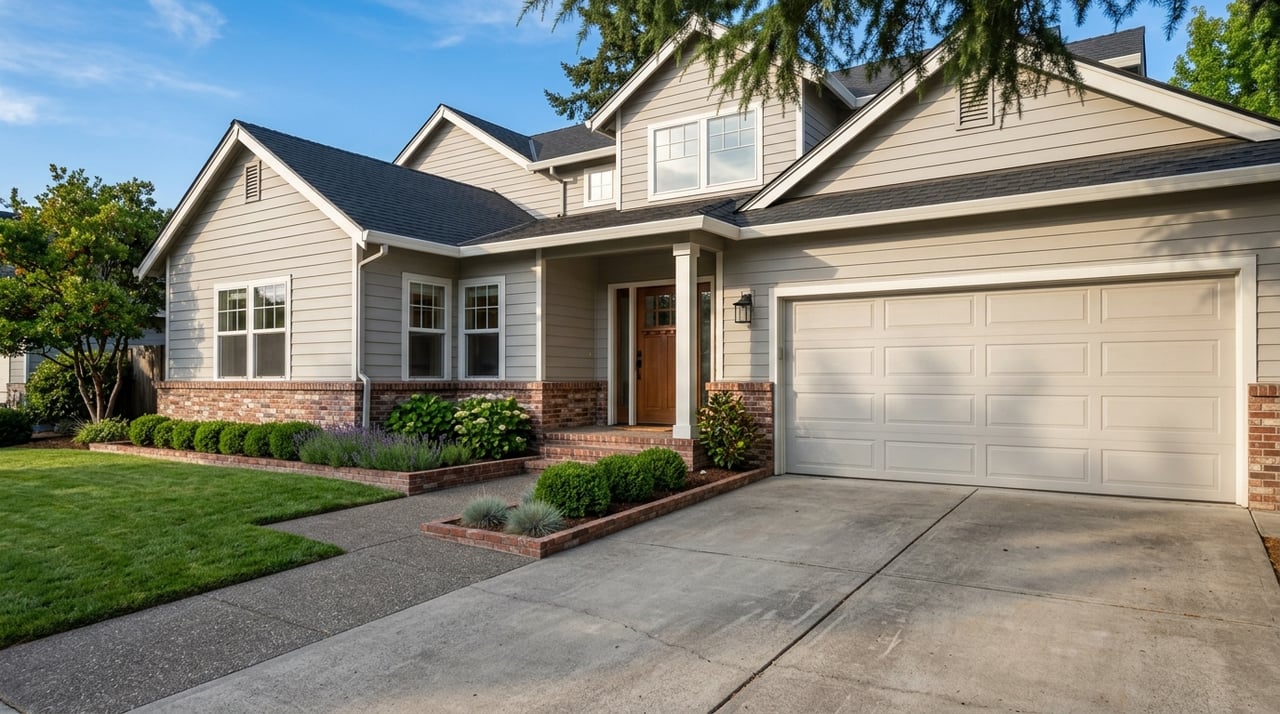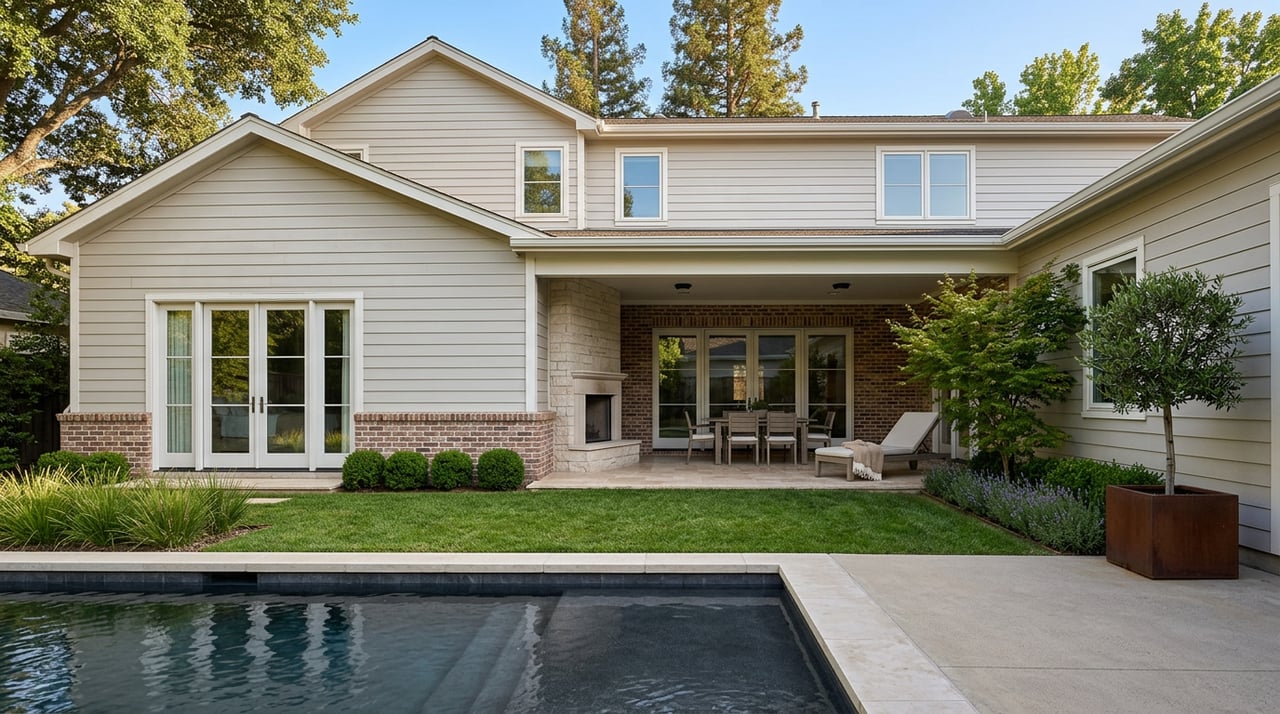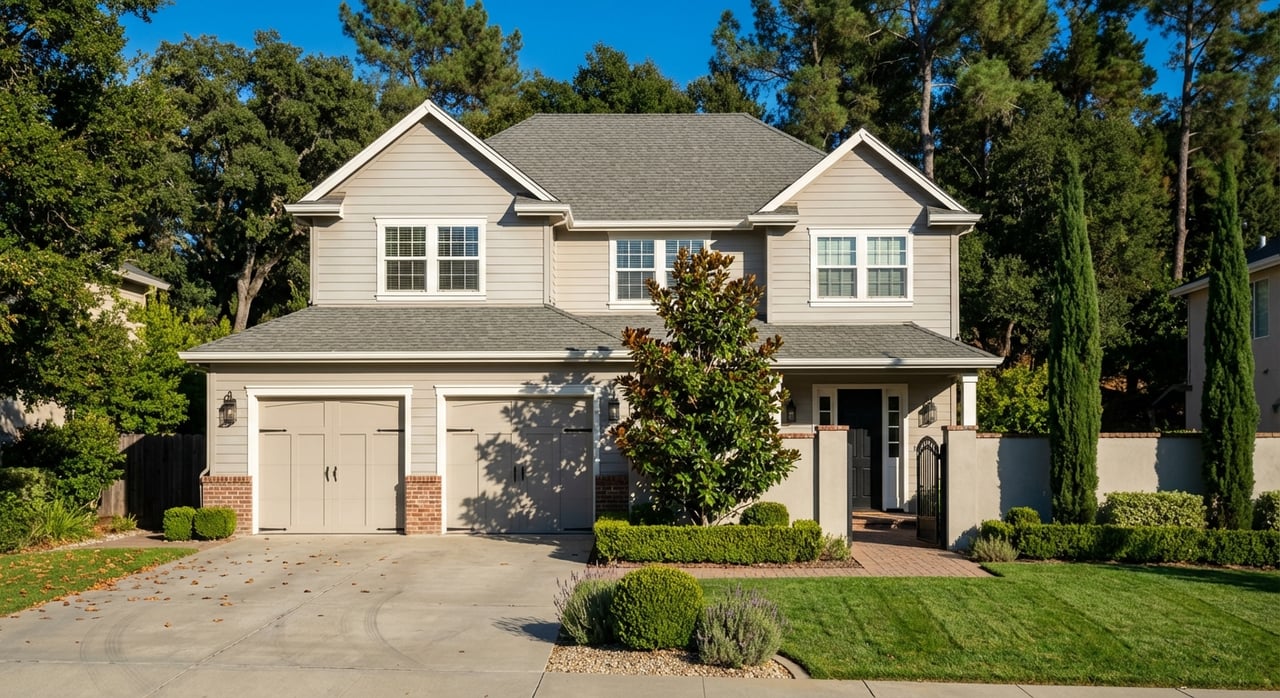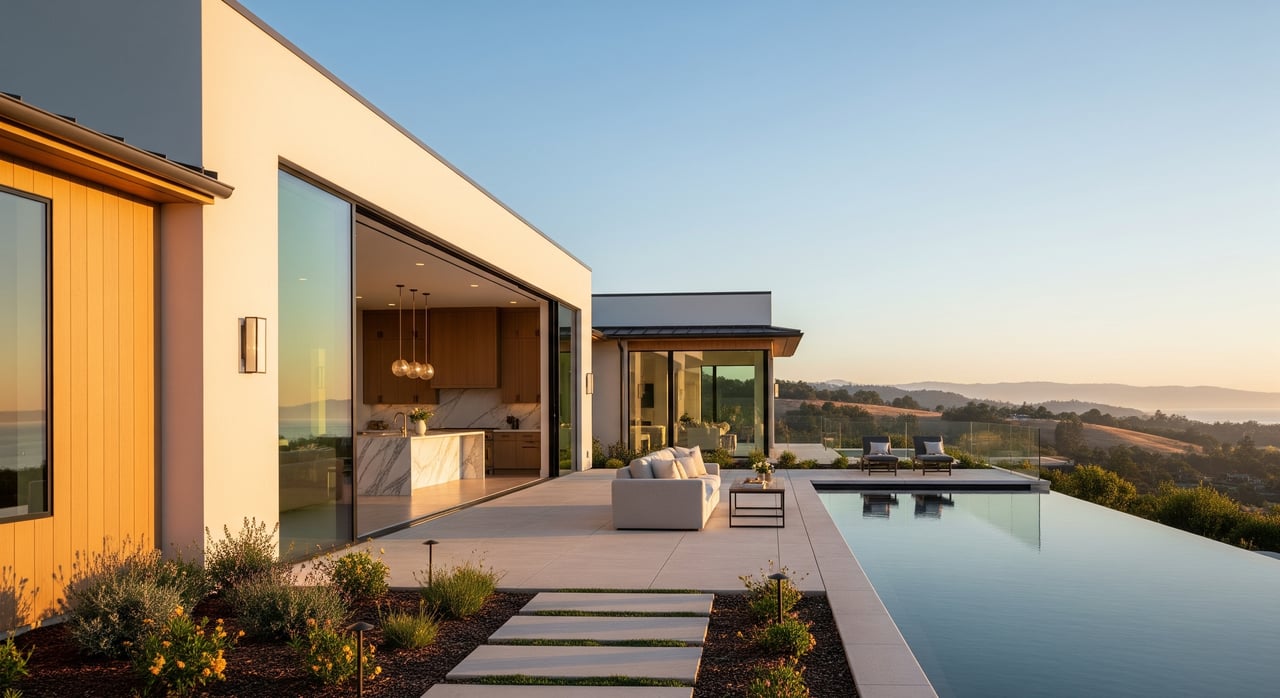
Thinking about trading your current home for more space, a better layout, or a different neighborhood in San Ramon? You are not alone. Many dual‑income families here use built‑up equity and higher household income to make a thoughtful move within the city. In this guide, you will clarify your wish list, compare key neighborhoods, and learn practical ways to buy and sell with less stress. Let’s dive in.
Define your move‑up goals
Getting clear on what you are solving for will focus your search and budget.
- Larger primary suite with an upgraded bath and walk‑in closet for comfort without immediate remodeling.
- More bedrooms or a main‑level bedroom for guests or multigenerational needs.
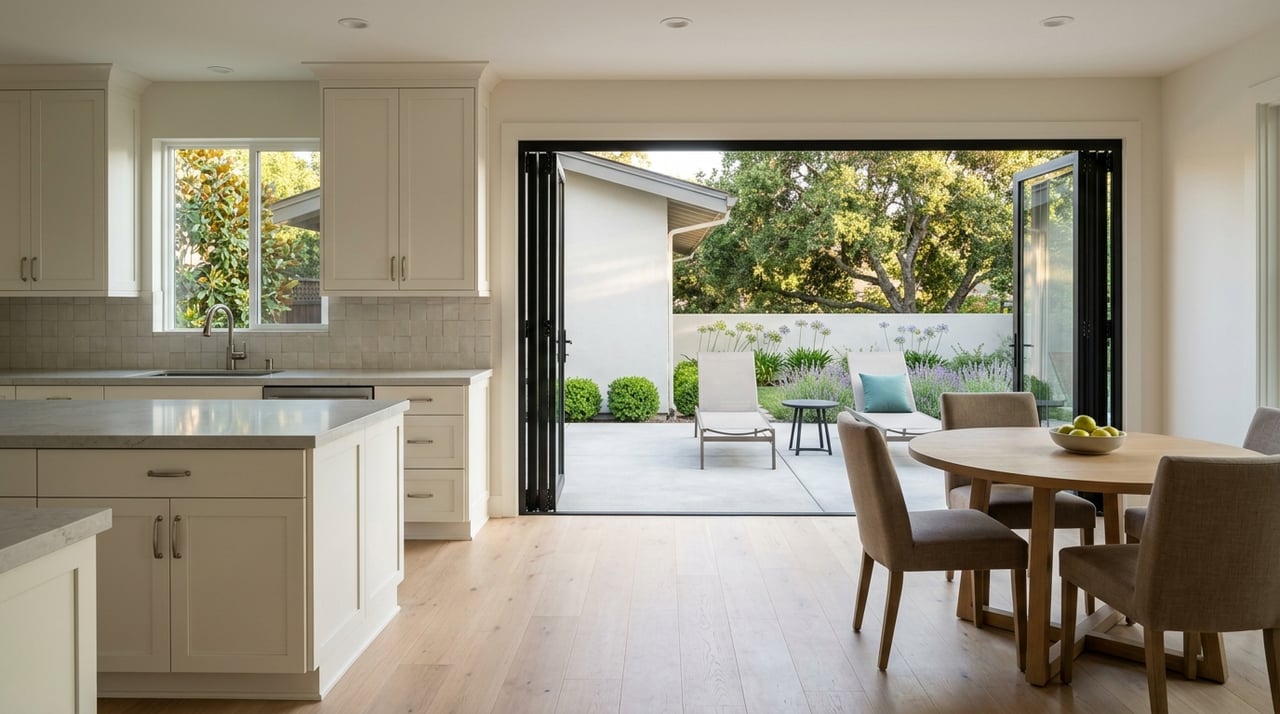
- Bigger, open kitchen that connects to family space and outdoor living.
- Dedicated office or flexible den to support hybrid work and homework.
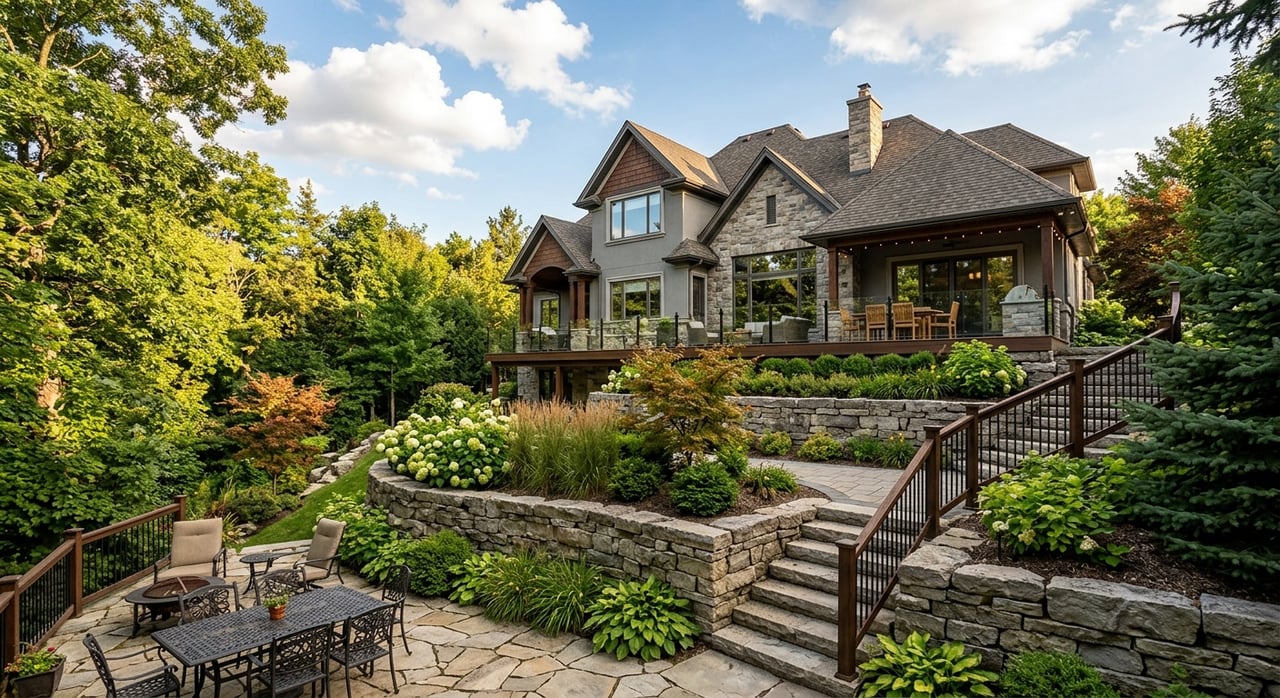
- Usable yard for play, gardening, and dining. Lot size varies a lot by neighborhood in San Ramon, so this is worth prioritizing.
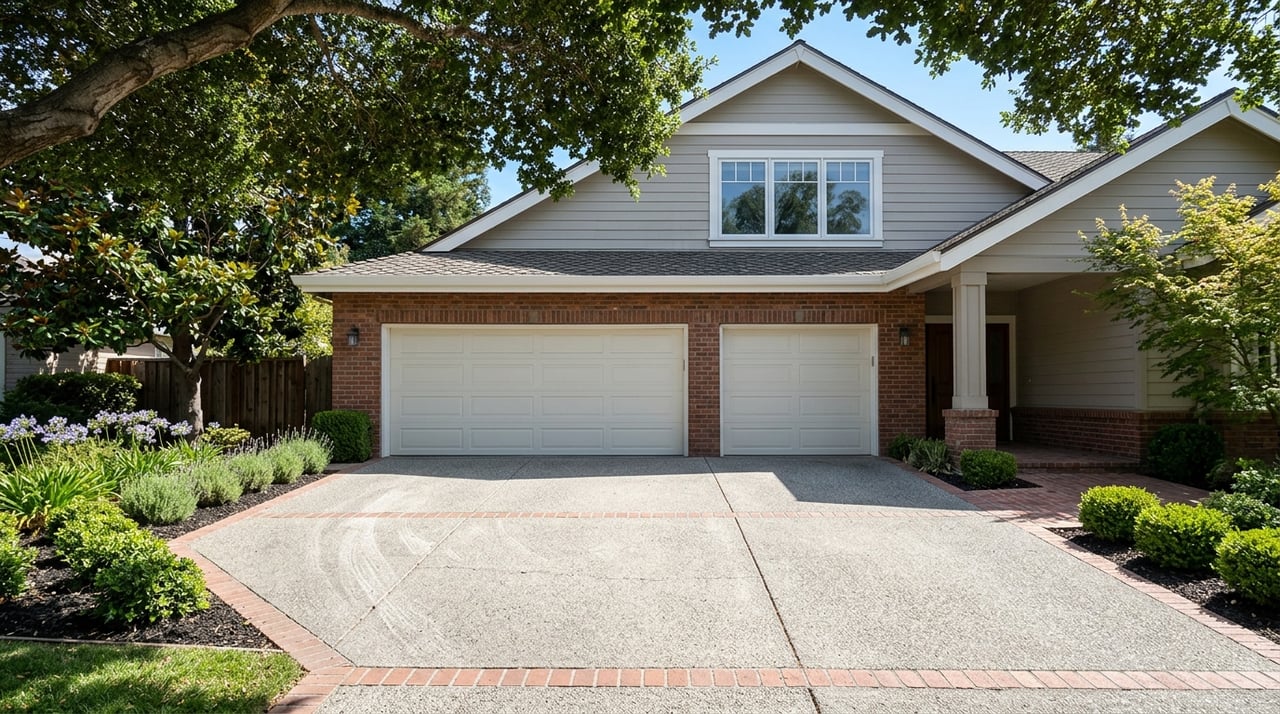
- Storage and a 2‑ or 3‑car garage for gear and vehicles.
- Energy features and EV readiness. Solar and a 240V charger can simplify life and are common asks.
- ADU potential or an existing ADU for flexibility. Always verify local permitting rules before planning changes.
San Ramon neighborhoods at a glance
San Ramon offers a mix of newer master‑planned communities and mature, established areas. School options, commute patterns, and amenities shape demand. To view local public school information, start with the City of San Ramon’s education page that links to SRVUSD resources: San Ramon education overview.
Dougherty Valley: Gale Ranch, Windemere, The Bridges
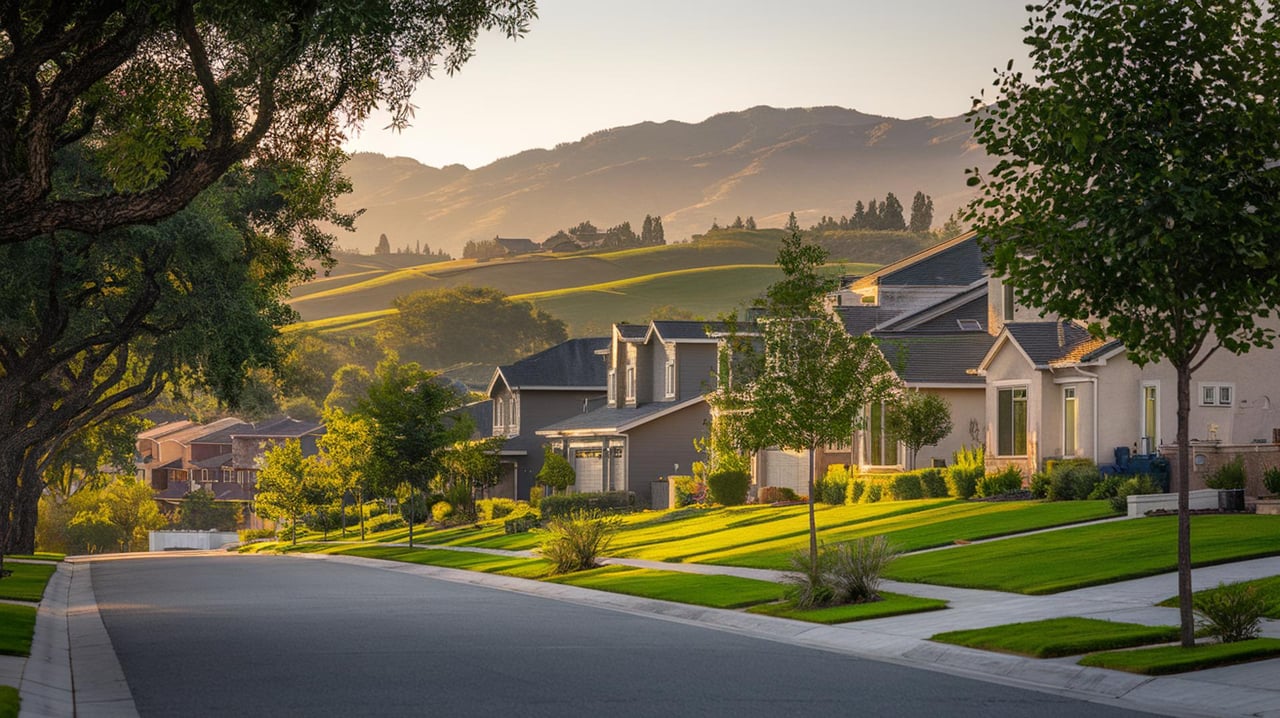
This large master‑planned area on the east side features newer parks, trails, and planned open space. Homes are primarily two‑story plans built in the 2000s, ranging roughly from 1,600 to over 4,000 square feet with lots often around 3,000 to 8,000 square feet. Many tracts include Community Facilities District special taxes, commonly called Mello‑Roos, that appear on the tax bill. Always verify the exact parcel amount through the Contra Costa County property tax lookup.
Twin Creeks and Central San Ramon
These mature subdivisions offer convenient access to central amenities and established landscaping. You will find many 3‑ and 4‑bedroom single‑family homes, generally on manageable lots, with quick connections to Bishop Ranch employment and retail.
- Explore the amenity hub at City Center Bishop Ranch.
- Learn more about the nearby Bishop Ranch office campus for commute context.
Westside and Camino Tassajara
Parts of the west side and areas near Camino Tassajara include older homes with more variety and, in places, larger lots. Single‑level floor plans and wider yards are key draws here. Many homes pre‑2000 may need updating, which can be a plus if you want to tailor finishes.
Norris Canyon Estates and hilltop pockets
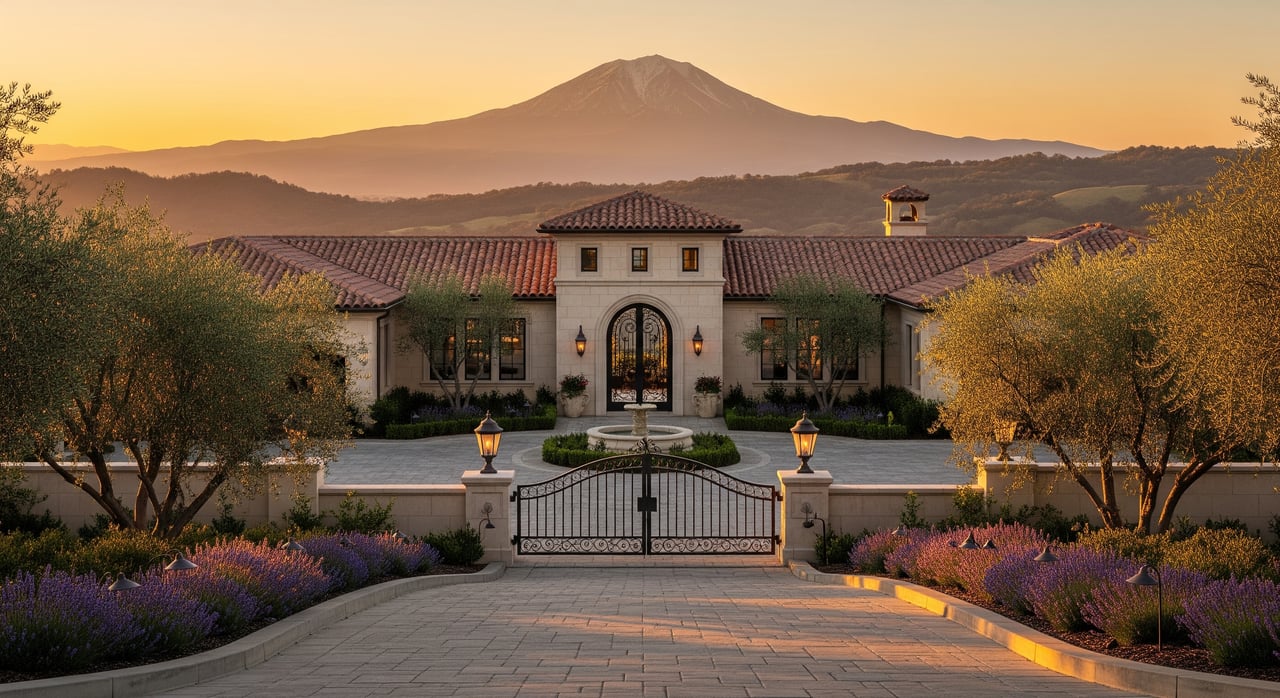
Luxury gated enclaves with Toll Brothers and custom estates offer larger lots, privacy, and views. Expect higher price points and a focus on space and seclusion.
Bishop Ranch and City Center vicinity
If you prefer a shorter commute to Bishop Ranch and easy access to dining and entertainment, townhomes and newer condos near City Center can be a smart fit. The mixed‑use setting offers walkable amenities that work well for busy schedules.
Quick neighborhood comparison
- Dougherty Valley (Gale Ranch, Windemere): Newer build era. Larger floor plans, smaller‑to‑moderate lots, planned parks and trails. Many parcels have Mello‑Roos that affect monthly cost.
- Twin Creeks/Central: Mature setting with established landscaping. 3‑ to 4‑bed homes. Convenient to Bishop Ranch and City Center.
- Westside/Camino Tassajara: Older, varied stock with potential for larger lots and single‑level living. Good for buyers prioritizing yard space and customization.
- Norris Canyon Estates/hilltops: Luxury estate homes, bigger lots, and views for privacy‑focused living.
- Bishop Ranch/City Center area: Townhome/condo options with strong access to retail and employment.
What the market means for budgets
San Ramon is a high‑demand East Bay market with prices in the mid‑ to high‑seven figures. As of January 2026, Zillow’s city‑level Home Value Index was about $1.48M. Zip‑level medians and specific neighborhoods vary. Before you write an offer, confirm current figures with local MLS data and align your budget with your lender’s pre‑approval.
Buy and sell with less stress
Coordinating two transactions comes down to timing, financing, and clear terms. Here are the common paths.
Choose your timing strategy
- Sell first, then buy. Pros include one mortgage at a time and a known budget. Cons include a possible interim stay unless you negotiate a rent‑back.
- Buy first, then sell. Pros include a single move and more time to shop. Cons include carrying two mortgages for a period. This route often requires strong equity, savings, or short‑term financing.
- Concurrent closings or trade‑in style solutions. Some programs help you buy before you sell by advancing equity or acting as an intermediary. These can reduce disruption but come with specific fees and terms. Compare total costs carefully.
Short‑term financing tools
- HELOC. A home equity line of credit can unlock equity from your current home to boost your next down payment. Review the CFPB guide to HELOCs to understand rates, fees, and repayment.
- Bridge loan. A short‑term loan secured by your current home that funds your purchase before you sell. Expect higher rates and fees than a standard mortgage.
- All‑cash or high‑cash offers. Repeat buyers often use sale proceeds or equity to strengthen offers. The NAR 2025 Profile of Home Buyers and Sellers highlights the elevated share of repeat and cash‑enabled purchases in recent years.
Contract tools to smooth the move
- Sale contingency. You buy the next home contingent on selling your current one. This reduces risk but can be less competitive.
- Seller rent‑back. After closing, the seller stays in the home for a short, defined period under a lease. Include rent, deposit, move‑out date, proof of insurance, and remedies for overstay. Confirm lender and insurer acceptance in advance.
- Escrow holdback. A portion of funds remain in escrow until the seller vacates or completes agreed items. This creates accountability for clean delivery.
Taxes and special assessments to verify
Many newer Dougherty Valley parcels include Mello‑Roos that increase annual property taxes and affect monthly cost and lender DTI. The only authoritative way to confirm is to pull the parcel’s current tax bill. Use the Contra Costa County Treasurer‑Tax Collector lookup to verify the exact levy for a specific address. Also factor HOA dues where applicable.
Lender coordination checklist
- Get a full underwriting pre‑approval early. Short‑term financing and concurrent deals need strong documentation.
- Ask how your lender treats Mello‑Roos, HOA dues, and any rent‑back in DTI and reserves.
- If using a HELOC or bridge loan, get written terms on draw period, repayment triggers, and how taxes and insurance are handled at closing.
Your 60‑ to 90‑day game plan
- 60–90 days out: Meet with a lender to size your budget and explore HELOC or bridge options. Obtain a full pre‑approval. Ask about Mello‑Roos treatment and rent‑back policies. Review the CFPB HELOC overview if you plan to use one.
- 45–60 days: Interview and hire your agent. Order a market analysis of your current home. Start home prep and schedule staging. Begin touring target neighborhoods with your pre‑approval in hand.
- 30–45 days: Decide sell‑first or buy‑first. If selling first, set pricing and contingency strategy. If buying first, finalize short‑term financing or line up a large down payment. Draft rent‑back terms if you want post‑closing occupancy and confirm lender approval.
- 14–21 days before closing: Schedule movers. Arrange school and utility transfers. Confirm insurance start dates. Coordinate appraisal windows and verify rate‑lock expirations.
- Closing week: Confirm wiring instructions verbally with escrow to prevent fraud. Set your final walkthrough and move‑in timing. Double‑check possession terms in writing.
When schools and commutes matter
Many move‑up buyers want proximity to schools, parks, and everyday amenities. For school context and district resources, use the City’s central page for links and contacts: San Ramon education overview. If commute or walkable amenities are top priorities, factor proximity to the Bishop Ranch employment center and City Center Bishop Ranch into your neighborhood search.
Ready to find your next San Ramon home?
Choosing the right neighborhood and structuring the buy‑sell sequence well can save you time, money, and stress. If you want a calm, high‑touch process with strategic guidance on timing, pricing, and access to on‑ and off‑market opportunities, connect with Brad Gothberg. Request a Confidential Market Valuation and a tailored move‑up plan for your family.
FAQs
What is Mello‑Roos in San Ramon and how do I find the amount?
- Many newer Dougherty Valley parcels carry Community Facilities District special taxes that appear on the annual bill; verify the exact levy for any home through the Contra Costa County property tax lookup.
How can I buy a home in San Ramon before selling my current one?
- Options include a HELOC, a bridge loan, or trade‑in style programs that advance equity; compare total costs and get a full pre‑approval, and review the CFPB guide to HELOCs if using a line of credit.
How do rent‑back agreements help with a move‑up purchase?
- A rent‑back lets the seller stay for a short period after closing so you can avoid temporary housing; include rent, deposit, proof of insurance, a clear move‑out date, and, if needed, an escrow holdback for accountability.
Which San Ramon area is better for larger yards: Dougherty Valley or the Westside?
- Dougherty Valley offers newer homes with moderate lots and planned amenities, while some Westside streets feature older homes on larger parcels; if a bigger yard is your priority, include select Westside pockets in your search.
What budget should I expect for a move‑up home in San Ramon?
- San Ramon is a high‑price East Bay market; as of January 2026 Zillow’s city‑level index was about $1.48M, and prices vary by zip and neighborhood, so confirm current figures with your lender and local MLS.
How do schools and commutes influence neighborhood choice in San Ramon?
- Many buyers weigh school proximity and commute routes; use the City’s education page for SRVUSD links and consider access to the Bishop Ranch area and City Center for daily convenience.