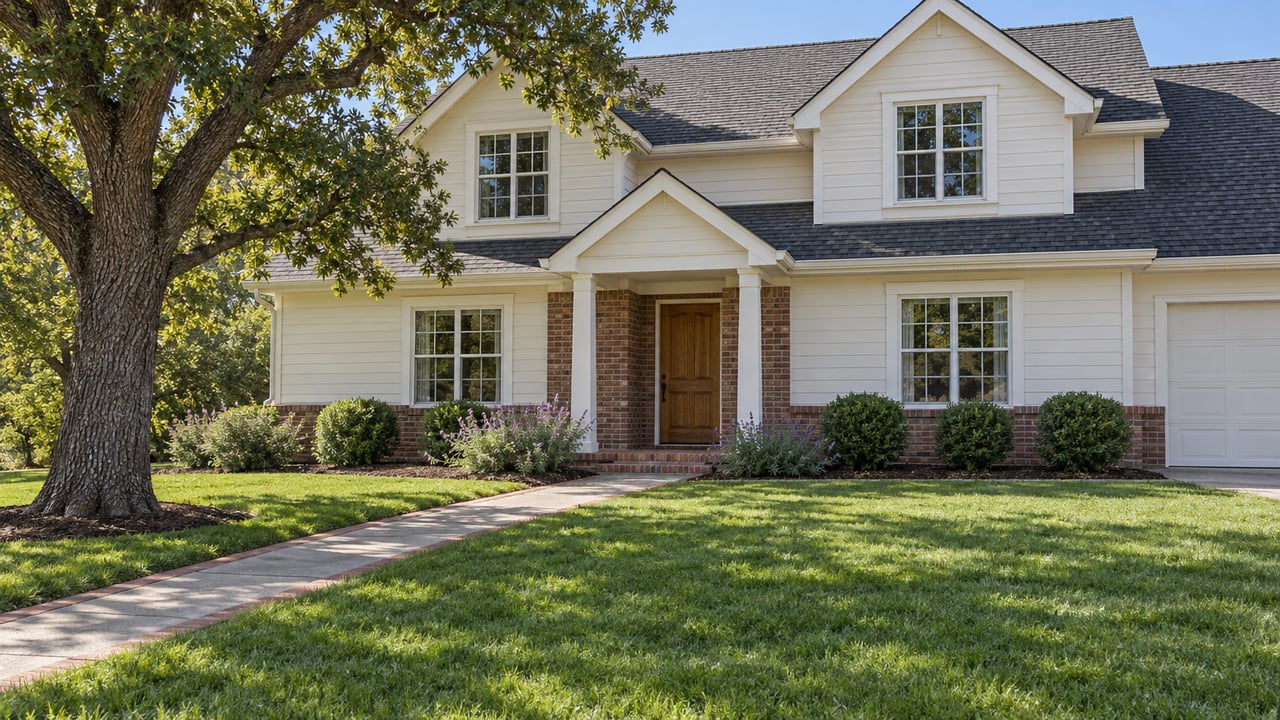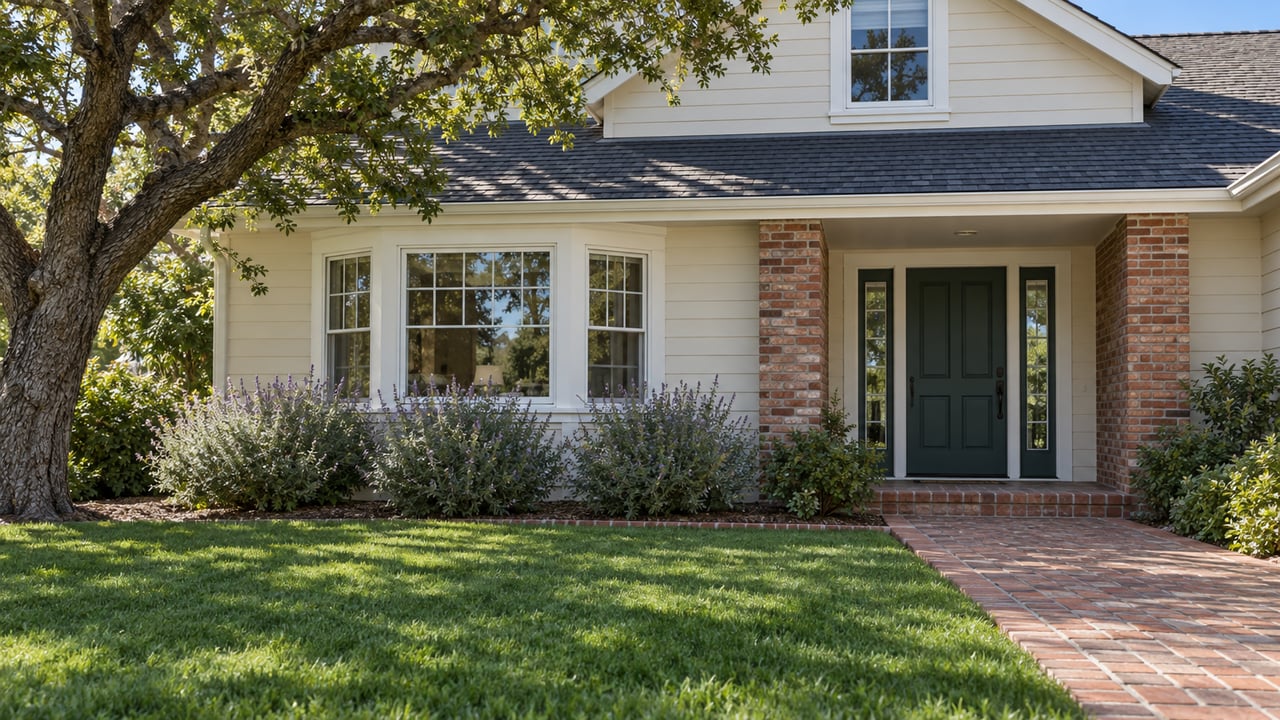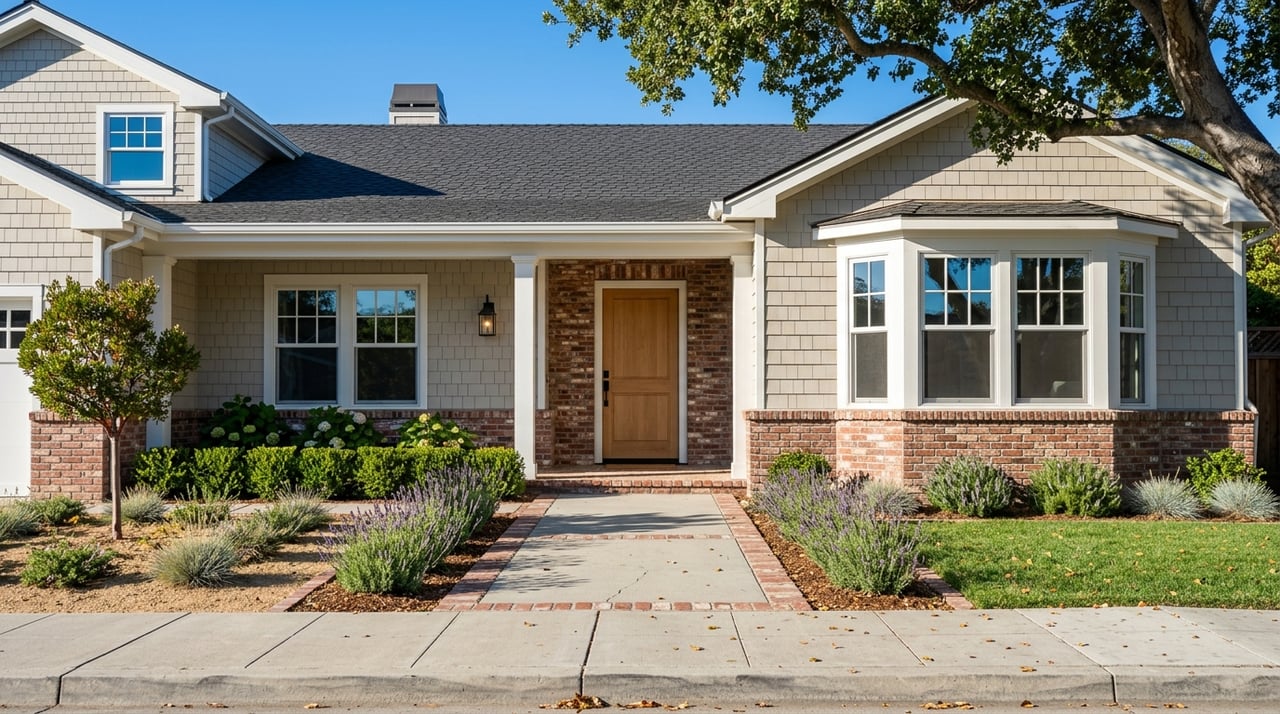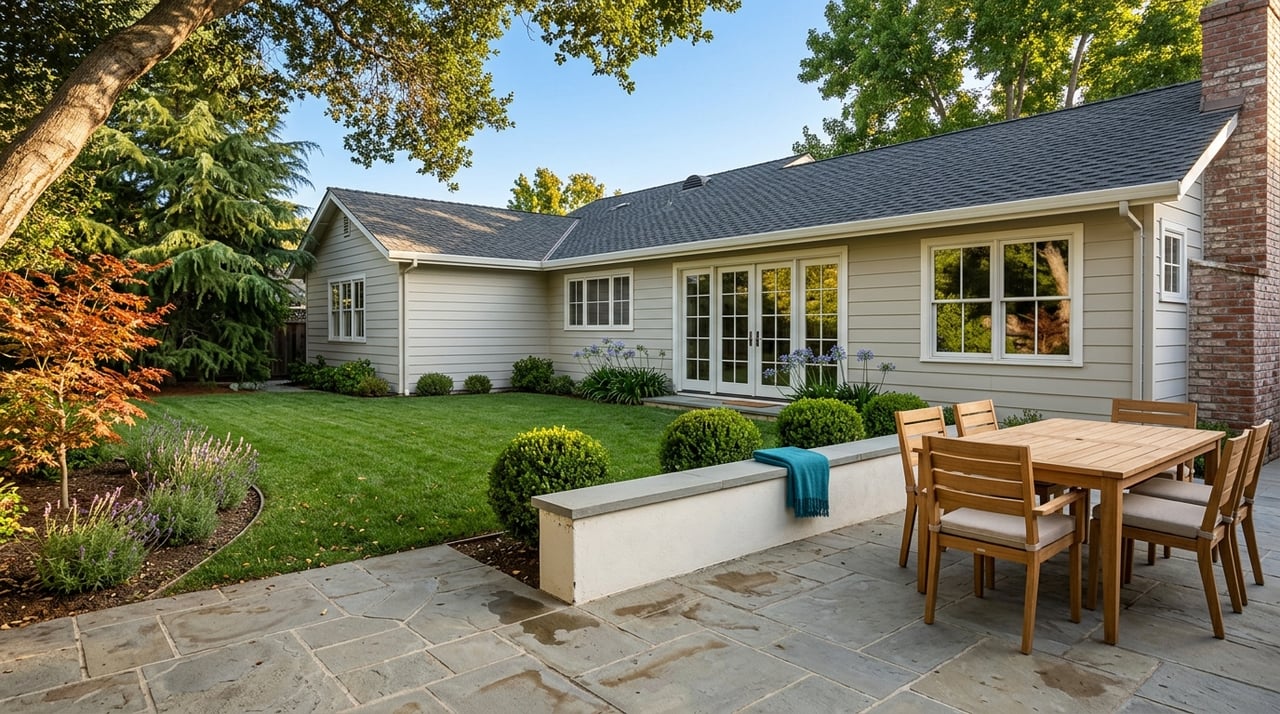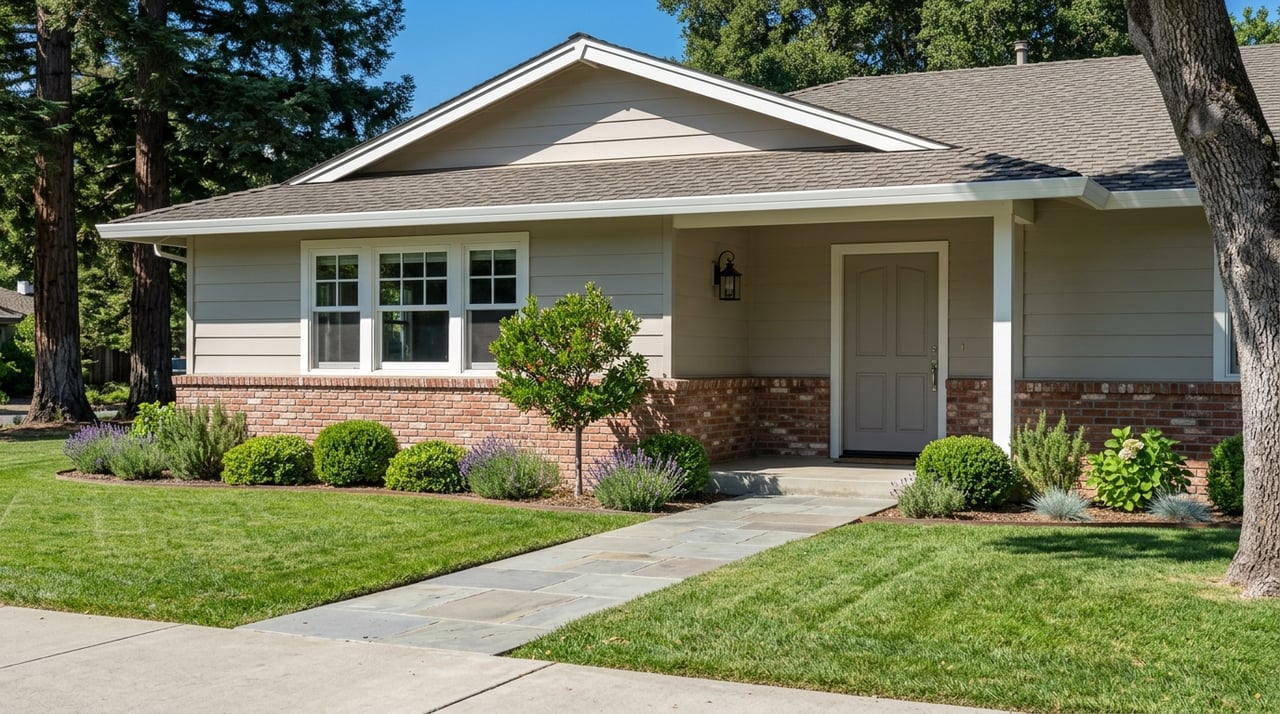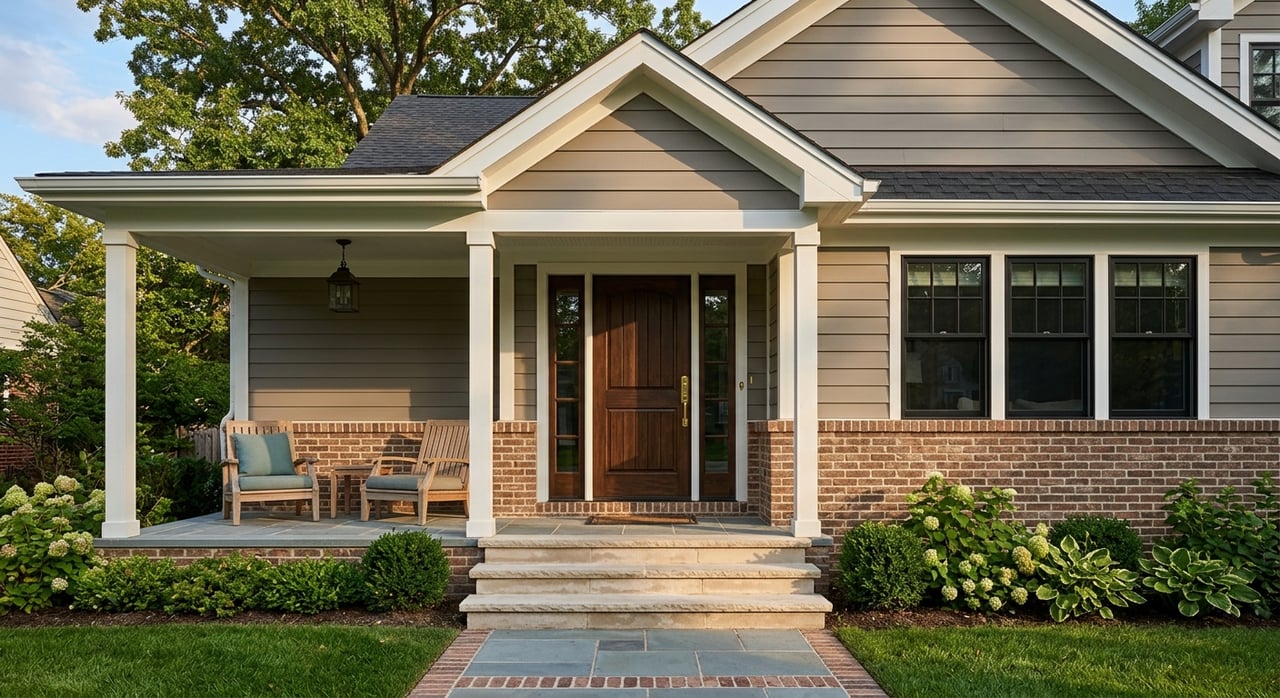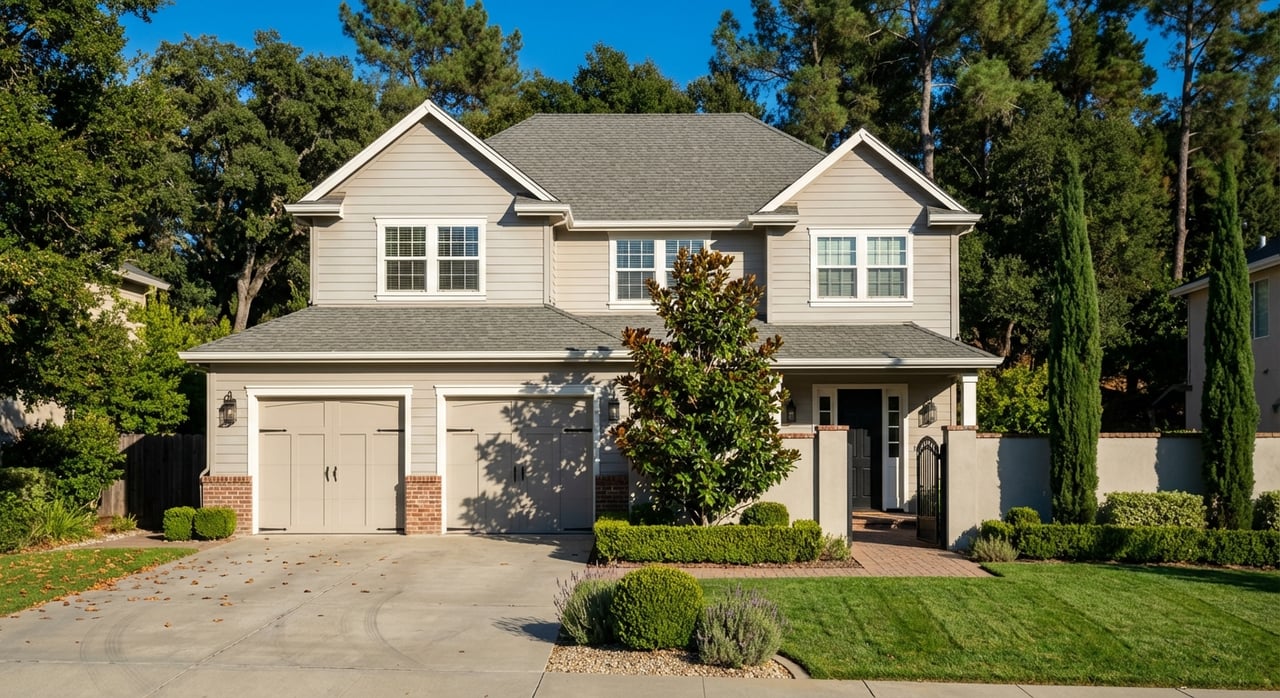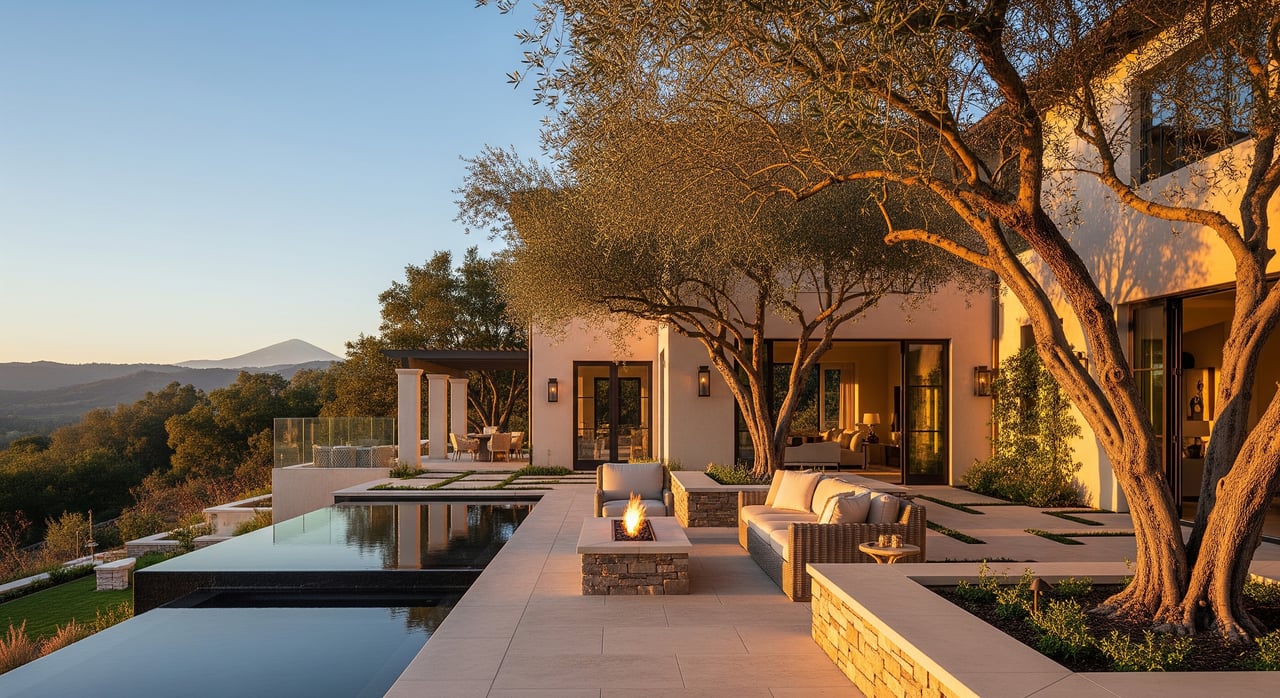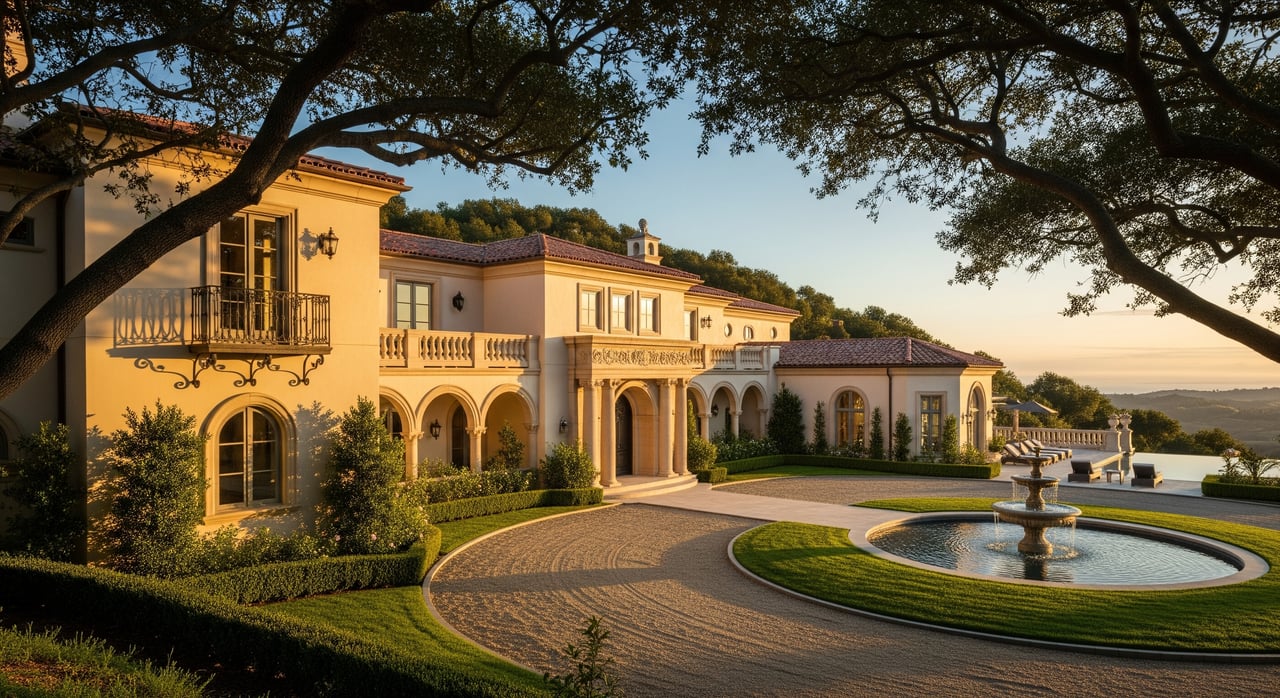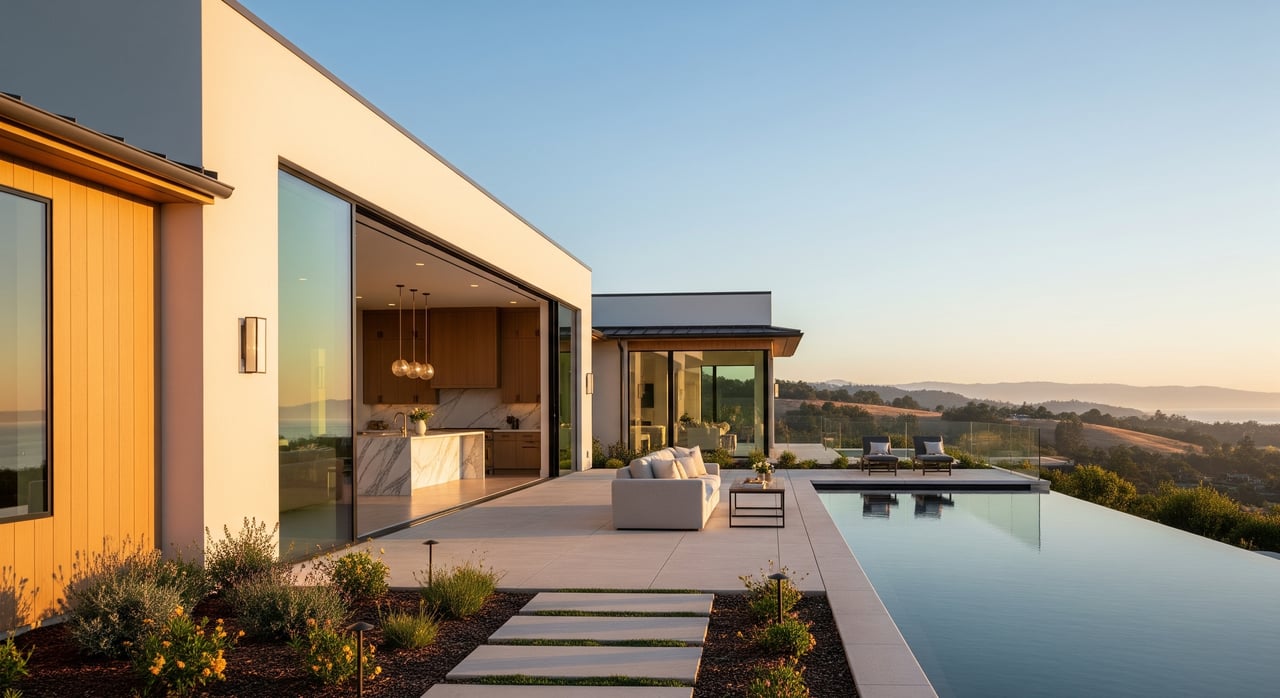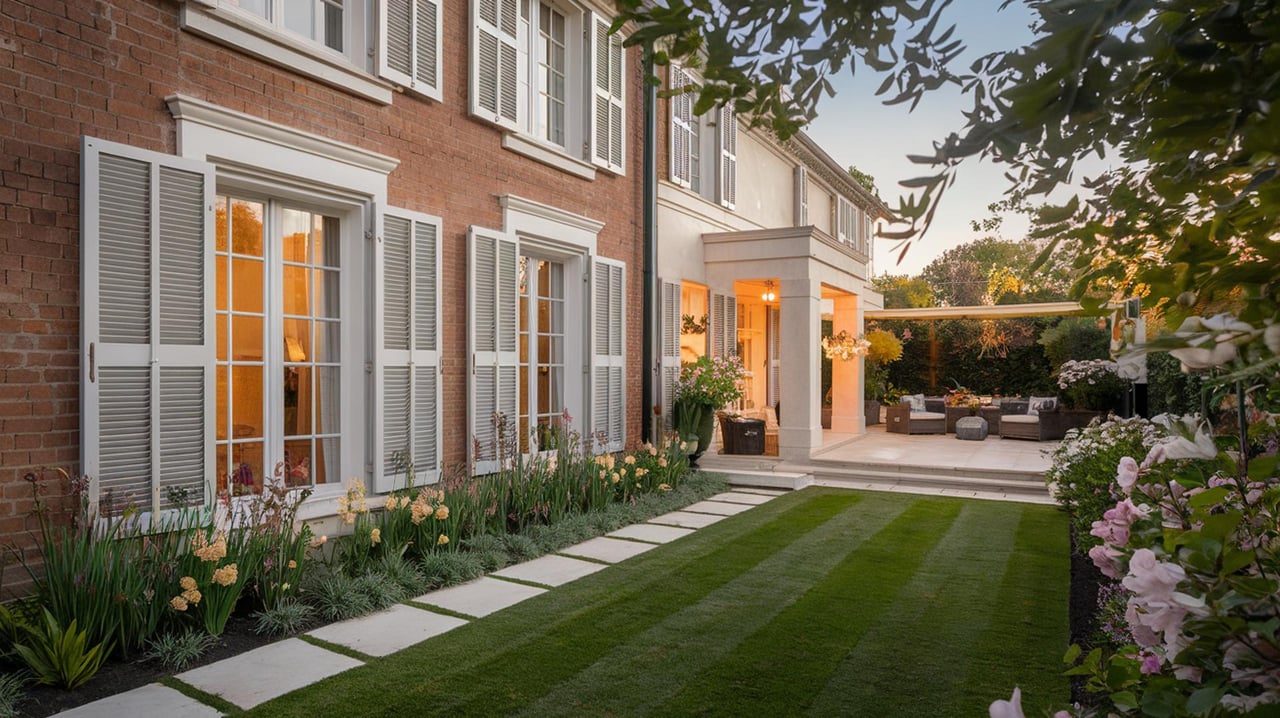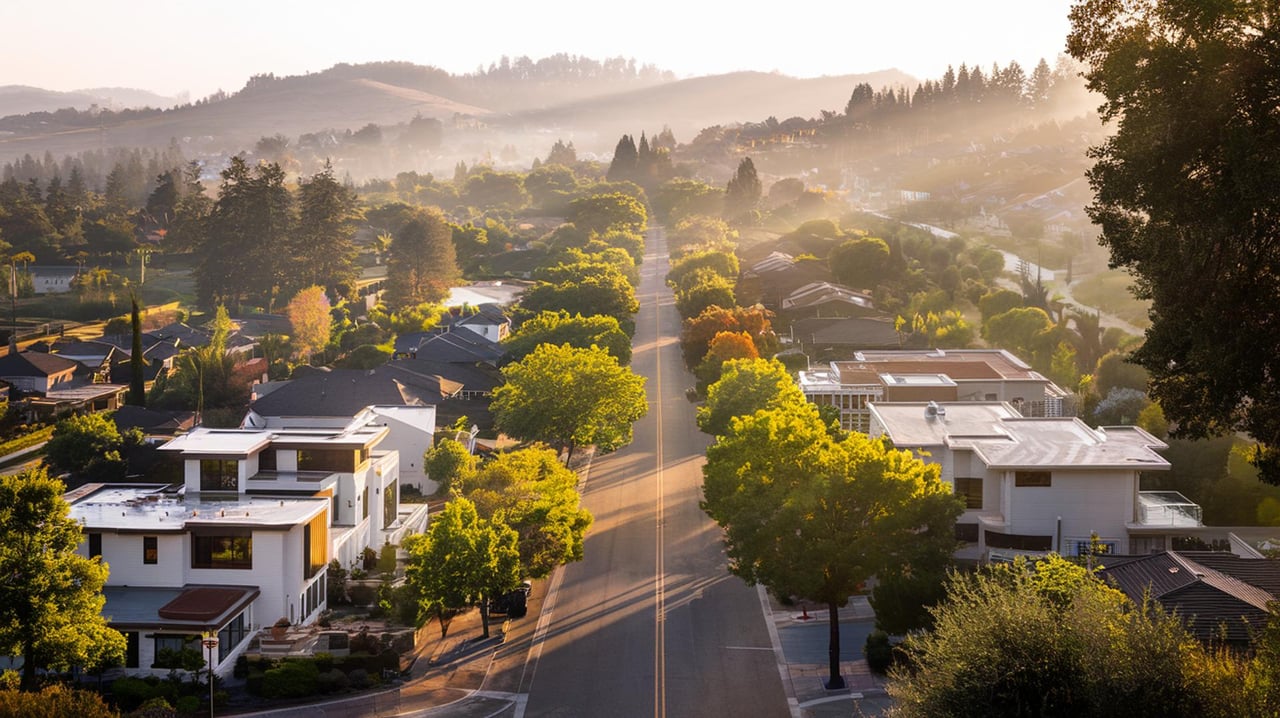
Trying to choose between Alamo and Danville? If you are comparing both for your next home, the answer usually comes down to how you want to live day to day. Some buyers want more land, more privacy, and a quieter setting. Others want more housing options, town-run amenities, and easier access to a busier civic core. This guide will help you understand how Alamo compares for buyers, especially if you are weighing estate feel against convenience. Let’s dive in.
Alamo at a Glance
Alamo is an unincorporated community in Contra Costa County, which means it is county-governed rather than incorporated as its own town. County guidance describes Alamo as a place where residents value quiet small-town character, undeveloped surroundings, and minimal change in existing single-family neighborhoods.
For many buyers, that translates to a more private, lower-key feel. Alamo often appeals to people who want space around them and a setting that feels calm and established rather than more civic and town-centered.
Danville at a Glance
Danville is an incorporated town with its own general plan and a broader municipal structure. Its planning documents focus on reinforcing small-town character, preserving scenic beauty and history, and protecting quality of life.
In practical terms, Danville tends to feel more self-contained. It offers a more formal town framework, a downtown core, and a wider mix of town-managed amenities and housing choices.
How Alamo Feels Different
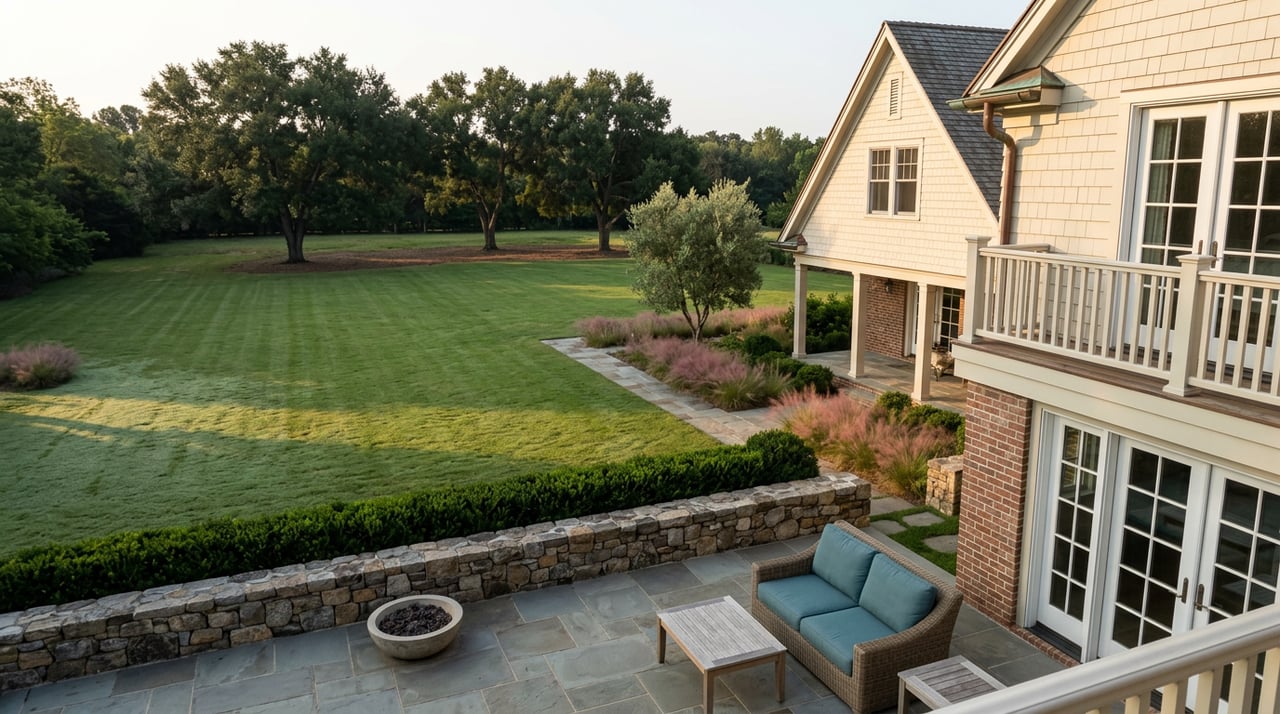
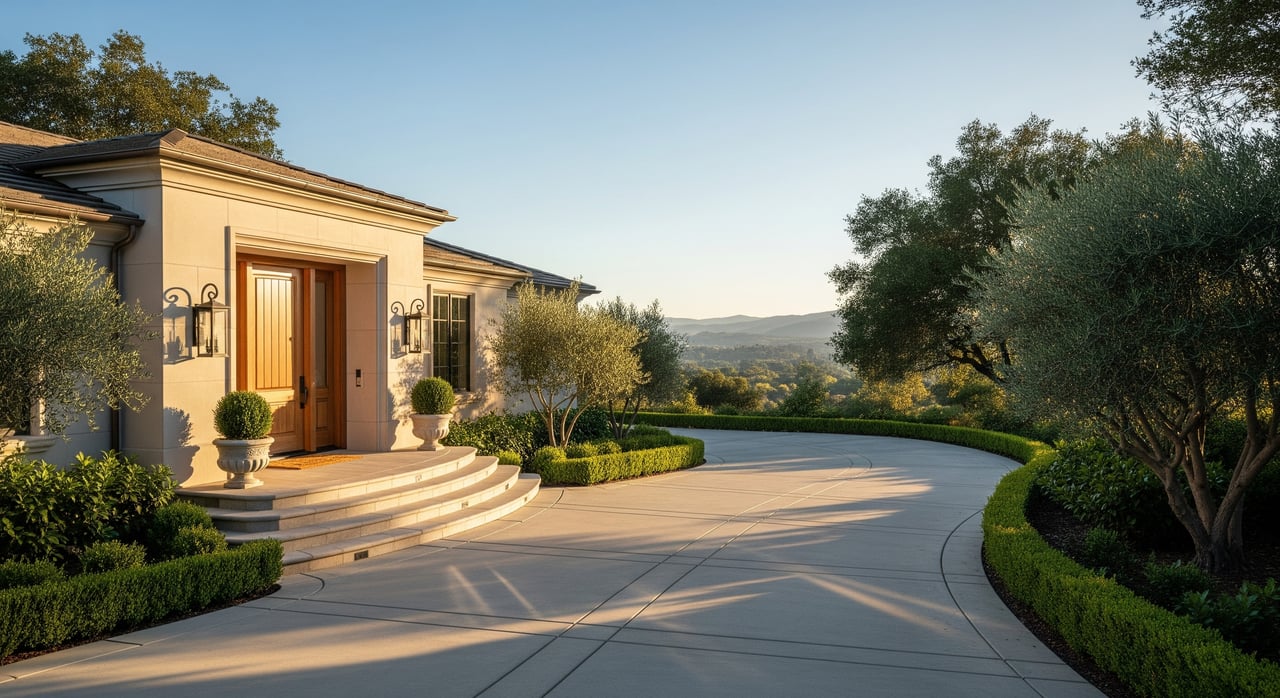
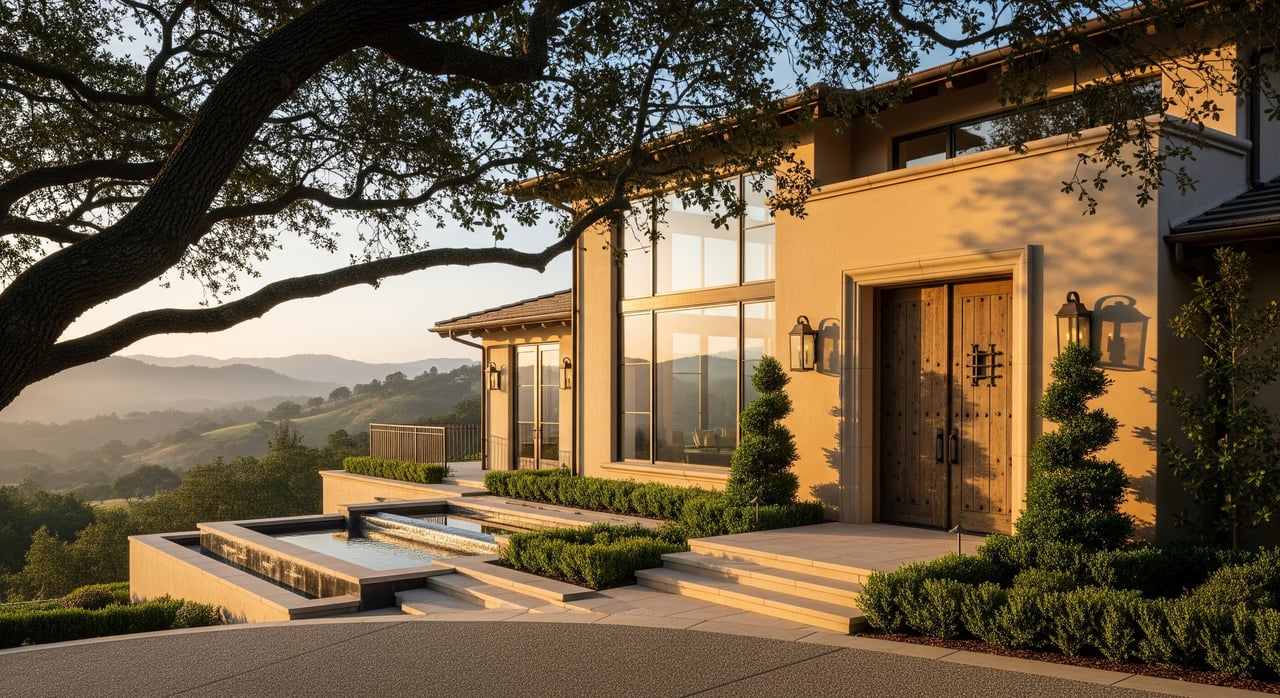
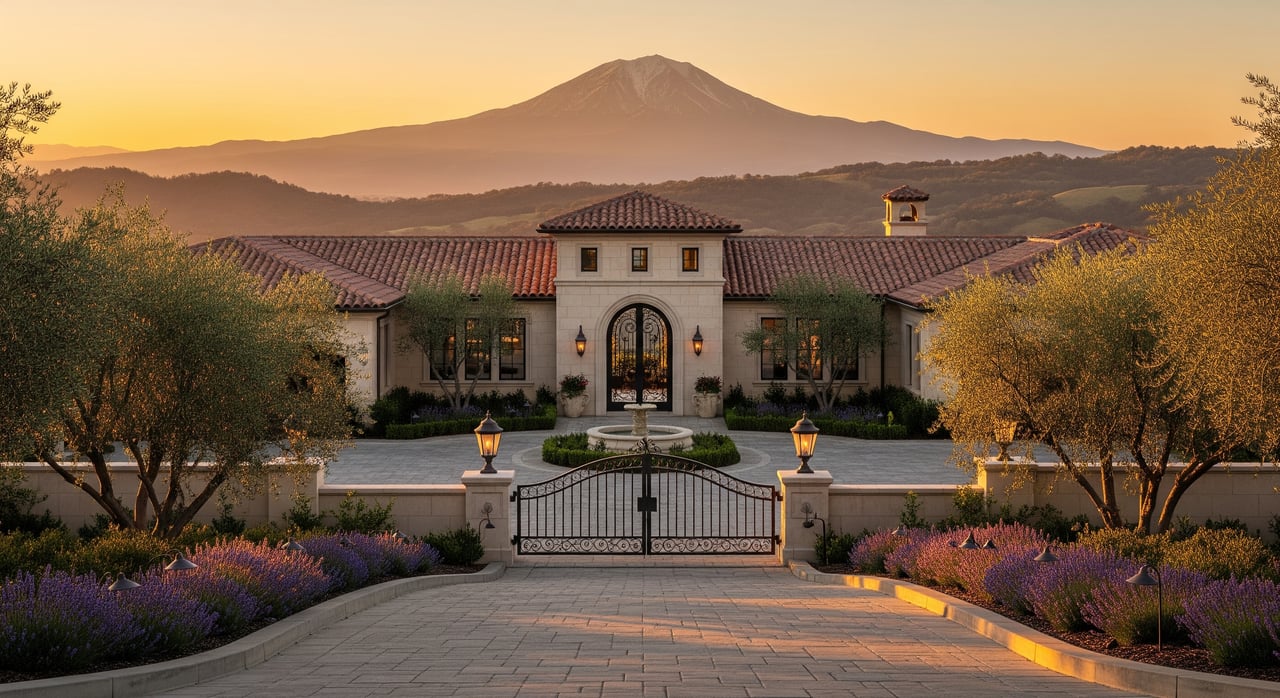
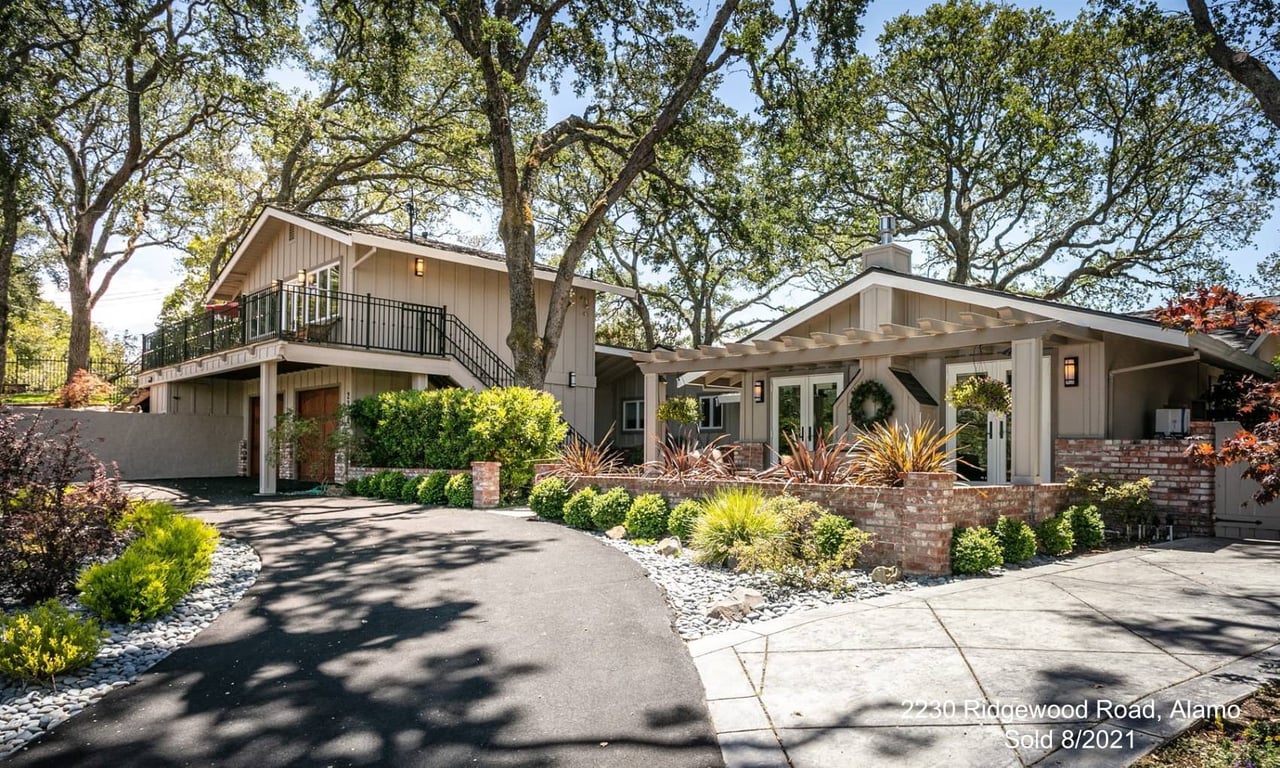
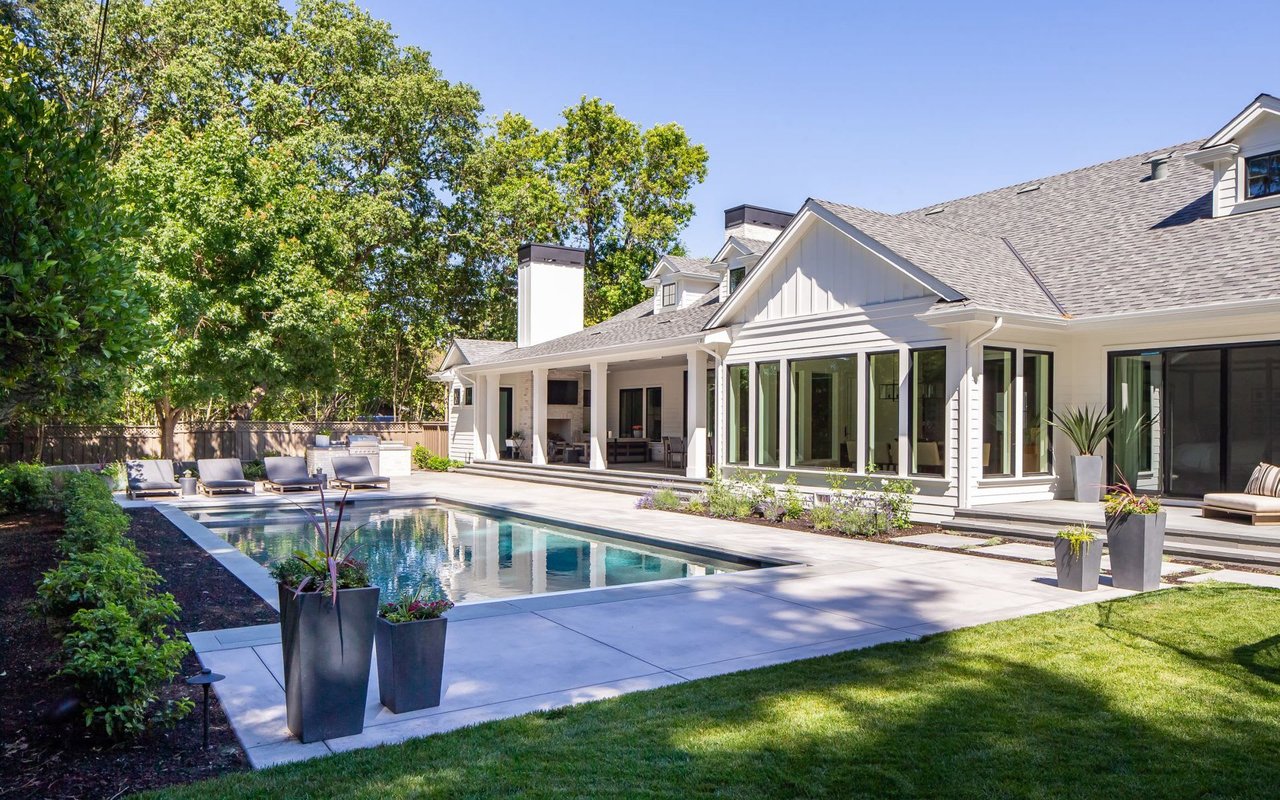
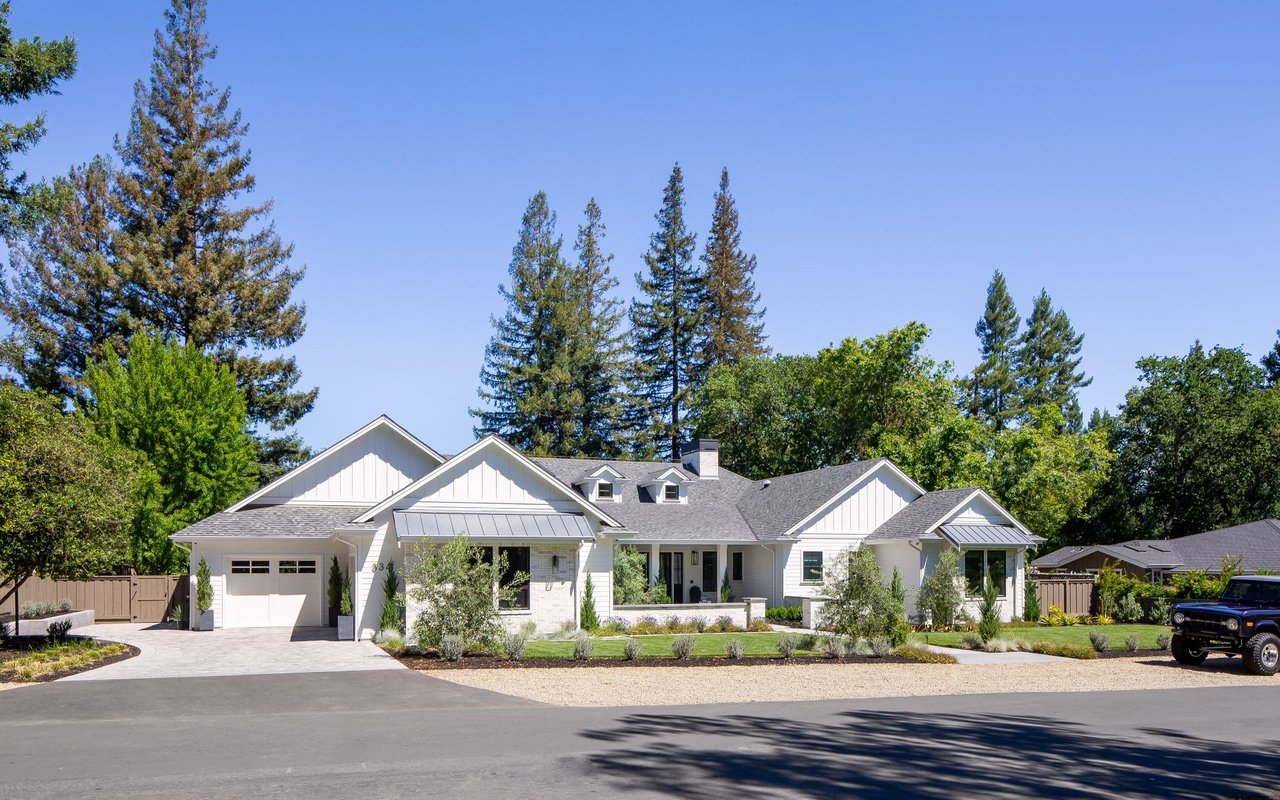
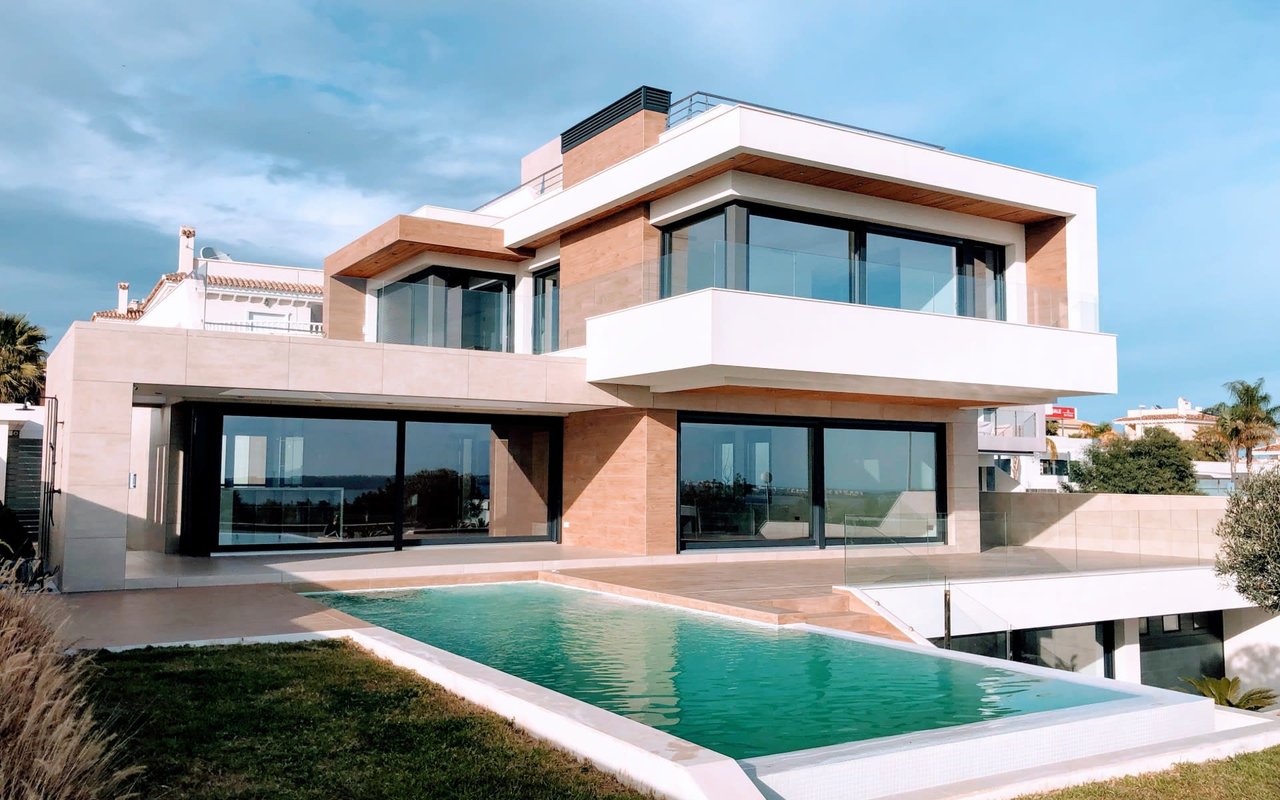
Alamo offers more estate character
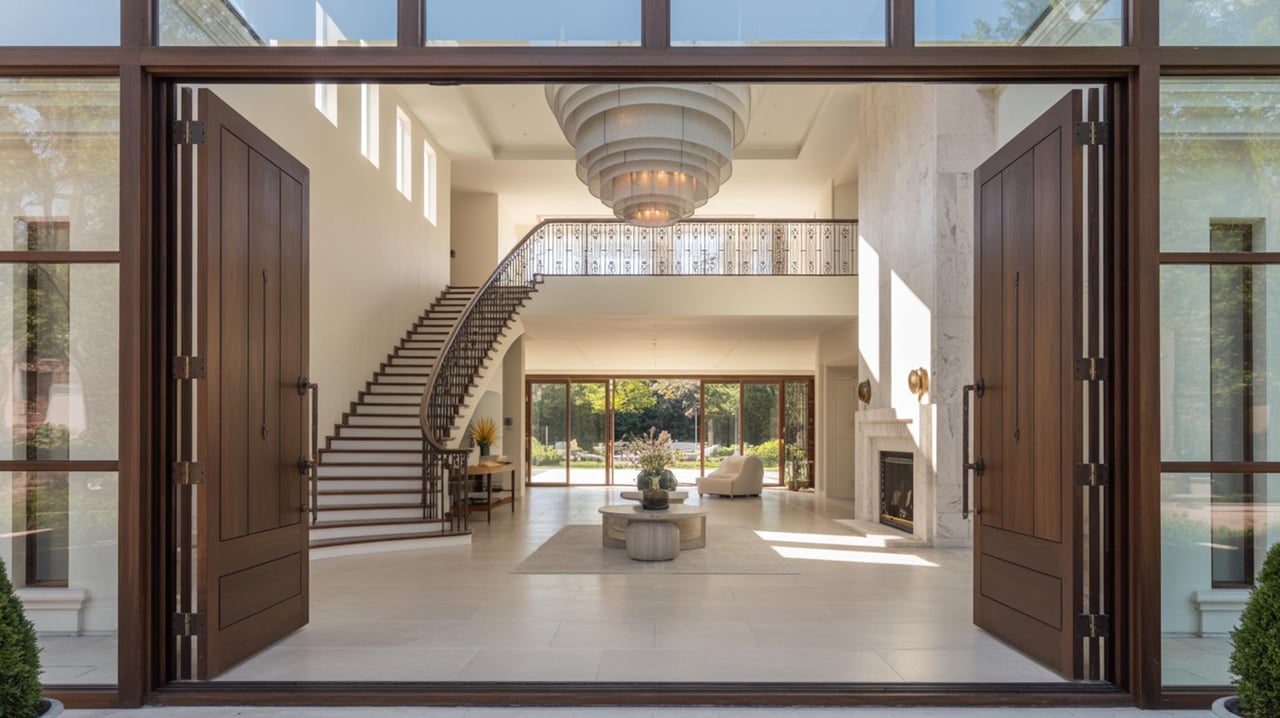
If your wish list starts with larger parcels and more separation from neighbors, Alamo usually stands out. Official county guidance is protective of the existing single-family pattern, and project examples in Alamo show the kind of estate-style development that supports that reputation.
One county project example involved combining three lots for a 14,900-square-foot single-family home. Another involved a 35-lot single-family detached community on 60.5 acres with 41 acres of open space. These examples are not market-wide averages, but they do fit the broader pattern buyers often notice in Alamo.
Alamo is less dense overall
Census data also supports the feel difference between the two communities. Alamo has a population density of 1,560.1 people per square mile, compared with 2,410.8 in Danville.
That does not define every street or every neighborhood, but it does help explain why Alamo can feel more open and less compact. If you are looking for breathing room, this is one of the clearest distinctions.
Alamo has a high owner-occupied profile
Alamo’s owner-occupied housing rate is 91.8%, while Danville’s is 85.5%, according to Census data. Again, that is a broad community-level figure, not a block-by-block rule.
Still, it points to a housing profile that is highly rooted in long-term ownership. Buyers who want a more settled, primarily single-family environment often see that as part of Alamo’s appeal.
Housing Choices: Alamo vs. Danville
Alamo skews toward single-family homes
If you are focused on detached homes and estate properties, Alamo is usually the more natural fit. County guidance emphasizes preserving the existing single-family fabric and directing any higher-density housing closer to the commercial core, transit, services, and the Iron Horse Trail.
That planning direction matters because it suggests less change across most existing single-family areas. For buyers who want predictability in neighborhood character, that can be a meaningful advantage.
Danville offers more variety
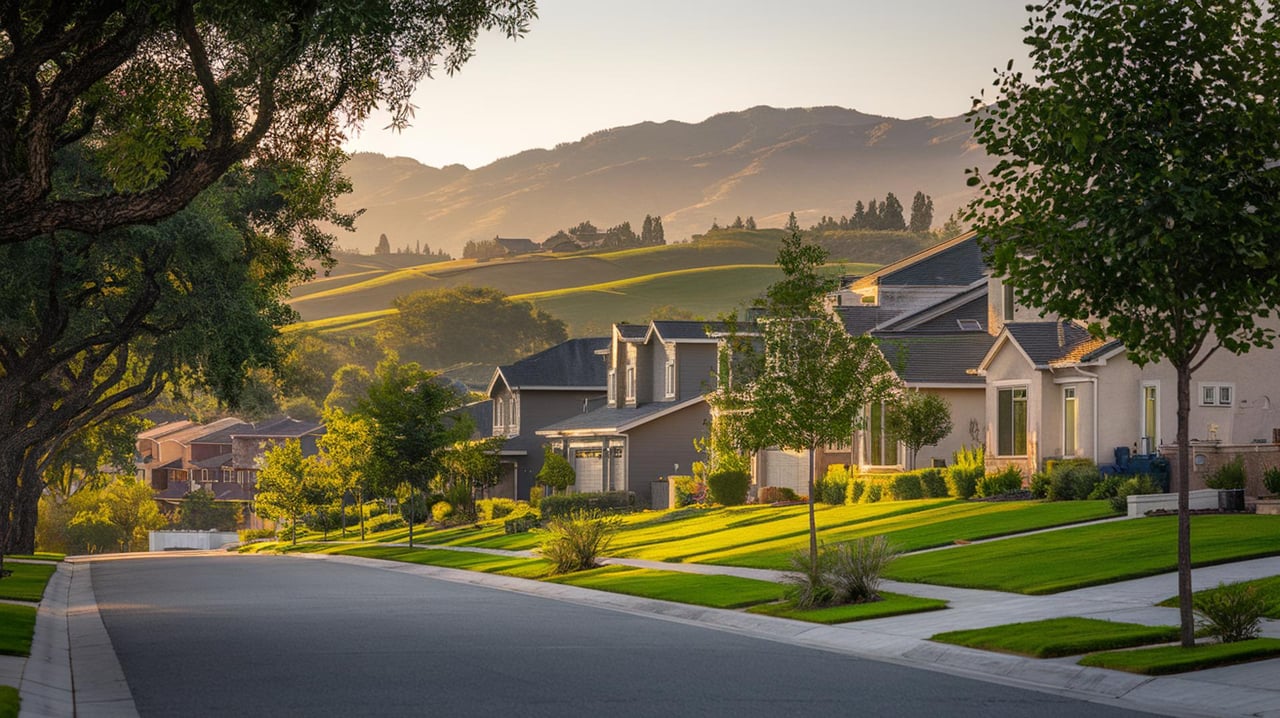
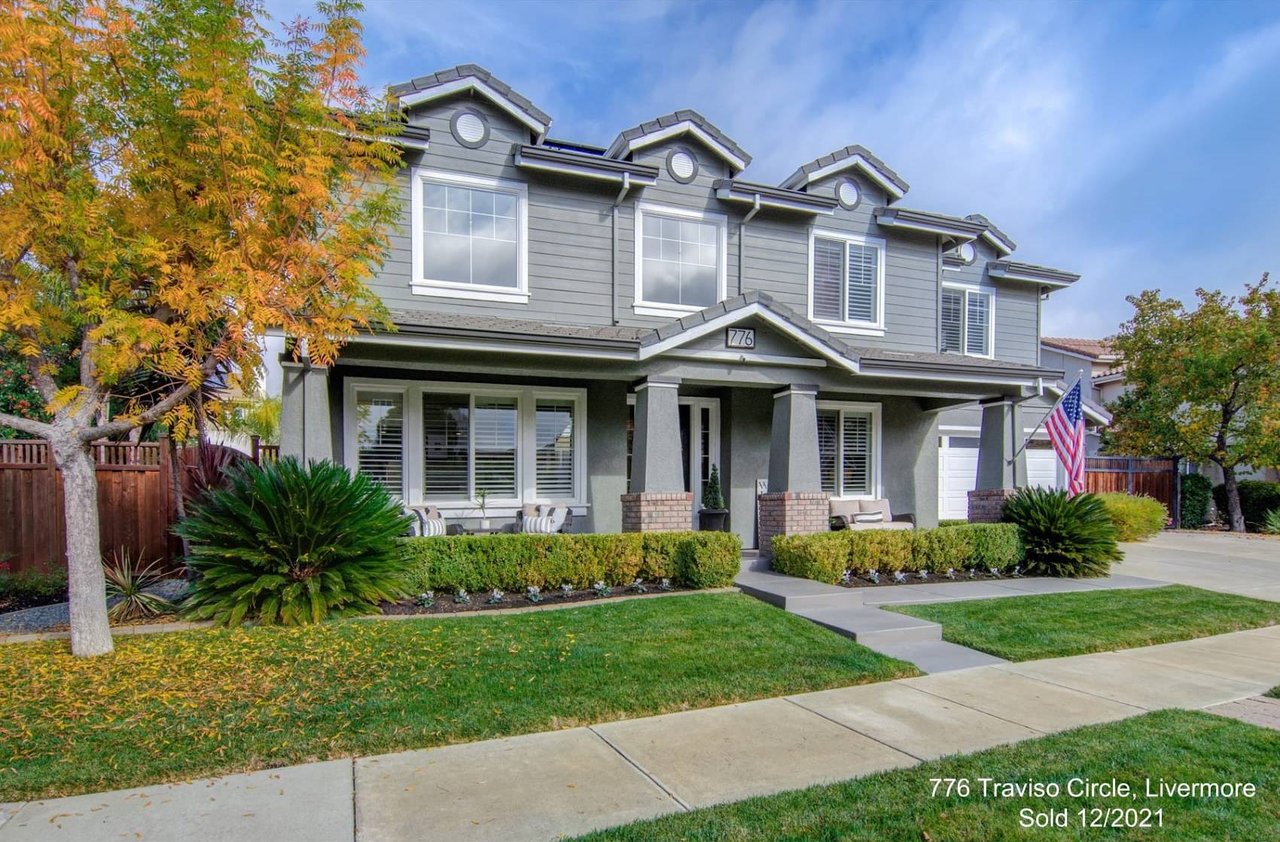
Danville provides a broader range of housing types. The town says it includes single-family homes, townhomes, condominiums, and apartments, and its 2023 to 2031 Housing Element breaks the stock down further.
According to that document, 75.7% of Danville homes are detached single-family, 18.0% are single-family attached, 1.0% are small multifamily, and 5.1% are medium or large multifamily. That mix gives buyers more product variation, especially if you want something smaller, lower-maintenance, or newer on a more compact lot.
Lot size trends favor Alamo
There is no single official lot-size number that captures each community. But based on the planning and development record, the best way to frame the difference is this: Alamo tends to skew toward larger, more private, estate-like parcels, while Danville offers a wider mix that includes smaller-lot subdivisions and attached housing.
For a buyer, this becomes less about statistics and more about priorities. If you want privacy and land, Alamo often rises to the top. If you want more choices in layout, price point, and maintenance level, Danville may offer more flexibility.
Planning and Future Change
Alamo is oriented toward preserving existing character
Contra Costa County guidance for Alamo emphasizes preserving the existing single-family pattern and concentrating higher-density housing near the commercial core. That gives many buyers a sense that Alamo’s broader residential character is intended to remain relatively consistent over time.
If you are buying for long-term lifestyle and want a community with limited change in its core single-family areas, this may matter to you. It is one reason Alamo is often seen as a more stable, estate-oriented choice.
Danville has a larger housing planning target
Danville is operating under a state-certified 2023 to 2031 Housing Element with a minimum planning target of 2,241 new homes. That number does not mean every area will change in the same way, but it is relevant if you are thinking about future development patterns.
For some buyers, more planned housing means more options and a broader housing mix. For others, it is a reminder to think carefully about where within Danville they want to buy and how future growth may shape the area over time.
Commute and Transit Considerations
Both are car-oriented communities
Neither Alamo nor Danville has direct rail service. In both places, daily travel tends to revolve around I-680 and connections to BART.
That means your exact commute experience will depend heavily on where your workplace is, what time you travel, and how close you are to freeway access or park-and-ride options. In short, neither community removes the need to plan around traffic.
Danville has stronger park-and-ride infrastructure
Danville’s Sycamore Valley Park and Ride sits at the I-680 and Sycamore Valley Road interchange and has about 240 public spaces. It serves County Connection routes 92X, 95X, 21, and 321, with connections to BART and ACE.
Danville’s public transit information also notes service to the Dublin/Pleasanton and Walnut Creek BART stations. If transit access is part of your routine, Danville offers a more formal park-and-ride setup.
Alamo has targeted transit access
Alamo does have transit options, though they are more targeted. County Connection’s Alamo Creek Shuttle is a free weekday service for certain Alamo Creek-area developments, with door pickup in a defined corridor along Camino Tassajara and I-680, serving Danville Park and Ride and Walnut Creek BART.
County Connection Route 21 also stops at Danville Boulevard and Alamo Plaza and Danville Park and Ride, linking both communities to Walnut Creek BART. For many buyers, that means transit can work in Alamo, but your location within Alamo matters.
Average commute times are similar
Census data shows an average travel time to work of 29.2 minutes in Alamo and 32.5 minutes in Danville. These are community-wide averages, so they should not be treated as route-specific predictions.
Even so, they suggest that neither community has a major built-in edge on commute time alone. The better question is usually which specific home gives you the best access to your daily pattern.
Parks, Trails, and Outdoor Access
Alamo is compact and trail-adjacent
Alamo’s recreation story centers on neighborhood parks and strong links to regional trails. Contra Costa County lists Hap Magee Ranch Park as a 17-acre historic ranch site with trail links to Las Trampas, Iron Horse, and Mount Diablo regional trails.
Hemme Station Park sits on the Iron Horse Trail, and Livorna Park includes bocce courts, a gazebo, and community events. Smaller local spaces such as Andrew H. Young Park and Pacheco Creekside Park add to Alamo’s pocket-park feel.
Danville has a broader civic park network
Danville says it operates and maintains more than 167 acres of parkland and six community parks. The town also borders Iron Horse Trail, Las Trampas Regional Wilderness, Sycamore Valley Open Space Preserve, and Sherburne Hills Open Space Preserve.
For buyers, the difference is not whether either community has outdoor access. Both do. The difference is that Danville offers a larger municipal park system and a more developed park-and-event network, while Alamo feels quieter and more closely tied to neighborhood-scale parks and trail access.
Price and Ownership Profile
Alamo tends to sit higher on value
Census data shows a median owner-occupied housing value of $2,000,000+ in Alamo, compared with $1,681,700 in Danville. That does not mean every Alamo home is more expensive than every Danville home.
It does, however, reinforce the broader picture of Alamo as the more estate-oriented market. If you are shopping for a higher-value single-family home with more lot size and privacy, Alamo often aligns with that search.
Which Buyers Usually Prefer Alamo?
Alamo is often the better fit if your priorities include:
- Larger lots
- More privacy
- Estate-scale homes
- A quieter county-governed setting
- A residential pattern expected to remain largely single-family in character
- Close access to trails and neighborhood parks
For many luxury and move-up buyers, the shorthand is simple: Alamo is more about space, calm, and estate feel.
Which Buyers Usually Prefer Danville?
Danville is often the better fit if your priorities include:
- More housing variety
- Town-run amenities
- A downtown core
- Broader civic and recreation assets
- Easier access to park-and-ride transit
- More compact or lower-maintenance housing options
The practical shorthand here is just as clear: Danville is more about variety, services, and town-center convenience.
The Best Way to Decide
If you are choosing between Alamo and Danville, it helps to stop looking for a universal winner. These are two strong San Ramon Valley options, but they serve different buyer goals.
If your move is driven by privacy, lot size, and a more estate-oriented setting, Alamo may feel like the better long-term fit. If you want more housing choices and a more self-contained town experience, Danville may check more of the right boxes.
The most useful comparison usually happens at the property and neighborhood level. That is where your commute, preferred home style, outdoor access, and daily routine all come together. If you want local guidance on which homes best fit your priorities in Alamo or Danville, connect with Brad Gothberg.
FAQs
Is Alamo or Danville better for buyers who want larger lots?
- Alamo generally trends toward larger, more private, estate-like parcels, while Danville offers a wider mix that includes smaller-lot and attached-home options.
Is Alamo or Danville better for buyers who want more housing variety?
- Danville offers more housing variety, including single-family homes, townhomes, condominiums, and apartments, based on the town’s housing information.
Is Alamo or Danville better for buyers who want a quieter setting?
- Alamo is often the stronger match for buyers who prioritize a quieter, county-governed environment with a largely single-family character.
Is Alamo or Danville better for buyers who use BART connections?
- Both communities rely on BART connections rather than direct rail service, but Danville has a more formal park-and-ride setup, while Alamo’s transit access is more location-specific.
Is Alamo or Danville better for buyers focused on parks and trails?
- Both offer strong outdoor access, but Alamo leans more trail-adjacent and neighborhood-scaled, while Danville has a larger municipal park system and broader civic recreation network.