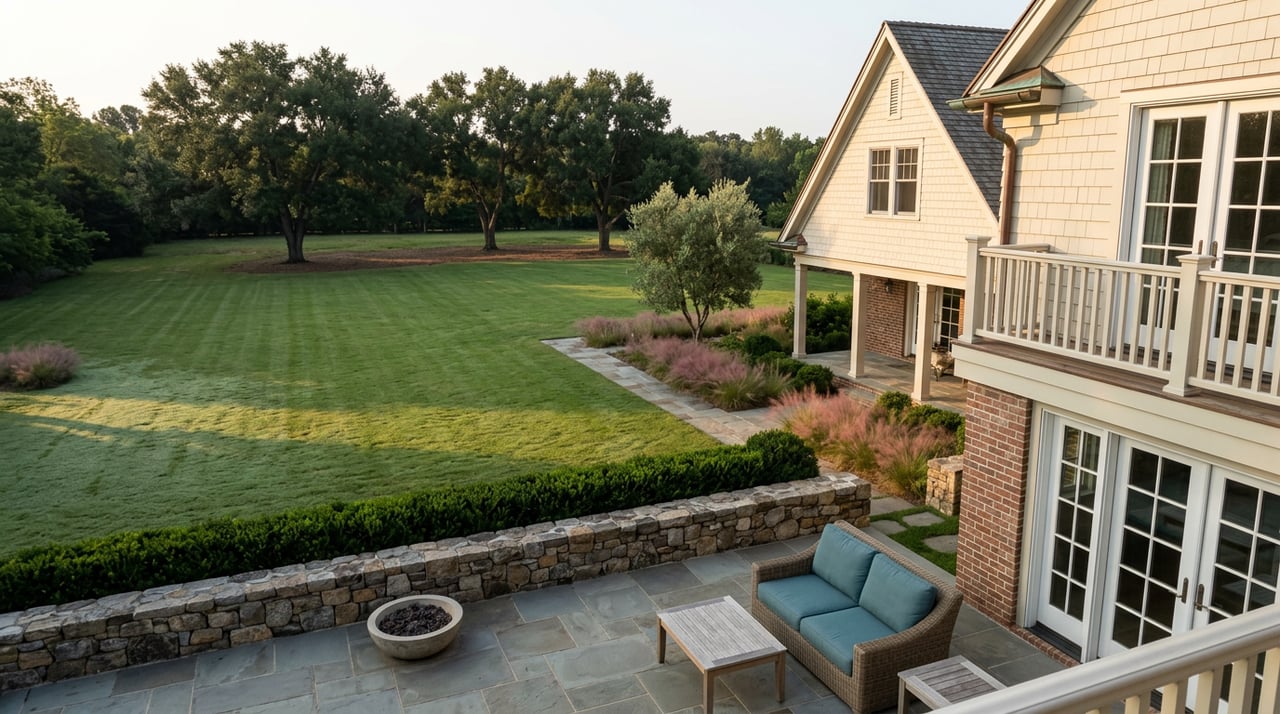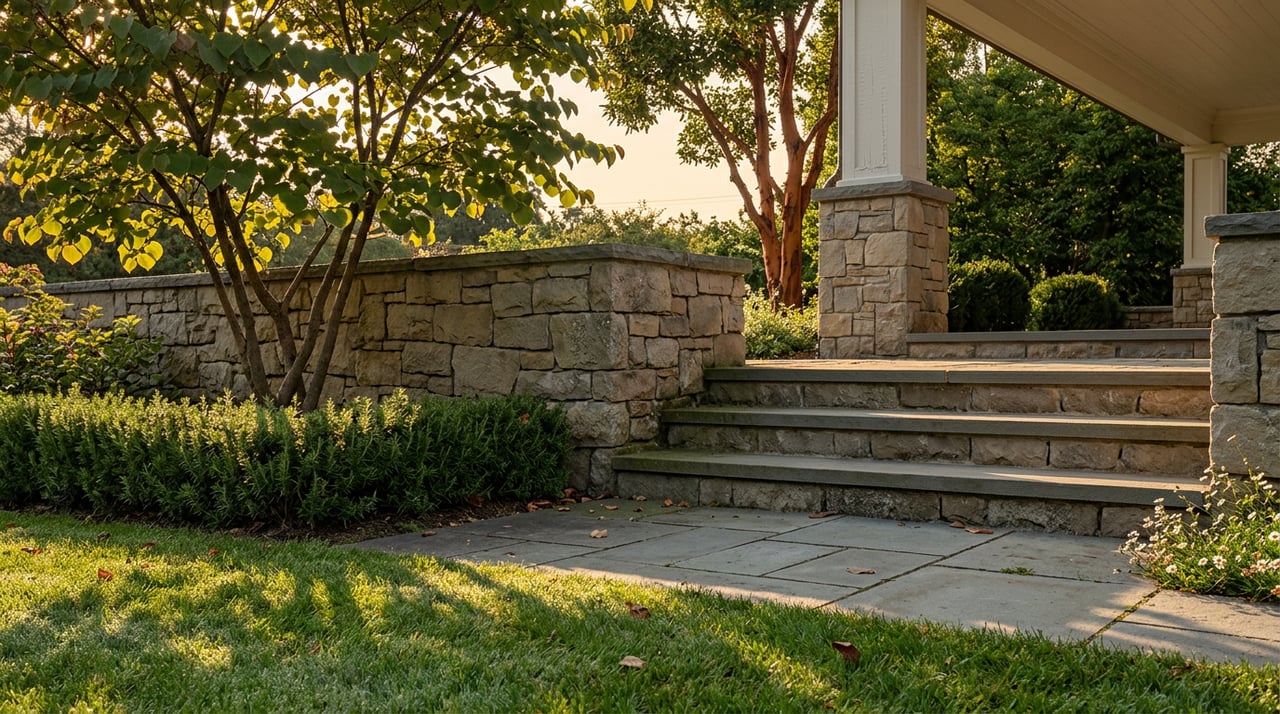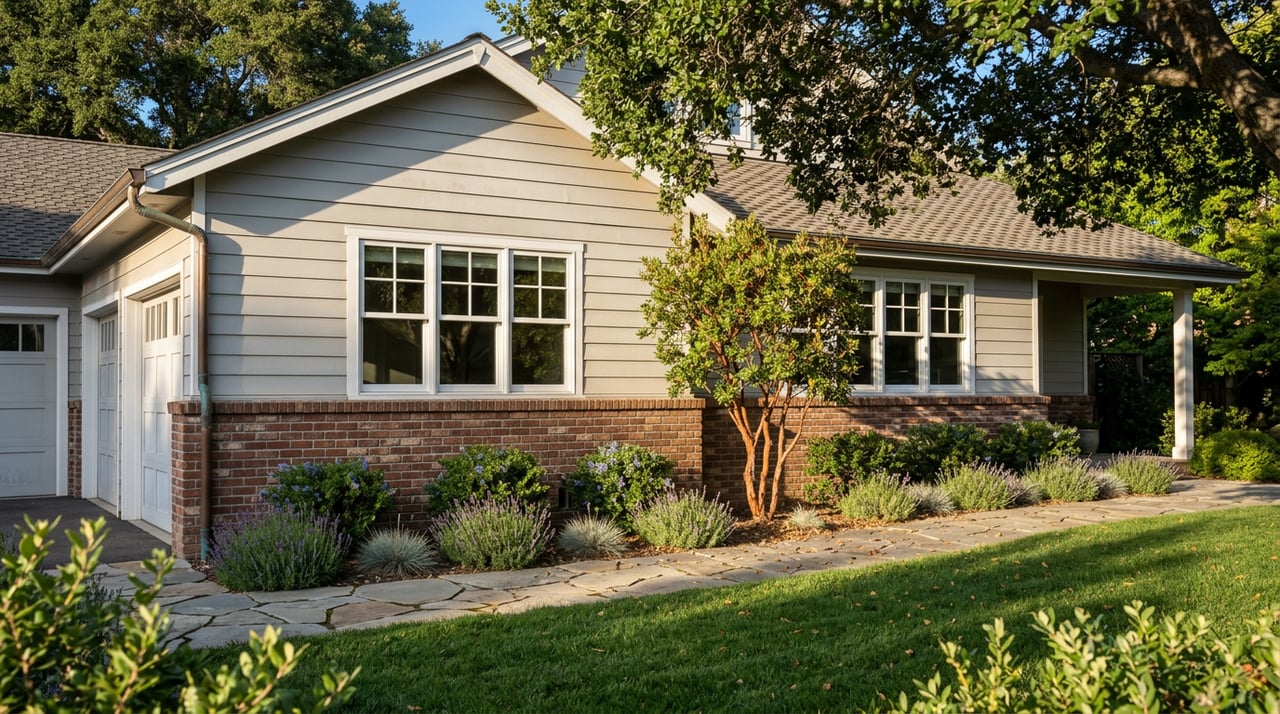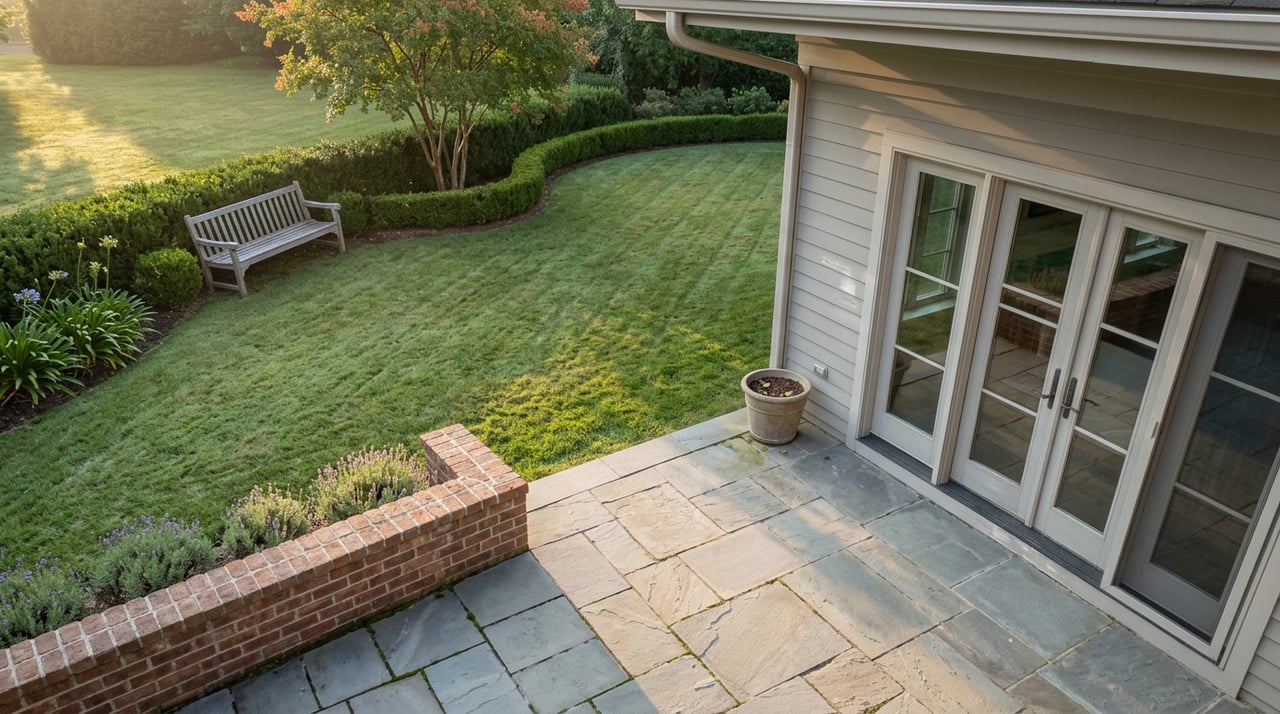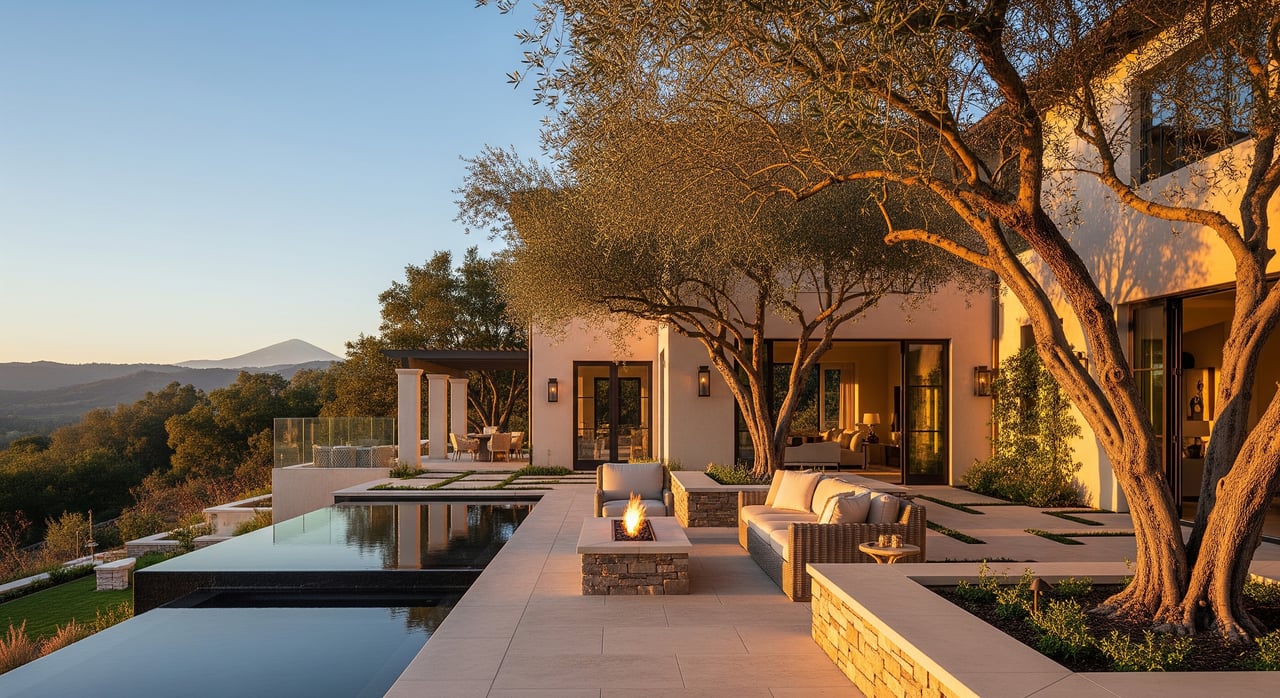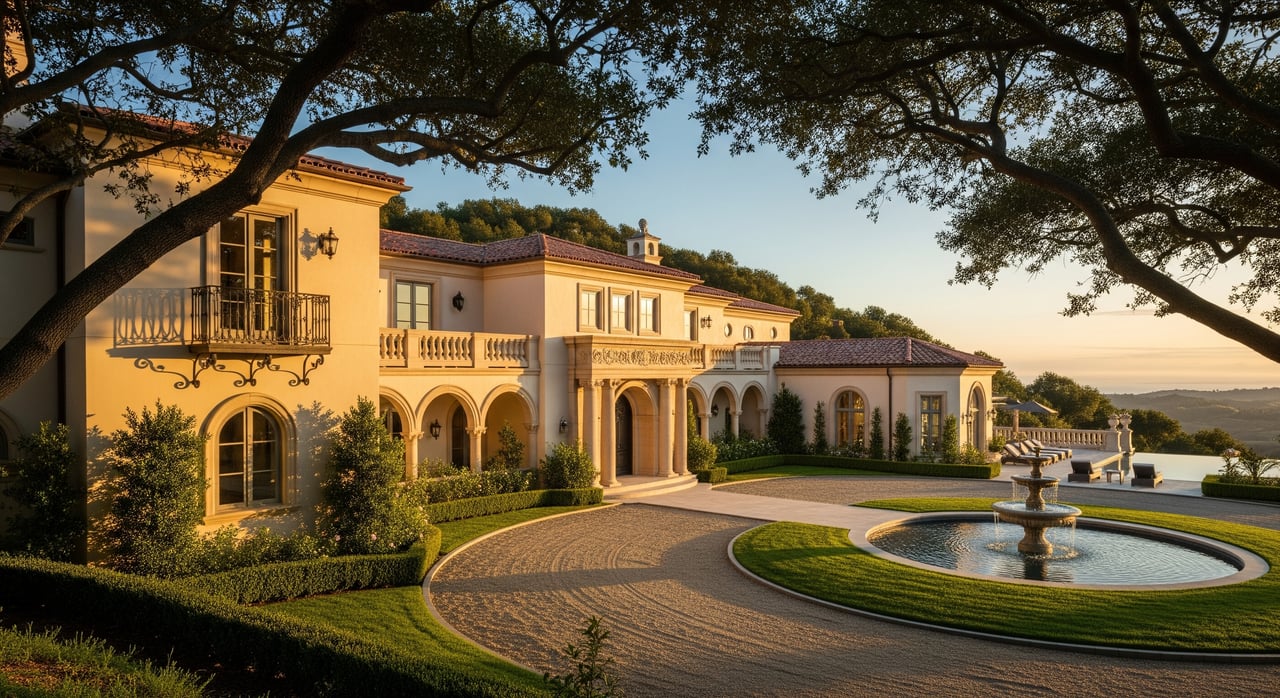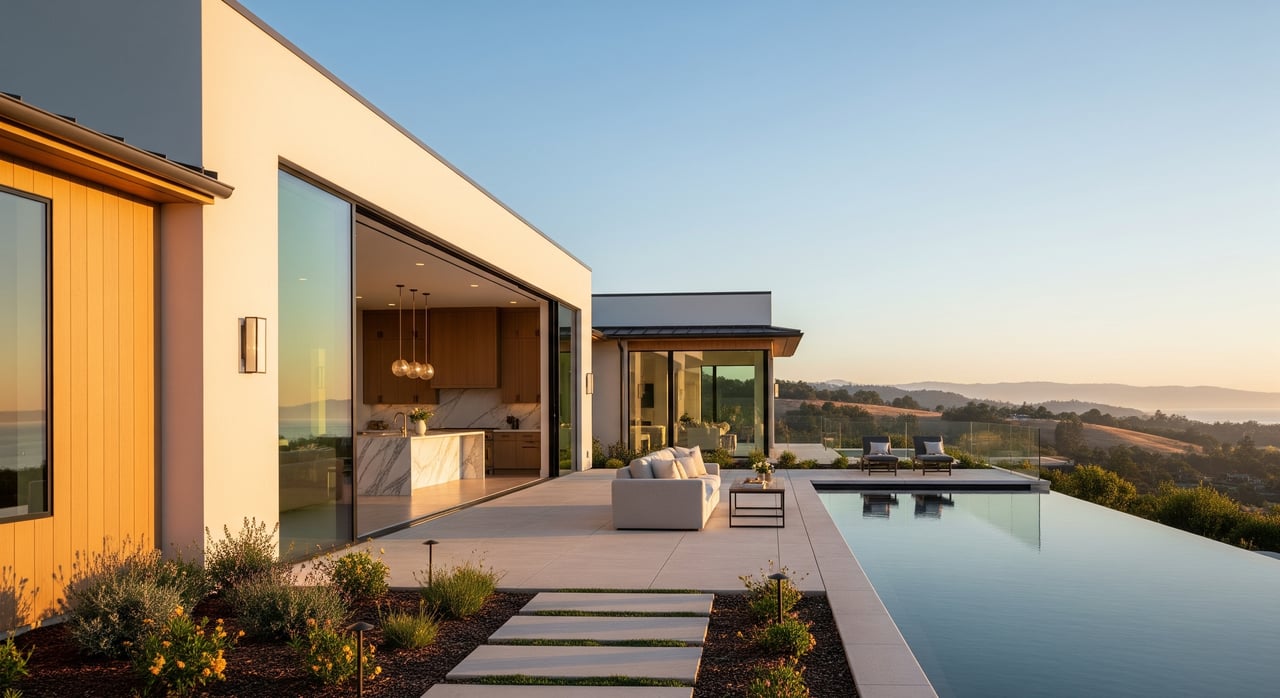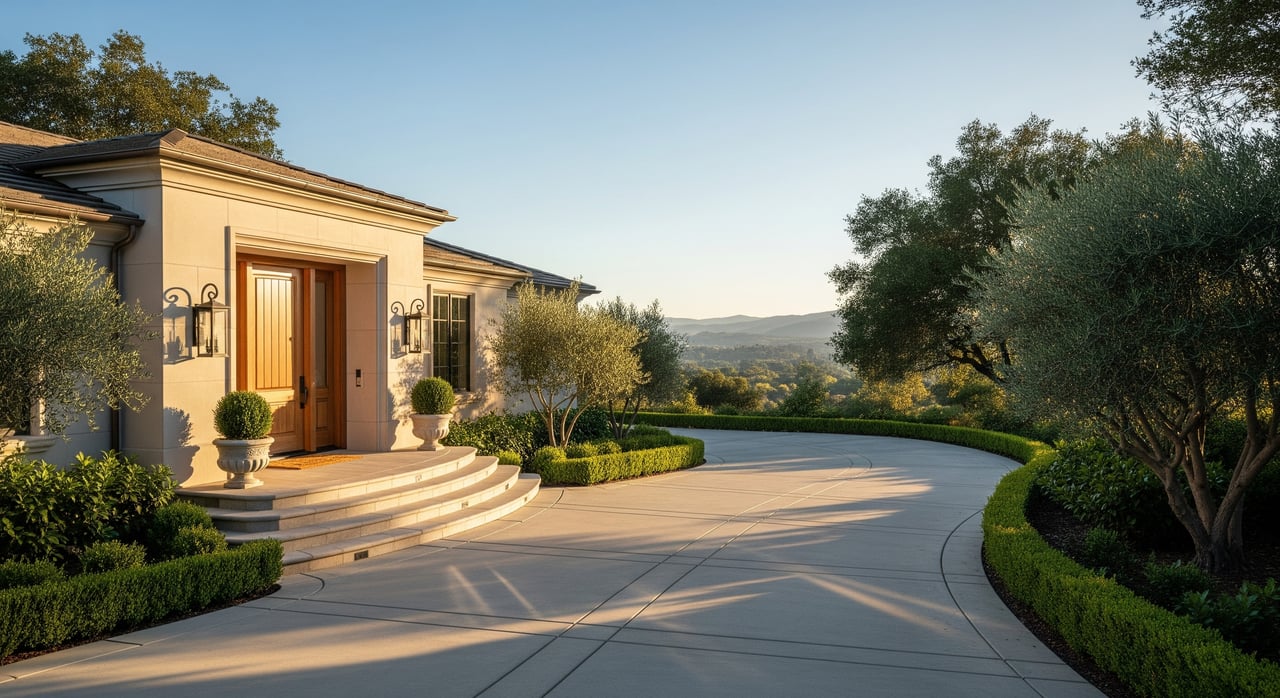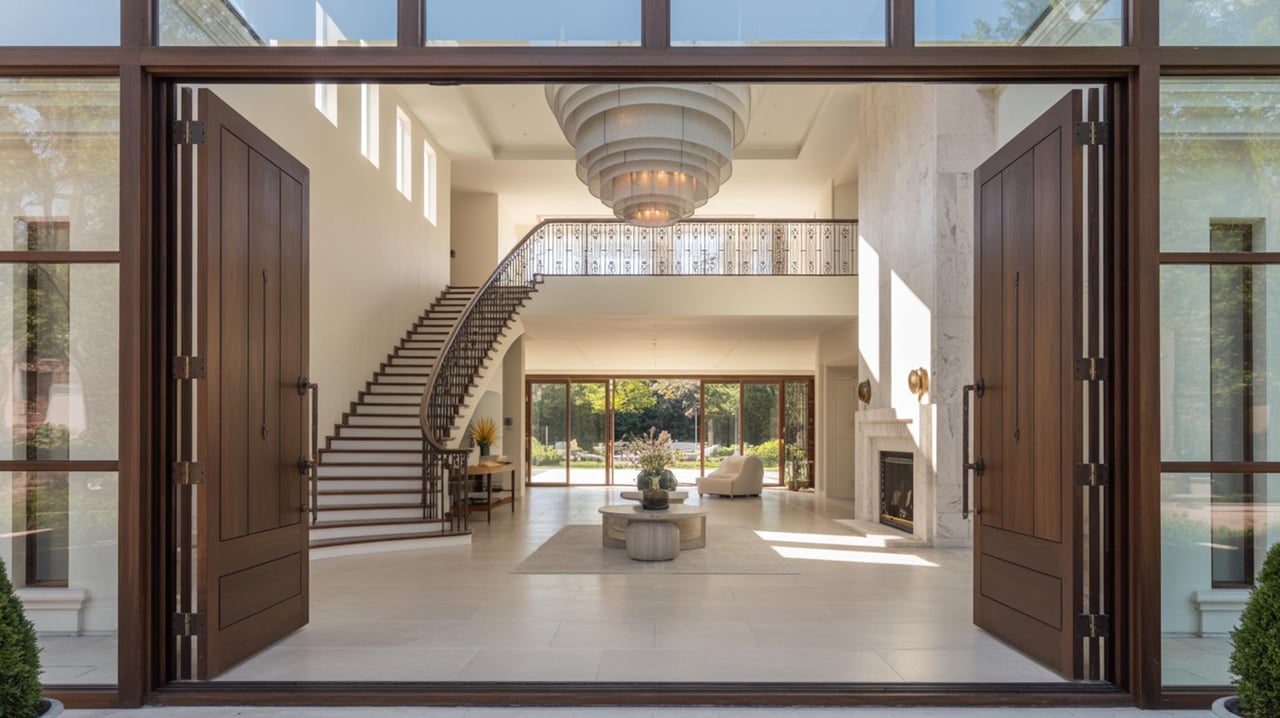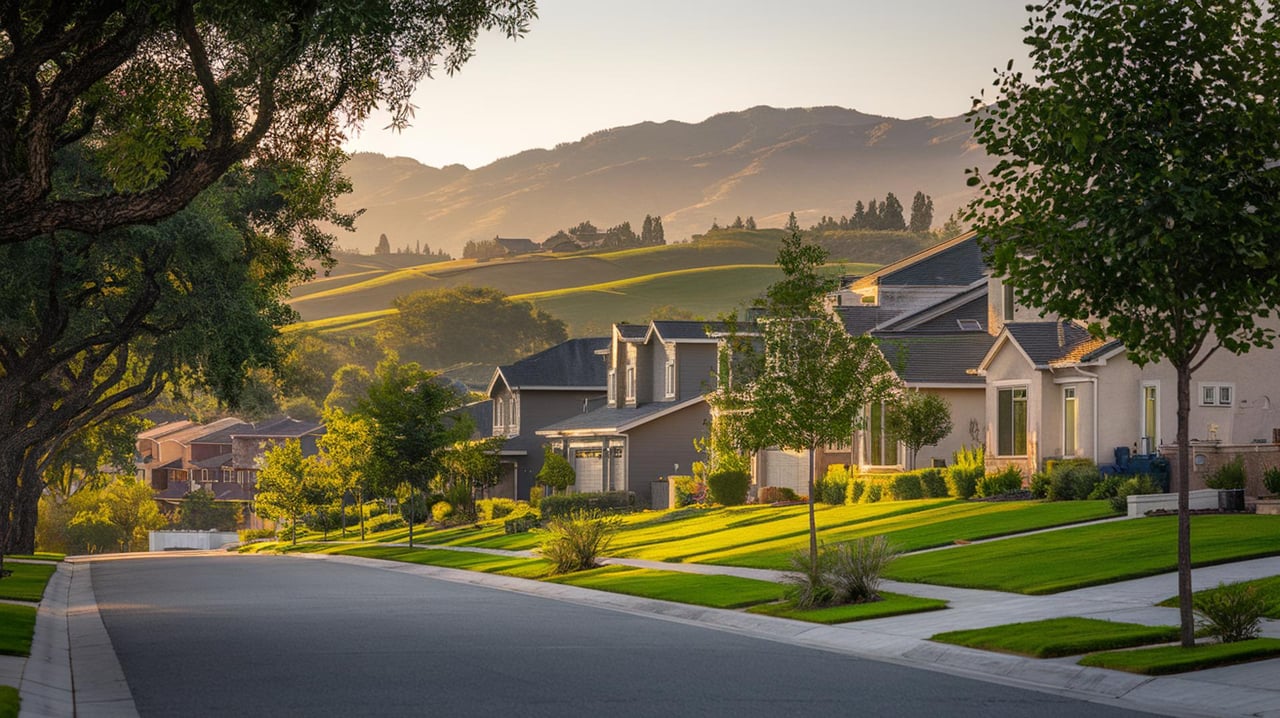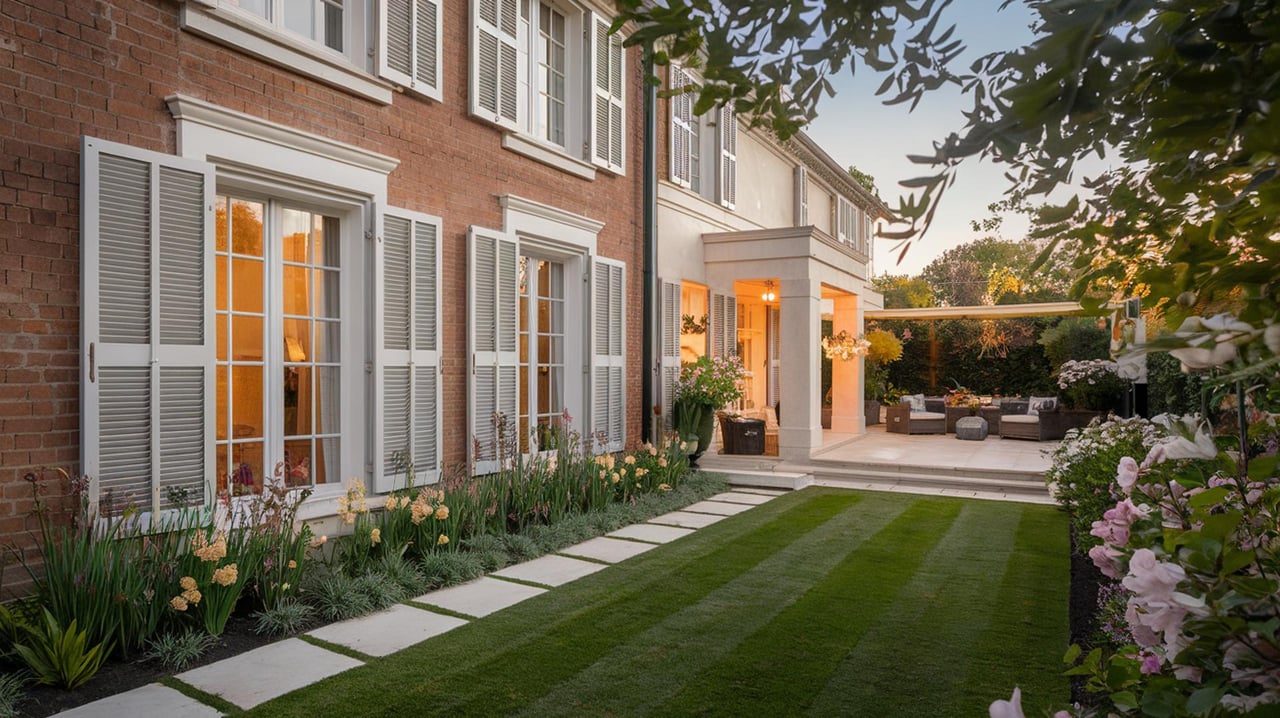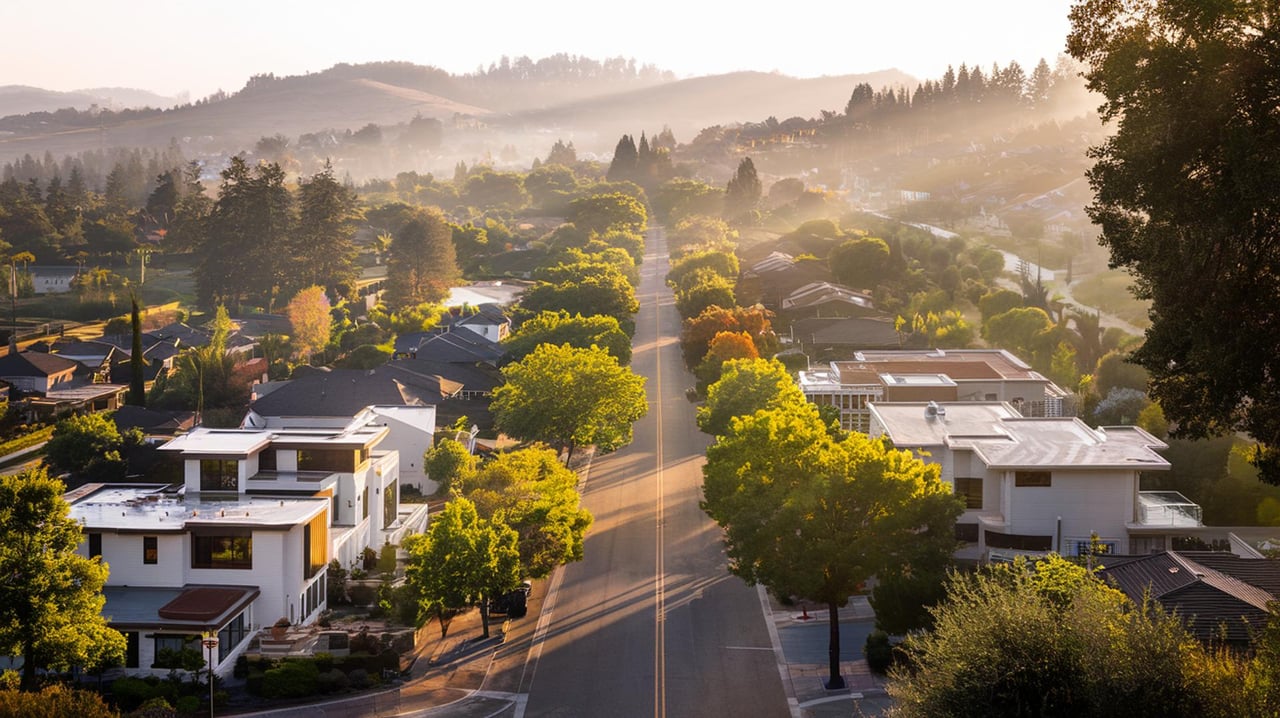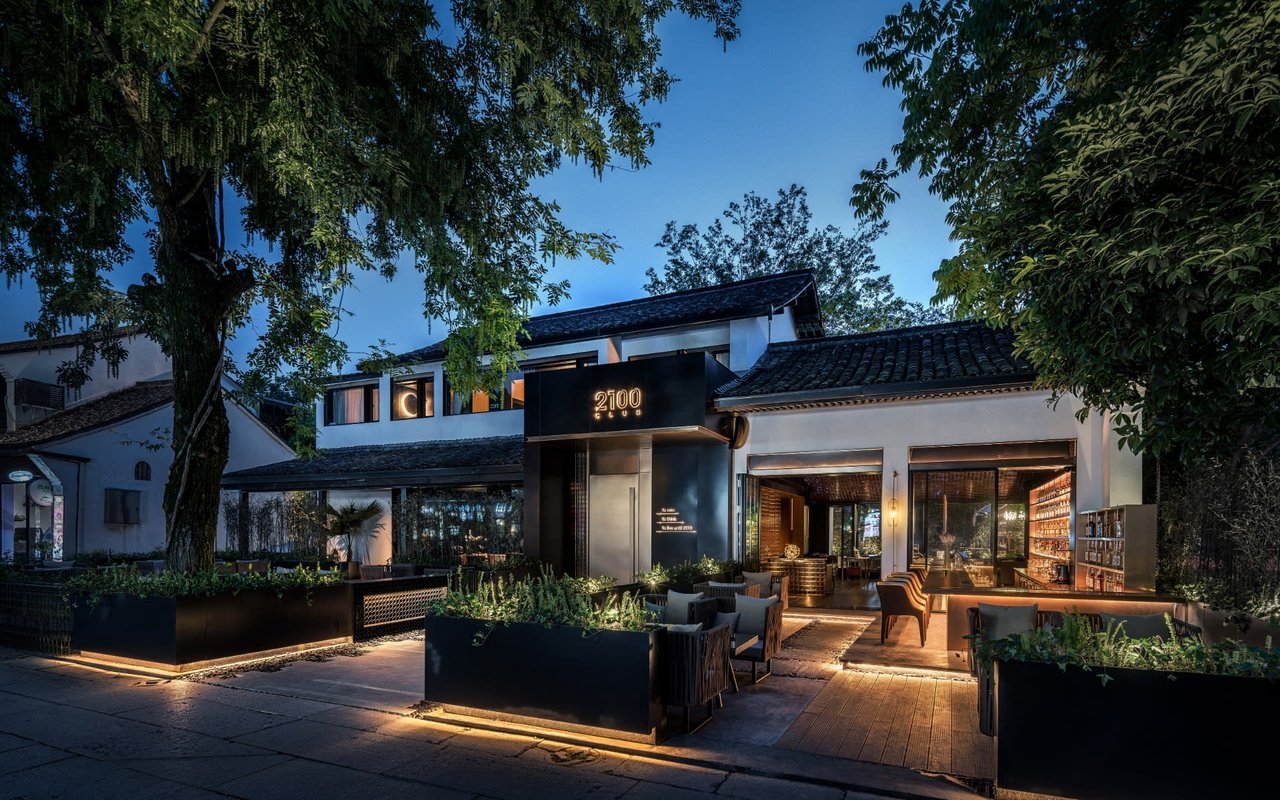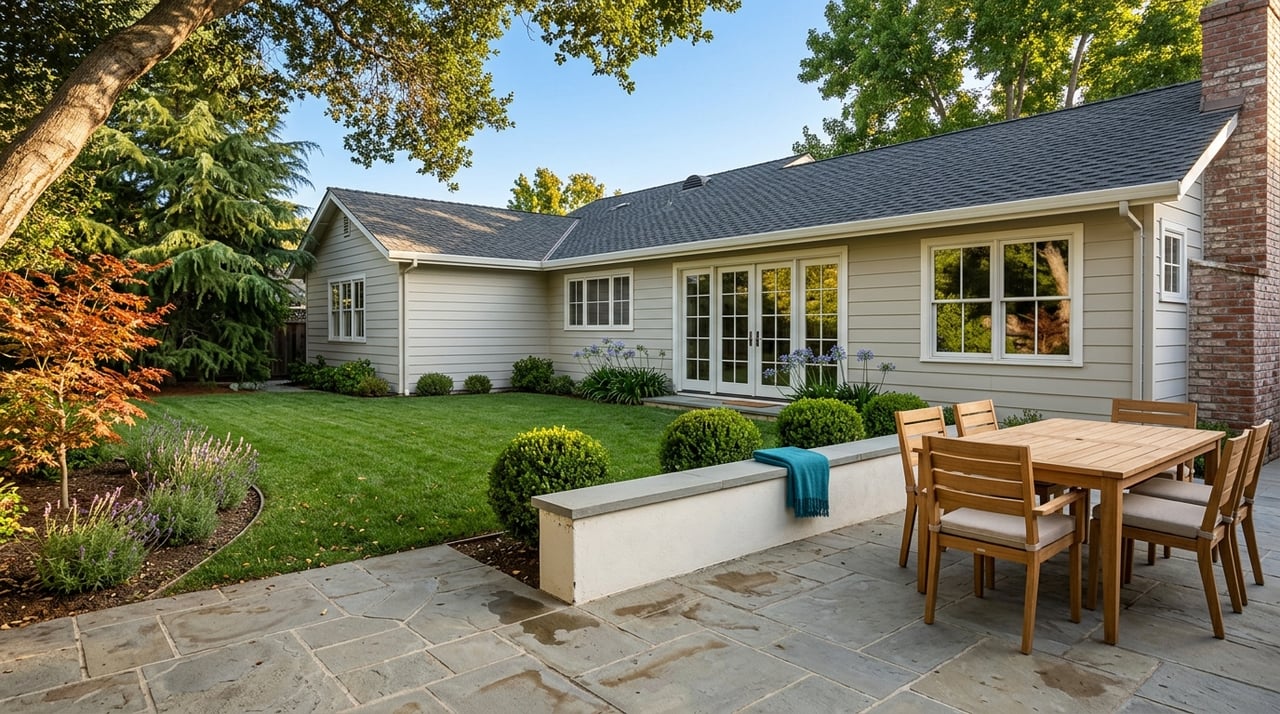
If you look at Alamo as one luxury market, you can miss what actually drives value. A hillside estate with sweeping views, a flat interior ranch on a large lot, and a home near Danville Boulevard can all sit under the same Alamo address while attracting different buyers and moving on very different timelines. If you are buying or selling here, understanding those differences can help you price more accurately, compare homes more wisely, and make better decisions. Let’s dive in.
Why Alamo Is Not One Simple Market
Alamo is a small, high-value community with 15,314 residents spread across 9.82 square miles, according to the 2020 Census. It also has a 91.8% owner-occupied housing rate, owner-occupied home values at $2,000,000+, median household income of $250,000+, and a 29.2-minute mean commute time. Taken together, that points to a place with deep ownership, limited turnover, and a market that needs a close read.
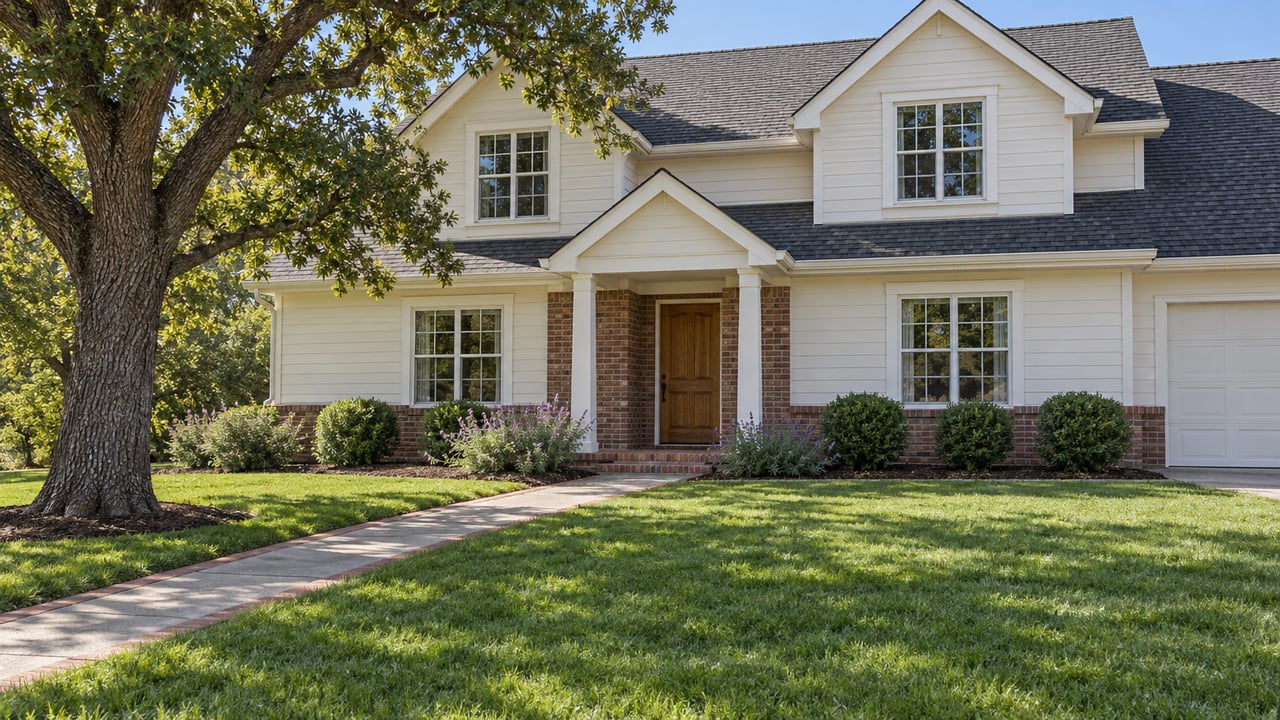
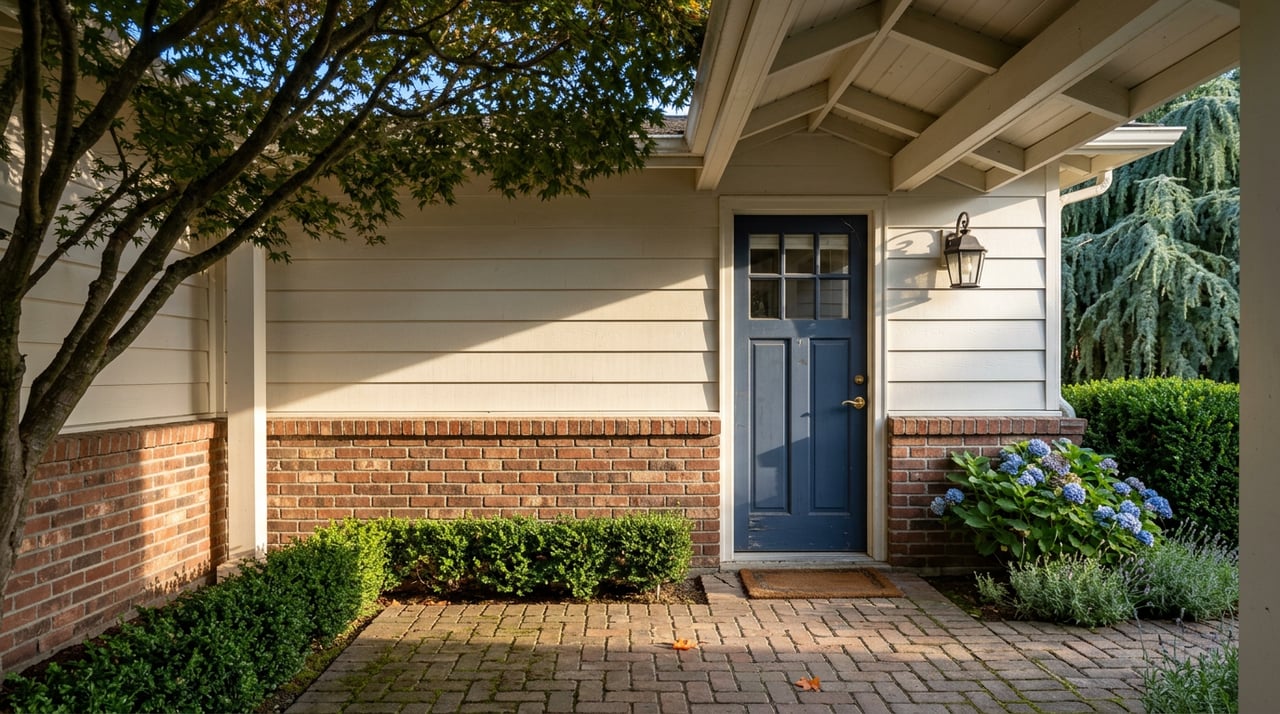
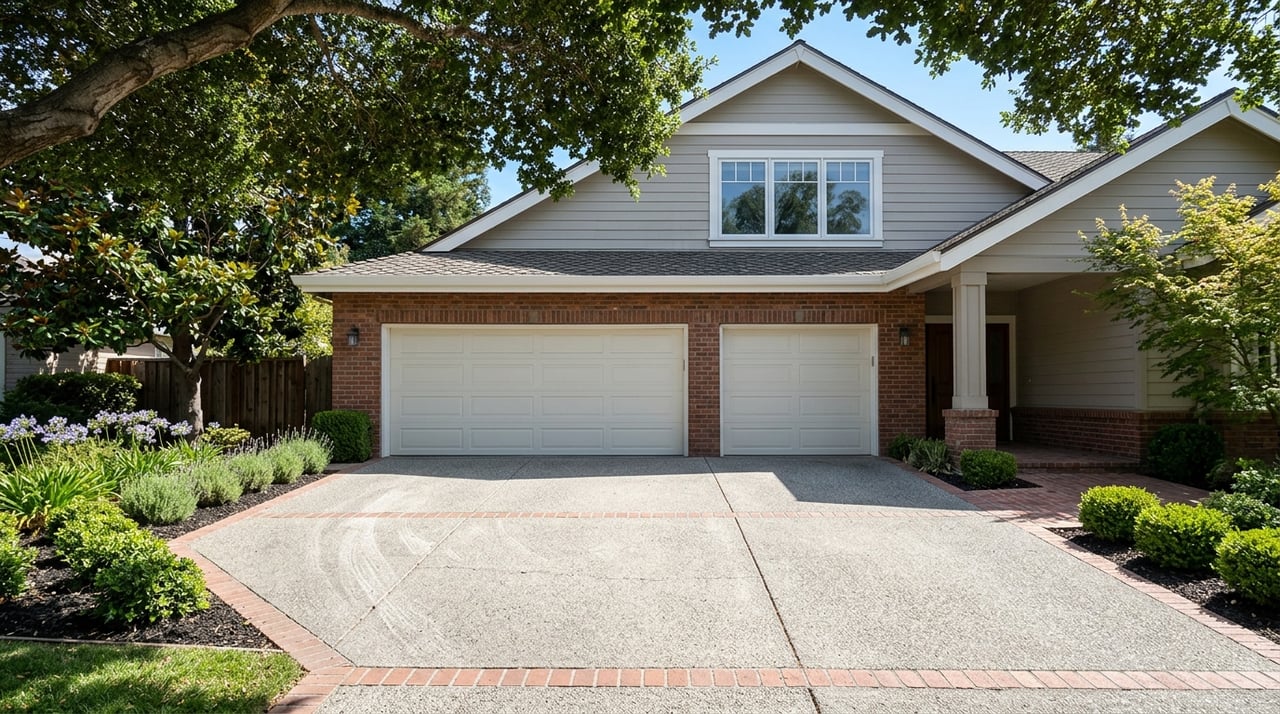
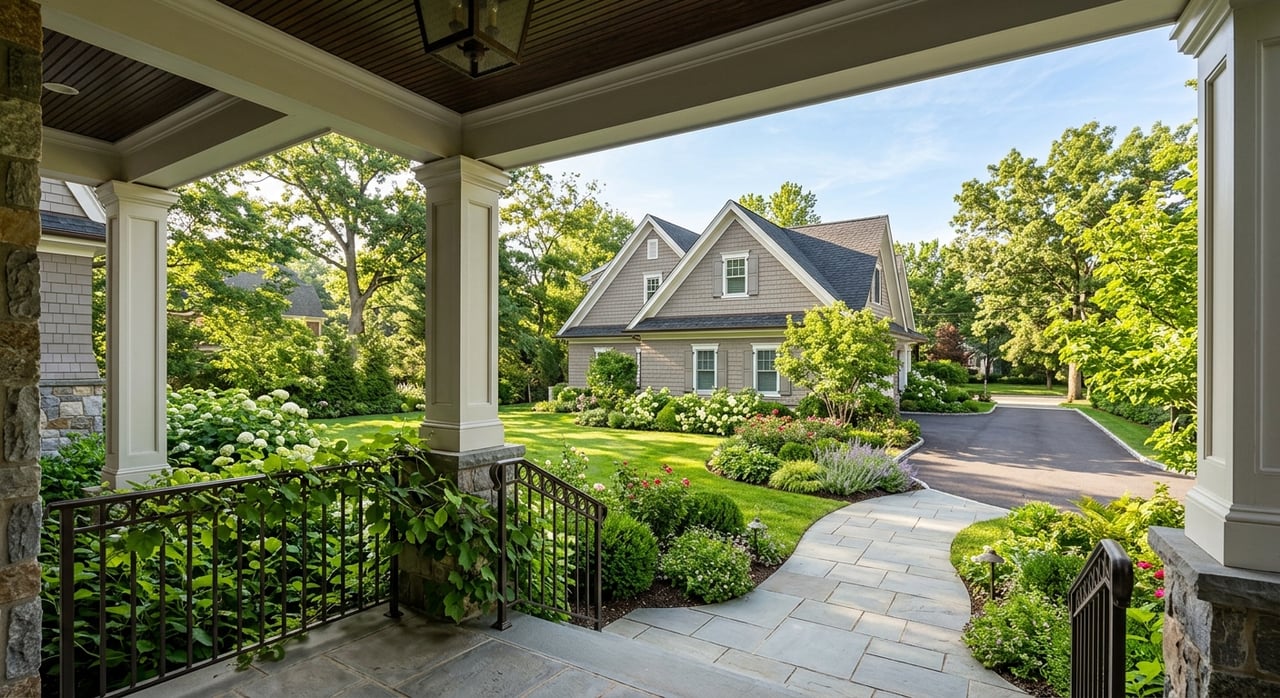
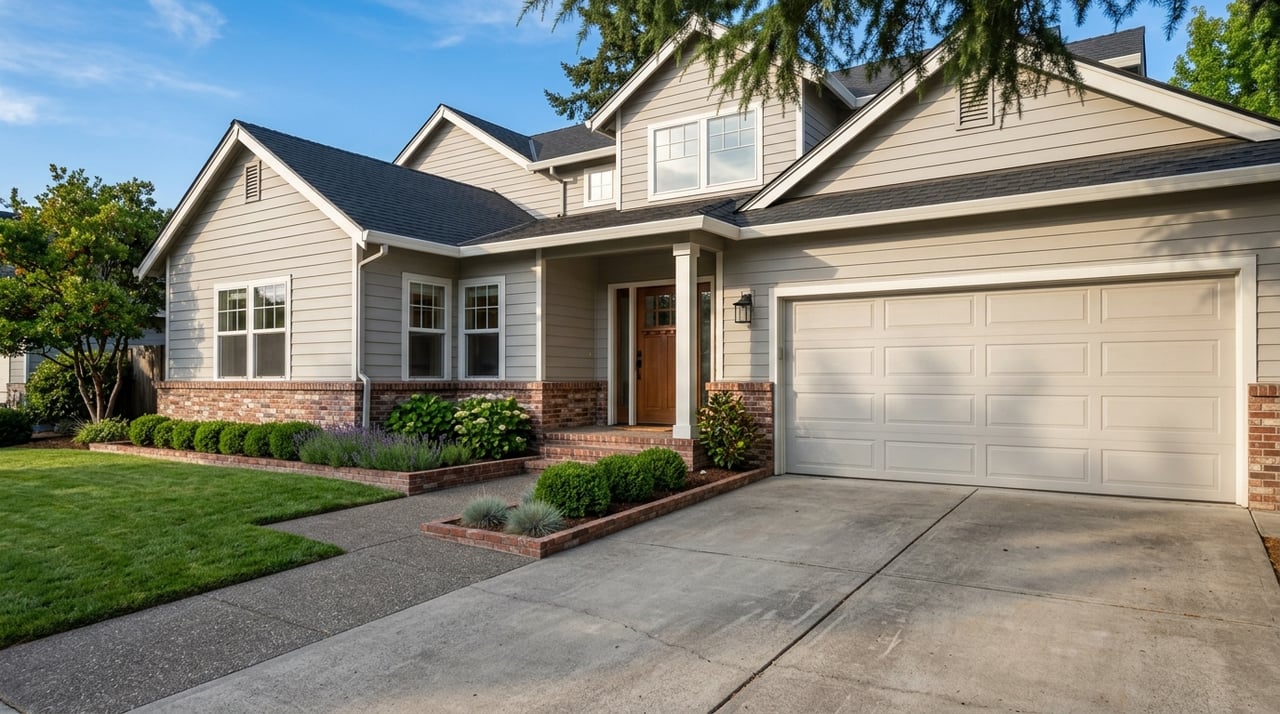
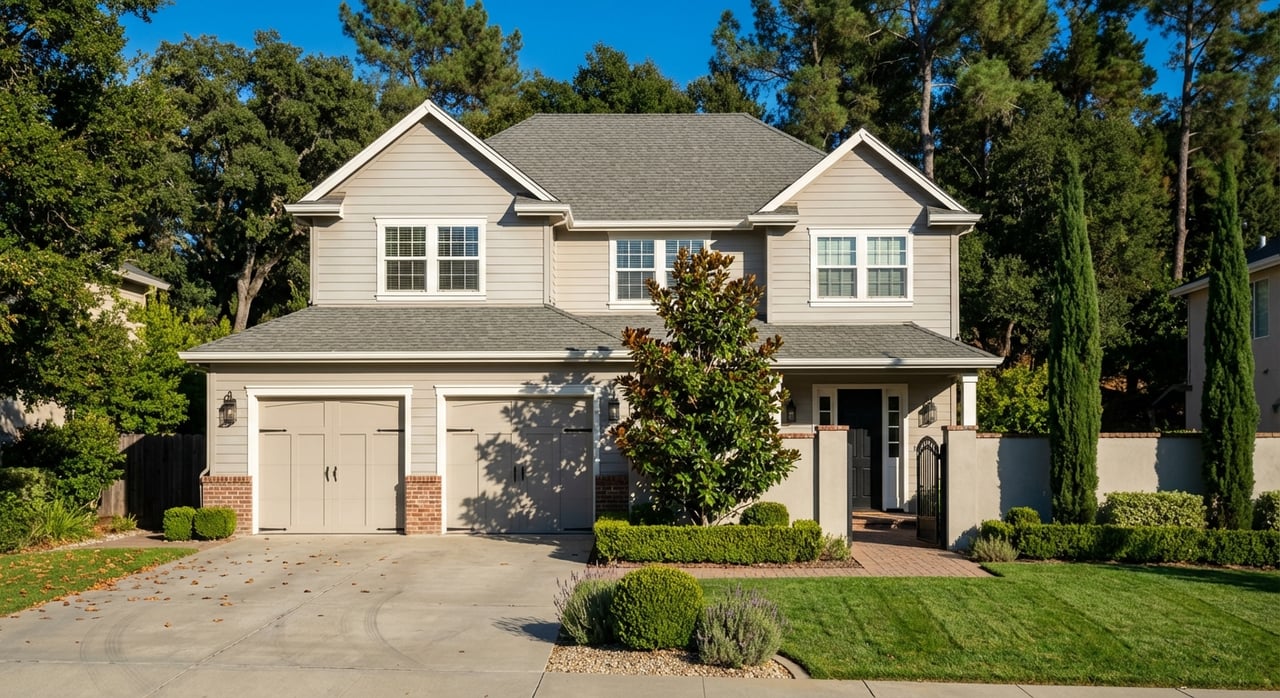
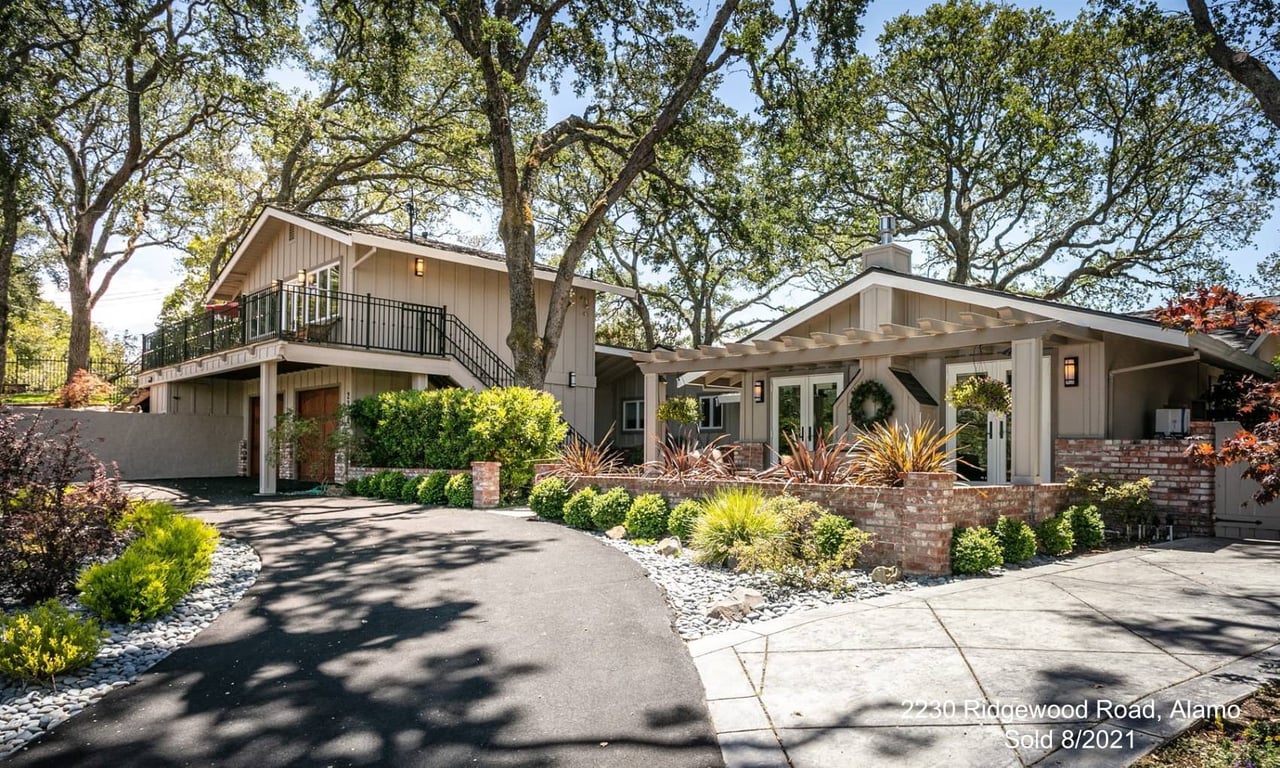
Contra Costa County describes Alamo as a community of wooded hillsides, parks, mostly single-family ranch-style homes on relatively large lots, plus some multiple-family housing along Danville Boulevard south of Stone Valley Road and estates on large rural tracts. That mix matters. It tells you right away that Alamo should not be treated as one flat luxury market.
For buyers, that means citywide averages only tell part of the story. For sellers, it means your home should be positioned against the right pocket, not just the broad Alamo median.
The Three Luxury Micro-Markets
Hillside and estate pockets
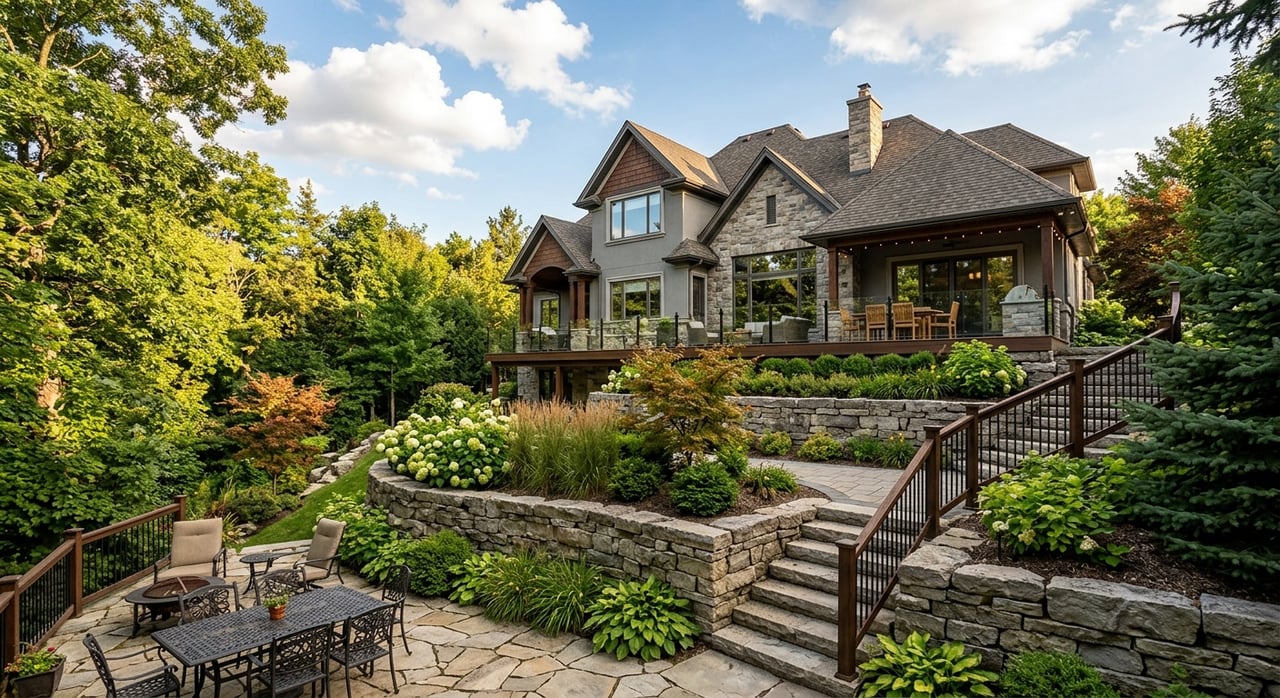
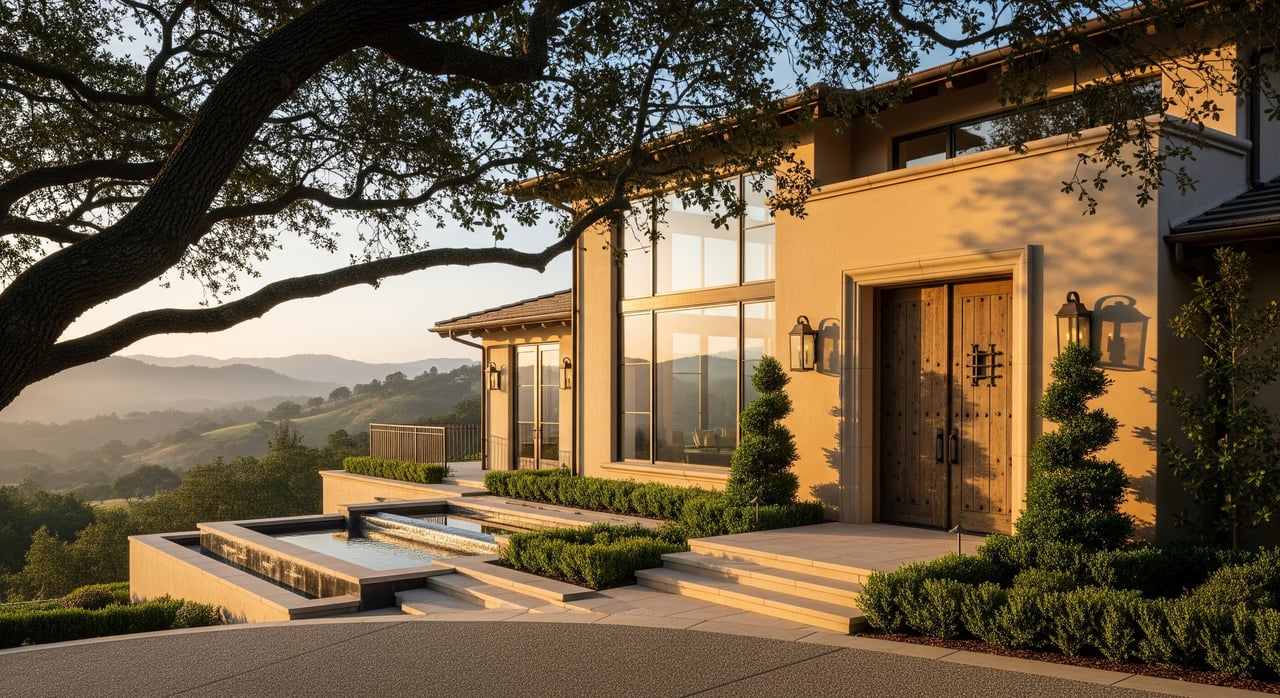
Some of Alamo’s highest-end homes sit in hillside and view-oriented areas where scenery, privacy, and lot setting shape value. Public market snapshots show why these homes deserve their own comp set. Redfin’s Alamo view-homes page shows 19 view homes with a median listing price of $3.0M and a median 20 days on market.
Other public neighborhood pages show variation even within this upper tier. Westside showed 16 active listings, a $2.628M median listing price, and 25 days on market in April 2026, while Roundhill Country Club showed single-digit active inventory, a median listing-home price around $3M, and 34 days on market. Those are meaningful differences, especially in a low-inventory market.
In these pockets, views are only part of the equation. Contra Costa County also flags wildfire, landslides, debris flows, severe storms, and single-access roads as vulnerabilities in Alamo and Castle Hill. That means slope, access, and defensible-space conditions can affect buyer confidence and time on market alongside architecture and presentation.
Flat interior ranch pockets
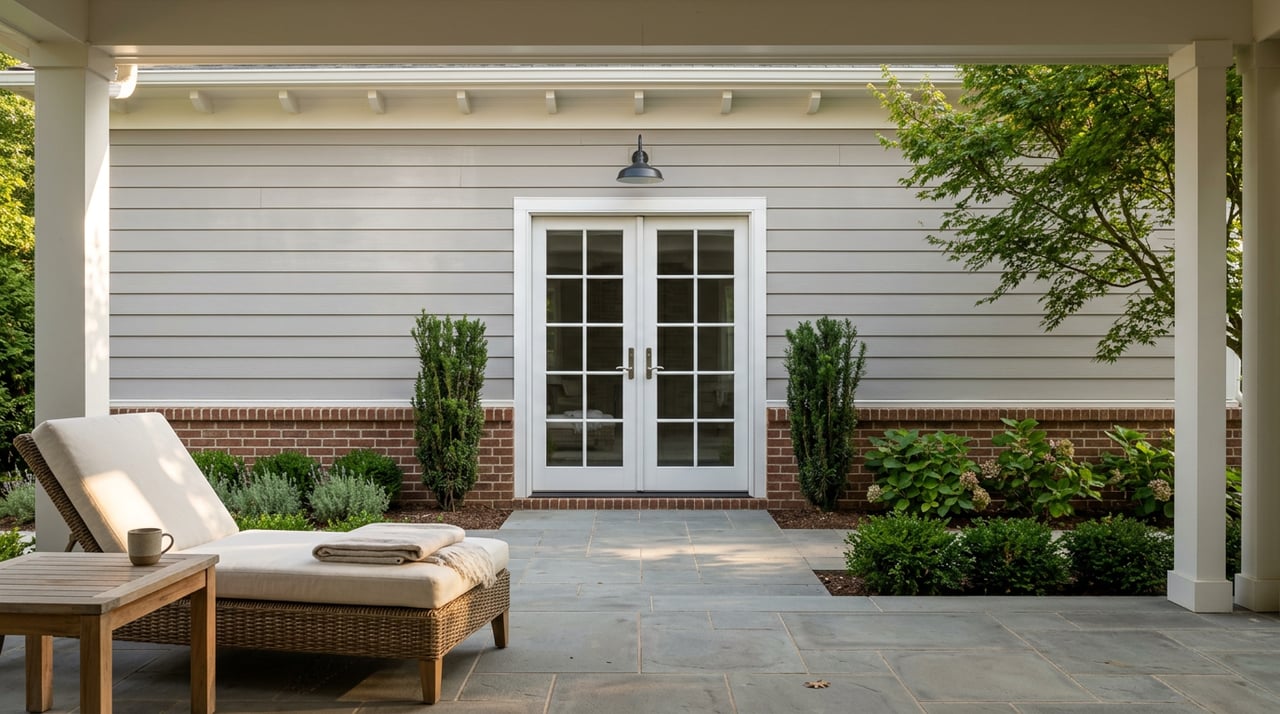
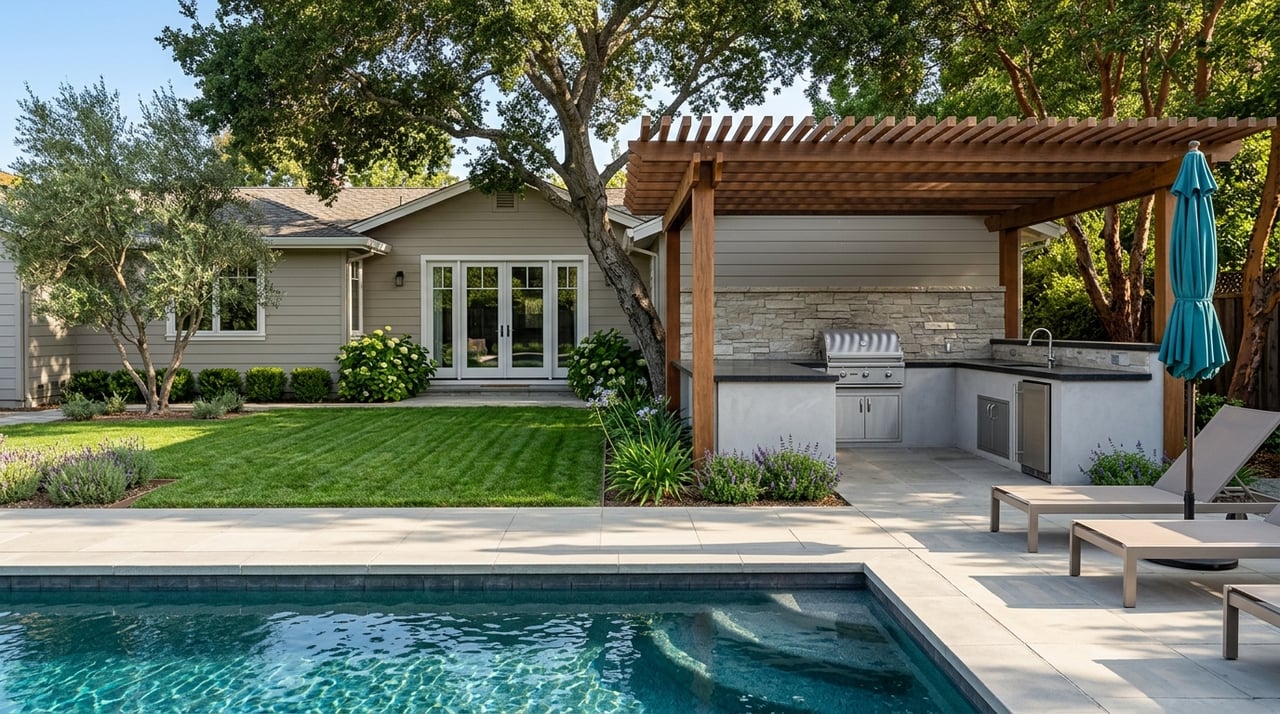
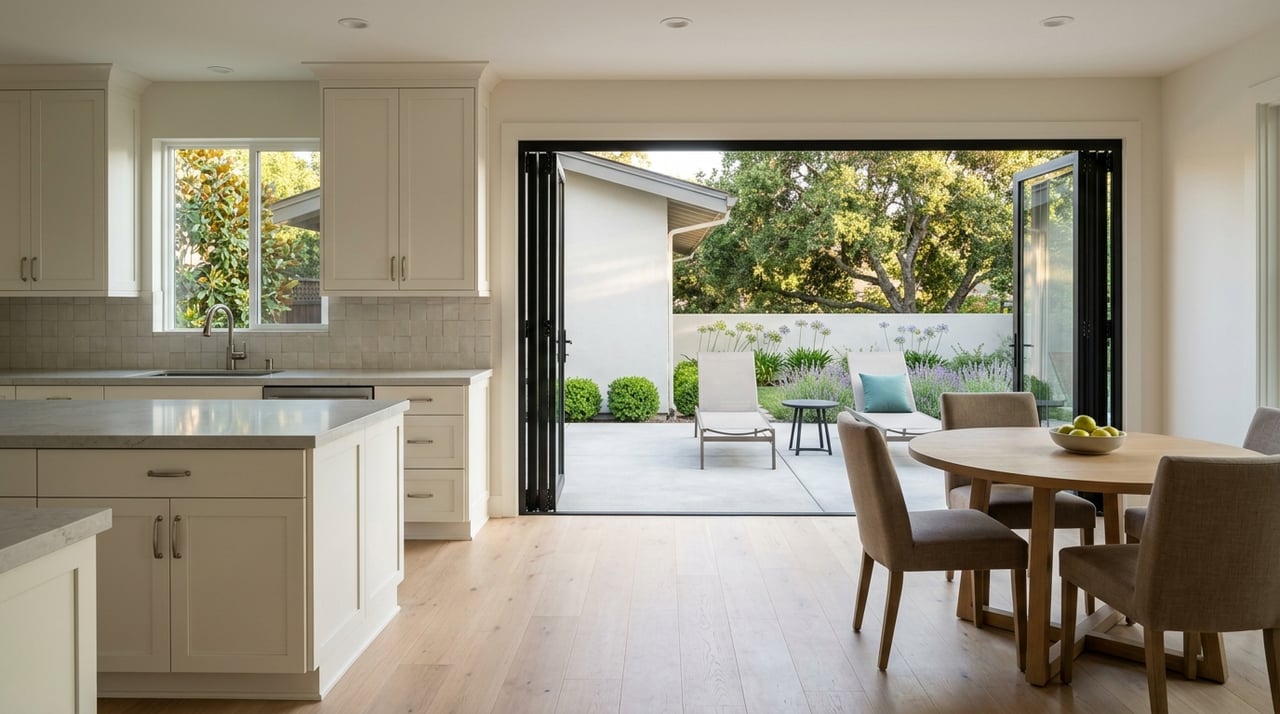
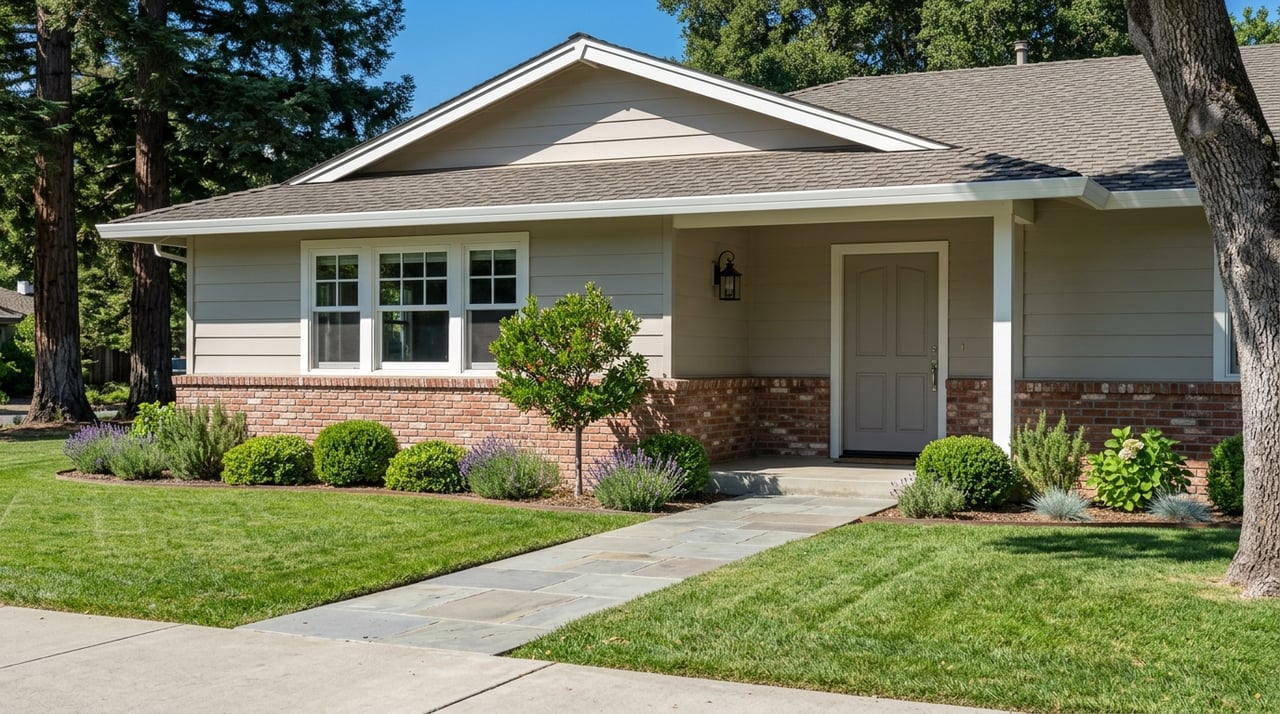
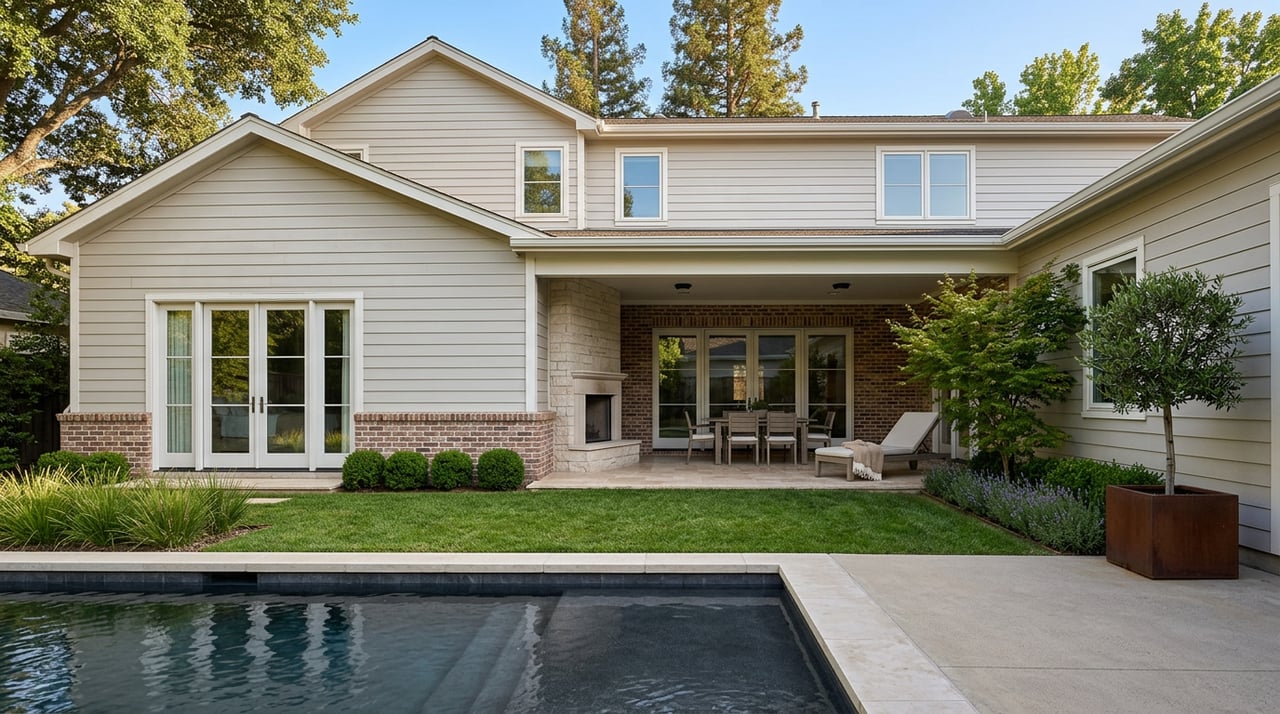
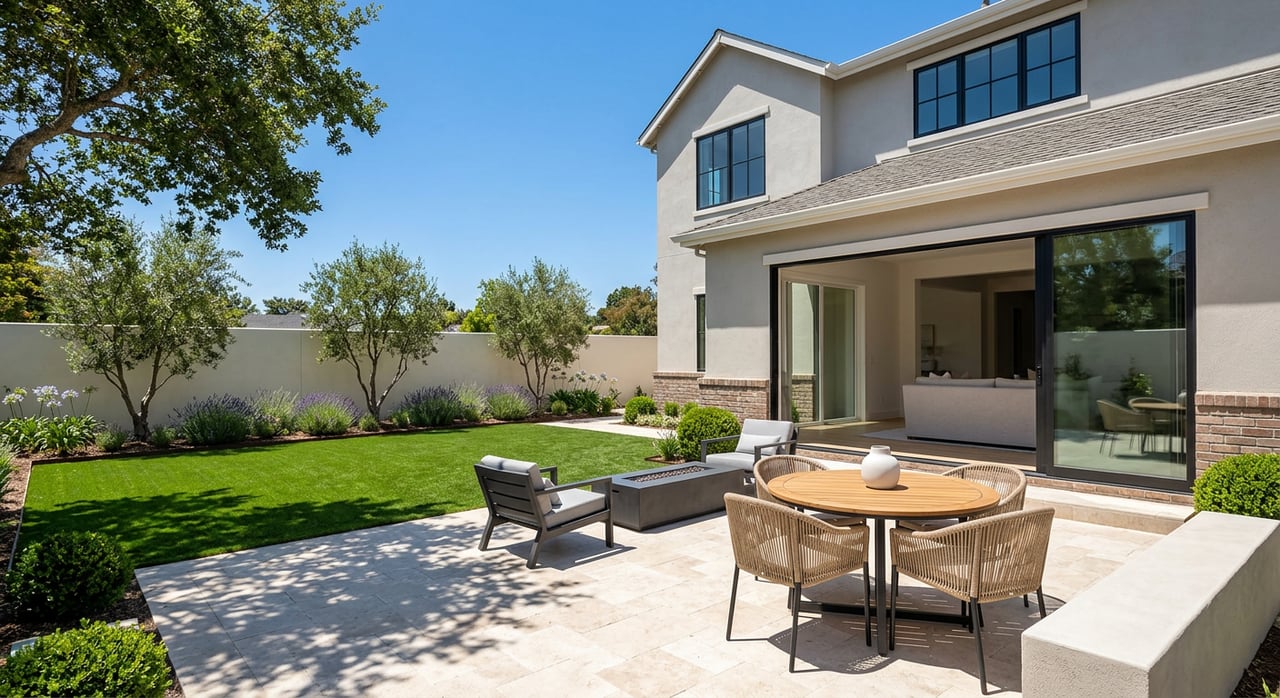
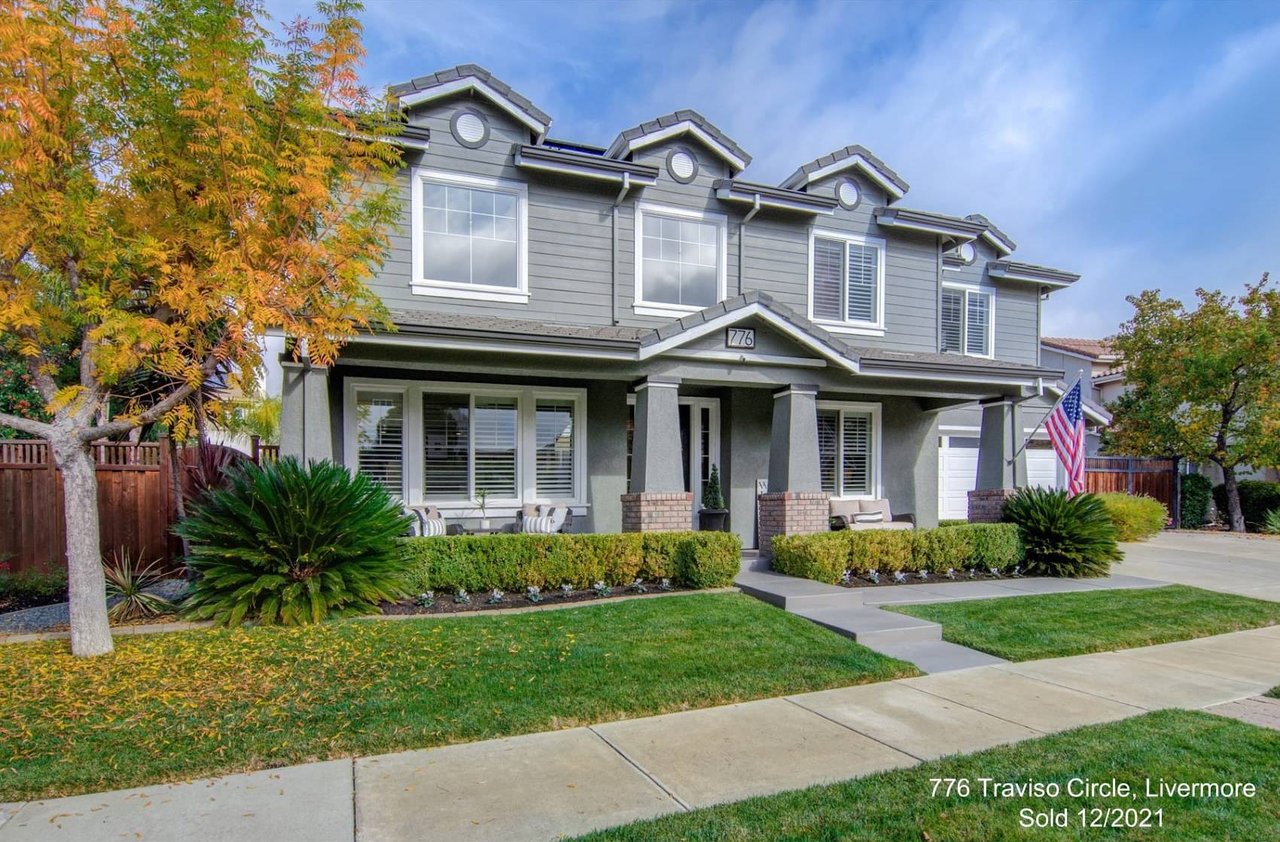
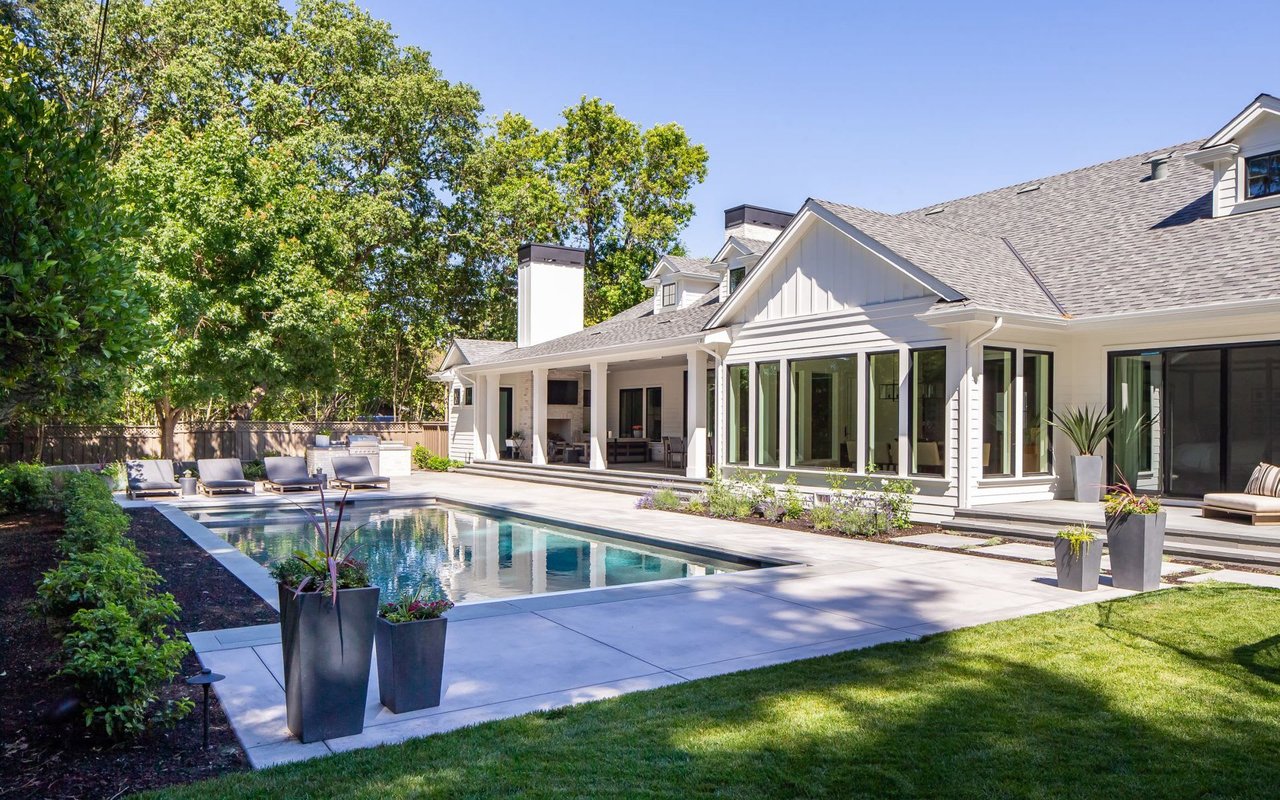
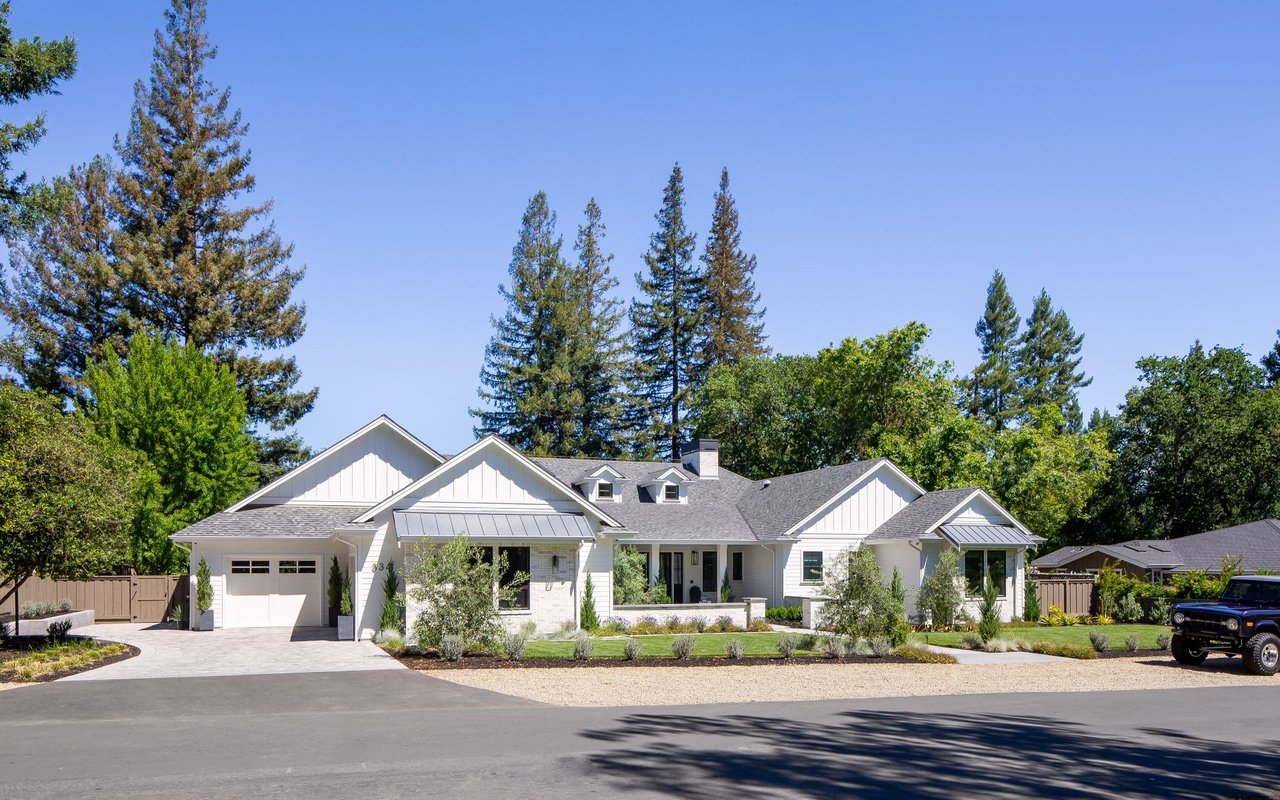
Another important slice of Alamo includes flatter interior streets with ranch-style homes on larger lots. Here, the premium often comes less from panoramic views and more from usable land, privacy, floor plan, and the condition of the improvements. A home with a functional backyard, flexible layout, and strong indoor-outdoor flow may compete differently from a hillside property at the same price point.
These pockets can be especially tricky because some are too small for reliable standalone neighborhood medians. Public neighborhood pages for places like Alamo Oaks and Stonegate note that neighborhood-level metrics may not yet be available and suggest using nearby areas or the broader Alamo market instead. That is a useful signal in itself.
Nearby pocket data shows how much variation can exist between similar-looking areas. On the 94507 ZIP page, La Gonda Way-West El Pintado showed 12 homes for sale and 64 days on market, while Cameo showed 5 homes for sale and 21 days on market. Even before you adjust for lot shape, remodel quality, or privacy, those are very different liquidity patterns.
Corridor and convenience pockets
A third micro-market sits closer to Alamo’s commercial and commuter spine. Contra Costa County identifies the area around Danville Boulevard and Stone Valley Road as the community’s main commercial center, with shopping centers, office buildings, civic uses, and housing. The county also notes that Danville Boulevard runs along the west side of I-680, which helps define a pocket shaped by access and convenience.
For some buyers, that location is a plus because it can simplify daily routines and regional commuting. County Connection Route 21 serves Danville Blvd & Alamo Plaza and continues to Walnut Creek BART, and Walnut Creek BART is located at 200 Ygnacio Valley Road. That transit connection can matter, especially for households balancing East Bay living with broader Bay Area travel.
At the same time, corridor properties can be more sensitive to traffic, route changes, and construction impacts. Caltrans reported daytime closures of the Stone Valley Road on-ramp to southbound I-680 in Alamo through August 2026. In this pocket, convenience can support value, but access conditions can also influence buyer perception.
What Citywide Numbers Miss
At a broad level, Alamo looks strong. Realtor.com’s April 2026 city page showed 52 active homes, a $2.8725M median listing price, 23 median days on market, and a 101% sale-to-list ratio. The 94507 ZIP page showed 40 active homes, a $2.648M median listing price, 31 median days on market, and a 101% sale-to-list ratio in March 2026.
Redfin’s March 2026 sold data for Alamo showed a $3.125M median sale price and 12 median days on market. That supports the idea of a tight, fast-moving luxury market. Still, because these snapshots come from different sources and dates, they are best used as directional context rather than direct one-to-one comparisons.
That is where micro-market analysis matters. A citywide median can hide the gap between a view property with access concerns, a flat interior lot with strong utility, and a corridor-adjacent home that trades on convenience.
How to Compare Homes More Accurately
If you are buying in Alamo, the key is to compare like with like. A home’s ZIP code or even its price range does not automatically make it a true comp. In a low-volume market, the details carry more weight.
The most useful filters in Alamo often include:
- View and orientation
- Usable lot shape and slope
- Privacy
- Age and condition of improvements
- Proximity to Danville Boulevard
- Proximity to Stone Valley Road
- Ease of access to I-680
Those factors are especially important when neighborhood-level medians are thin or unavailable. In some pockets, the absence of clean monthly neighborhood data is not a flaw. It is a reminder that rolling comps and property-specific analysis matter more than broad averages.
What Sellers Should Take From This
If you are selling, one of the biggest pricing mistakes is assuming every $3 million home in Alamo competes the same way. It does not. Buyers in different pockets respond to different features, and your positioning should reflect that.
For hillside and estate homes, the story may center on views, privacy, and setting, while also addressing access and site conditions with clarity. For flatter interior properties, livability, lot utility, and outdoor function may be the stronger value drivers. For homes closer to the commercial corridor, convenience and connectivity can be real strengths when framed honestly and strategically.
This is also where presentation matters. In a market with small active inventory counts and meaningful pocket-to-pocket variation, pricing and marketing need to be tailored to the buyer most likely to respond to your specific property.
Why Pocket Knowledge Matters in Alamo
Alamo is best understood as a cluster of overlapping luxury niches, not one uniform market. The broad numbers are useful, but they are only the starting point. Once you zoom in, inventory depth, time on market, and pricing power can shift quickly from one pocket to another.
That is why local, property-level judgment matters so much here. When you understand whether a home belongs in a hillside, interior ranch, or corridor-adjacent comp set, you can make better decisions with more confidence and less guesswork.
If you are weighing a move in Alamo and want guidance grounded in neighborhood-level context, Brad Gothberg offers a discreet, data-informed approach for both buyers and sellers in the San Ramon Valley.
FAQs
What makes Alamo a set of micro-markets instead of one market?
- Alamo includes wooded hillside estates, flatter ranch-style interior streets, and homes near the Danville Boulevard and Stone Valley Road corridor, and those pockets can differ in price, inventory, and days on market.
How should buyers compare luxury homes in Alamo?
- You should compare homes by pocket and property type, looking at factors like view, slope, lot usability, privacy, condition, and access rather than relying only on citywide averages.
Why do hillside homes in Alamo need special analysis?
- In addition to view and privacy premiums, hillside homes can be affected by road access, slope, defensible space, and county-identified risks such as wildfire, landslides, debris flows, and severe storms.
What should sellers know about pricing a home in Alamo?
- Sellers should price based on the home’s specific pocket and features because a flat interior lot, a view estate, and a corridor-adjacent property may attract different buyers and move at different speeds.
Are citywide Alamo market statistics still useful?
- Yes, but they are best used as a starting point because broad statistics can hide important differences between Alamo’s smaller luxury pockets.
Why can neighborhood data be limited in parts of Alamo?
- Some Alamo pockets have low sales and listing volume, so neighborhood-level medians may be unavailable or less stable, making rolling comps and property-specific analysis more useful.