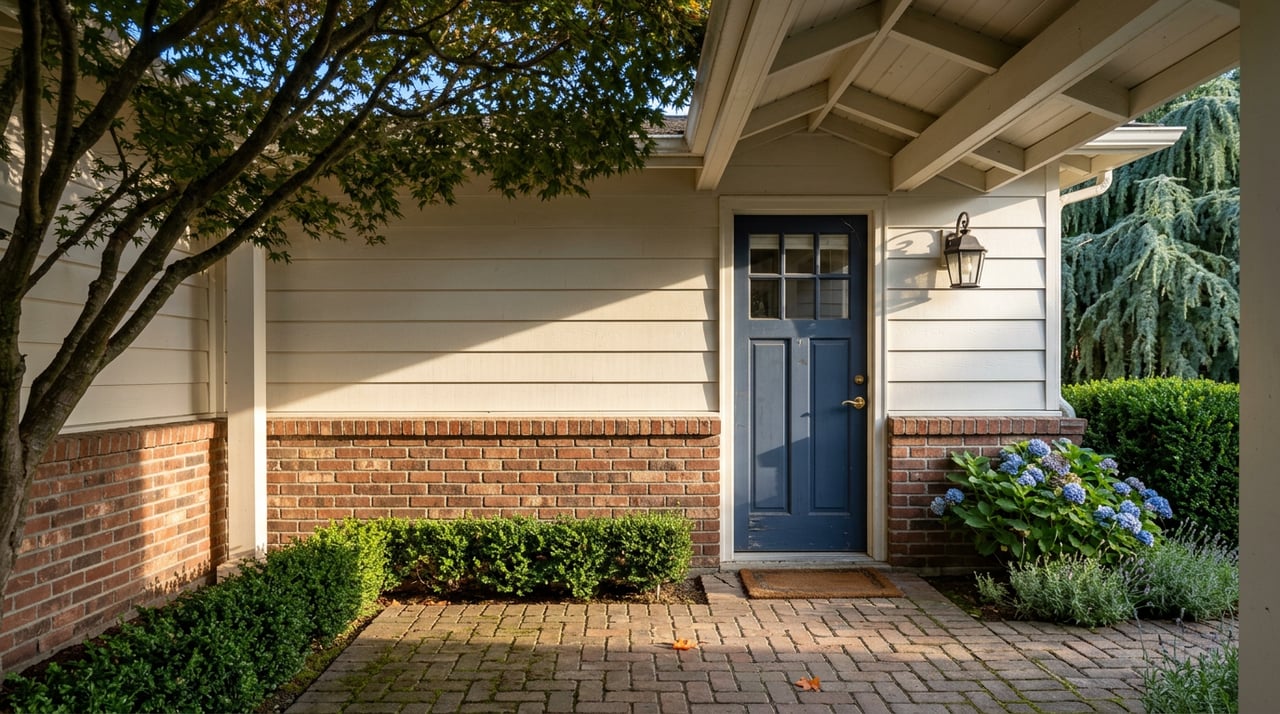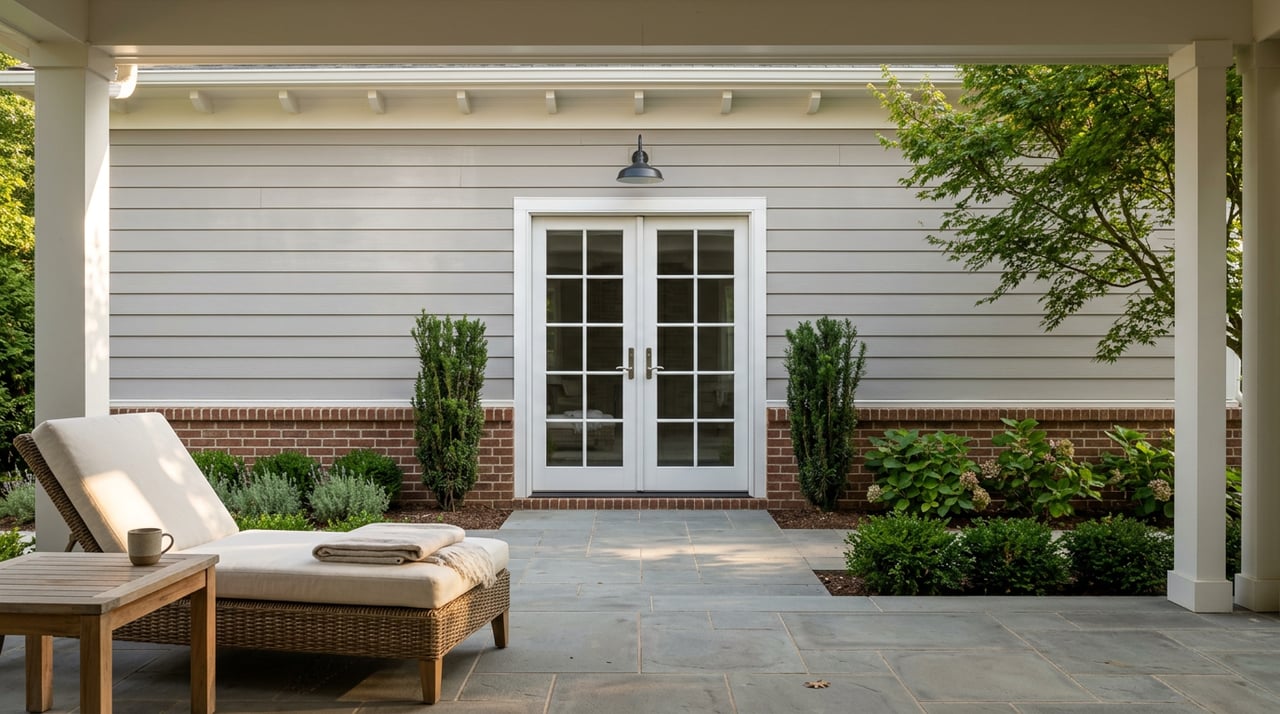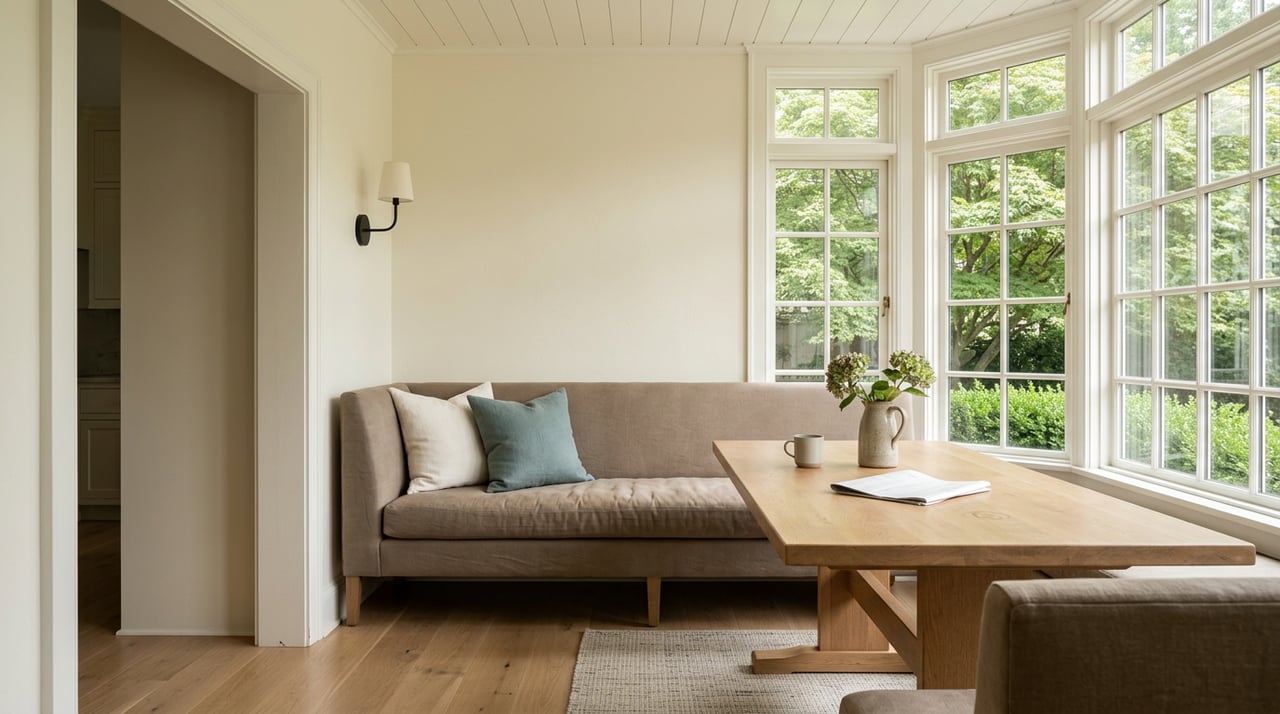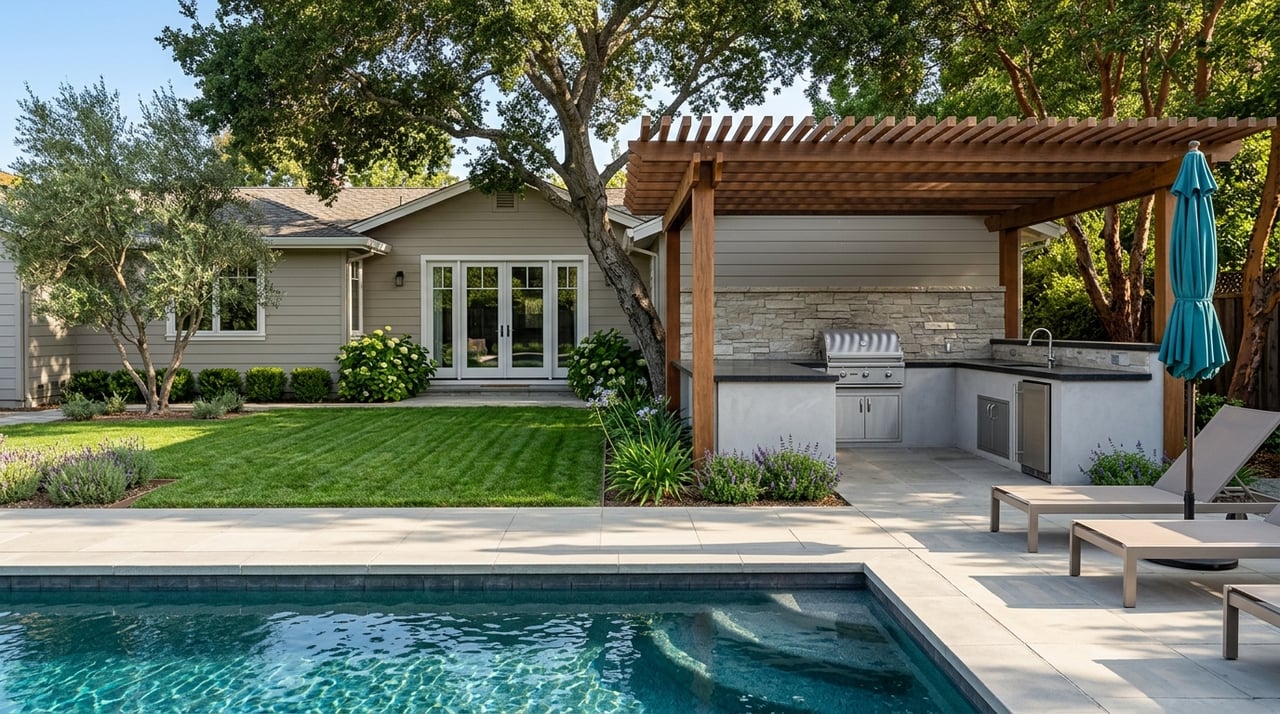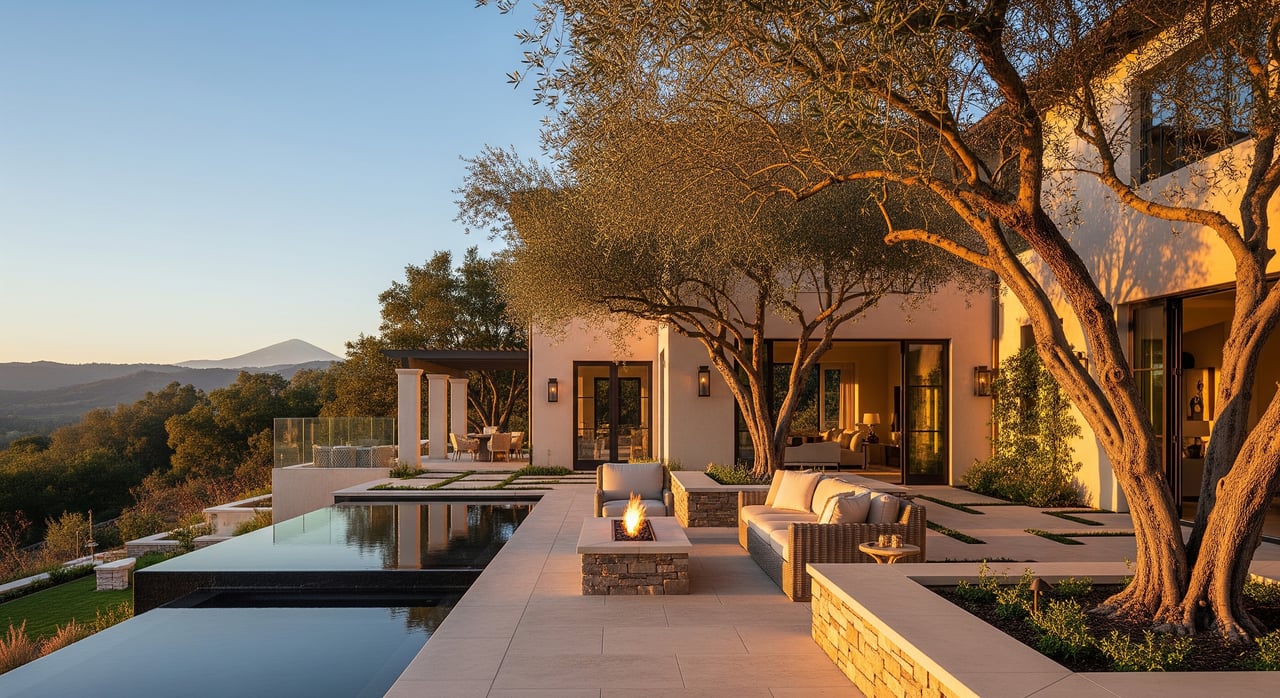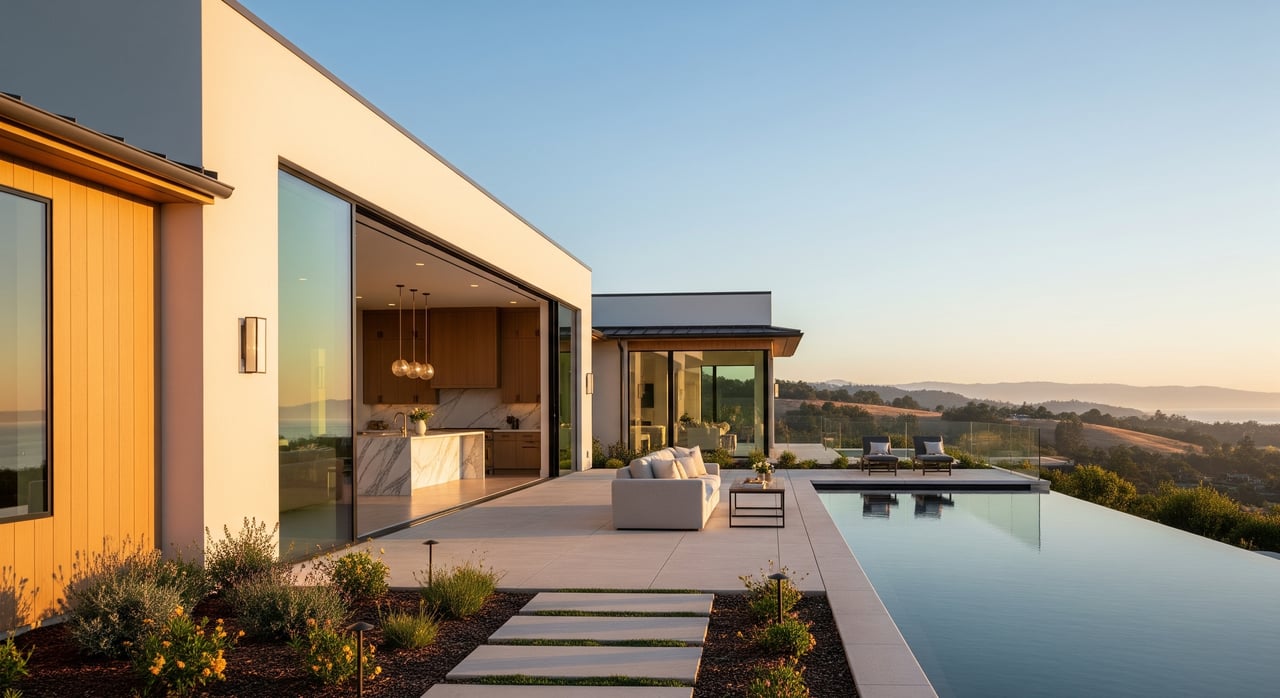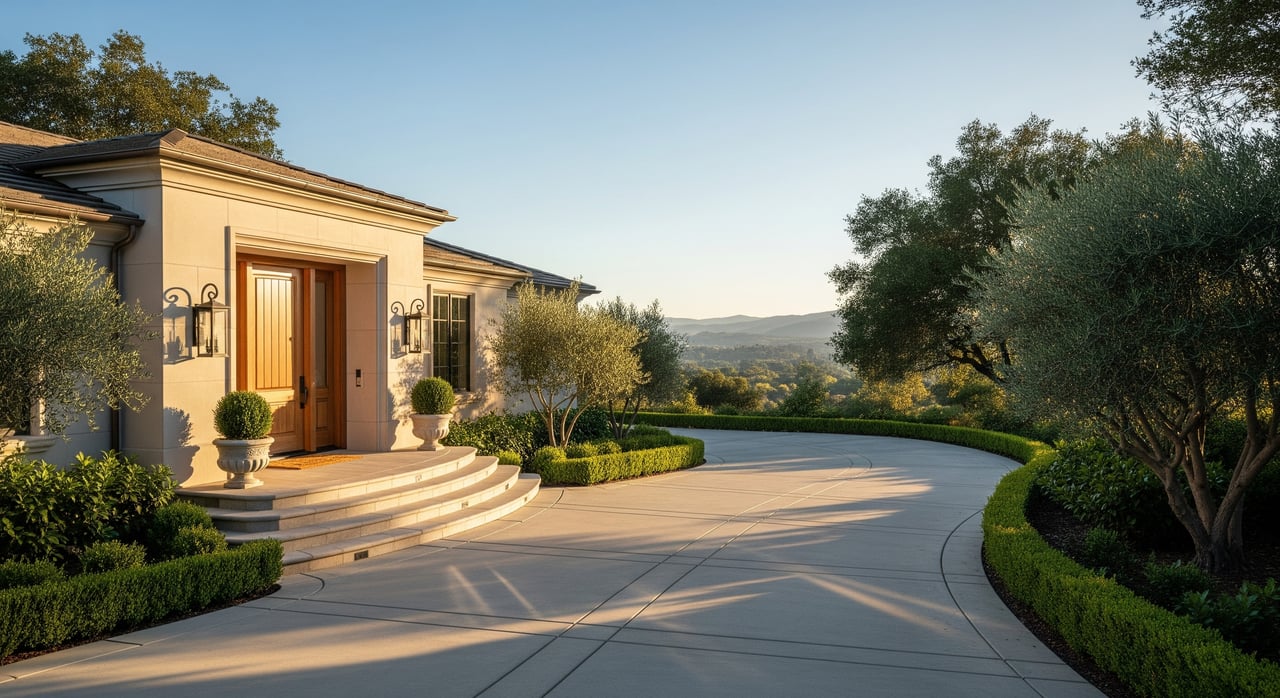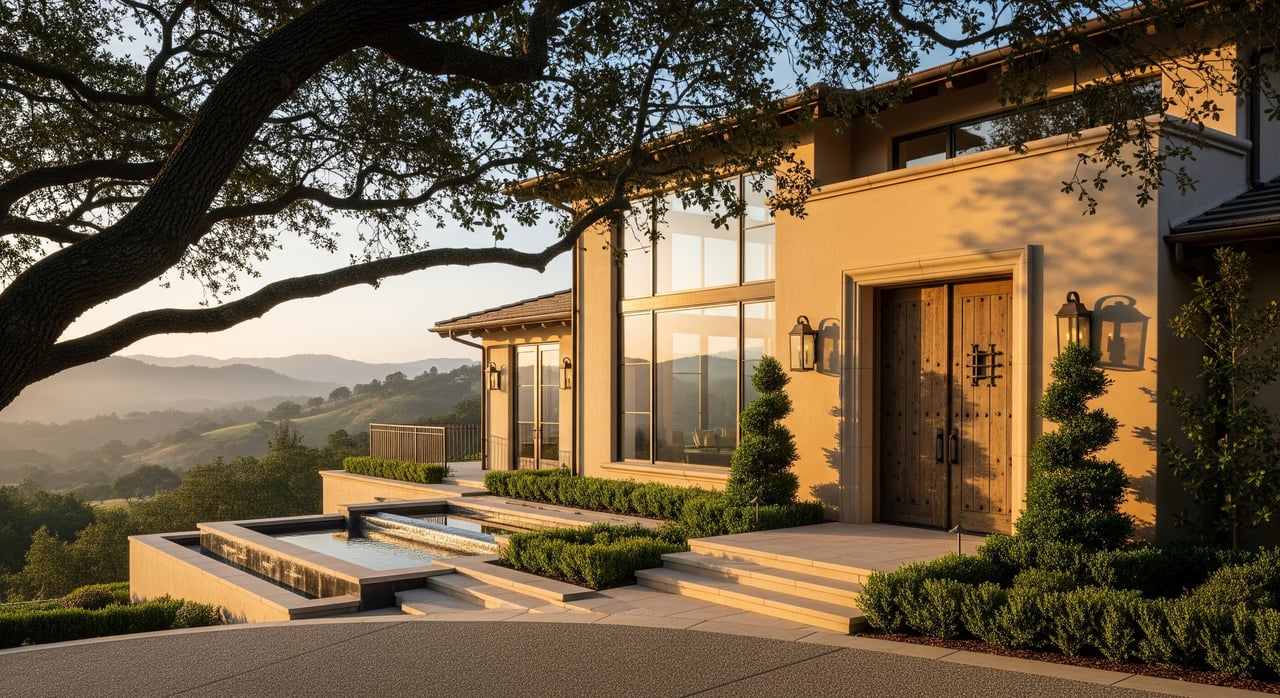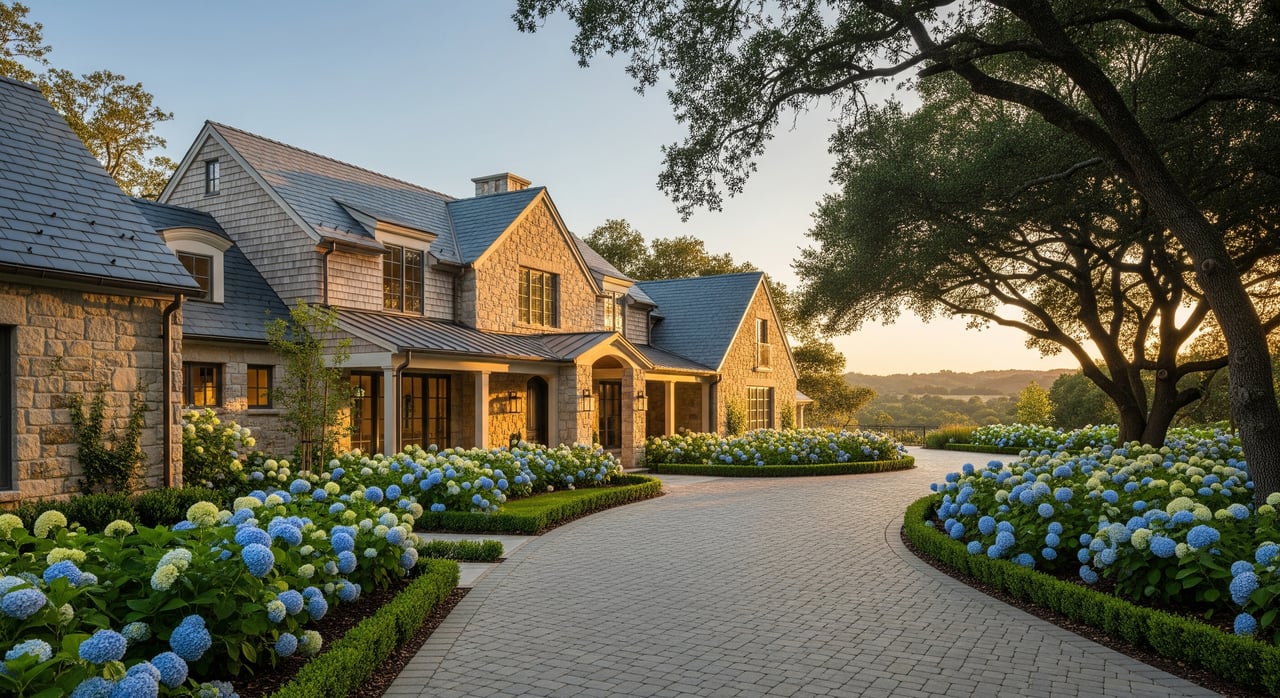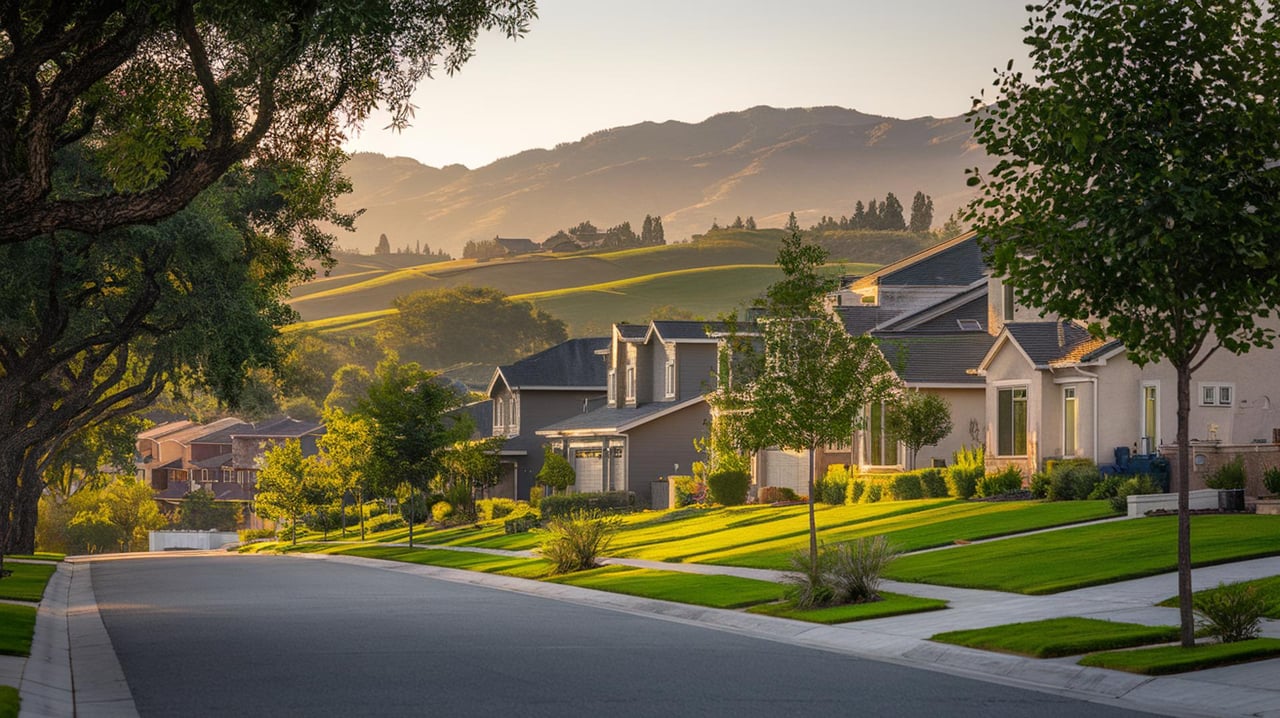
If you are drawn to a Lafayette hillside or view home, you are probably picturing more than a pretty backdrop. You want privacy, usable outdoor space, a comfortable commute, and a home that feels good every day, not just in listing photos. In Lafayette, those details matter because hillside properties often come with different site conditions, access patterns, and city review standards than homes on flatter lots. Here is what to look for so you can buy with more clarity and confidence. Let’s dive in.
Why Lafayette hillside homes need a closer look
Lafayette is not just a flat suburban market. The city identifies downtown as generally flat, while areas such as Reliez Valley, Acalanes Valley, Happy Valley, and Burton Valley are shaped by hillsides and ridgelines. The city also places a strong emphasis on preserving neighborhoods and Lafayette’s semi-rural residential character, which helps explain why hillside and view properties often feel more site-specific than other homes.
For you as a buyer, that means two homes with similar square footage can live very differently. A lot’s slope, driveway, orientation, and privacy can shape daily life just as much as the floor plan. In many cases, the value is not only the house itself, but how the house sits on the land.
Hillside permits can affect future plans
One of the biggest differences in Lafayette is the city’s oversight of hillside development. If a property is in the Hillside Overlay District, work such as construction, grading, vegetation removal, subdivision, or lot line adjustments can trigger a Hillside Development Permit. The city states that these rules are intended to protect health, safety, and welfare in ridgeline, hillside, and other rural residential areas.
That matters even if you are not planning a major renovation right away. If you think you may want to expand the home, adjust the driveway, rework the site, or alter the landscaping later, it is smart to understand early whether those ideas could require city review. The Planning Commission also hears hillside development permits, design review, variances, and subdivision applications.
Design matters more on view lots
Lafayette’s Residential Design Review Guidelines offer a helpful lens for buyers. The city asks designers to minimize the visibility of structures, protect views to the hills, retain natural features, preserve trees and habitat, reduce grading, limit cut-and-fill, minimize impacts to neighbor views and privacy, and hide parking where possible.
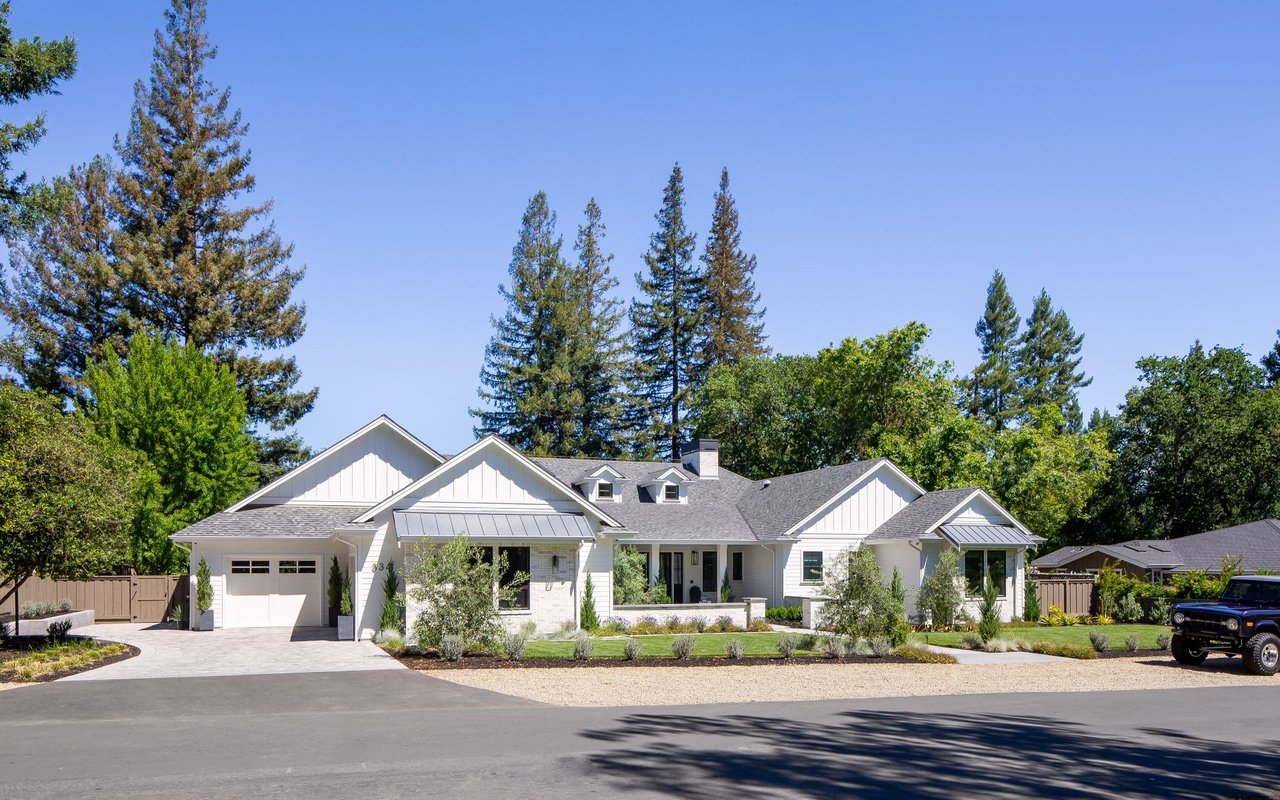
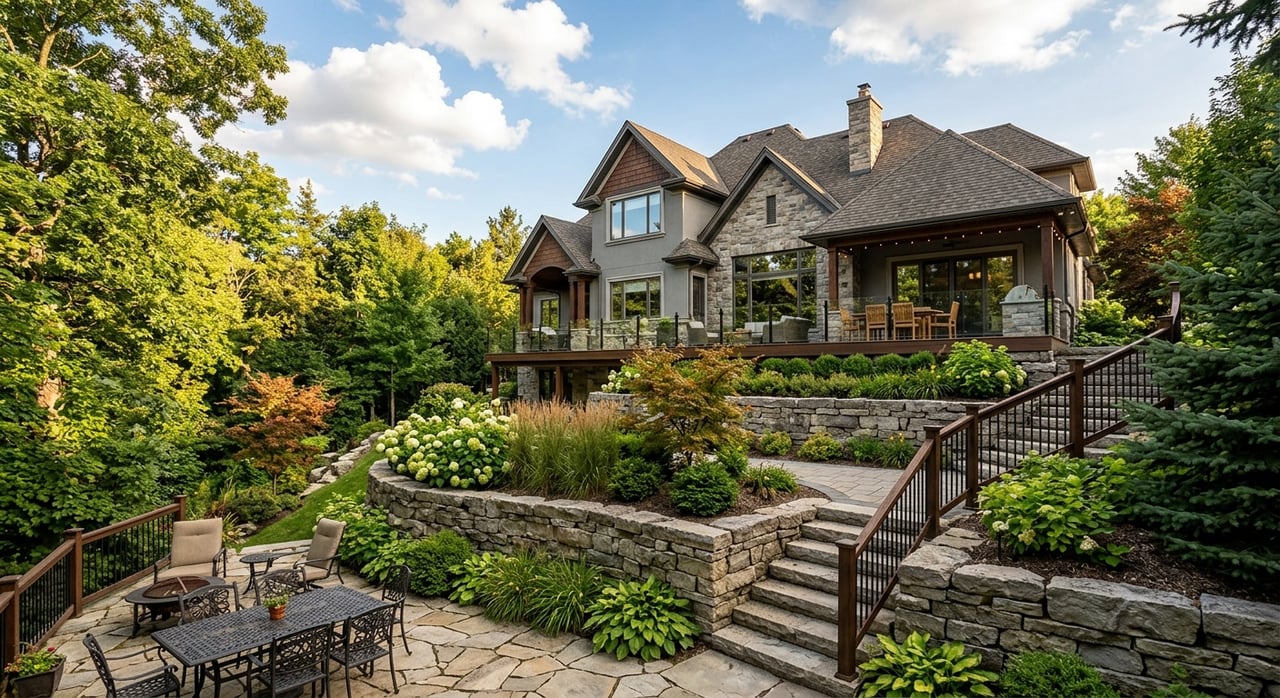
In practical terms, this means the best hillside homes often feel settled into the site instead of imposed on it. You may notice that the strongest properties handle massing, driveway placement, and outdoor spaces with care. A home can have a dramatic view, but if it sits awkwardly on the contour or exposes too much of the lot to the street, it may not feel as private or as comfortable as you expected.
Focus on orientation, not just the view
A great view is only part of the story. On hillside lots, the balance between sun, shade, privacy, and exposure can make a major difference in how the property lives. Lafayette’s guidelines specifically call out solar shading, privacy, visible parking, and the importance of fitting buildings to existing contours instead of relying on large flat grading.
When you tour a home, try to picture your actual routine. Notice where the morning light lands, which rooms get stronger afternoon sun, and whether the kitchen, family room, primary suite, or deck really capture the view you are paying for. Sometimes the best daily experience comes from a slightly less dramatic view paired with better light and more privacy.
Outdoor space should feel usable
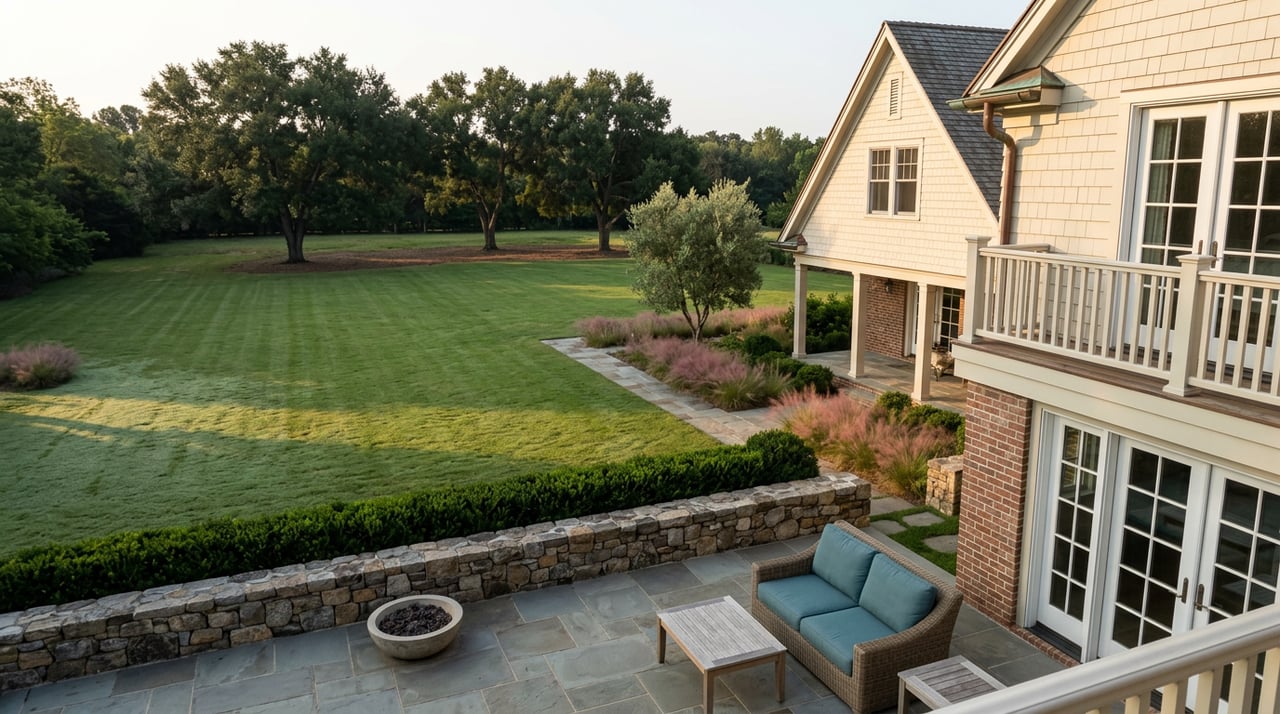
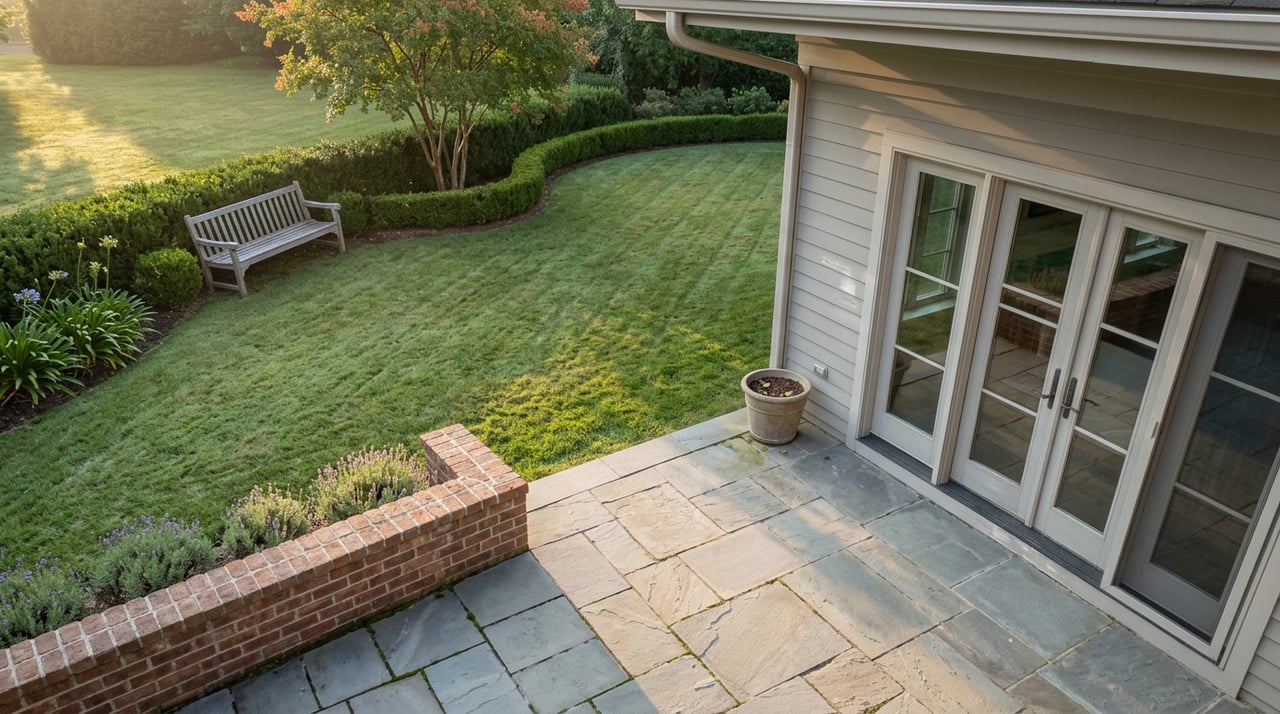
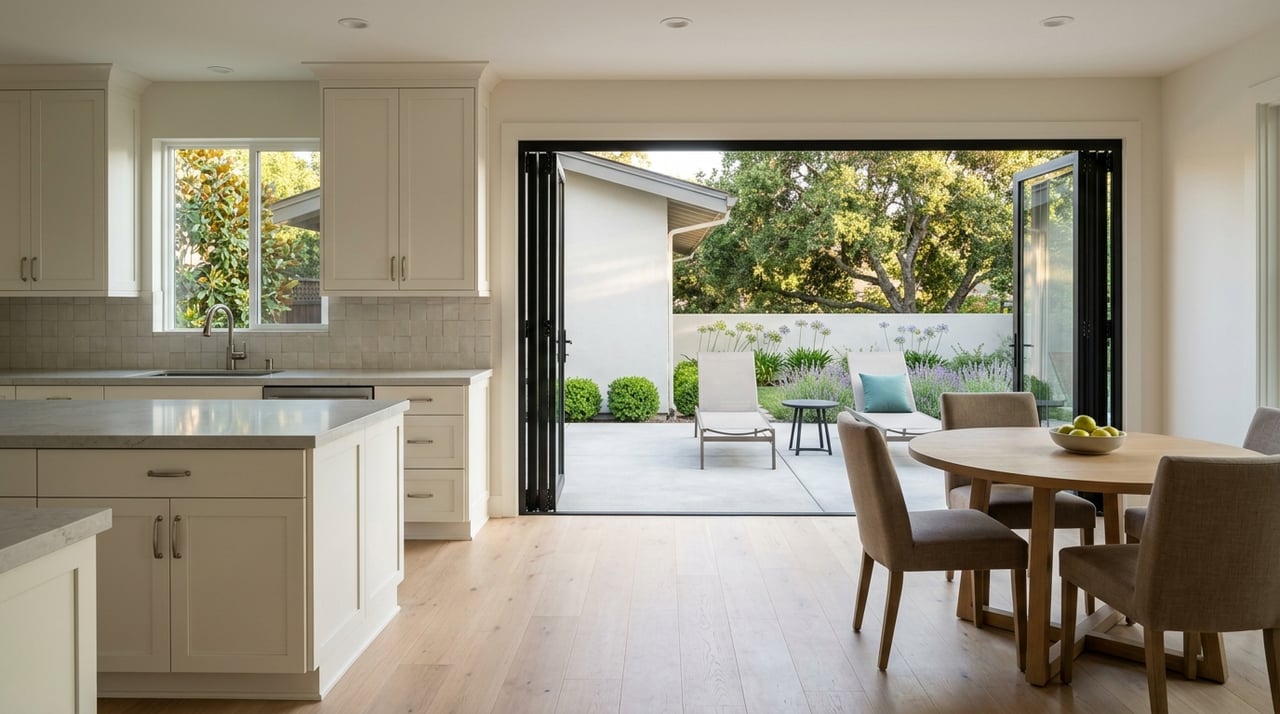
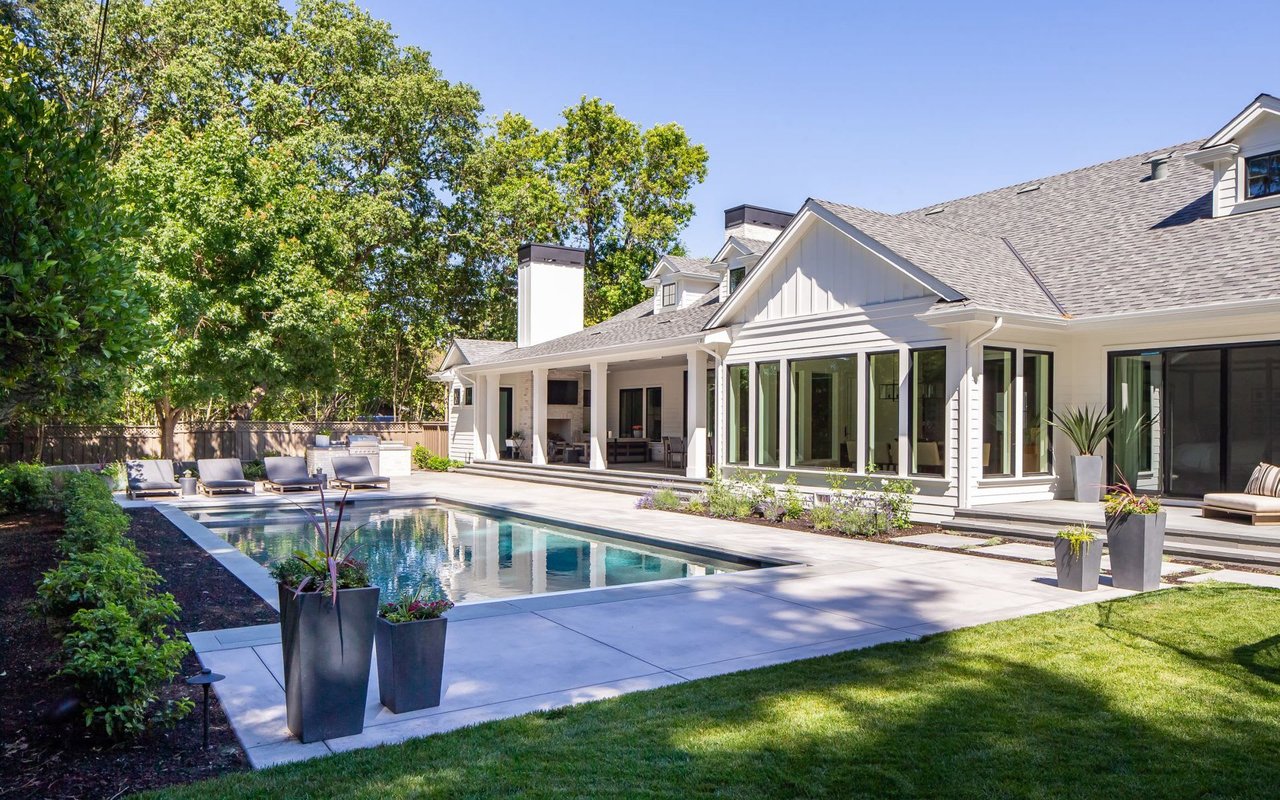
On a hillside property, outdoor value is about function as much as size. A well-positioned terrace or deck can be more useful than a larger yard that is windy, shaded, or exposed to neighboring sightlines. What matters most is whether you will actually use the space in the morning, afternoon, and evening.
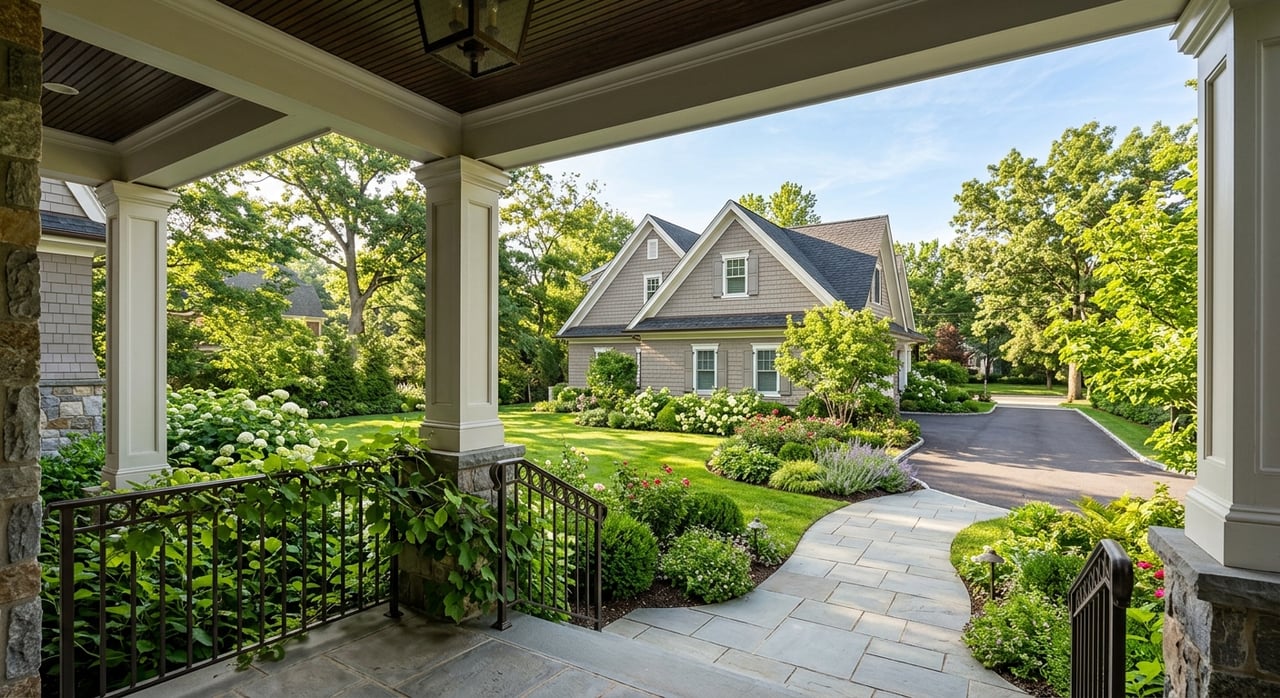
Lafayette’s guidelines encourage planting for screening and privacy, favor natural-looking plant groupings, and note the need to protect views and limit noise or visual clutter from mechanical equipment. For you, that means it is worth evaluating how outdoor areas are arranged, how close neighboring decks or windows feel, and whether the landscaping supports the sense of retreat you want.
Trees can be both an asset and a limitation
Mature trees often add beauty, shade, and a sense of seclusion to Lafayette hillside properties. At the same time, they may also be regulated. Lafayette updated its Tree Protection Ordinance on January 9, 2025, and removal of protected trees can require a permit, including native trees in restricted ridgeline areas.
This is especially important if you are thinking, "We can always open up the view later." Sometimes that may be possible, but sometimes a tree is both a major feature of the property and a protected resource. If view management or landscape changes are part of your long-term plan, make sure you understand what the city may allow before you commit.
Test the drive, not just the map
Many buyers are attracted to Lafayette because it offers a strong mix of hillside living, outdoor access, and regional connectivity. Lafayette Reservoir is off Highway 24 and about a mile from Lafayette BART, which is why some buyers weigh recreation access and commute access together when choosing a home.
Lafayette BART currently offers daily-fee, carpool, single-day and multi-day reserved, and monthly parking. Parking is free on weekends and holidays, and EV charging is available at Lafayette with a reservation. County Connection lines 106 and 206 also connect to Lafayette BART, which can offer a transit backup for some households.
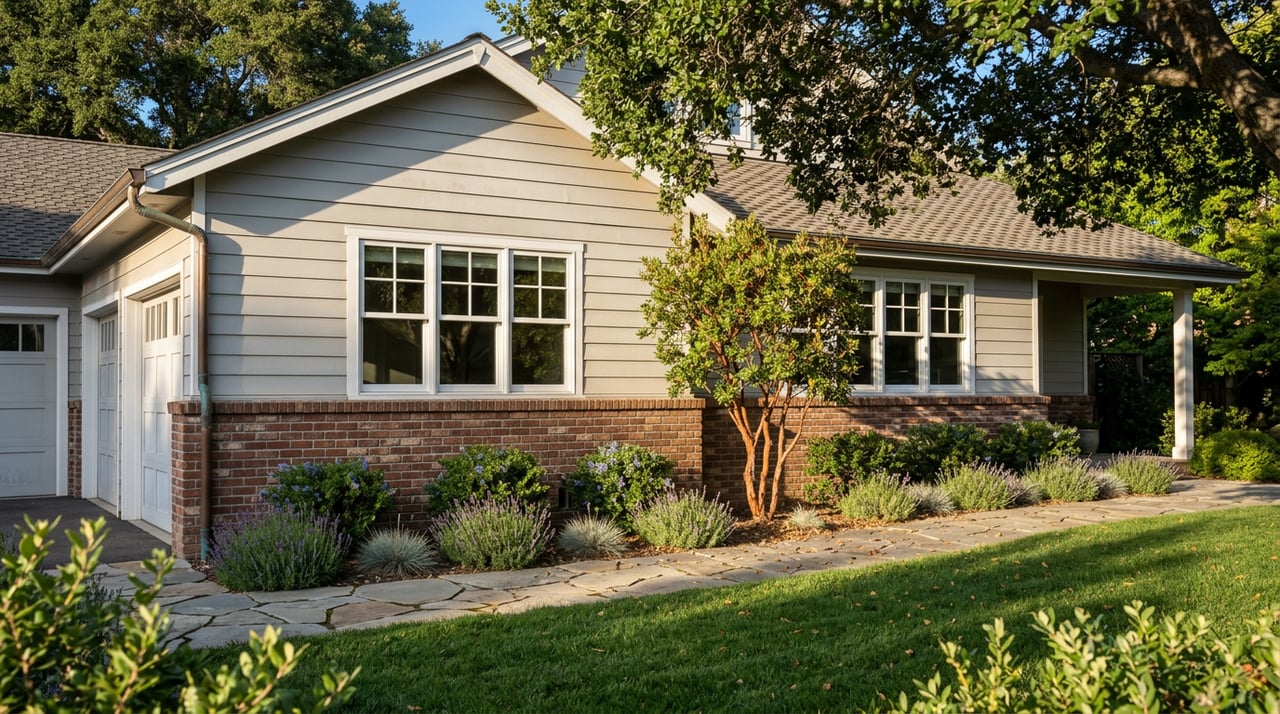
Still, with hillside homes, the route from the front door to your destination matters more than a simple location pin. Narrower streets, steeper driveways, and limited guest parking can make a property feel less convenient than it appears online. Lafayette’s design guidelines reinforce that access roads should be short where possible and that adequate parking and safe turnarounds should be provided.
Pay attention to parking and turnarounds
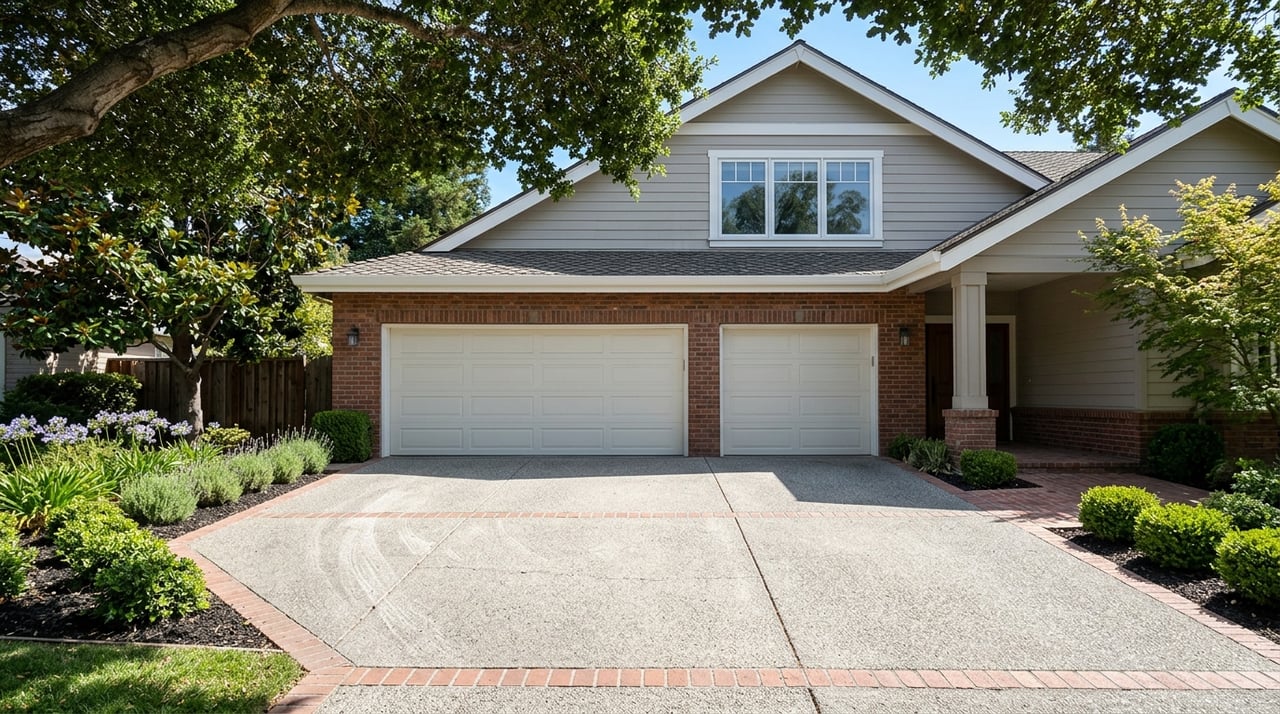
Parking is easy to overlook during an emotional showing. On a hillside lot, it deserves extra attention. Think beyond your own car and consider guests, service vendors, deliveries, and how easy it is to turn around without stress.
This is one of those details that may seem small at first and become very important later. A beautiful home with a steep approach or awkward parking setup can feel less enjoyable over time, especially if you entertain often or expect frequent household traffic.
Trails are a real part of the lifestyle
For many buyers, access to trails and open space is a major reason to consider a Lafayette hillside home. The city says it has seven city-managed trails plus the Community Park network, totaling about 16 miles of trails. The trail system is intended to link neighborhoods, provide alternatives to public facilities, and connect to broader Lamorinda routes.
That lifestyle appeal is real, but it is worth understanding the trail context property by property. The city notes that some future trail access can depend on easements across private parcels. In other words, trail proximity can be a meaningful amenity, but it is best confirmed rather than assumed.
Notable trails near hillside areas
Several local trails stand out for buyers focused on views and outdoor access:
- Walter Costa Trail runs from the Lafayette Reservoir over Quail Ridge to Happy Valley School and into Briones Regional Park. The city describes it as offering magnificent views from high on the ridge.
- Moraga Road to Reservoir Rim Trail provides direct access to the Lafayette Reservoir Rim Trail and follows hillside contours beneath oaks and bay laurels.
- Lafayette-Moraga Regional Trail is a 7.65-mile linear park running through Lafayette and Moraga, with trailheads south of Highway 24 and connections to local facilities and regional trails.
Briones access also shapes the appeal of many hillside locations. East Bay Regional Park District says the Briones-to-Las Trampas trail links Briones Regional Park to the Lafayette-Moraga Trail, with paved portions near Lafayette BART and connections at Foye Drive and Moraga Boulevard. Some sections are steep and hiking-oriented, so it is wise to verify whether a nearby route matches how you actually like to get outside.
Verify current trail access rules
If recreation is part of your buying decision, confirm current access rules before you rely on assumptions. EBMUD says permit rules vary by trail, and its permit information specifically notes that no trail permit is required for the Lafayette Reservoir Rim or Lakeside Trail.
That is a good reminder that two nearby trails may operate differently. A quick check can help you avoid surprises and better understand how easy it will be to use the open-space features that drew you to the home in the first place.
A smart buyer checklist for Lafayette view homes
When you are comparing hillside properties, simple questions often reveal more than technical jargon. Use this checklist to stay grounded in how the home will actually live:
- Does the main view come from the rooms you use every day?
- How much privacy do you have from neighboring decks, streets, trails, or higher lots?
- Is the outdoor space usable across different times of day?
- Is there enough parking and turning space for guests and service vehicles?
- If you remodel later, could the work require a Hillside Development Permit, design review, or a tree permit?
- Does trail proximity feel like a benefit, or could it bring more visibility than you want?
- Have you driven the commute route from the actual property at the time you would normally leave?
These are the questions that help you buy the right view, not just the most dramatic one. In Lafayette, the most successful purchase is usually the one that balances scenery, privacy, access, and long-term practicality.
If you are considering a hillside or view home in Lafayette, local context matters. With decades of experience in the East Bay and a calm, high-touch approach, Brad Gothberg can help you evaluate not just the home, but how the property will support your daily life and future plans.
FAQs
What makes buying a hillside home in Lafayette different from buying a flat-lot home?
- Lafayette applies specific hillside review standards in some areas, and factors like slope, driveway access, grading, privacy, and future permit requirements often matter more than they do on flatter lots.
What is the Hillside Overlay District in Lafayette?
- It is an area where certain work, including construction, grading, vegetation removal, subdivision, or lot line adjustments, may require a Hillside Development Permit.
What should you check when touring a Lafayette view home?
- Pay close attention to where the view is enjoyed, how the light changes during the day, the privacy of indoor and outdoor spaces, and how easy the driveway and parking feel in real life.
Can you remove trees later to improve a view at a Lafayette hillside property?
- Not always. Lafayette’s Tree Protection Ordinance can require a permit for protected-tree removal, including native trees in restricted ridgeline areas.
How important is trail access when buying a Lafayette hillside home?
- For many buyers, it is a major lifestyle feature, but trail access, route type, and current use rules should be verified before you treat them as a guaranteed benefit.
Is Lafayette BART useful for buyers considering hillside homes?
- It can be, especially for buyers balancing commute and recreation access, but you should test the actual route from the property because steep streets, parking constraints, and drive time can change the experience.