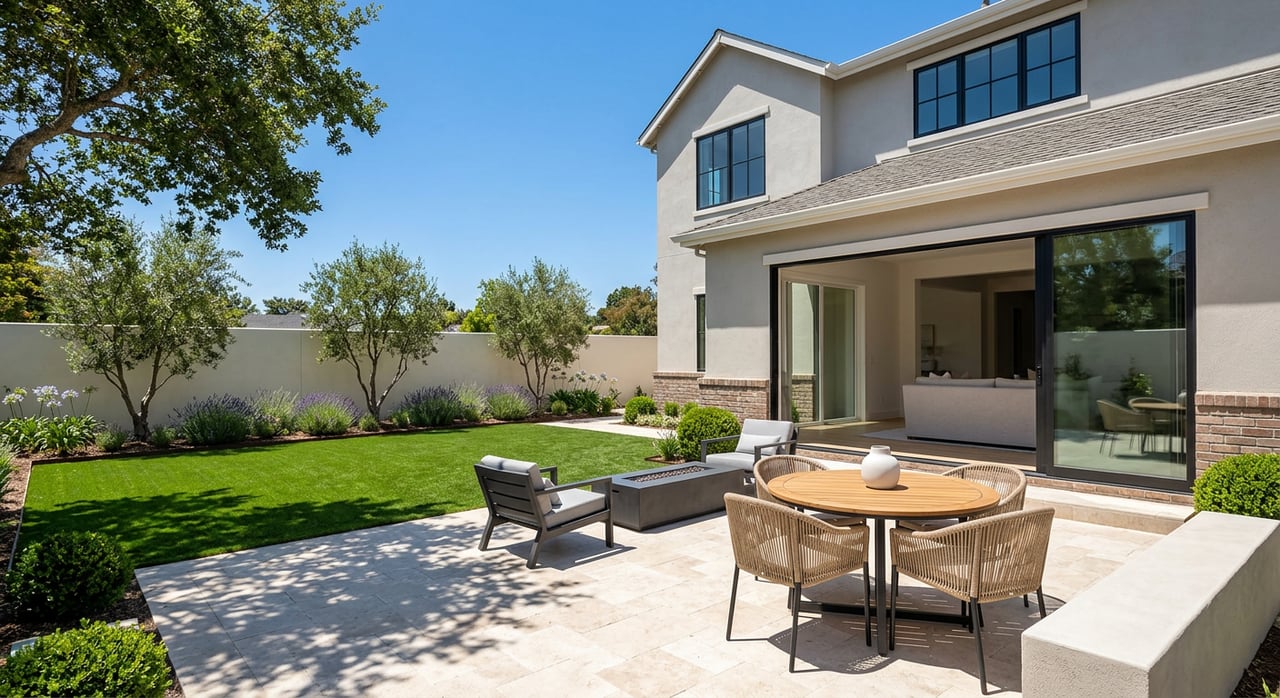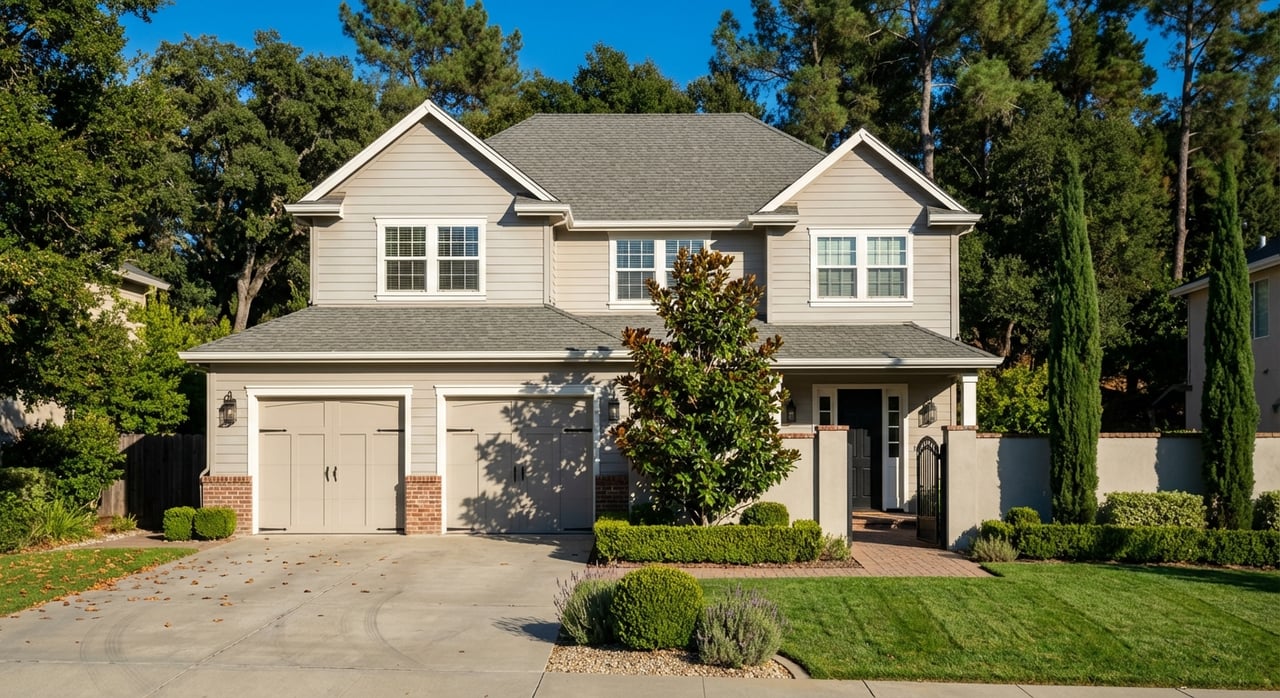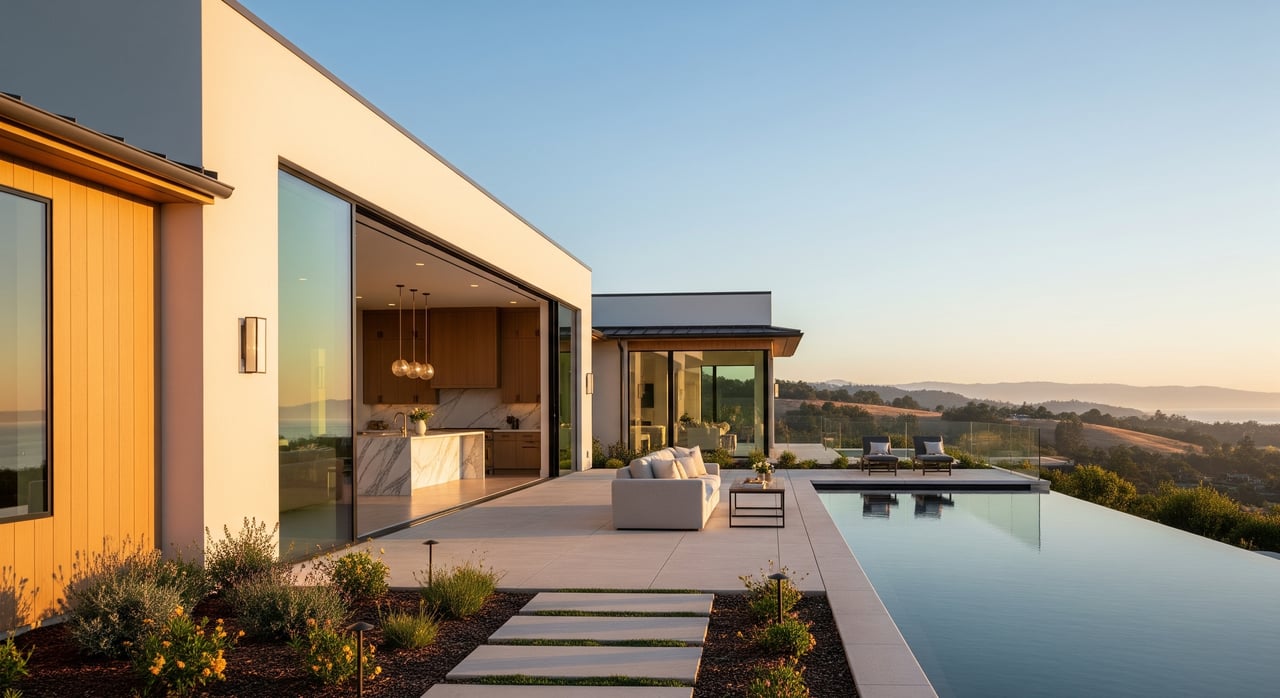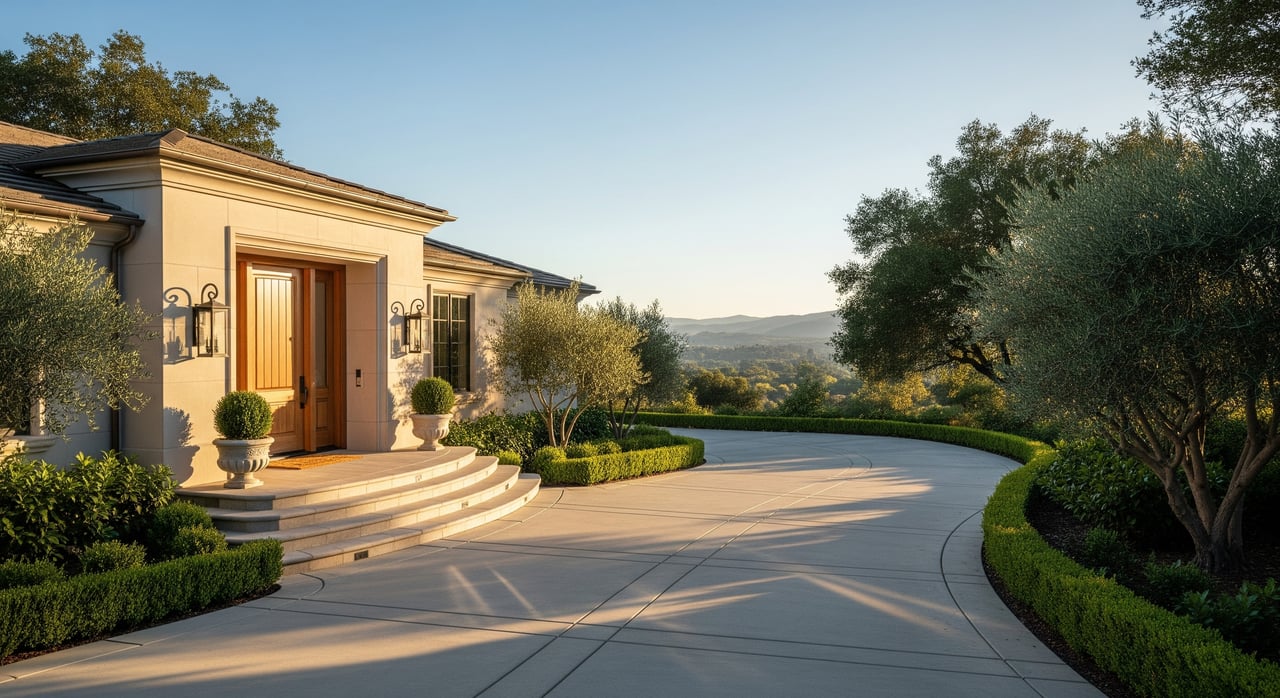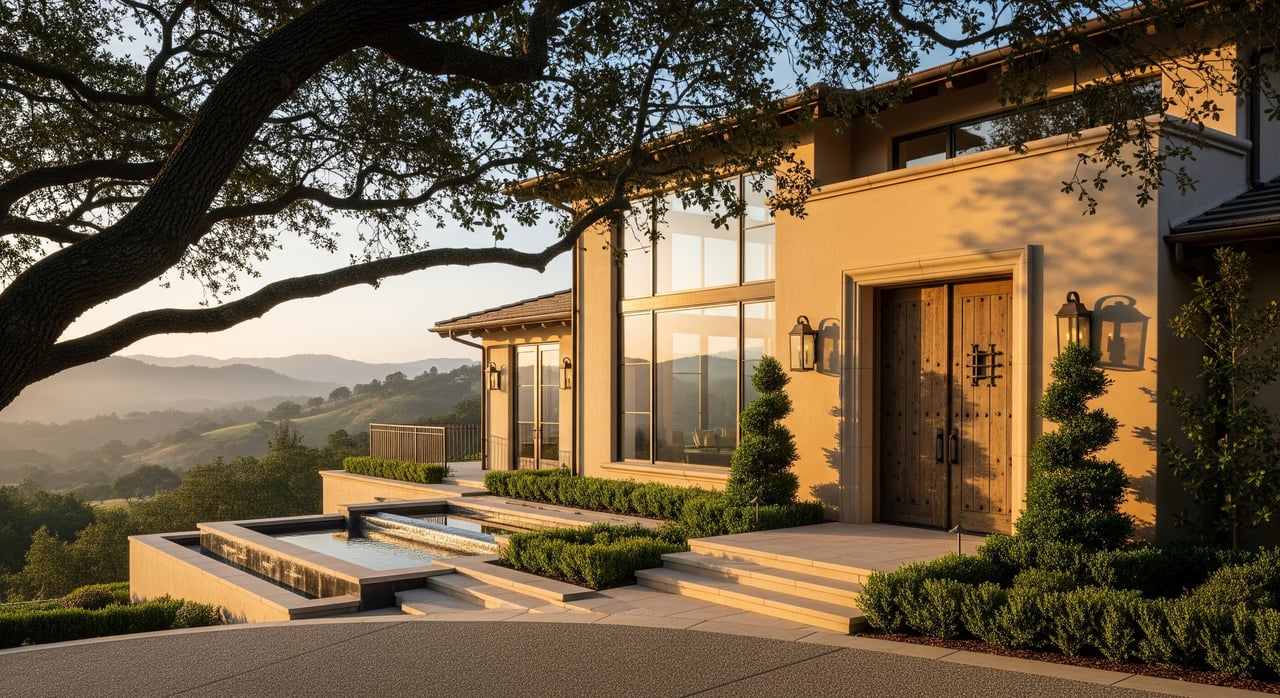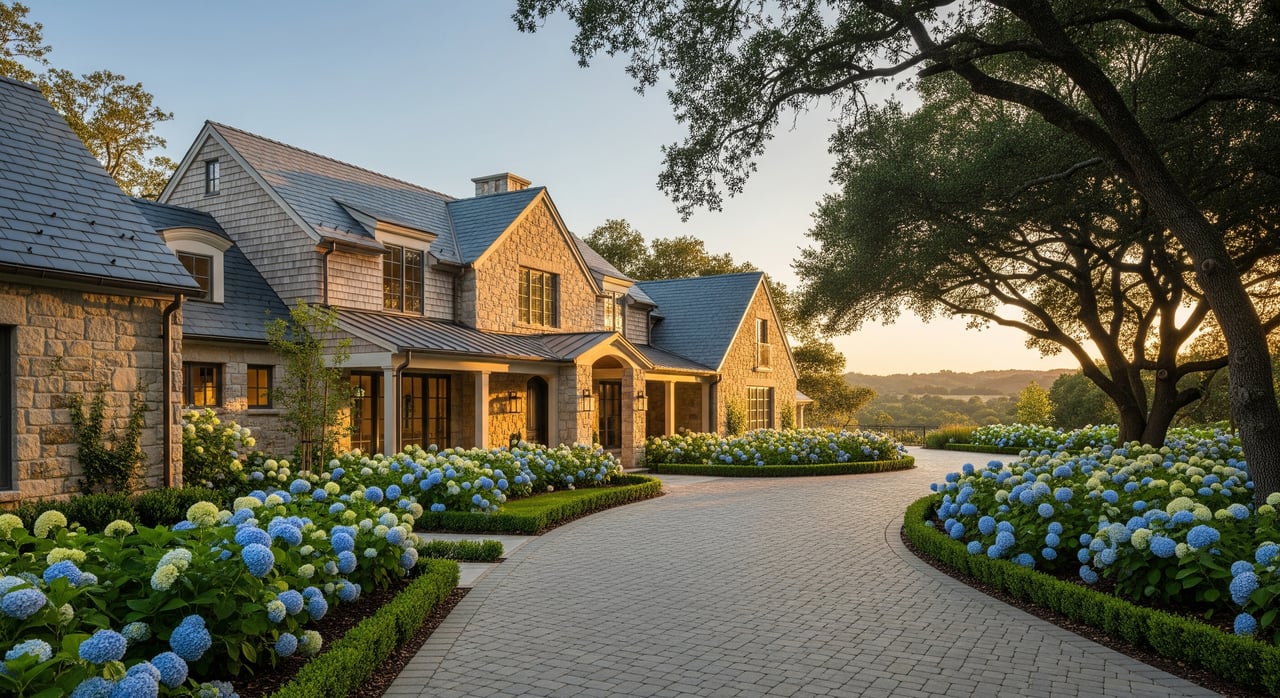
In November 2025, Alamo's median home sale price was reported at $2.8 million. By March 2026, it had ticked up to $2.9 million. By May 2026, one tracker had it at $2,698,385. And in a market report covering that same May, a different source put the sold median at $2.271 million, a monthly drop of nearly 16 percent and a year-over-year decline of more than 19 percent. Ask what an Alamo home costs right now and you will get four defensible answers, all pulled from real closed transactions, all describing the same eighteen-hundred-acre stretch of Contra Costa County.
None of those numbers is wrong. That is the problem.
The Same Zip Code, Four Different Stories
Alamo does not sell enough houses in a given month for a median to behave the way a median behaves in a larger market. When a town closes somewhere between 14 and 32 homes in a typical month, one or two unusually large or unusually modest sales can drag the midpoint hundreds of thousands of dollars in either direction, sometimes inside the same thirty-day window.
Here is what that instability looked like across recent reporting periods:
| Period | Reported median | Days on market | Homes sold |
|---|---|---|---|
| Nov 2025 | $2.8M | 27 (down from 48 a year prior) | 14 |
| Feb 2026 | $2,995,000 | 50 (up from 25 a year prior) | 32 |
| Mar 2026 | $2.9M | 9 (down from 23 a year prior) | 14 |
| May 2026 | $2,698,385 (one tracker) / $2.271M (another) | 81 (per the second tracker) | 24 |
| Jul 2026 | $3.54M list price | 35 (down 2% year over year) | — |
Read down the days-on-market column and the pattern gets stranger. Fifty days in February. Nine days in March. Eighty-one days by May. A market does not typically swing from red-hot to sluggish and back inside a single quarter. A market with only two or three dozen closings a month absolutely can, because each individual sale carries far more statistical weight than it would in Danville or Walnut Creek, where transaction counts run higher and outliers get diluted.
Why the Numbers Won't Sit Still
The mechanism is simple arithmetic, not a mystery. A median is the middle value in a sorted list. When that list has 300 entries, one $6 million estate closing barely moves the needle. When the list has 14 or 24 entries, that same estate closing can single-handedly push the median up by several hundred thousand dollars, and its absence the following month can pull it right back down.
Alamo's inventory compounds the effect. Active listings at any given time typically number in the dozens rather than the hundreds, so the pool of homes actually transacting in a given month is small enough that product mix, not underlying demand, often explains the headline swing. A month heavy on updated ranch homes in Westside Alamo will report a lower median than a month that happens to include two or three custom estates in Round Hill or Alamo Oaks, even if buyer demand hasn't changed at all.
The neighborhood level makes this even clearer, even on older data that still illustrates the mechanism. Redfin's own tracking for the Alamo Oaks pocket, covering the three months ending September 2025, reported a median sale price of $3.6 million, up 1.4 percent year over year. The sample behind that median: one closed sale. A single transaction, reported as a neighborhood trend.
Westside Alamo tells a version of the same story from the other direction. In Redfin's most recent three-month reporting window, its median sale price was down 28.3 percent year over year, while its median price per square foot was up 66.8 percent over the same period. A neighborhood cannot simultaneously get much cheaper and much more expensive per square foot unless the mix of homes selling has changed dramatically, smaller or less finished homes closing where larger, higher-end ones closed the year before, or vice versa. The headline percentage isn't describing appreciation or depreciation. It's describing which specific houses happened to sell.
A median built from a handful of closings isn't a trend line. It's a snapshot of whichever houses happened to change hands that month.
What To Track Instead Of The Headline Median
None of this means Alamo's market is unknowable. It means the citywide, single-number median is the wrong tool for the decision most buyers and sellers are actually trying to make. A few things hold up better under a market this thin:
Price per square foot within a matched product type. Comparing a half-acre Westside Alamo remodel to a gated Round Hill new construction on a raw dollar basis tells you almost nothing. Comparing similar square footage, lot size, and finish level within the same pocket gets much closer to a real answer.
Sale-to-list ratio, tracked over a longer window. One May 2026 report put Alamo's sale-to-list ratio at 102.3 percent even as the headline median fell nearly 20 percent year over year. That ratio, homes still closing modestly above ask, is a steadier signal of buyer demand than the median price itself, because it isn't as easily distorted by which specific homes happened to sell.
Active listings relative to the pace of sales. With 55 active listings and roughly 24 closings in a recent month, per one tracker, the absorption math suggests a market with more breathing room than the "prices are surging" headline numbers imply in some months, and more urgency than the "prices are falling" headline implies in others. Depending on which month's press release you read, you'd draw the opposite conclusion.
Comps drawn from the actual pocket, not the ZIP code. A property on Stone Valley Road, a resale in Alamo Oaks, and a new build in Round Hill Country Club are not competing with each other for the same buyer, and pricing off a citywide median treats them as if they are.
This is, in practical terms, the difference between reading a portal's automated market snapshot and having someone walk the comp set street by street. It is also why a seller who prices to last month's reported median, whichever version of last month's median they happened to see, can end up hundreds of thousands of dollars off in either direction before a single showing happens.
A Few Questions Worth Asking Directly
Is Alamo's market up or down right now? Depending on which report and which month you choose, you can find support for both answers, sometimes for the same quarter. The more reliable read is that a low-volume luxury market like Alamo doesn't move in a single direction so much as it reshuffles which homes are closing month to month.
How many homes actually sell in Alamo in a typical month? Recent reporting has ranged from roughly 14 to 32 closings in a given month, which is a wide enough band that a handful of unusually large or unusually modest sales can shift the reported median considerably.
Does this mean pricing a home in Alamo is just guesswork? No, but it means the citywide median is the wrong starting point. Pricing that holds up is built from matched-product comps within the specific pocket, current absorption relative to active inventory, and the sale-to-list pattern over several months rather than one.
Should I wait for a "better" month to list? Given how much a single month's median can swing based on which homes happened to close, waiting for a favorable headline number is a poor strategy. The more durable signals, sale-to-list ratio and true product-matched comps, tend to hold steadier across the calendar.
If you're weighing a move in Alamo, or trying to figure out what a specific pocket like Round Hill, Westside Alamo, or Alamo Oaks is actually doing right now rather than what last month's aggregate suggests, that's the kind of read Brad Gothberg puts together street by street, not ZIP code by ZIP code. Request a confidential market valuation and get the comps that actually apply to your property, not the ones a portal averaged together.