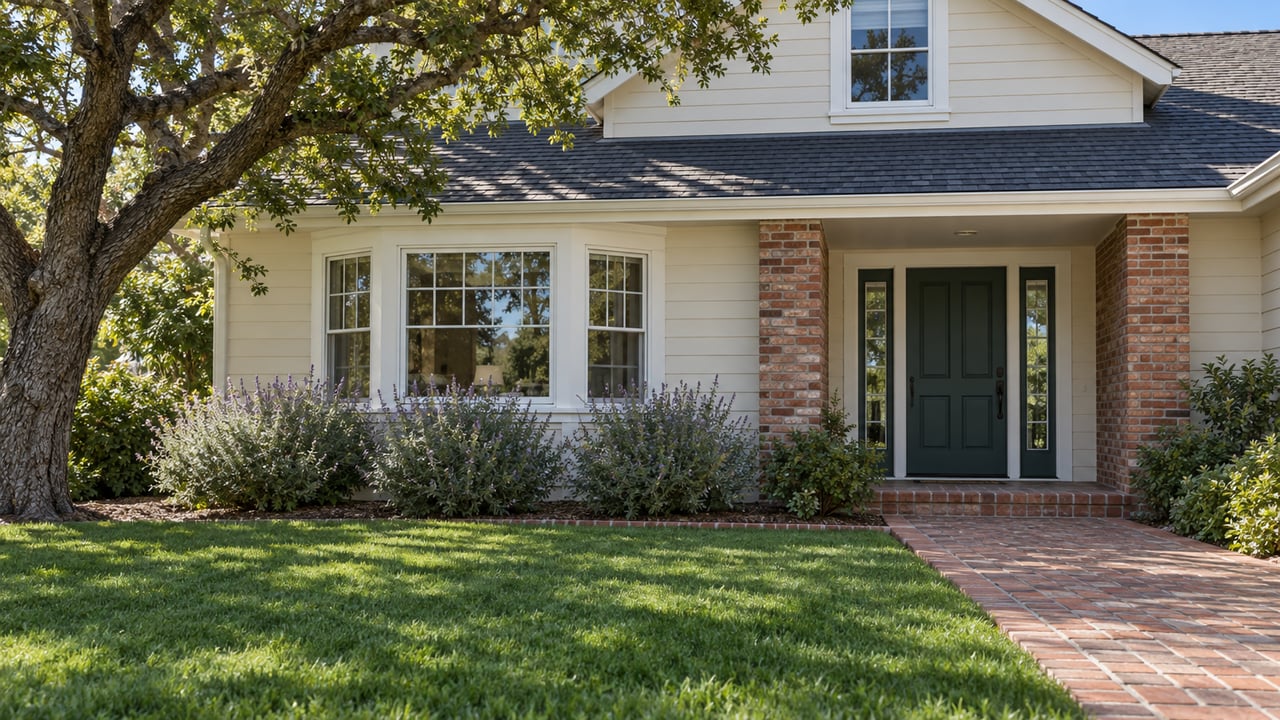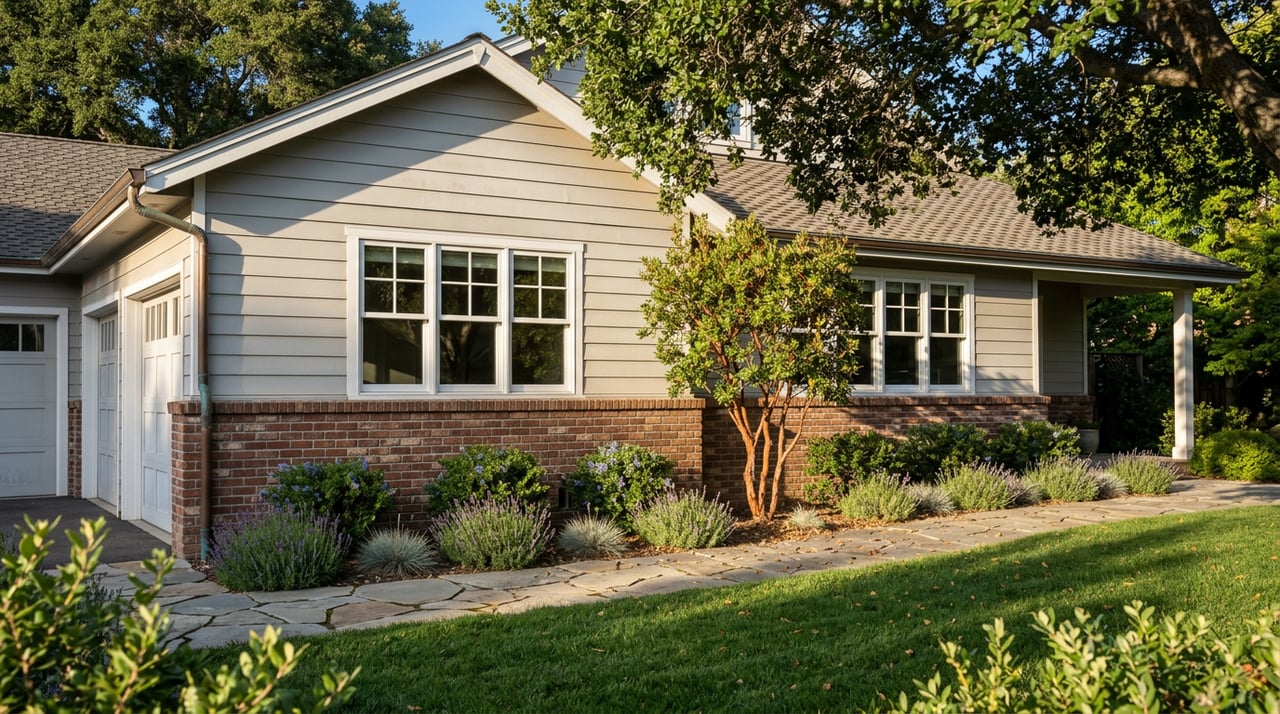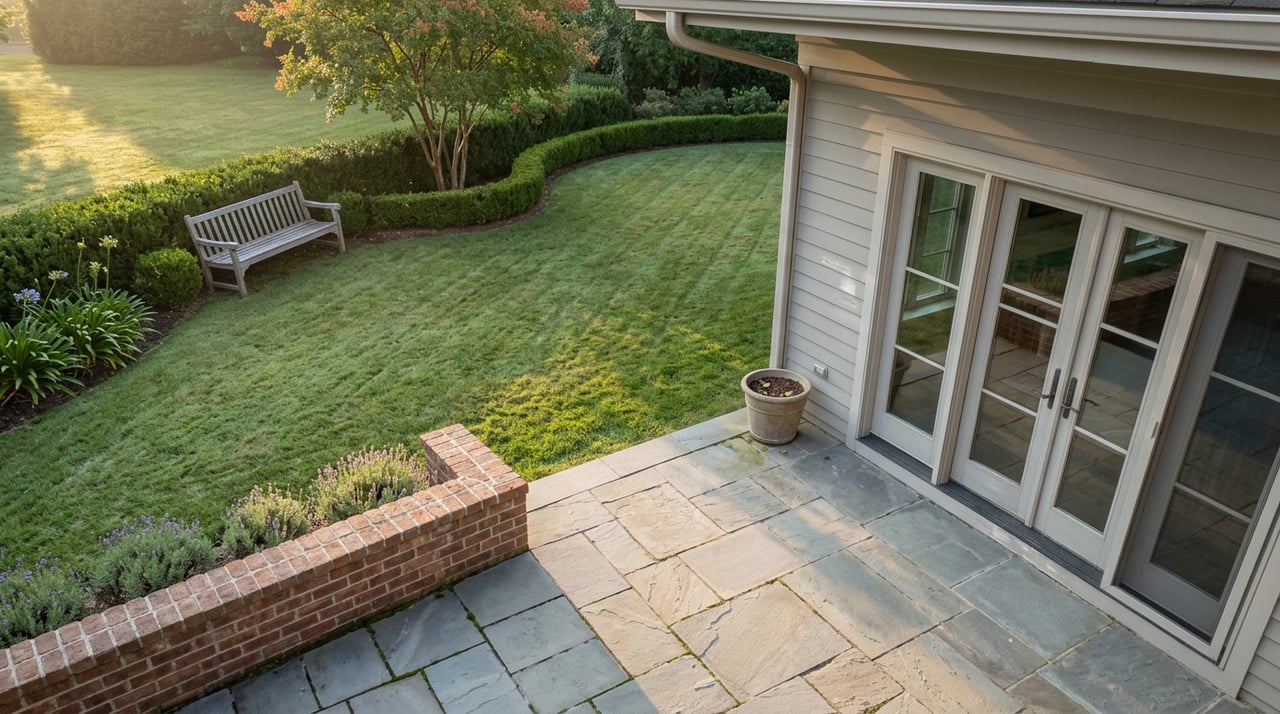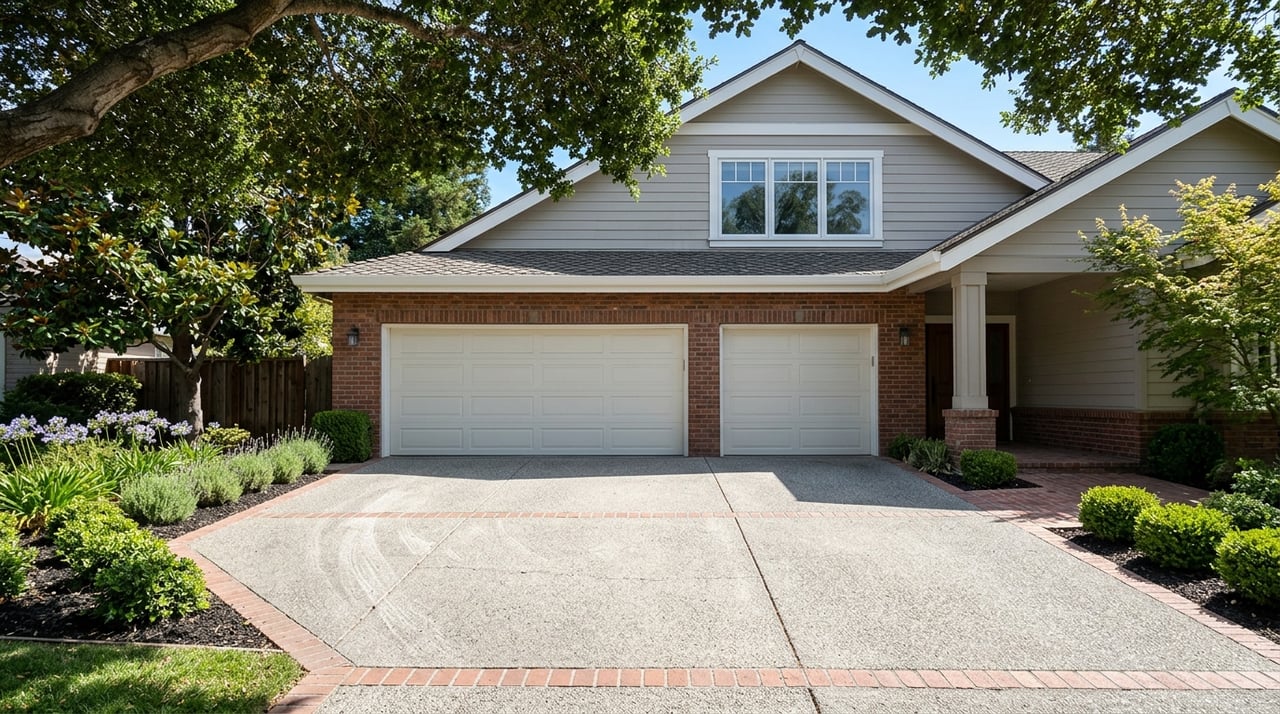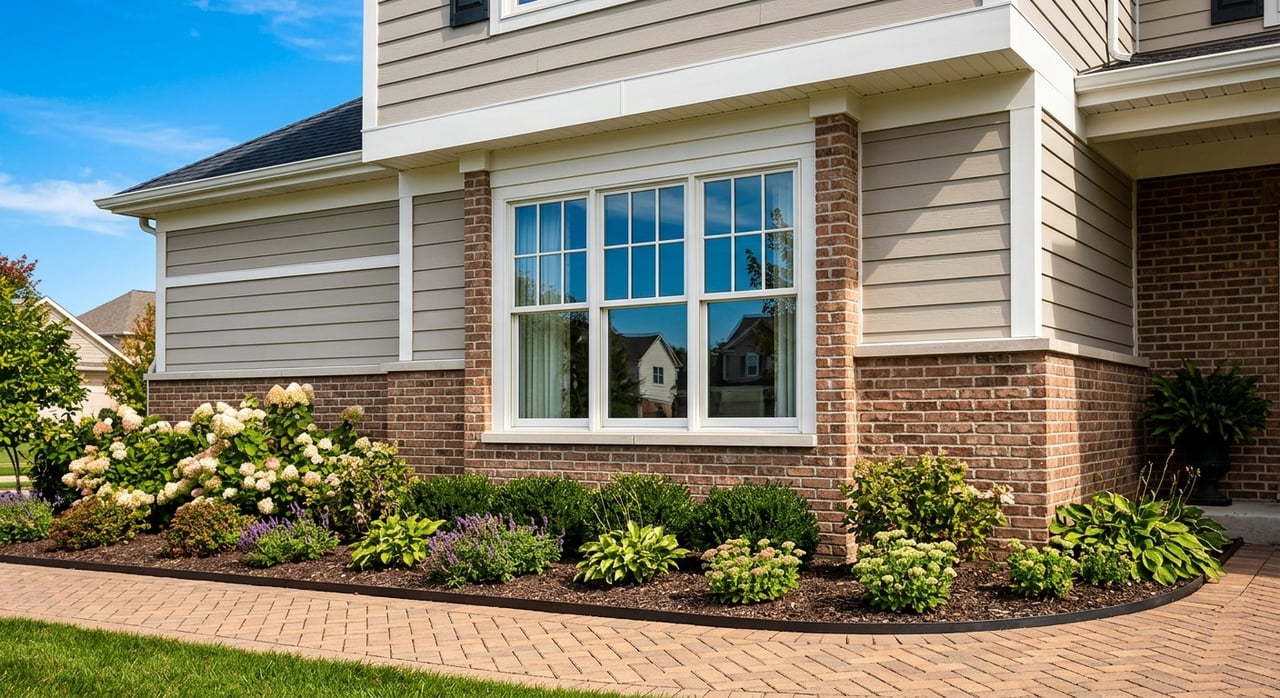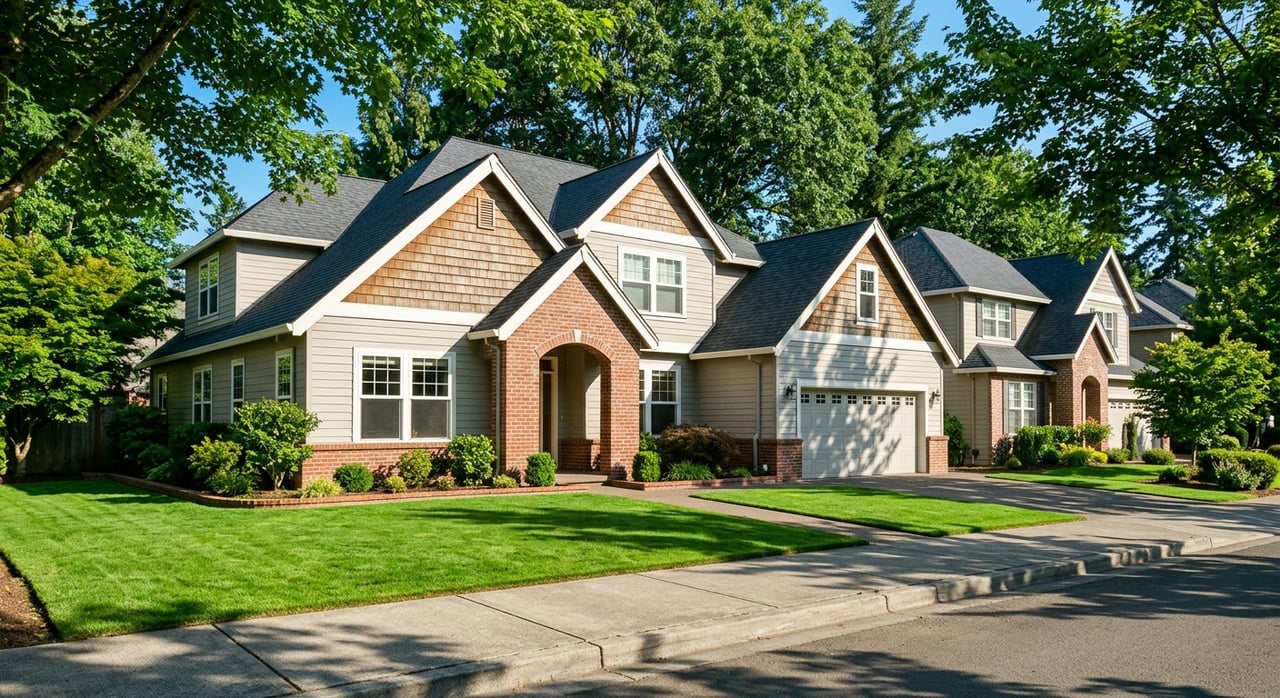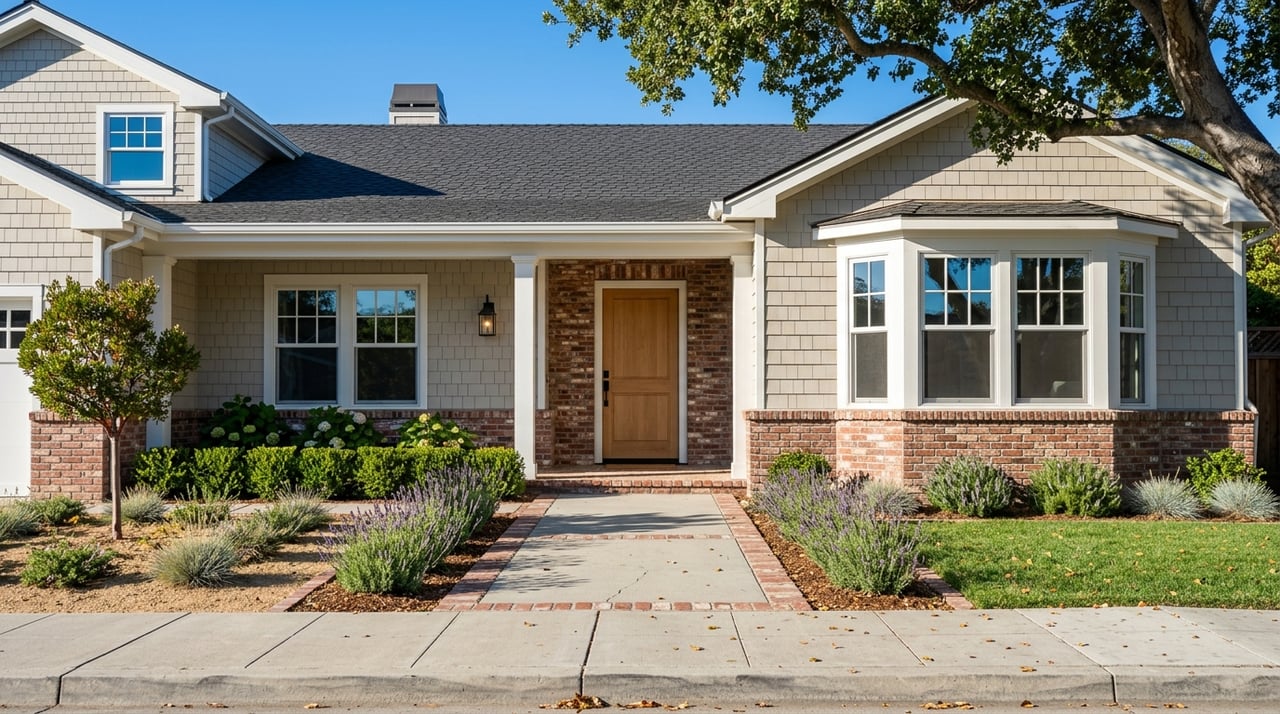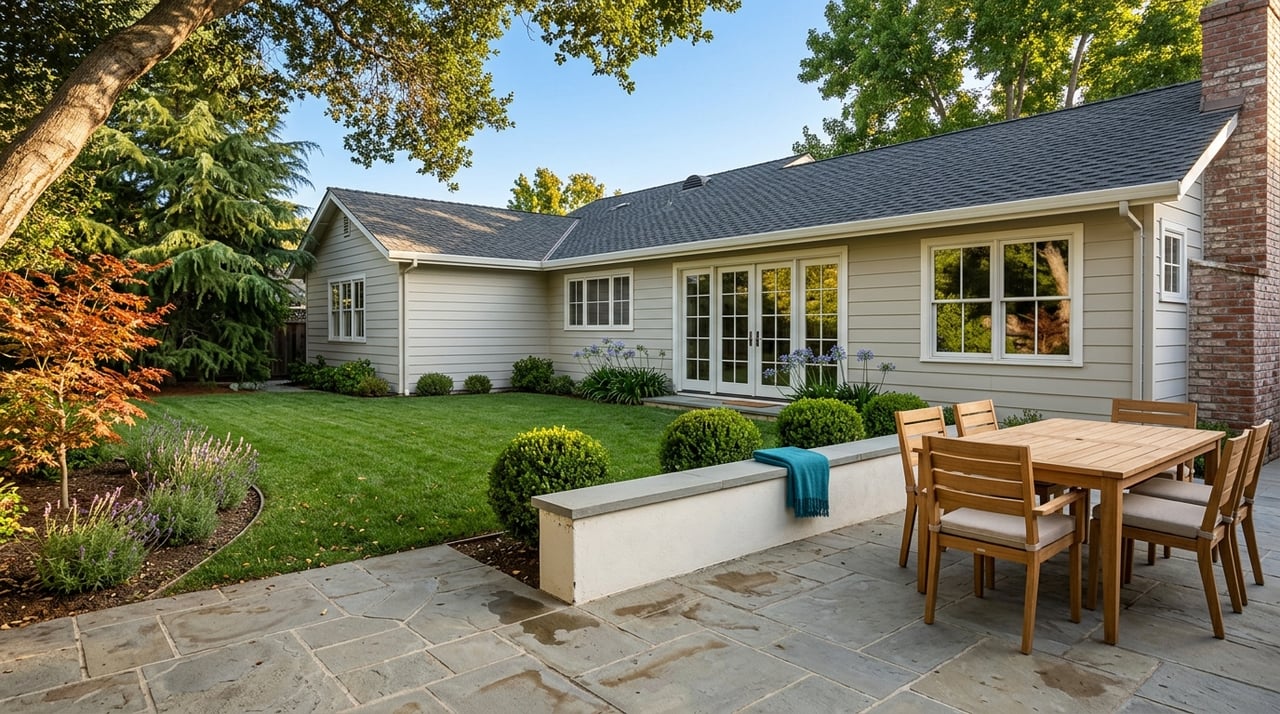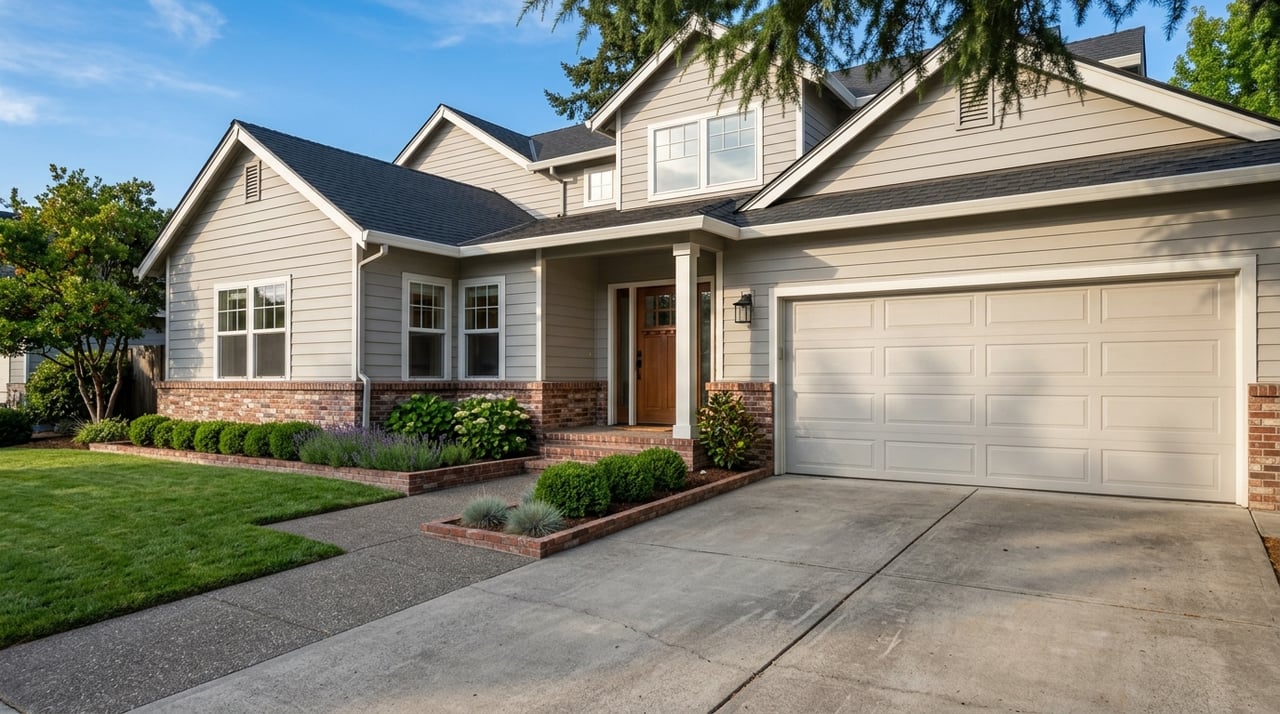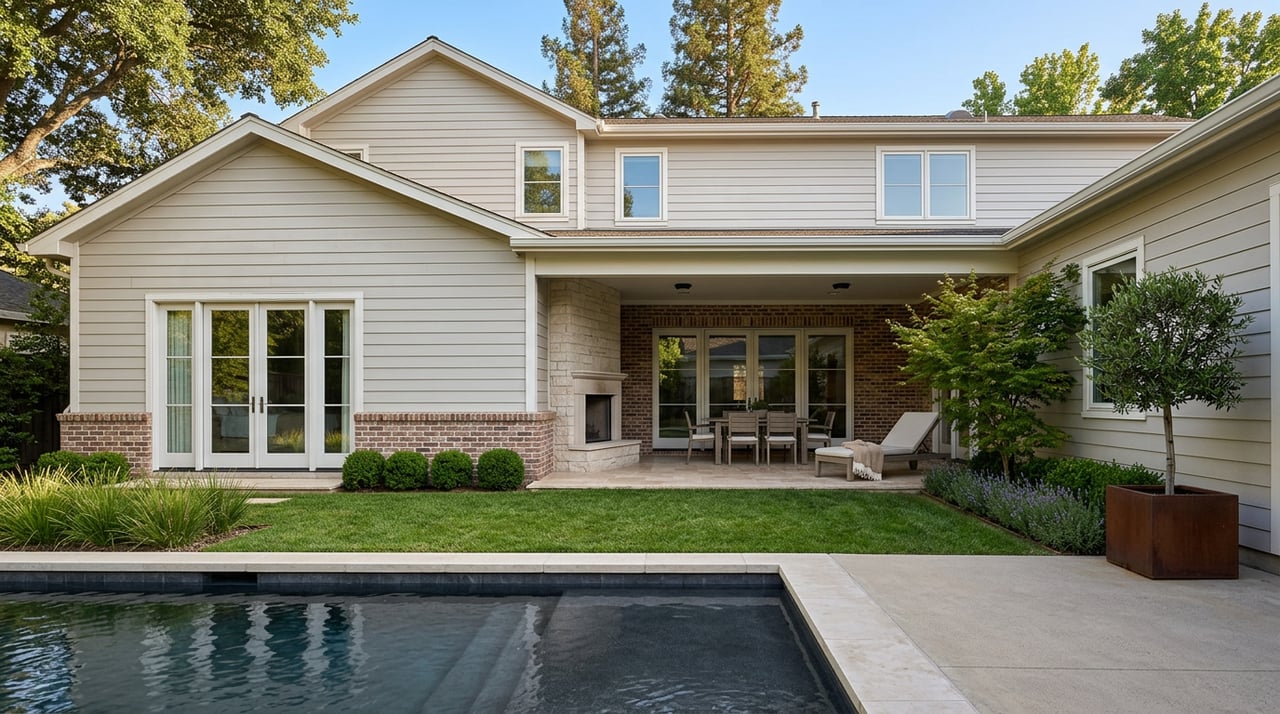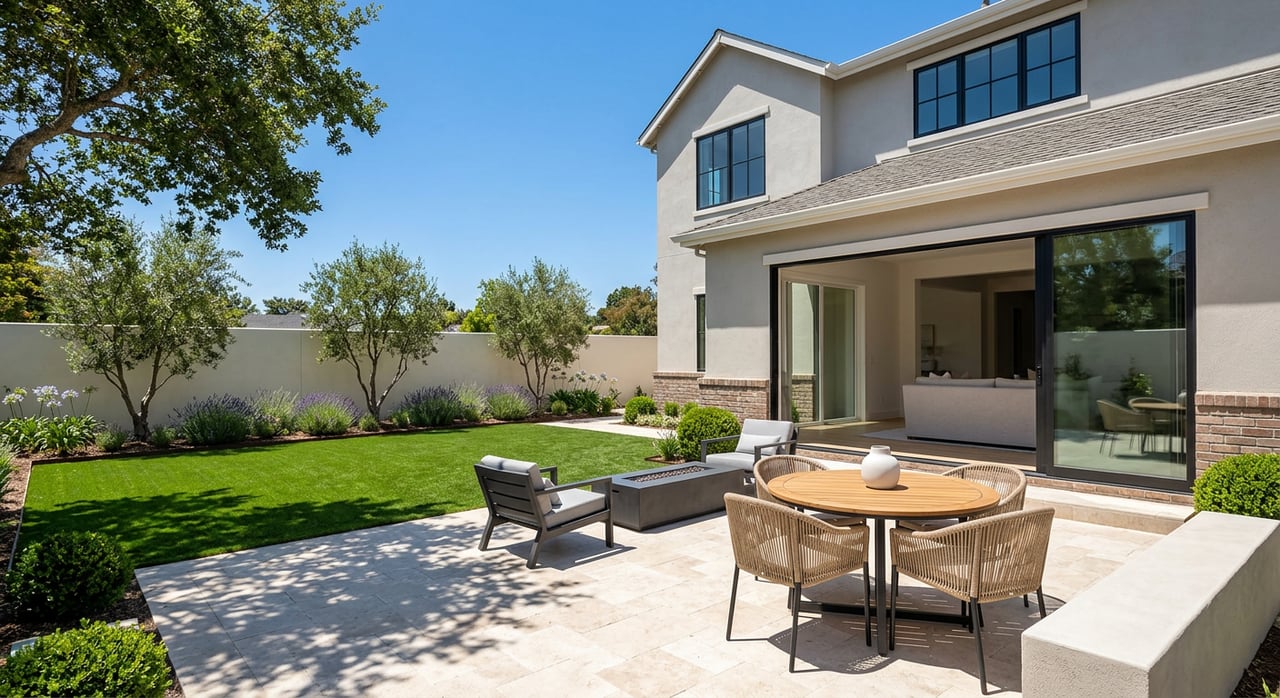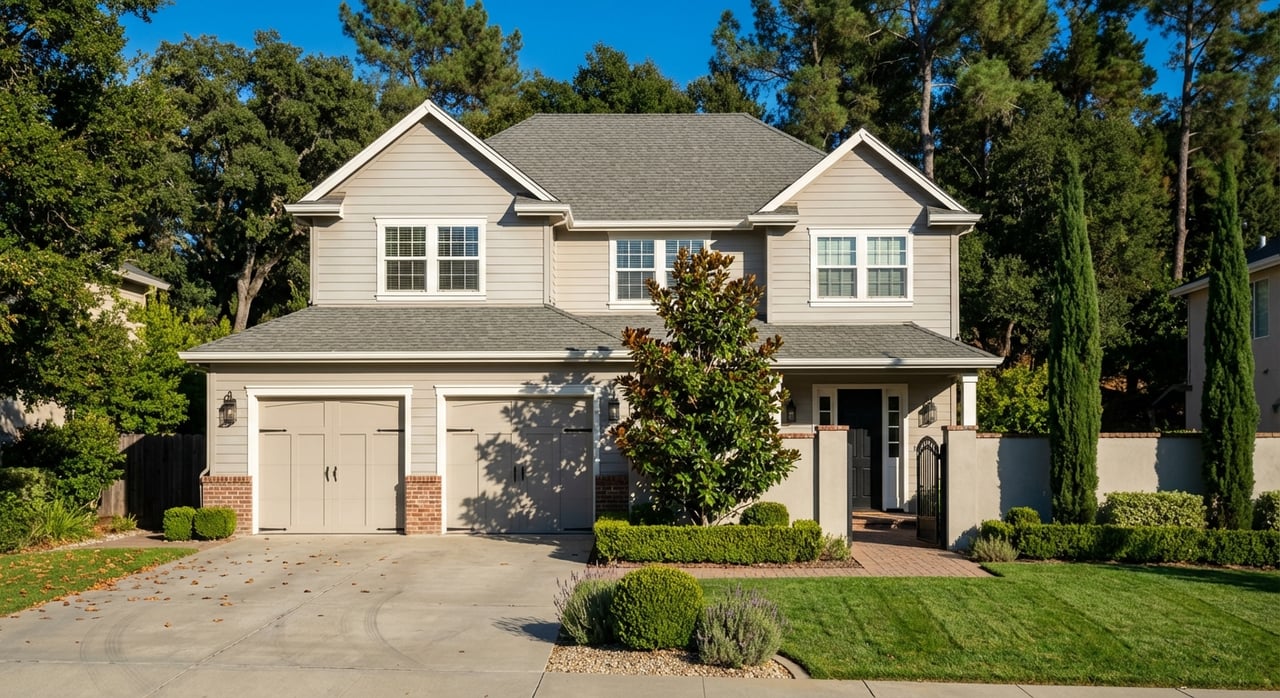
Two Alamo listings can look nearly identical on paper. Same acreage, same era of construction, same asking price within a few percentage points of each other. One sells cleanly in three weeks. The other spends six weeks in escrow while the seller's contractor and a county reviewer sort out a wastewater question nobody mentioned in the listing photos.
The difference usually isn't the kitchen or the lot size. It's what runs underground, or doesn't.
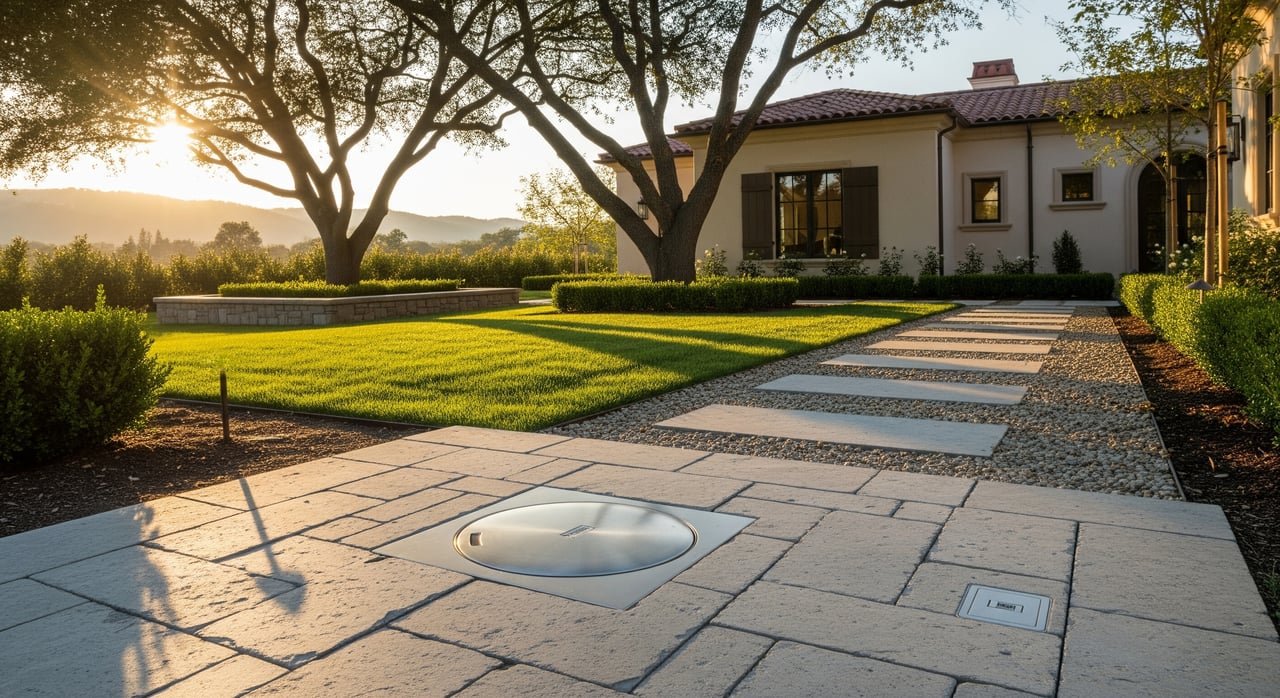
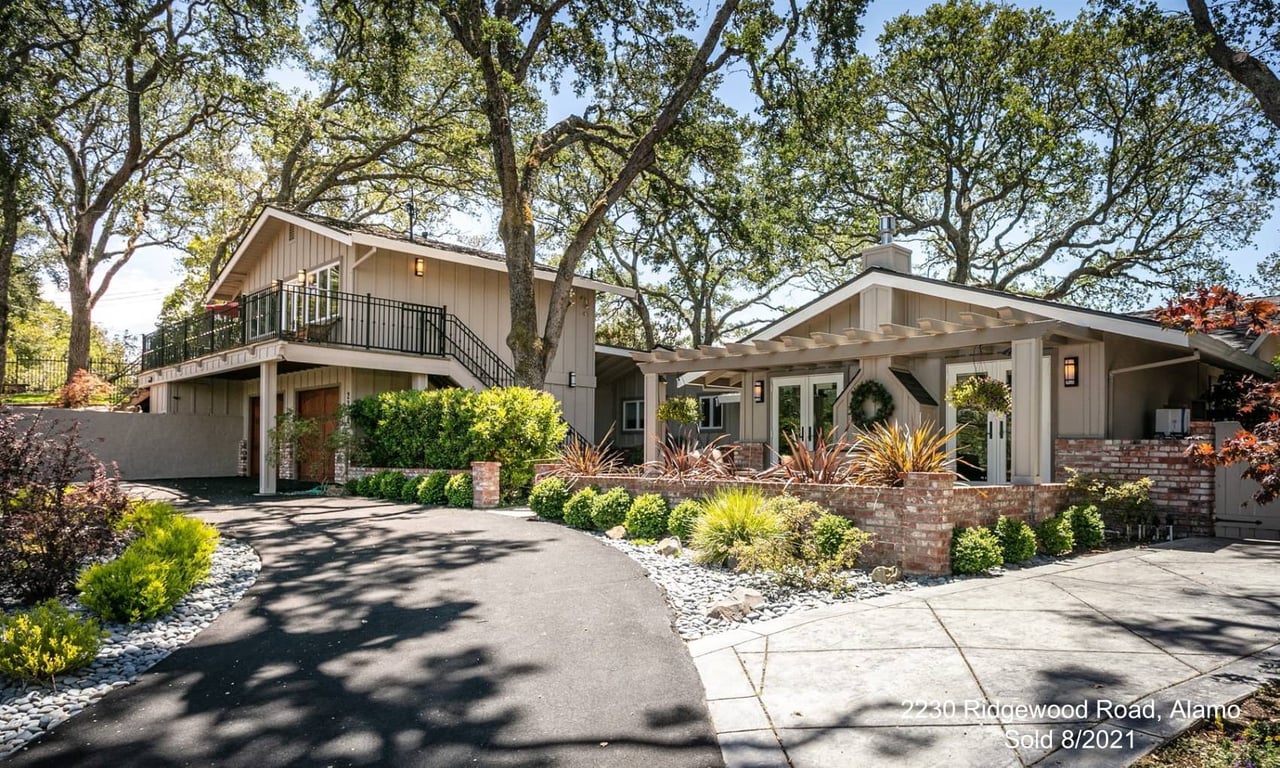
Alamo is unincorporated Contra Costa County, and that single fact does more work than most buyers and even some sellers realize. Without a city government running its own utilities, the town never built out a unified sewer district the way an incorporated city might. Large lots, low-density zoning, and decades of semi-rural development mean a meaningful share of Alamo's estate properties, particularly around Stone Valley Road, Livorna Road, the Round Hill Country Club area, and the Alamo Creek corridor, still rely on private septic systems rather than a public sewer main. That isn't a defect. It's simply how the town was built. But it changes the mechanics of a sale in ways that only show up once you're inside a transaction.
The Trigger Nobody Puts in the Listing
Most sellers assume septic only becomes a problem if the system fails. That's not quite right, and it's the detail that catches people off guard.
Contra Costa Environmental Health, the county division that governs septic systems here, has the authority to require a property to abandon its septic system and connect to public sewer under two conditions: if the existing system fails, or if the property sits within 300 feet of an existing Central San sewer main and the owner is planning substantial improvements. A kitchen remodel might not trigger it. A significant addition, a new pool house, or a major renovation plan very well might, if the county decides the scope counts as substantial.
That means the moment a seller starts planning the kind of upgrade that makes a luxury listing more competitive, they can also be starting the clock on a mandatory sewer conversion they didn't budget for.
The trigger isn't a broken pipe. It's a remodel permit.
What Conversion Actually Costs
When a conversion is required, or when a buyer wants one done before closing, the costs break into a few distinct categories, according to Central San, the utility that manages sewer service across Alamo and the surrounding towns.
| Cost Component | What It Covers |
|---|---|
| Sewer availability | Whether a public main is adjacent to the property and usable, and whether a gravity design works or a pump is needed |
| Side sewer construction | The trench and pipe from the house to the public main, which the property owner is responsible for building or hiring out |
| Central San connection fees | Currently ranging from about $9,200 to $10,200 per residential unit, depending on location |
| Septic tank abandonment | Required by county rule once the new sewer connection is tested and accepted |
Central San's own guidance to homeowners is direct on the resale implications. Converting from septic to public sewer can increase a property's market value. The reverse is also true. Because septic systems are unpopular with most buyers and can limit the ability to expand a house or build over parts of the lot, a property still on septic tends to be less marketable at time of sale compared to a similar home already connected to sewer.
For a $2 million to $6 million Alamo estate, that's not a rounding error. It's a pricing and positioning conversation that needs to happen before a home goes live, not after an inspection report surfaces it.
The ADU Wrinkle That Splits Neighbors on the Same Street
Accessory dwelling units have become one of the most common upgrades sellers consider before listing an Alamo estate, whether for a guest house, a home office, or added rental flexibility. The county rewrote its ADU ordinance in May 2025, and the update was generous on size: on lots of 12,000 square feet or more, which describes nearly every conventionally zoned parcel in Alamo, a detached ADU can run to 1,200 square feet, with an attached garage of 600 to 800 square feet not counting against that limit.
What the rulebook doesn't standardize is the path to get there, and this is where two neighbors on the same street can face very different timelines. A sewered lot pays Central San a fee of $3.63 per square foot, charged on up to 1,200 square feet, and moves through a fairly direct permitting process. A septic lot needs county Environmental Health approval before the ADU can be established at all, since the added plumbing fixtures have to be evaluated against the existing system's capacity. Water service carries its own asymmetry too. EBMUD's system capacity charge, roughly $19,500 on a standard meter, applies to any new meter, so an ADU that can be served through the main house's existing meter avoids that cost entirely.
None of this makes an ADU impossible on a septic lot. It just means the timeline and the sequence of approvals look different, and a seller who's planning to add one as a value driver before listing needs to know which fork their property is on well before the architect draws the first plan.
What This Means If You're Selling
Confirming septic or sewer status early is the kind of groundwork that pays off in a calmer, more predictable listing process. If a property sits within 300 feet of an existing sewer main and any planned pre-sale improvements might qualify as substantial, that's worth resolving with the county before the improvements start, not during escrow. Contra Costa County's own land use guidance confirms that additions, remodels, drainage work, septic or well work, pools, and spas can all trigger agency review in the unincorporated area, so it's rarely a single quick check.
If conversion isn't in the cards before listing, pricing and disclosure need to reflect that plainly. California's standard disclosure package, the Transfer Disclosure Statement and Natural Hazard Disclosure materials, gives buyers the documentation they need to evaluate a septic property with full information, and a seller who has that paperwork organized before the first showing tends to keep negotiations moving instead of stalling on a surprise.
What This Means If You're Buying
For a buyer eyeing an Alamo estate with plans to expand, add a guest structure, or eventually build an ADU, confirming the property's wastewater status is worth doing before the offer, not after. A septic lot isn't a reason to walk away from a home you love. It's a reason to build the Environmental Health review timeline and the potential conversion cost into your plan from the start, so the number you're comparing against a sewered property down the street is the real number, not the listing price alone.
A Few Questions Worth Asking Directly
How do I find out if my Alamo home is on septic or sewer? Contra Costa Environmental Health and Central San can both confirm status by address, and older homes sometimes have a lateral cleanout marked with an "S" near the curb or foundation, though the marking isn't always reliable on its own.
Does having a septic system rule out an ADU? No. It adds a required step, county Environmental Health approval of the added plumbing load, before the ADU can be established, but it doesn't prevent one on a qualifying lot.
What if my septic system is aging but not yet failing? That's worth a conversation with both a septic contractor and Central San before listing, since a system nearing the end of its service life can affect both timing and buyer confidence during a sale.
The infrastructure question rarely makes it into a listing description, but it shapes the sale from the first showing to the final walkthrough. Sellers who resolve it early control the story. Sellers who don't tend to have it resolved for them, mid-escrow, on someone else's timeline.
If you're weighing what your Alamo property's septic or sewer status means for your sale, or you want a clear read on how it affects pricing and timing before you list, Brad Gothberg offers a Request a Confidential Market Valuation to walk through it directly.